


Ericsson shows its connected public transport concept at ITS 2015
Automated Networked Transport es el concepto de Ericsson Research que demuestra cómo los datos de redes móviles pueden ayudar a mejorar los sistemas de transporte público, y que la compañía presenta en el congreso mundial de la ITS en Burdeos, junto a otras de sus innovaciones.

Soluciones para optimizar la eficiencia, seguridad y gestión medioambiental del sector del transporte marcan la propuesta que Ericsson presenta estos días, y hasta el próximo 9 October, en el Congreso Mundial de la ITS, que se celebra en la localidad francesa de Burdeos.
Among other innovations, la compañía expone su Transporte Automatizado en Red (Automated Networked Transport), un nuevo concepto de Ericsson Research que demuestra cómo los datos de las redes móviles pueden mejorar la eficiencia del transporte público.
Los sistemas que actualmente utilizan los operadores de transporte para planificar los horarios de los autobuses no son flexibles y se basan en una muestra de datos limitada y los horarios suelen permanecen inalterados durante periodos de tiempo relativamente largos. El resultado es que los autobuses hacen las mismas paradas previstas en el mismo orden, independientemente de si alguien está esperando en esas paradas o no.
Un problema similar surge cuando hay previstos grandes acontecimientos deportivos o de ocio y las redes de transporte público se colapsan con pasajeros que coinciden en un solo lugar. Ambos inconvenientes se pueden solucionar con Automated Networked Transport, como la compañía está demostrando en este congreso.
Specifically, Automated Networked Transport utiliza los datos de las redes de telecomunicaciones para analizar los movimientos de las personas en las ciudades y saber dónde, when, cómo y por qué usan el transporte público. El concepto se puede aplicar para crear horarios de autobuses basados en las necesidades actuales del viajero, ajustándolo de modo dinámico en tiempo real.
En caso de grandes eventos, los operadores de transporte pueden revisar los movimientos de los viajeros en acontecimientos anteriores del mismo perfil y, thus, gestionar horarios personalizados.
Casi todos los usuarios de transporte urbano llevan un teléfono móvil allí donde van. Según el último Mobility Report de Ericsson, la penetración de móviles alcanza el 99% y ya hay aproximadamente 4.900 millones de suscriptores móviles en todo el mundo. Como asegura Orvar Hurtig, director de Industry & Society de Ericsson, “tenemos la capacidad de usar la valiosa información contenida en las redes de telecomunicaciones para mejorar las redes de transporte”.
El sistema desarrollado por la compañía “recoge esta información de las redes y la analiza de manera que los operadores de transporte tengan una comprensión profunda de los patrones de los viajeros. Puesto que eliminamos cualquier información que pueda emplearse para identificar a personas concretas, su privacidad está garantizada. Gracias a la informática distribuida, se puede analizar una enorme cantidad de datos y modificar dinámicamente las redes de transporte para responder mejor a las necesidades de los viajeros”.
Con una población urbana en rápido crecimiento, la solución a las necesidades de transporte público no consiste en incrementar el número de vehículos, ya que esto solo origina mayores costes operativos, atascos y contaminación, as the company points out, que aboga por una solución más efectiva: introducir sistemas de transporte inteligente como Automated Networked Transport.
En su demostración durante el ITS World Congress, Ericsson se ha centrado en su aplicación en autobuses públicos, aunque Automated Networked Transport también se puede aplicar a otras modalidades de transporte.
Otra de las novedades de la compañía presentes en este congreso son:
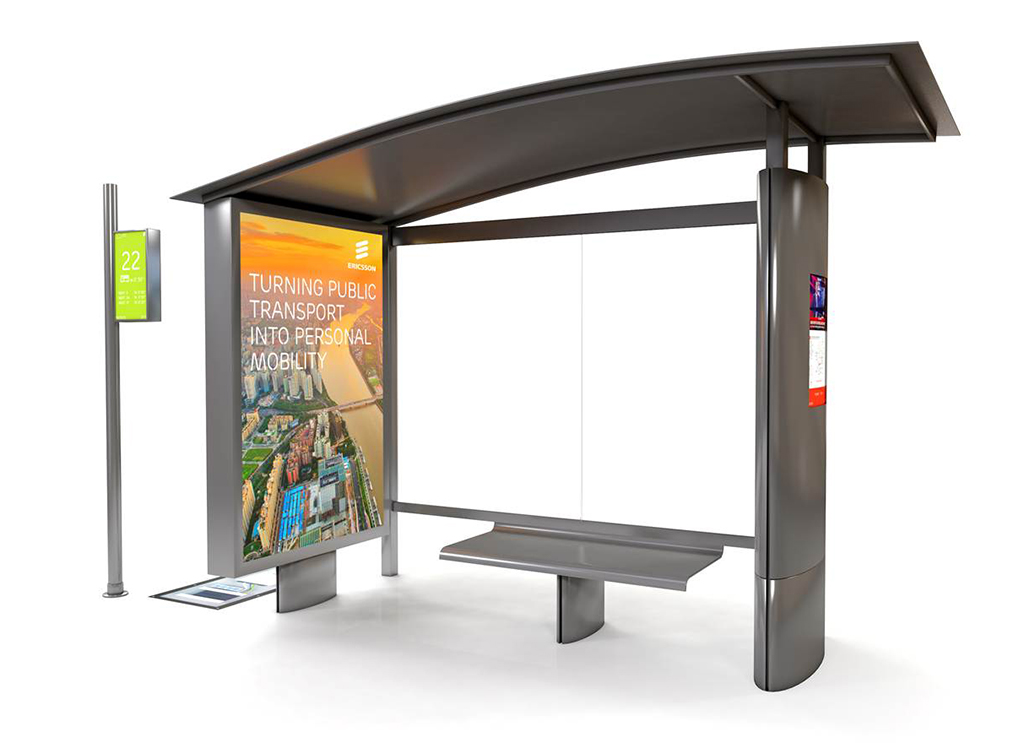
 Connected Bus Stop: incorpora tecnología de small cell y ofrece a los operadores de transporte público una fuente adicional de ingresos y con funcionalidad adaptada al viajero (información detallada en Digital AV Magazine).
- Connected Traffic Cloud: concepto de gestión en la nube que permite compartir datos de tráfico y condiciones de la red viaria en tiempo real entre vehículos conectados y autoridades de tráfico.
- Connected Vehicle Cloud: plataforma comercial que facilita a los fabricantes y a terceros ofrecer servicios e información a conductores y pasajeros.
- Mobility as a Service: facilita el transporte multimodal y en el que se pueden combinar varios medios de transporte público y privado y billetes electrónicos almacenados en smartphones.
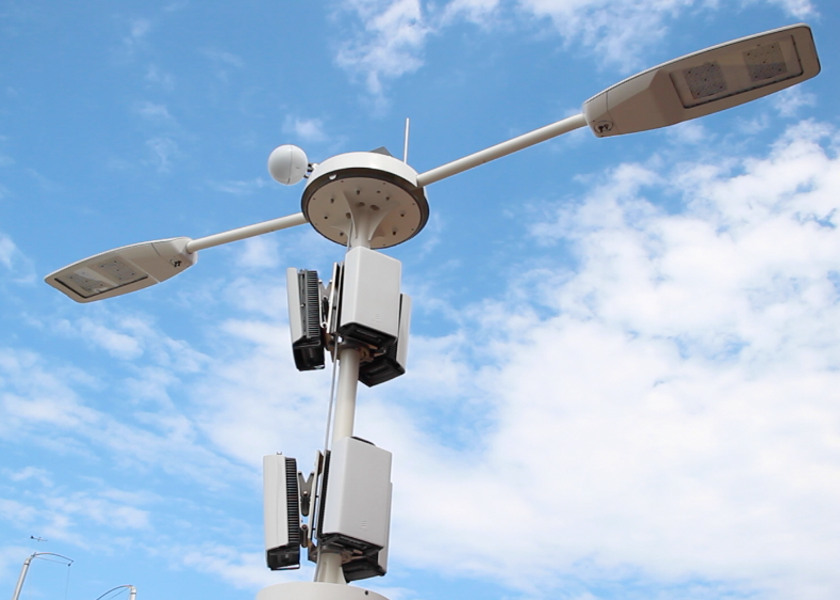
- Zero Site: sistema que combina conectividad WiFi con iluminación urbana Led eficiente, desarrollado en colaboración con Philips (more data in Digital AV Magazine).
Did you like this article?
Subscribe to our NEWSLETTER and you won't miss anything.
Related articles
 Ericsson cultivates IoT in vineyards with the TracoVino connected system
 Milan Expo shows the supermarket of the future: digital, interactive and connected
 Mexico City opts for Ateire digital signage on its public transportation
 Huawei shows at CeBIT 2015 solutions that seek to build a better connected world
Beabloo: geolocated digital marketing applications for public transportation
Huawei shows at CeBIT 2015 solutions that seek to build a better connected world
Beabloo: geolocated digital marketing applications for public transportation
 Tecnalia Assistant helps older people get around on public transport
 OnTheBus, a virtual guide to guide the blind on public transport
 São Paulo's public transport is highlighted by digital signage
 The city of Savannah trusts in Indra technology to manage its public transportation
 Puzzle Rojo will market a digital signage channel for public transport in Madrid
 Digital video surveillance increases safety in public transport
 SILO, new intelligent information and advertising system for public transport users
 Indra will improve public transport management in the Polish city of Wroclaw
 Axis presents its IP video surveillance solutions for public transport