


Screening with Christie Mirage in Europe's first live 3D dental surgery
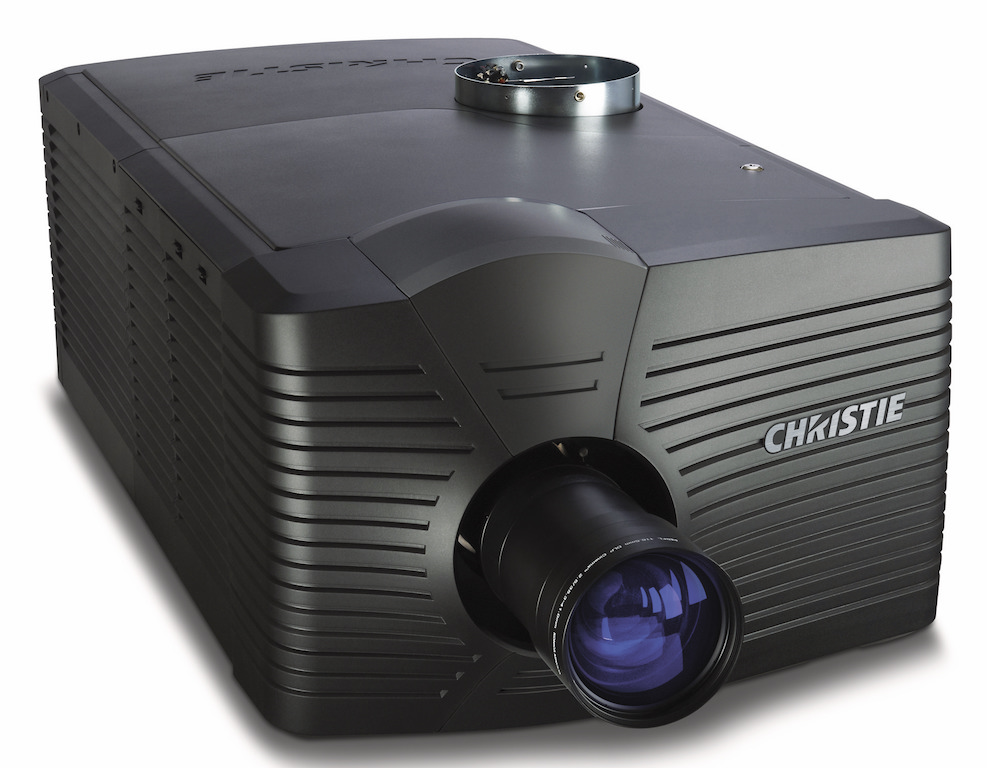
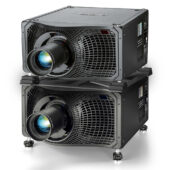
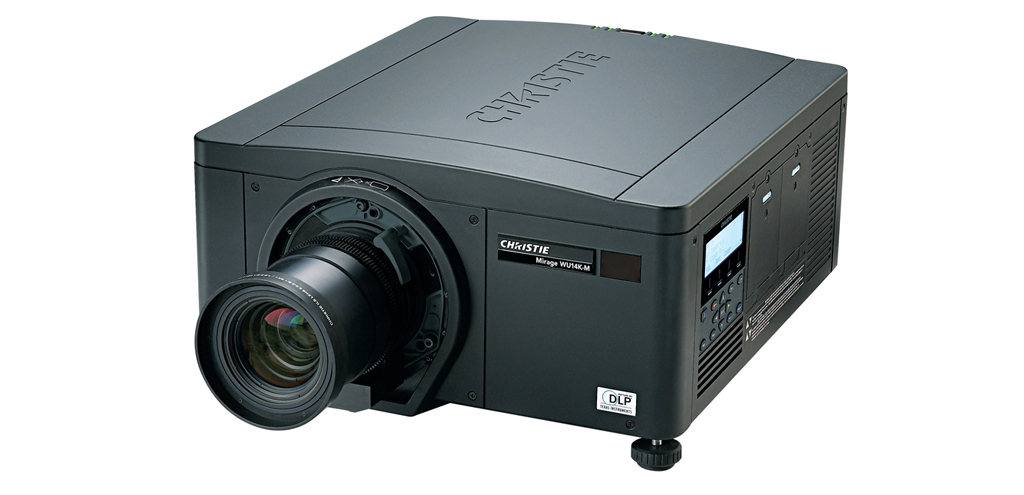
Como partner tecnológico de este evento organizado por Carl Zeiss y el COEM en Madrid, se han utilizado dos proyectores Christie Mirage HD14K-M, con transmisión de 3D Experiences.
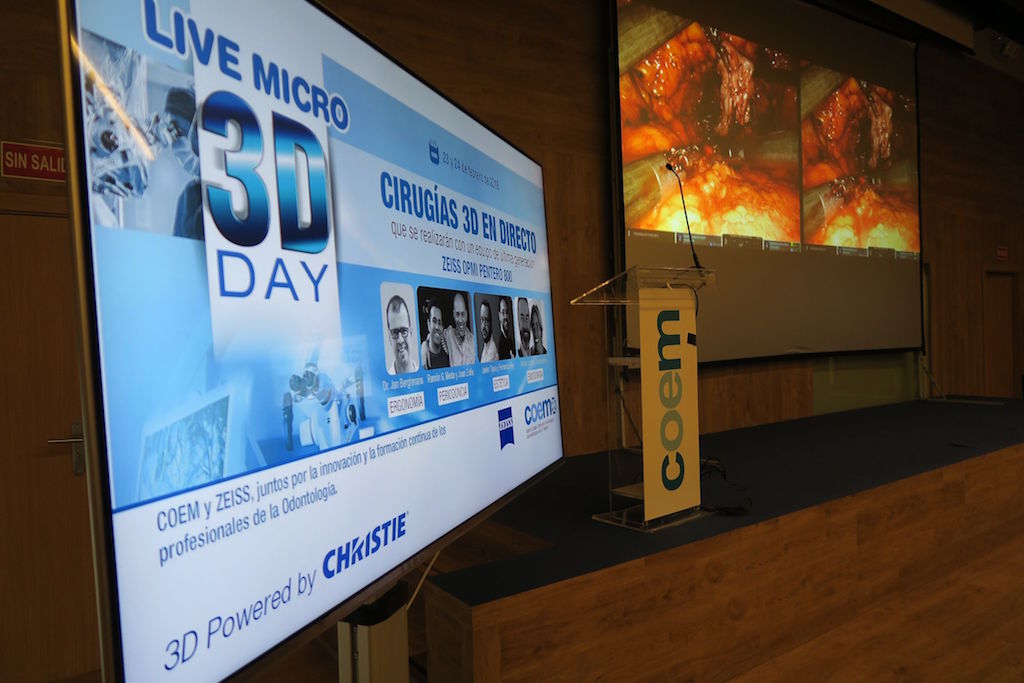
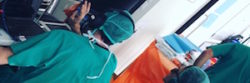
The manufacturer Carl Zeiss y el Colegio Oficial de Odontólogos y Estomatólogos de Madrid (COEM) han organizado en Madrid la primera cirugía odontológica 3D en directo que se realiza en Europa, con motivo de unas jornadas formativas que han tenido lugar en un área quirúrgica, dentro de las propias instalaciones de la institución.
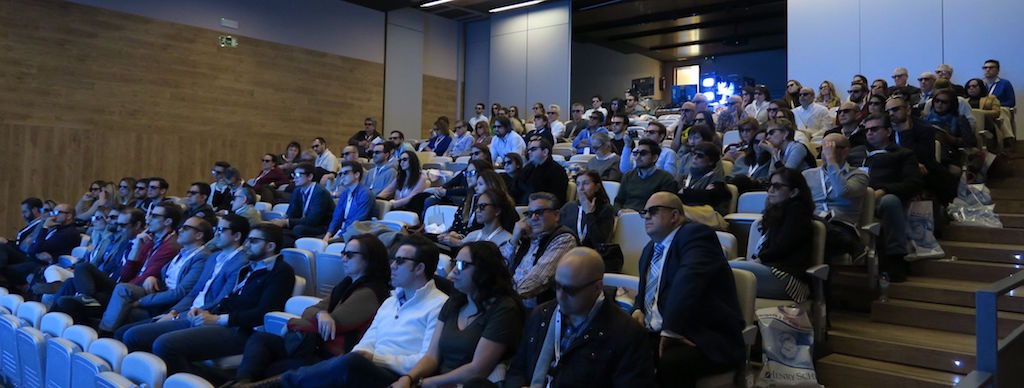
Esta cirugía se ha retransmitido en directo mediante fibra óptica al auditorio del COEM, donde se reunieron cuatrocientos expertos, y en el que se había instalado una pantalla de altas prestaciones Harkness Hall, de ganancia 2,4 en la que proyectaban dos sistemas Mirage HD14K-M de Christie, equipados con lentes zoom.
La transmisión y visualización de las cirugías ha sido responsabilidad de 3D Experiences, especializada en retransmisión y producción de contenidos estereoscópicos en 3D. Enrique Criado, supervisor del proyecto, explica que eligió a Christie como partner tecnológico “por calidad técnica y prestaciones, pero sobre todo por fiabilidad. Un evento médico en directo donde hay una intervención en tiempo real no permite errores ni fallos”.
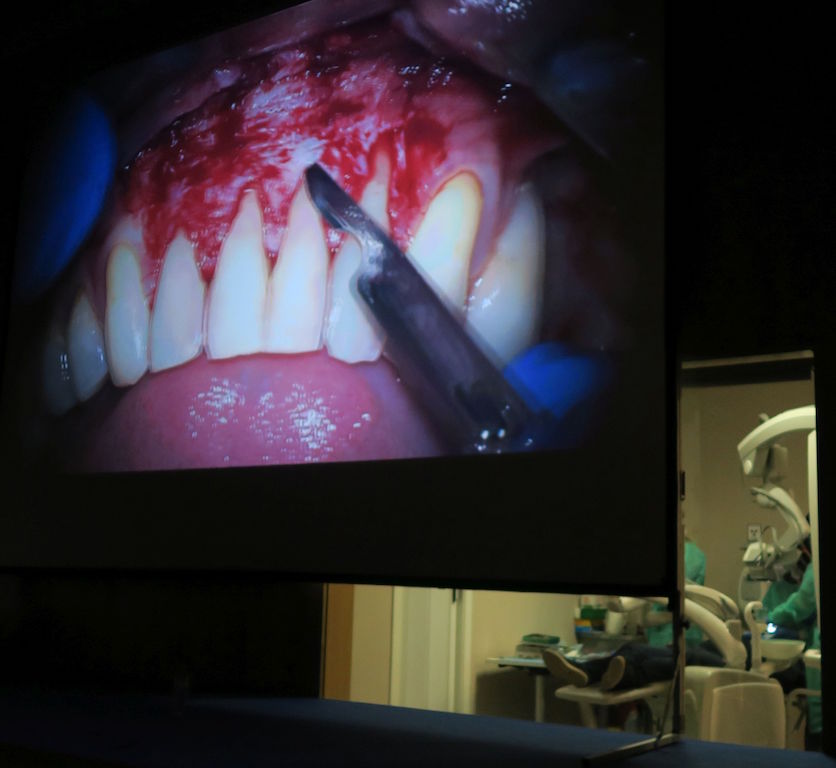 La calidad de imagen y del 3D fueron los puntos en los que se basó la ingeniería del montaje. Para la transmisión de la imagen se utilizó un único cable de fibra óptica de varios canales para extraer todas las señales necesarias, minimizando riesgos y equipamiento innecesario en las inmediaciones del campo quirúrgico.
“Hemos trabajado con Christie desde hace más de dos décadas, no solo en 3D Experiences, sino a lo largo de mi trayectoria en otras empresas -puntualiza Criado-. Como supervisor y responsable de ingeniería audiovisual, siempre hemos tenido con ellos unas garantías de éxito que otras marcas no nos han ofrecido. Para nosotros significa principalmente dos cosas: fiabilidad y calidad, y esto coincide con los principios de nuestra compañía.”
Para la cirugía se usó el sistema Zeiss OPMI Pentero 800, uno de los microscopios 3D más avanzados del mercado, junto con el módulo Trenion 3D-HD, un dispositivo de vídeo estereoscópico y de alta definición que permite a los cirujanos compartir imágenes tridimensionales de forma eficaz.
Los dos proyectores Christie Mirage trabajaron simultáneamente conformando una proyección 3D pasiva, con el uso de técnicas de warping para cuadrar la imagen 3D píxel a píxel. Todo el evento fue realizado en modo dual stream, ofreciendo una resolución nativa por ojo de 1.920×1.080p sin compresión, that is to say, el doble de la información recibida en la propia pantalla 3D del microscopio.
“En la mayoría de los eventos estereoscópicos se trabaja con señales comprimidas 3D, en formato side-by-side-subraya Enrique Criado-. Este proceso de comprimir dos señales en el espacio de una degrada la imagen hasta un 50% en calidad, por lo que cuando se requieren tamaños de pantalla grandes, el resultado es claramente muy inferior, en muchos casos muy decepcionante”.
In this case, 3D Experiences trabajó con imagen sin compresión y en doble canal, “es decir aprovechamos al cien por cien la calidad ofrecida por el microscopio de nuestro cliente.La calidad de imagen era superior a la del monitor 3D del propio cirujano, y cercano a la calidad óptica del microscopio 3D Zeiss. That's why, los asistentes se quedaron encantados de haber podido vivir una experiencia visual comparable a la del propio cirujano en la intervención”, añade Criado
 Additionally, esta compañía utilizó un sistema SIP (Stereo Image Processor) para revisar y corregir cualquier imperfección que pudiera proceder de la imagen 3D, a la vez que para ecualizar, etalonar y grabar ambas señales con calidad broadcast y, simultaneously, alimentar a los dos proyectores Christie Mirage. Todo ello en tiempo real y en modo dual stream, sin perder calidad.
La imagen 3D en medicina es muy exigente, pues la disparidad de la misma puede llegar a 2x ó 3x, comparada con una película de cine 3D convencional. “Por este motivo -continua-, un ajuste perfecto redunda en ofrecer la experiencia visual más confortable, cero stress y cero fatiga visual. La tecnología de Christie no solo nos ofreció una calidad de imagen excepcional, sino la posibilidad de un ajuste 3D perfecto (pixel perfect) con un grado de disparidad cero en cualquier área de la pantalla”.
In this project, como recalca este profesional, “los Christie Mirage nos proporcionaron una calibraciónestereoscópica perfecta, así como uniformidad de color y contraste, reproduciendo al cien por cienla imagen captada por el microscopio Zeiss. Creo que no hubo ningún asistente que no percibiese y elogiase la calidad de imagen del evento. Curiosamente, hasta los propios cirujanos que pudieron ver las imágenes grabadas en 3D después de su intervención se sorprendieron de la experiencia visual tan cercana a la experimentada en la propia óptica del microscopio”.
Did you like this article?
Subscribe to our NEWSLETTER and you won't miss anything.
Related articles
 Holoplot performs the first simultaneous translation in live and multi-zone audio
 Christie presenta su nuevo sistema de proyección 3D de cabeza dual y 6P Mirage SST-6P
 El Museo Materia de México ofrece con Christie Mirage experiencias visuales 8K
 The Mexican planetarium of Lunaria illuminates its 8K dome with Christie Mirage
 Christie enters the next generation of immersive experiences with the Mirage SST projector
 Tecnicongress y Christie realizan la primera retransmisión de cirugía de vitrectomía 3D en España
Christie and D3D Cinema to perform first 6P laser projection on Moody Garden MG3D giant screen
Christie Mirage WQ-L, proyector estereoscópico de base LED para visualización en 2D y 3D
Tecnicongress y Christie realizan la primera retransmisión de cirugía de vitrectomía 3D en España
Christie and D3D Cinema to perform first 6P laser projection on Moody Garden MG3D giant screen
Christie Mirage WQ-L, proyector estereoscópico de base LED para visualización en 2D y 3D
 Christie makes first permanent digital laser projection installation in a movie theater
 Christie breaks the mold in 4K projection and 3 true 120HZ chips with Mirage systems
 Christie performs first laser projection demonstration in Beijing 72.000 lumens
 Christie expands its range of Mirage Series 3-chip DLP projectors
 First feature film screening in 4K DLP Cinema with Christie
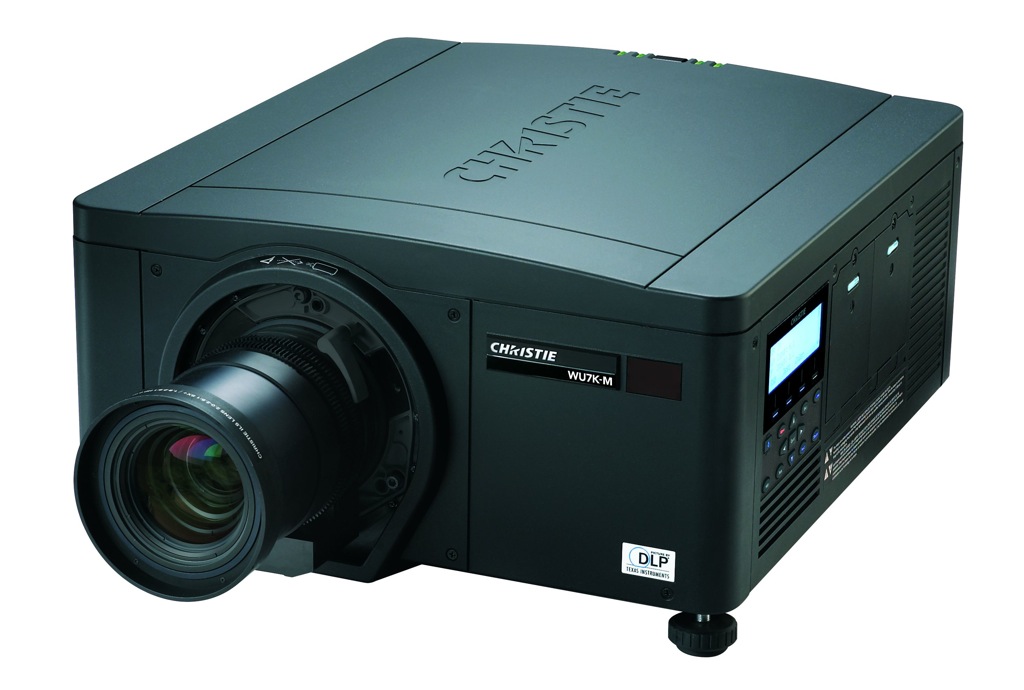 Christie lanza el Mirage WU7K-M, un proyector DLP 3D de 6.300 lumens