


La Universidad Simon Fraser investiga el audio espacial con Renkus-Heinz
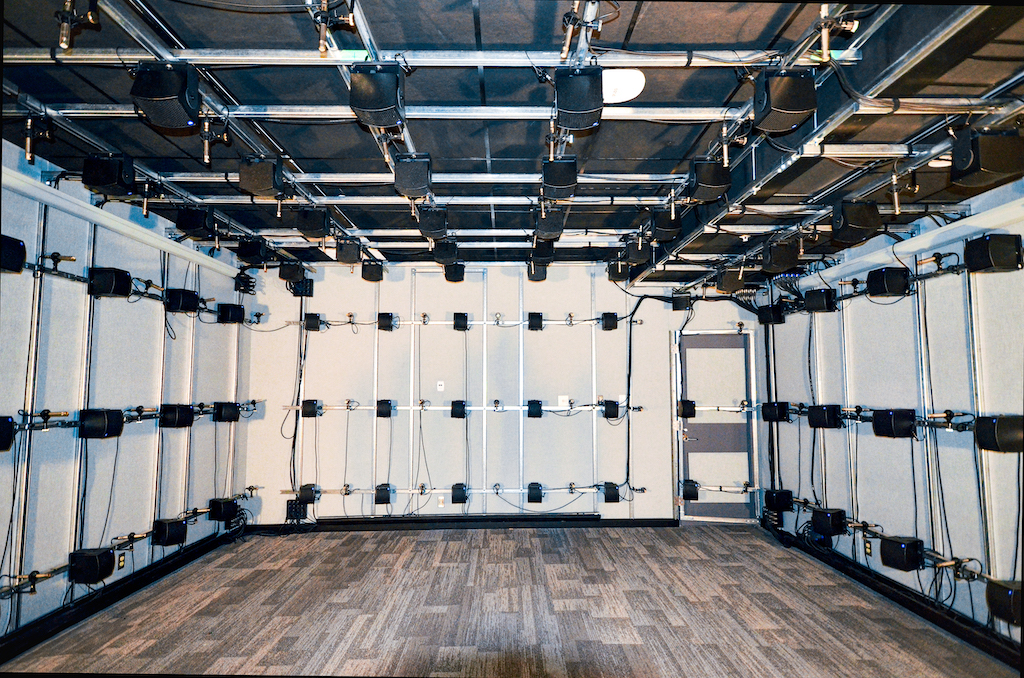
A total of 128 altavoces del modelo coaxial bidireccional CX41 de Renkus-Heinz facilita los proyectos de investigación de audio inmersivo y espacial del nuevo laboratorio de acústica de esta universidad canadiense.
Referente entre las principales instituciones de investigación de Canadá, the Universidad Simon Fraser (SFU) ha dado un paso más en materia de comunicación inmersiva y procesamiento de acústica espacial con la creación de un laboratorio específico, equipado con 128 altavoces de la serie C de Renkus-Heinz.
En línea con su compromiso de aprovechar la tecnología en beneficio de la sociedad, esta universidad ha contado con una subvención para la puesta en marcha de un nuevo laboratorio de audio, centrado en aplicaciones multimedia 3D, like surround sound, vídeo y acústica espacial, para respaldar la investigación en este campo.
This project, liderado por el profesor Rodney Vaughan, ha contado con la colaboración de empresas especializadas en audio, como Renkus-Heinz, TiMax , Advanced Audio , DirectOut e Innosonix Technologies, si bien ha tardado varios años en hacerse realidad hasta conseguir financiación,
Como recuerda Tim Bartoo, desarrollador sénior de TiMax, “Rodney Vaughan es conocido por su experiencia en radares y diseño avanzado de antenas. For this project, estaba seguro que las ecuaciones para el sonido, aunque se tratara de un medio diferente, funcionarían de manera similar a las utilizadas en su investigación anterior”.
El nuevo laboratorio tiene como núcleo dos procesadores espaciales TiMax, seleccionados por su gran funcionalidad y flexibilidad espacial, características fundamentales para la gama de experimentos planificados en el mismo, like the simulación de campos sonoros complejos y la prueba de conceptos de cancelación de ruido.
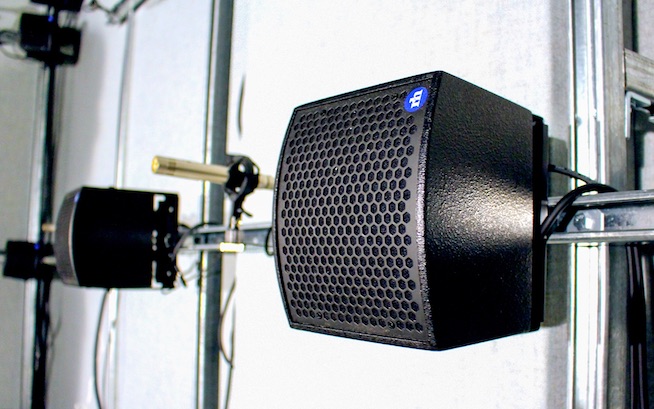
In addition to the 128 altavoces del modelo Renkus-Heinz CX41, un compacto equipo coaxial bidireccional, el laboratorio cuenta con igual número de micrófonos de Advanced Audio, todos ellos integrados a través de una red Dante para ofrecer una comunicación fluida entre los componentes.
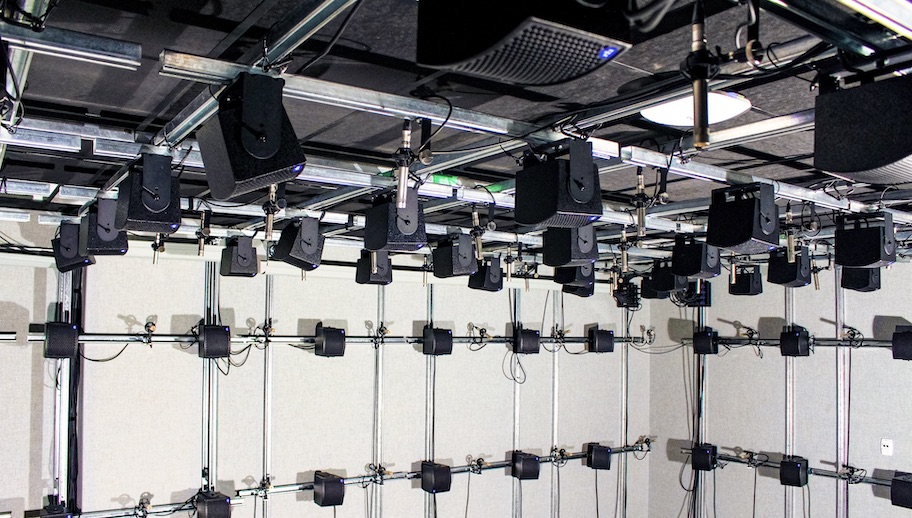
El consultor acústico Fred Gilpin ha sido responsable de diseñar la configuración física del laboratorio. “Se encargó de la colocación precisa de los altavoces. Tenemos unos ocho kilómetros de cableado personalizado en la sala, y su labor fue fundamental porque cada micrófono y altavoz debía estar ubicado con precisión para garantizar una reproducción precisa del sonido”, subraya Bartoo.
Los altavoces coaxiales de dos vías y 4” CX41 fueron la opción idónea para el laboratorio, dado su tamaño compacto y su rendimiento sonoro. Con tweeters de cúpula blanda de rango extendido, estos equipos ofrecen un sonido suave y de baja distorsión, capaz de alcanzar frecuencias superiores a los 20 kHz.
“Había trabajado con Renkus-Heinz antes y sabía que los CX41 serían perfectos para este proyecto -añade Gilpin-. La respuesta de fase era crucial, ya que gran parte del sonido que se estaba probando está fuera del eje, y el sonido natural y transparente de este modelo lo convirtió en una excelente opción”.
The tecnología de bocina cónica completa de Renkus-Heinz también desempeñó un papel fundamental para garantizar una cobertura uniforme en todo el laboratorio. Este diseño avanzado proporciona un ancho de haz constante en un amplio rango de frecuencias, lo que elimina los problemas típicos con estos sistemas, como la distorsión del patrón polar.
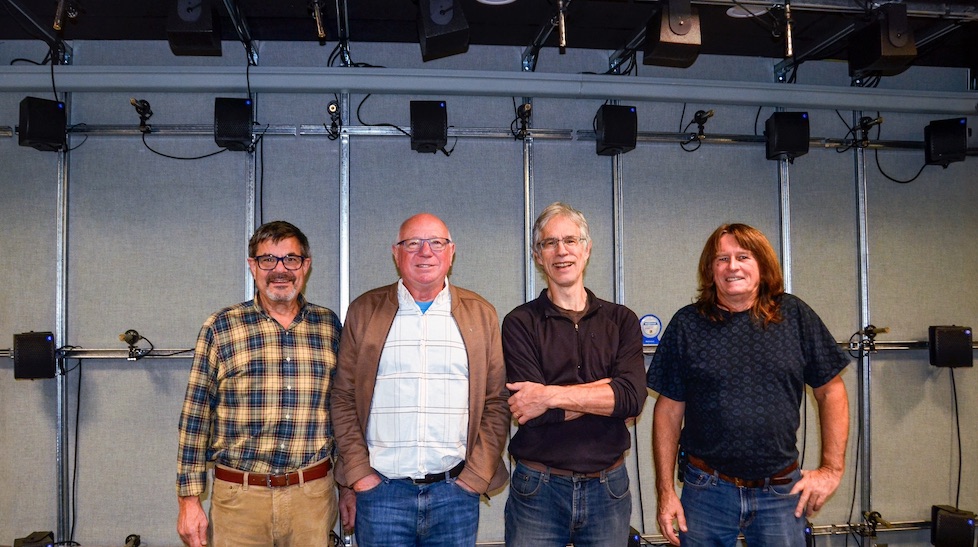 “Uno de los proyectos más emocionantes en los que estamos trabajando es crear una sala con cancelación de sonido -explica Vaughan-. Imagina un rincón de este espacio donde dos personas puedan tener una conversación y nadie fuera pueda escucharla gracias al aislamiento acústico. O una zona donde no se escuche nada, incluso en un entorno ruidoso. Este tipo de innovación no se ha hecho antes”.
Otra área de interés para el laboratorio es la mejora de la acústica de las salas, en particular en entornos con exceso de reflexión. Mediante el uso de modelos avanzados y control del campo sonoro, los investigadores esperan desarrollar sistemas que la analicen y compensen la reverberación excesiva, mejorando la inteligibilidad y la calidad del sonido en espacios difíciles.
Además de estos innovadores proyectos de investigación, Bartoo está especialmente implicado con la prueba del nuevo subsistema de reverberación de TiMax en el laboratorio de esta universidad.
“Hemos incorporado cuatro motores que pueden crear una reverberación dinámica y localizada en diferentes partes de la sala -detalla-. Con la configuración del laboratorio, podemos simular cualquier cosa, desde una catedral cavernosa hasta un espacio acústico reducido y controlado. Será fascinante ver lo bien que estos patrones de reverberación replican la realidad en un entorno tan controlado”.
El laboratorio ha despertado el interés de las comunidades académicas y de investigación, y hay numerosos proyectos propuestos. “Hace poco completamos nuestra primera grabación de 128 canales -revela Bartoo-. Caminamos por la sala hablando y aplaudiendo; cuando lo reproducimos se podía identificar exactamente de dónde provenían los sonidos. Cuando cerrabas los ojos, podías visualizar quién estaba en qué lugar de la sala. Es bastante interesante”.
Did you like this article?
Subscribe to our NEWSLETTER and you won't miss anything.
Related articles
 Renkus-Heinz renueva el audio de la mezquita Saifee de Bombay
 La Universidad de Toronto Scarborough instala un ecosistema Renkus-Heinz a medida
 Renkus-Heinz: demostraciones de audio para entornos complejos en InfoComm
 Renkus-Heinz attends ISE with innovative audio exhibition
 University of Toronto upgrades sound system with Renkus-Heinz
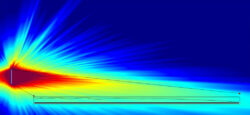 Renkus-Heinz agiliza la orientación de haces de audio con OmniBeam
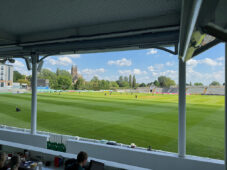 Renkus-Heinz brinda la solución de audio y megafonía al New Road
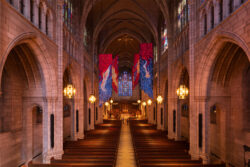 Renkus-Heinz renueva el audio en la capilla de la universidad de Princeton
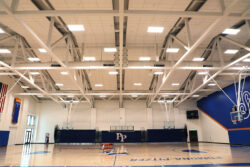 Renkus-Heinz ofrece la máxima potencia acústica a la Universidad de Pomona
 LEA Professional lleva su tecnología de audio a la Universidad Simon Fraser
 Metro Stadium upgrades its audio facilities with Renkus-Heinz
 El sonido de Renkus-Heinz recibe a los nuevos alumnos en la Universidad de Utah
 La Bolsa de Shanghái actualiza su sistema de audio con Renkus-Heinz
 Inmersión audiovisual para promover la investigación en la Universidad Simon Fraser