


9.000 ojos vigilan los autobuses urbanos de Madrid
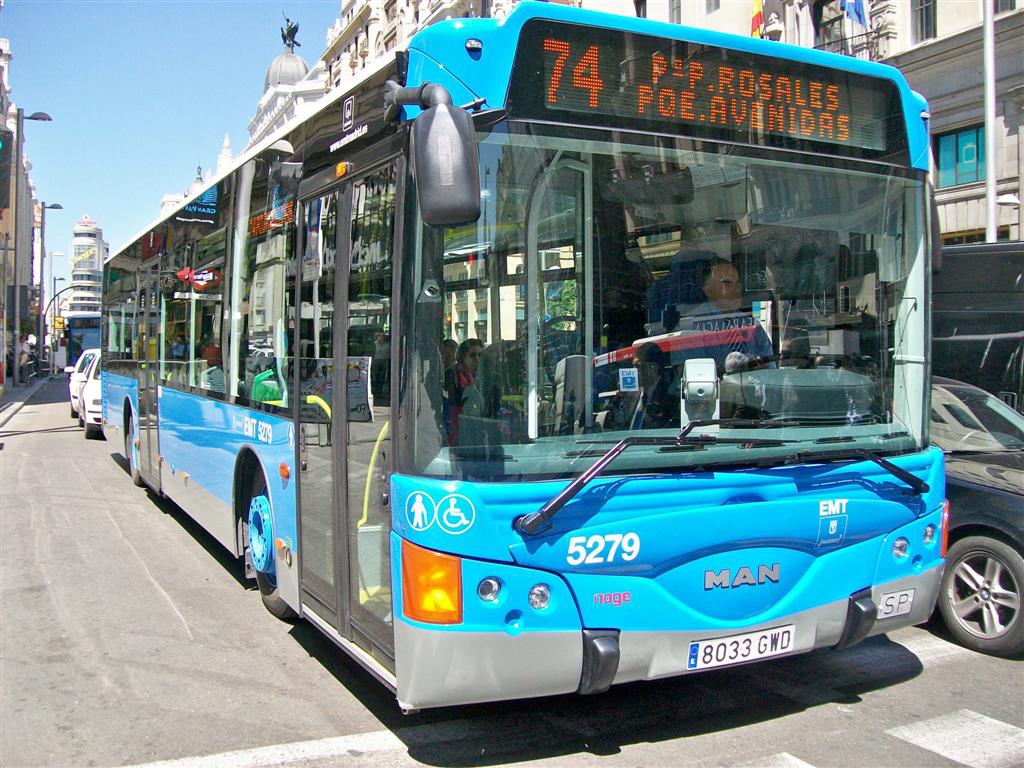
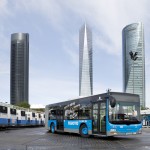
La Empresa Municipal de Transportes (EMT) de Madrid ha instalado un sistema de videovigilancia embarcada en la totalidad de su flota de autobuses. Este proyecto pionero en transporte urbano incrementa significativamente la seguridad de los usuarios gracias a las casi 9.000 cámaras que, instaladas a bordo de los 2.150 vehículos que circulan por la capital, permiten su supervisión en tiempo real, mediante la transmisión de imágenes a una Central Receptora de Alarmas de cualquier incidente o emergencia que se produzca en el interior de los vehículos.
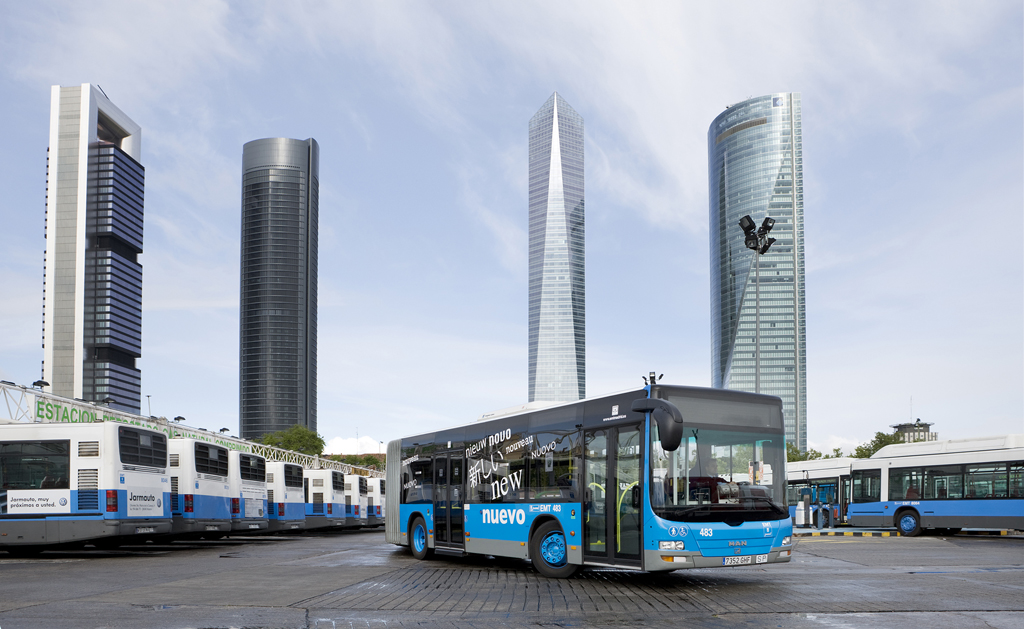
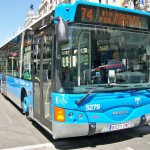
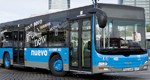
Con el objetivo de mejorar la seguridad en el interior de los autobuses de la Empresa Municipal de Transportes, el Ayuntamiento de Madrid puso en marcha en febrero de 2007 el proyecto Videovigilancia Embarcada en Autobuses (VEA), que ha implicado la instalación de 8.975 cámaras en los casi 2.200 autobuses de las 216 líneas existentes, que cubren 3.600 kilómetros y cuentan con 10.000 paradas. Un servicio que transporta anualmente a 425 millones de pasajeros y recorre 100 millones de kilómetros.
Este proyecto incrementa significativamente la seguridad en el interior de los vehículos ante cualquier incidente o emergencia y beneficia así a los usuarios del transporte público y a los trabajadores de la EMT, aumentando la calidad del puesto de trabajo de los conductores.
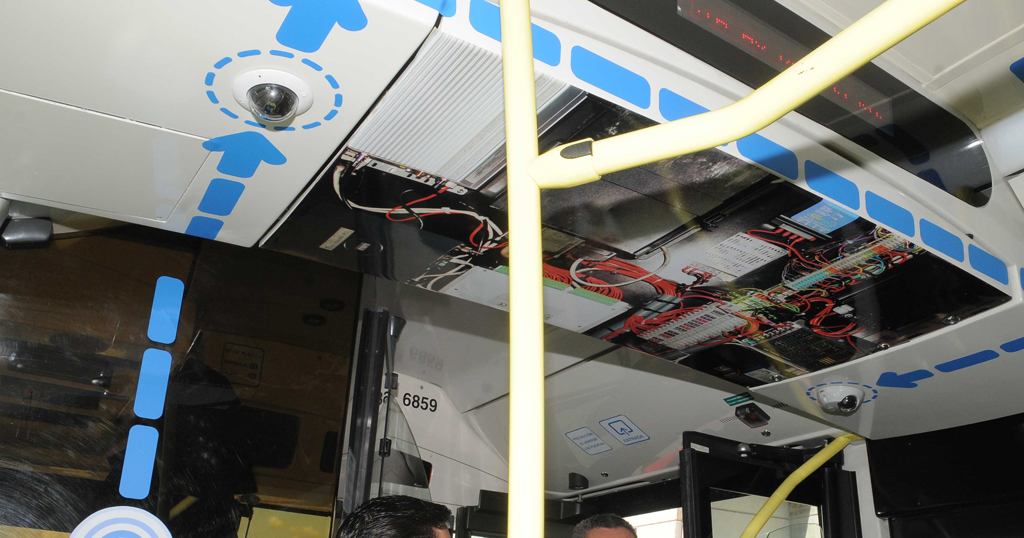
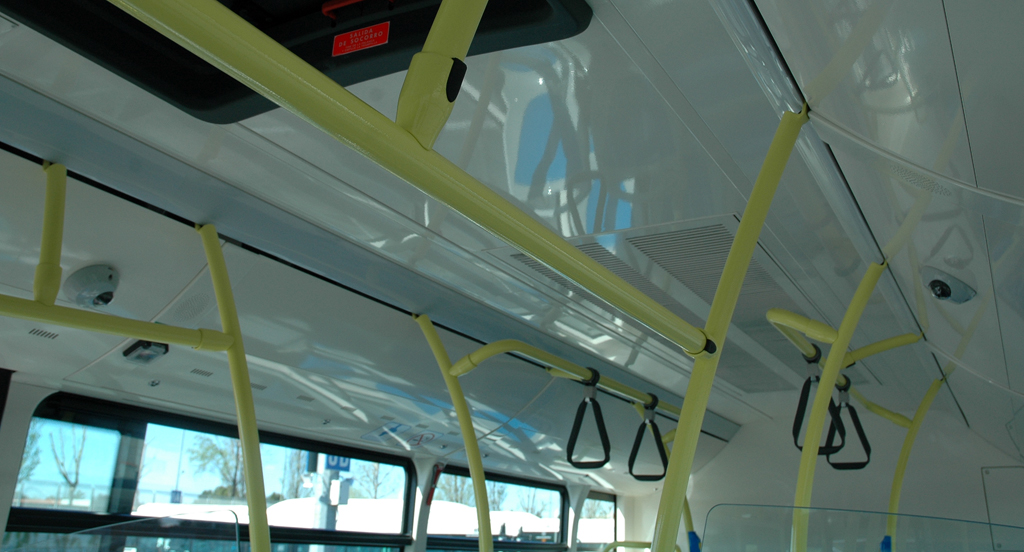
La implantación del sistema ha implicado la incorporación de cuatro cámaras de videovigilancia por cada autobús de la EMT -seis en los vehículos articulados, de mayor tamaño-. Su misión consiste en la grabación y monitorización continua de imágenes de alta resolución en tiempo real durante la prestación del servicio de forma que, desde diversos ángulos, las cámaras recogen minuto a minuto lo que ocurre en el interior del vehículo.
Respuesta ante emergencias
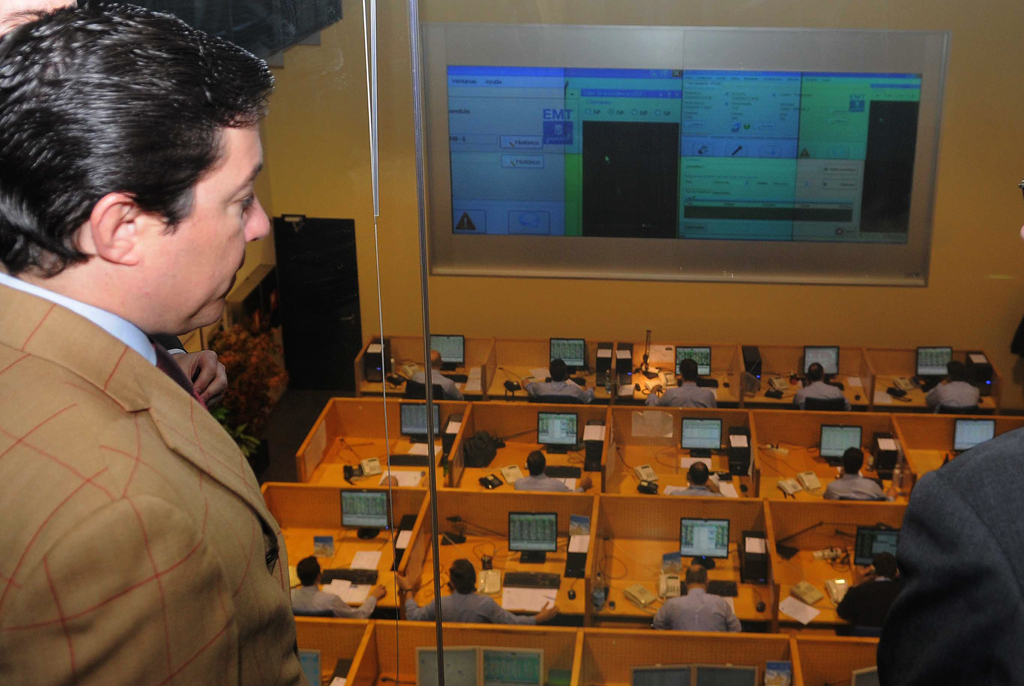
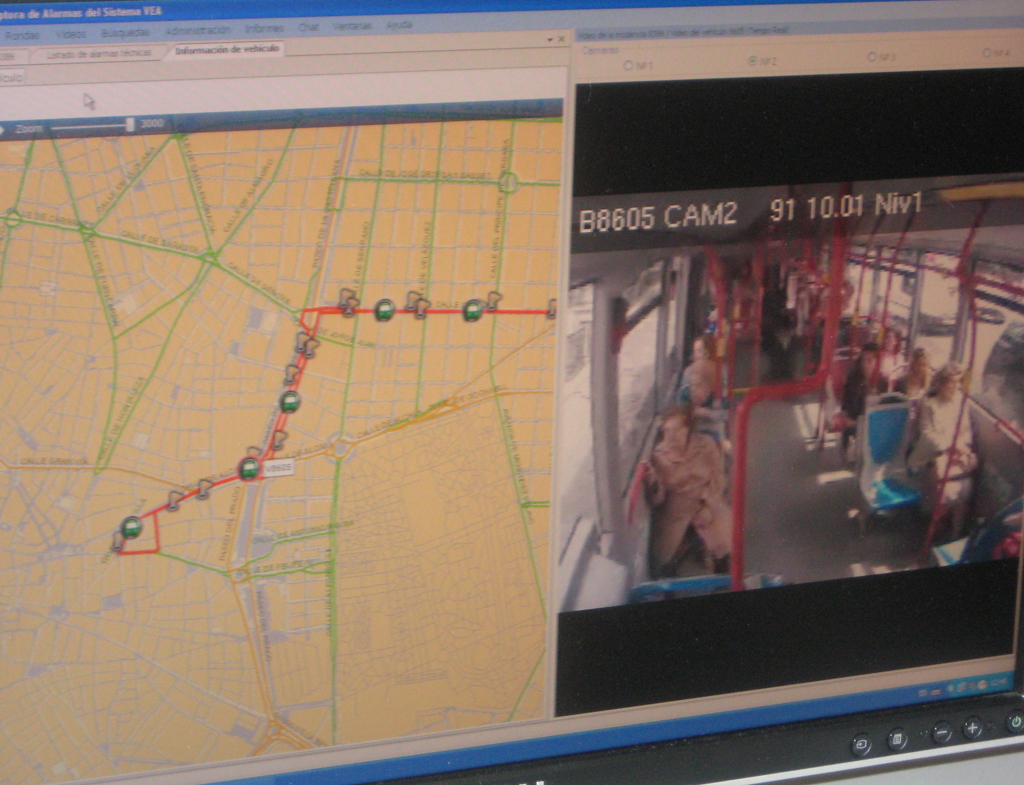
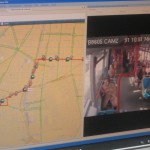
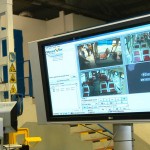
Las imágenes grabadas se almacenan en un disco duro instalado en el propio autobús y, si se produce alguna incidencia, se descargan en el centro de operaciones al terminar el servicio del vehículo. Sólo si tiene lugar algún incidente de consideración o una situación de riesgo o alerta, y siempre a criterio del conductor, éste puede pulsar un botón que automáticamente transmite las imágenes grabadas, in real time, a la Central Receptora de Alarmas (CRA) -gestionada por Segur Control, una empresa de seguridad autorizada por la Dirección General de Seguridad del Estado- que permite monitorizar toda la flota a través de vídeo en tiempo real.
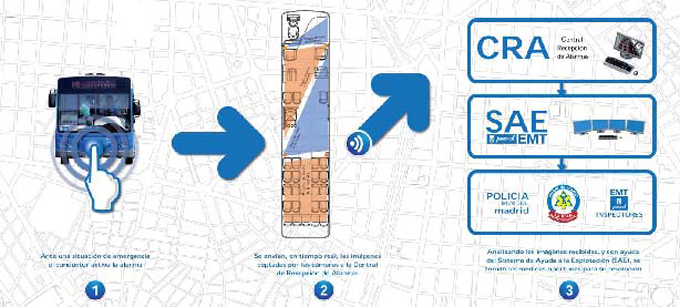
Desde ese mismo momento, la Central analiza las imágenes y, en función de la causa de alarma, lo notifica a los centros operativos competentes -la Policía Nacional o Municipal o los servicios de emergencia como Samur, Protección Civil o los Bomberos- de forma que se pueda ofrecer una respuesta inmediata y adecuada. Mientras las imágenes en el autobús se graban en media definición, cuando pasan a la Central ya van en alta, lo que les dota de más calidad y permite su utilización policial y judicial para la identificación de personas. Cada autobús también incluye GPS de manera que es sencillo localizarlo en cualquier momento. Additionally, el sistema añade la posibilidad de que los pasajeros accedan gratuitamente a Internet gracias a la instalación de puntos de acceso Wi-Fi en cada autobús.
Es importante destacar que este sistema de grabación cumple todos los requisitos establecidos por la legislación en esta materia. So, las imágenes grabadas y almacenadas en el interior del autobús se conservan por un plazo aproximado de 7 días y, una vez transcurrido el mismo, son eliminadas. However, si las imágenes han sido registradas en el Centro de Recepción de Alarmas, se conservan durante un mes como máximo, momento en el que serán destruidas, excepto que hayan sido requeridas por la Policía o por la autoridad judicial. No se graba audio -voz- de los viajeros; únicamente el conductor tiene un micrófono por el que puede comunicarse con la central en caso necesario.
Elemento disuasorio
El nuevo sistema tiene un potente efecto disuasorio o preventivo y también puede aportar agilidad y mayor eficacia a la hora de resolver emergencias sanitarias que se dan en los autobuses: caídas al subir o bajar, e incluso casos de infartos, nada extraño en un medio de transporte que transporta a un millón y medio de ciudadanos cada día laborable por término medio. A pesar de este uso intensivo, las incidencias que se registran -con intervención de los dispositivos de seguridad y denuncias o partes de lesiones-, según datos oficiales, no superan las 50 al año.
Nevertheless, hasta que se puso en marcha el proyecto VEA, la EMT no contaba con ningún sistema activo de videovigilancia en sus autobuses, que estaban expuestos a actos vandálicos o acciones contra la seguridad de viajeros y conductores. En el caso de que ocurriera algo era muy difícil identificar al responsable de los incidentes salvo que fuera cogido en el acto, lo que es difícil y no ocurría en la mayoría de las situaciones. For this reason, se decidió buscar una solución de videovigilancia embarcada que podría ayudar a la entidad de transportes madrileña a conseguir sus objetivos.
El subdirector de Tecnologías y Sistemas de Información de la Empresa Municipal de Transportes, Enrique Diego, has explained: “Durante muchos meses evaluamos diferentes modos de monitorizar eficientemente y hacer seguimiento de los posibles incidentes que pudieran llegar a producirse en nuestros autobuses. Besides, buscábamos un sistema que nos permitiera tomar decisiones rápidas sobre las acciones a seguir después de que ocurriera un incidente. Basándonos en nuestras propias experiencias y conclusiones y en las de otros proyectos similares decidimos apostar por la videovigilancia”.
Cuando la EMT hizo pública la convocatoria para el concurso público del sistema de videovigilancia recibió 13 propuestas con soluciones de diferentes fabricantes e integradores. “Durante más de 6 meses instalamos y evaluamos 10 sistemas de videovigilancia diferentes en 10 autobuses. Uno de los criterios exigidos era la capacidad de proporcionar un acceso fiable a las imágenes captadas en directo por las cámaras dentro de los autobuses. También debería ser posible integrar el sistema de videovigilancia con otros sistemas embarcados y ampliar fácilmente la solución para poder satisfacer requerimientos futuros”, ha agregado Diego.
UTE adjudicataria
Se buscaba una cámara con capacidad para proporcionar múltiples secuencias de vídeo, at least 2, una de las cuales debía ser en formato de compresión de imágenes H.264, ya que tenían que ser enviadas vía 3G a la Central Receptora de Alarmas de la EMT. Tras el proceso de evaluación, la EMT se decantó por la propuesta de la Unión Temporal de Empresas (UTE) formada por Grupo Etra, Iecisa y Plettac, que presentaron un proyecto basado en cámaras de red y codificadores de vídeo de Axis Communications, que ofrecen la disponibilidad del formato H.264 y el aumento de la capacidad del procesador de los productos Axis, el ARTPEC, que en su versión 3 permite proporcionar múltiples secuencias de vídeo simultáneas en diferentes formatos de compresión.
Durante el primer semestre de 2009 se realizaron pruebas técnicas y funcionales con el sistema VEA en un vehículo prototipo dotado de cámaras. Una vez concluidas estas pruebas, en el segundo semestre de 2009 se implantó dicho sistema en una treintena de vehículos pertenecientes a tres líneas, y desde mediados de 2011 la red de cámaras de vigilancia ya ha sido instalada en toda la flota de la EMT -2.150 vehículos-.
Casi 9.000 cámaras instaladas
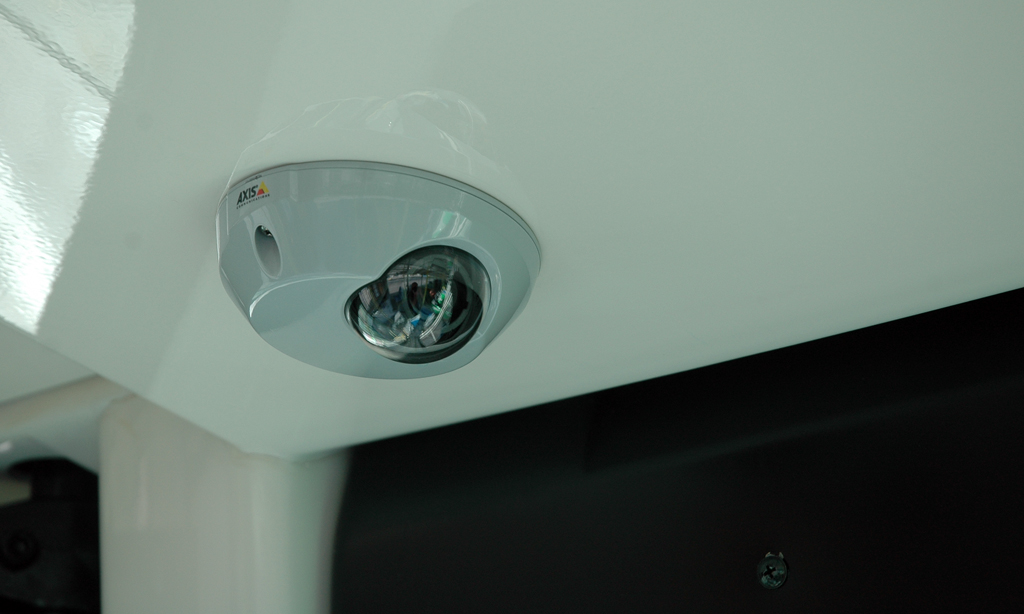
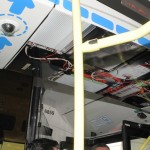
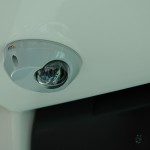
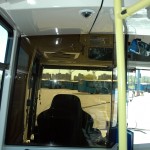
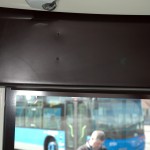
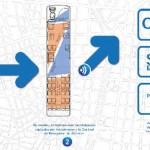
Cada autobús estándar va equipado con 4 cámaras de videovigilancia. Se pretende la captura de vídeo desde diversos ángulos del vehículo, su almacenamiento en local, procesamiento de imágenes y diversas interfaces de telecomunicaciones con los que se podrá visionar el compartimento interior de los autobuses en tiempo real y en diferido. Las cámaras van adheridas al techo del autobús y apenas son perceptibles, si uno no se fija detenidamente.
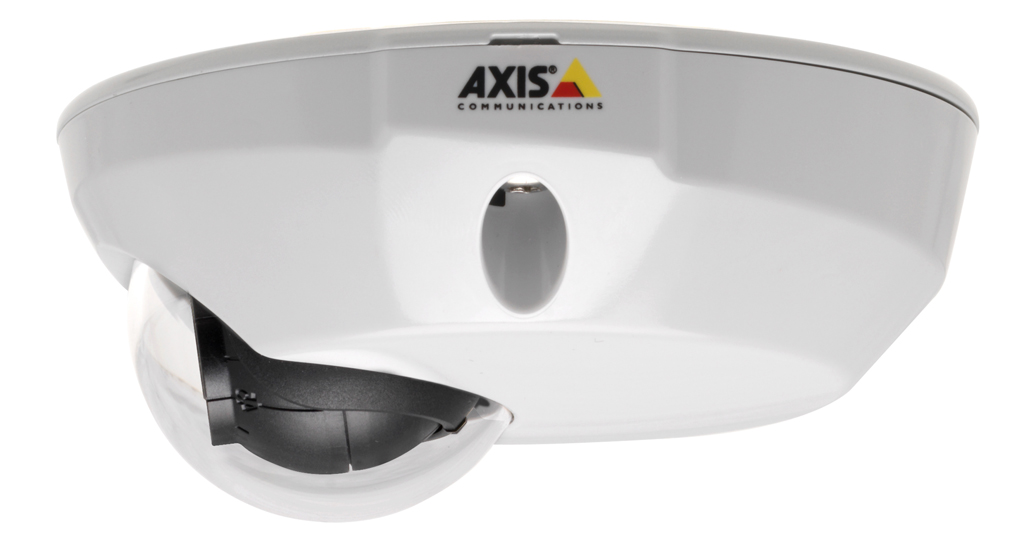
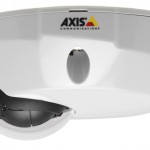
Tres de las cuatro cámaras son cámaras de red Axis M3113-R, robustas, compactas y fáciles de instalar, que proporcionan imágenes de alta resolución y han sido especialmente concebidas para su uso en sistemas de transporte terrestre de pasajeros, diseñadas para soportar el desfavorable entorno de a bordo, incluyendo resistencia a las vibraciones y a las fluctuaciones de temperatura y alarma anti-manipulación.
Bruno Azula, responsable de Cuentas Estratégicas de la firma sueca, ha señalado que “las Axis M3113-R proporcionan resolución SVGA (800×600 pixels), que ofrece el suficiente nivel de detalle como para identificar personas u objetos. Las cámaras pueden transmitir secuencias de vídeo a la máxima frecuencia de imagen en los formatos de compresión H.264 y Motion JPEG. La compresión H.264 optimiza el consumo de ancho de banda (crítico para las comunicaciones móviles 3G) y los requerimientos de almacenamiento”.
“Las Axis M3113-R incluyen un robusto conector de red RJ-45 o M12. Responden con gran celeridad ante los cambios en los niveles de luz, y consiguen obtener imágenes de objetos en movimiento con gran nitidez al emplear tecnología de barrido progresivo. Están diseñadas para que puedan instalarse de forma fácil y fiable y también soportan el estándar Power over Ethernet (que permite la alimentación eléctrica de las cámaras a través del cable de red) un solo cable es suficiente para la transmisión de corriente eléctrica y vídeo y pueden integrarse con otros dispositivos y sistemas de seguridad”, ha añadido Azula.
Axis M3113-R
• Especialmente diseñada para la videovigilancia en autobuses, trenes, vagones de metro y vehículos de emergencia
• Diseño plano y robusto
• Barrido progresivo y resolución SVGA
• Múltiples secuencias H.264 y Motion JPEG
• Instalación rápida y fiable
• Protección frente al polvo y el agua
• Alarma antimanipulación activa
Diseño personalizado
A petición de la EMT, Axis llevó a cabo un rediseño mecánico de las cámaras, permitiendo que el cable de conexión saliera verticalmente en vez de por un lateral. Este detalle es importante ya que parte de los servicios de limpieza de los autobuses se realiza con agua a presión. También se reforzaron las características antivandálicas, de aislamiento frente al agua y de resistencia al calor. Besides, aumentó la resistencia al fuego de las carcasas de protección de las cámaras. El fabricante escandinavo también desarrolló una serie de accesorios que proporcionan mejoras tanto en las posibilidades como en la sencillez de instalación de las cámaras, dotándolas de unos adaptadores especiales para poder instalarlas en zonas curvas del autobús, y creó una herramienta de ayuda para el enfoque de las cámaras.
El subdirector de Tecnologías y Sistemas de Información de la EMT ha apuntado al respecto: “Para este proyecto ha sido muy importante poder contar con un proveedor de cámaras como Axis Communications, que ha demostrado saber estar cerca de sus clientes. Han aprovechado nuestras experiencias anteriores en videovigilancia embarcada y las características de la flota de autobuses del transporte público de Madrid para desarrollar la cámara de red Axis M3113-R. Este producto se adapta perfectamente a los requerimientos y necesidades de nuestro proyecto y creemos que, dadas las similitudes que existen entre los sistemas de transporte de autobuses urbanos, puede encajar adecuadamente en la mayoría de las soluciones de video vigilancia embarcada que pueda llevarse a cabo en cualquier ciudad de España y del mundo”.
 Cámaras discretas
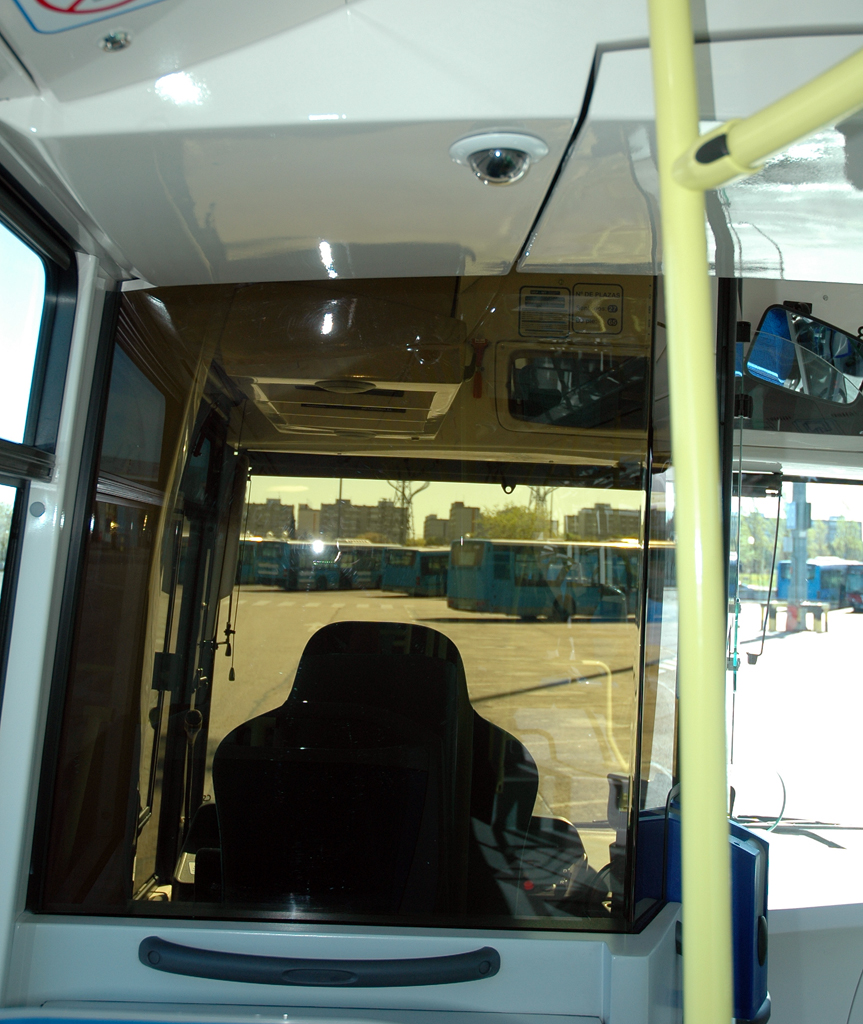
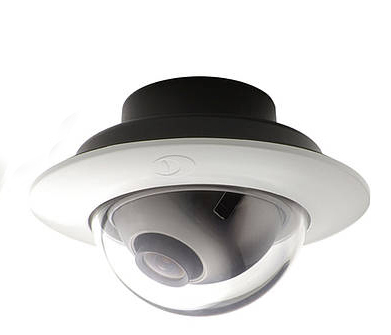
Por lo que respecta a la cuarta cámara, la que va instalada justo detrás del conductor, se decidió que incorporara capacidades de audio. Por este motivo se consideró que lo mejor es que fuera una cámara analógica y que se incluyera un codificador de vídeo con capacidades de audio para que convirtiera las imágenes analógicas y el audio al formato digital y pudieran incorporarse al sistema. La cámara analógica aporta mayor sensibilidad lumínica en escenarios de mayor oscuridad.
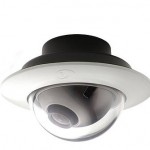
El modelo elegido fue la cámara DDF3000APV Picodome de Dallmeier para montaje empotrado, con burbuja transparente y objetivo monofocal de alta resolución. La DDF3000APV es un minidomo muy pequeño y compacto con un diámetro de sólo 94 mm., protección antivandálica y rango dinámico ultra-amplio. La cámara se integra perfectamente en la arquitectura existente del autobús y está instalada de forma discreta empotrada en el techo, pintado en blanco, por lo que el arco blanco del Picodome se adapta perfectamente. Nevertheless, el tamaño pequeño y la construcción compacta no son las únicas ventajas: gracias a la tecnología Cam_inPIX, el Picodome proporciona imágenes nítidas con mucho contraste y fidelidad en el color incluso bajo las condiciones de luz más difíciles.
Dallmeier DDF3000APV
• Resolución horizontal: 540 TV lines
• Sensor de imágenes DPS de 1/3” con tecnología Cam_inPIX
• Chipset Digital Pixel System
• Procesamiento digital de señales de 17 bits
• Alta sensibilidad luminosa a F1.4, 50IRE: 1,0 lux
• Captura de imágen: barrido progresivo
• Transmisión de imágen: progresivo con cuadros segmentados (PsF)
• Revestimiento del objetivo con capas de corte IR
• Reducción de ruido avanzada
• Optimización de la calidad de imagen a través de numerosas funciones de control, como AWB, AGC, BLC y obturador lento avanzado
• Objetivo monofocal a F1.4/ f=3,6mm
• Configuración a través de comandos UTC
• Carcasa compacta y protegida contra vandalismo con IP66
• PPL (push, point y lock para la orientación fácil)
• Verificado según DIN EN 50130-4
Calidad de vídeo
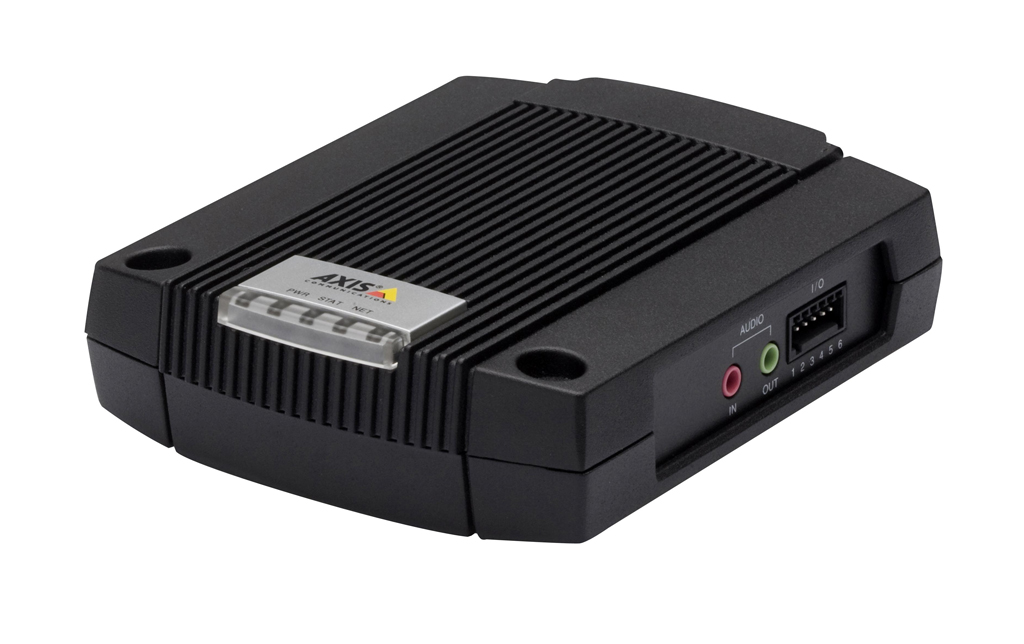
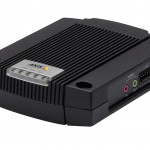
Está cámara se comunica con un codificador Axis Q7401, una solución de alto rendimiento de un único canal que integra una cámara analógica en un sistema de videovigilancia basado en IP. Gracias a sus capacidades de procesamiento de vídeo, el Axis Q7401 ofrece una calidad de vídeo superior y permite ahorrar en ancho de banda y almacenamiento.
El Axis Q7401 ofrece el sistema de compresión de vídeo de gran eficiencia H.264, que reduce de manera drástica los requisitos de ancho de banda y almacenamiento sin que la calidad de imagen se vea afectada. Para una mayor flexibilidad, también es compatible con Motion JPEG. El Axis Q7401 puede proporcionar múltiples secuencias de vídeo simultáneas y configurables individualmente a frecuencia de imagen máxima en todas las resoluciones, hasta D1 (720 x 480 píxeles en NTSC, 720 x 576 píxeles en PAL). Esto significa que las diversas secuencias de vídeo se pueden configurar con diferentes formatos de compresión, resoluciones y frecuencias de imagen según se necesite.
El codificador de vídeo también permite a los usuarios ajustar parámetros de imagen como el contraste, el brillo y la saturación para mejorar las imágenes antes de que se realice la codificación.
El Axis Q7401 incluye funciones inteligentes como detección de movimiento mejorada, alarma de manipulación activa y detección de sonido. Las entradas y salidas externas del codificador se pueden conectar a dispositivos como sensores y relés, lo que permite que el sistema reaccione a alarmas y, For example, active luces o abra/cierre puertas.
La compatibilidad con Power over Ethernet (IEEE802.3af) permite que la unidad y la cámara analógica a la que está conectada reciba la alimentación eléctrica usando el mismo cable que se utiliza para la transmisión de datos. Esto facilita la instalación, ya que no es necesario que haya una toma de corriente cercana. In addition, el Axis Q7401 dispone de sonido bidireccional y una ranura para tarjeta de memoria SD/SDHC para el almacenamiento local.
Axis Q7401
• Calidad de vídeo sobresaliente
• Varias secuencias H.264
• Ajustes de configuración de imagen
• Funciones de vídeo inteligente
• Alimentación a través de Ethernet
• Soporte de audio
• Almacenamiento local
El nuevo sistema de videovigilancia de los autobuses de la EMT de Madrid no sólo ha ayudado a reducir costes de respuesta a incidentes. También ha proporcionado a la EMT una herramienta de seguridad eficaz para prevenir posibles delitos e investigar los incidentes acaecidos en esta red de transporte. “La videovigilancia embarcada nos está permitiendo identificar a las personas que provocan los incidentes y la evidencia de cualquier acción delictiva se graba y se puede usar como factor convincente en acciones legales. Estimamos que los costes anuales asociados al vandalismo y a la eliminación de grafitis representan unos 600.000 €, una cifra que esperamos se vaya reduciendo de forma considerable. Al mismo tiempo consideramos que el mantener nuestros autobuses seguros hace que atraigamos más pasajeros y aumente su nivel de satisfacción con el servicio que les prestamos”, ha concluido Enrique Diego.
Customer:
Empresa Municipal de Transportes (EMT) from Madrid
Integrator:
U.T.E. VEA (Grupo Etra, Iecisa y Plettac)
Proveedores:
Axis Communications y Dallmeier
Soluciones:
Cámaras Axis M3113-R y Dallmeier DDF3000APV y codificador Axis Q7401
[youtube]http://www.youtube.com/watch?v=oIvBm41y5sA[/youtube]
Galería
(clicar en cualquier foto para iniciar carrousel -desplazamiento a derecha e izquierda pinchando sobre la flecha-)
Did you like this article?
Subscribe to our NEWSLETTER and you won't miss anything.
Related articles
 Holographic technology reaches urban outdoor advertising media
 Sony IP cameras monitor the New York marathon route
Dallmeier DDF4320HD-DN y DDF4520HDV-DN, cámaras domo HD híbridas que vigilan incluso en penumbras
Sony IP cameras monitor the New York marathon route
Dallmeier DDF4320HD-DN y DDF4520HDV-DN, cámaras domo HD híbridas que vigilan incluso en penumbras
 Medialab-Prado turns Madrid into a screen of solid interfaces and urban digital games
 The eyes of ants inspire the new generation of video surveillance cameras
 Caracas cuenta ya con más de medio millar de cámaras que vigilan sus calles
 Un panel con 19.000 ojos que se van cerrando para concienciar sobre la mortalidad infantil
 Fujitsu crea la tecnología de seguimientos de los ojos ‘Eye Tracking’
 The South Bus Station of Madrid opens a giant screen
 La Tierra vista a través de los ojos de un astronauta en el Orbitarium de Technorama
 Barcelona opens a new space to see Gaudí “with other eyes”
 Dos cámaras de Mobotix vigilan una exposición de arte de la Universidad Politécnica de Valencia
 Barcelona will have interactive information screens on the new urban bus network
 High-performance video walls keep watch’ Mexico DF