


El Hospital de St. Richard incorpora la tecnología OLED de Sony en sus quirófanos
Los monitores OLED Sony PVM-2551MD, que se han instalado en el Hospital de St Richard sustituyendo a los antiguos LCD, incorporan la tecnología Trismaster EL muy indicada para mejorar la visualización en intervenciones quirúrgicas.
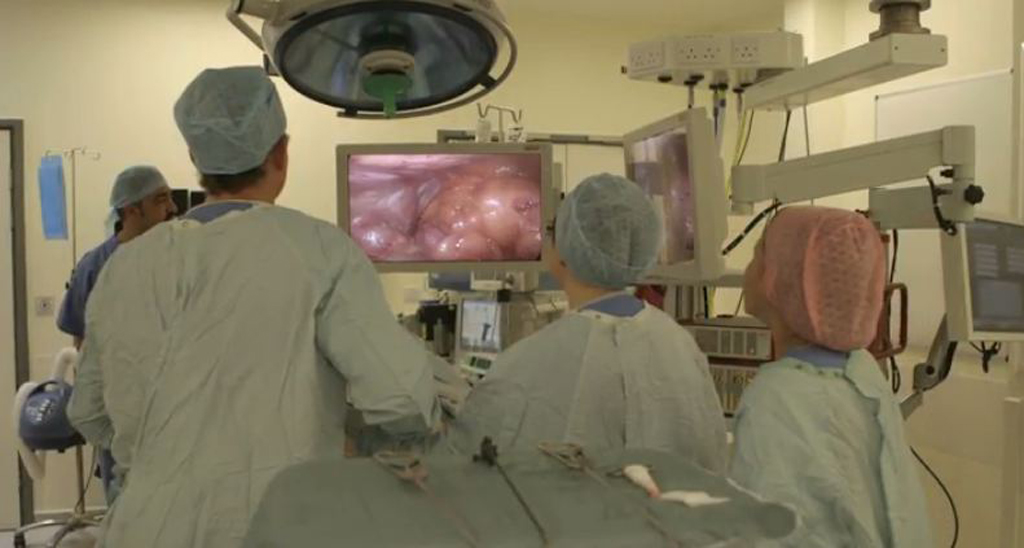
El hospital St. Richard’s (SRH) en Chichester ha incorporado a su infraestructura tecnológica los monitores OLED de 25 inches Sony PVM-2551MD con objeto de sustituir los antiguos equipos LCD. Se trata de un proceso de actualización de las herramientas que utilizaban en la cirugía laparoscópica y también representa la primera solución de este tipo en el sector médico que utiliza la tecnología Trimaster El de Sony para mejorar la visualización en las cirugías.
El cirujano jefe del SRN, Guy Slater, y su equipo fueron los primeros en probar las pantallas y en obsevar la calidad de contraste, prácticamente sin desenfoques, y una reproducción del color más fiel en comparación con las pantallas LCD.
El Hospital St Richard’s es un hospital general de distrito (DGH) de tamaño medio ubicado en Chichester (West Sussex – England). Cuenta con uno de los departamentos de cirugía bariátrica más avanzados del Reino Unido y está especializado en tratamientos de reducción de peso para pacientes con obesidad. El servicio se estableció en el Hospital St Richard’s en mayo de 2006 y hoy tiene más de 200 pacientes al año.
El departamento de cirugía bariátrica del SRH es el que cuenta con el mayor flujo de pacientes del Reino Unido. El doctor Slater opera a una media de entre 150 y 200 pacientes al año, and the 95% de la cirugía que realiza es laparoscópica, realizada mediante monitores y trocares. For this reason, se precisaba de una solución tecnológica que les permitiese distinguir las más mínimas diferencias entre los tejidos y los vasos sanguíneos que pudieran afectar al resultado de una operación de reducción de peso.
Tras comprobar las ventajas de la tecnología OLED, para el Dr. Slater sería dar un paso atrás. “Ahora puedo ver mejor las estructuras para realizar una cirugía con más precisión”.
El Hospital St Richard’s necesitaba una solución que ofreciese a los cirujanos imágenes de mayor calidad y Sony ofreció al SRH cuatro monitores PVM-2551MD que combinan la resolución Full HD (1920 x 1080 pixels) con el procesamiento de señal de 10 bits, asegurando la máxima precisión cromática y calidad de imagen.
Los monitores OLED se emplean particularmente en endoscopias rígidas y flexibles, así como en procedimientos con microscopio quirúrgico ya que permiten al cirujano ver las diferencias mínimas en los tejidos en condiciones de poca iluminación. Los monitores OLED de Sony aportan el máximo nivel de resolución y precisión en la reproducción de imágenes.
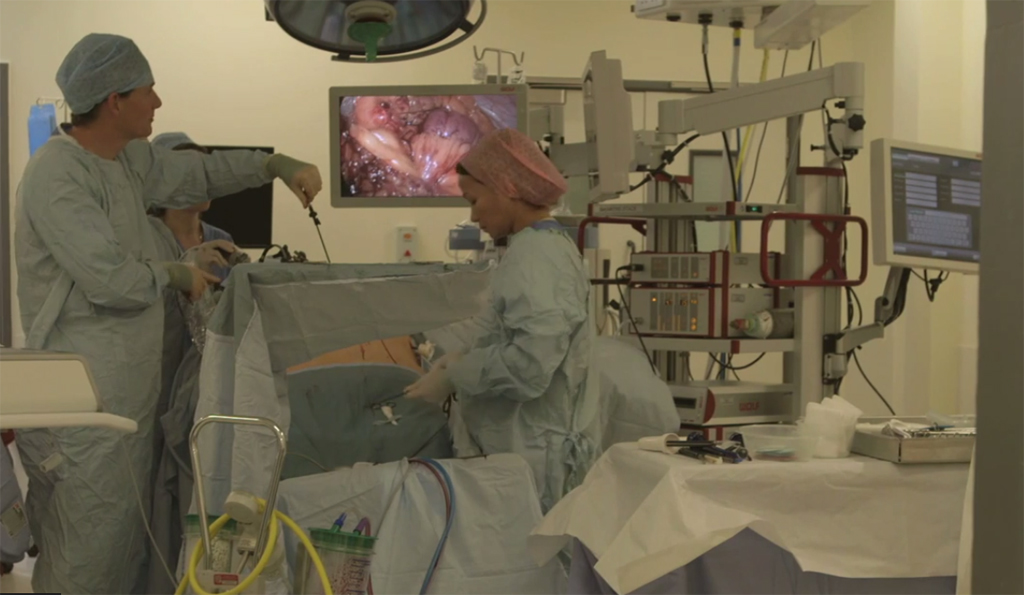
Práctica y formación
SRH necesitaba una solución tecnológica revolucionaria que les permitiese intervenir con eficiencia y ayudase a formar a sus estudiantes con eficacia para ofrecer los mejores procedimientos en cirugía bariátrica, además de ayudarles a desarrollar sus propias técnicas de intervención.
Sony les proporcionó la mejor solución tecnológica para satisfacer esas necesidades, además de su asesoramiento, sin duda uno de los factores decisivos para que SRH se decidiera a invertir en OLED.
SRH decidió realizar la transición de sus monitores LCD a los OLED de Sony como parte de un proceso de actualización de las herramientas que utilizaban en la cirugía laparoscópica. El hospital tuvo la oportunidad de comparar ambos monitores y descubrió que la tecnología OLED de Sony proporcionaba la imagen más clara posible para trabajar de forma rápida y eficaz, y de esta forma mejorar la precisión de la cirugía.
Impacto de la tecnología OLED
En lo referente al impacto significativo que ha tenido la introducción de la tecnología OLED, el doctor Salter explica como con ella se consigue que “la cirugía sea más sencilla, más precisa y mucho menos estresante. In my opinion, reporta tres tipos de ventajas: procesa mejor el color, lo que posibilita que la cirugía sea más precisa. La velocidad con la que la imagen puede procesar el movimiento es excelente, ya que se mantiene nítida al mover el telescopio por el abdomen. La tecnología OLED permite trabajar con poca iluminación, especialmente cuando se producen sangrados y, therefore, con más precisión a pesar de que las condiciones no sean las más adecuadas”.
[youtube]http://www.youtube.com/watch?v=y5ae_8V0Mko[/youtube]
Did you like this article?
Subscribe to our NEWSLETTER and you won't miss anything.
Related articles
 Sony y RIWOlink aúnan tecnologías para la transformación digital de quirófanos
 Sony Bravia screens facilitate communication at the Erasmus MC hospital
 Panasonic incorporates the HCX Pro intelligent processor into its new OLED TV range
 Sony begins marketing its A8 OLED 4K HDR range
 MCR incorporates Sony's professional solutions into its portfolio
 LG adds touch functionality to its Transparent OLED screen
 Sony adds 8K Full Array Led and 4K OLED equipment to its range of televisions
 Sony reinforces its Media Solutions division in Europe with the experience of Richard Scott
 Richard Heslett, Christie: “Tenemos margen de crecimiento en interactividad, 4K/UHD, OLED o LED de baja distancia de píxel”
 Sony 3LCD projection technology is integrated into AV infrastructure at St.. Antonius
 Sony incorpora nuevos monitores profesionales OLED Trimaster EL de 25 y 17 pulgadas de fácil transporte
 Panasonic and Sony join forces to manufacture screens with OLED technology
 CB Richard Ellis incorpora en sus oficinas directorios digitales interactivos
 Is the CRT coming to an end??: Sony's new OLED monitors arrive