





Genelec brings audio over IP to the present with the SAM studio monitor 8430
This equipment is destined to become the ideal tool for AoIP systems in recording studios, post-production, digital editing rooms, radio and television broadcasting.
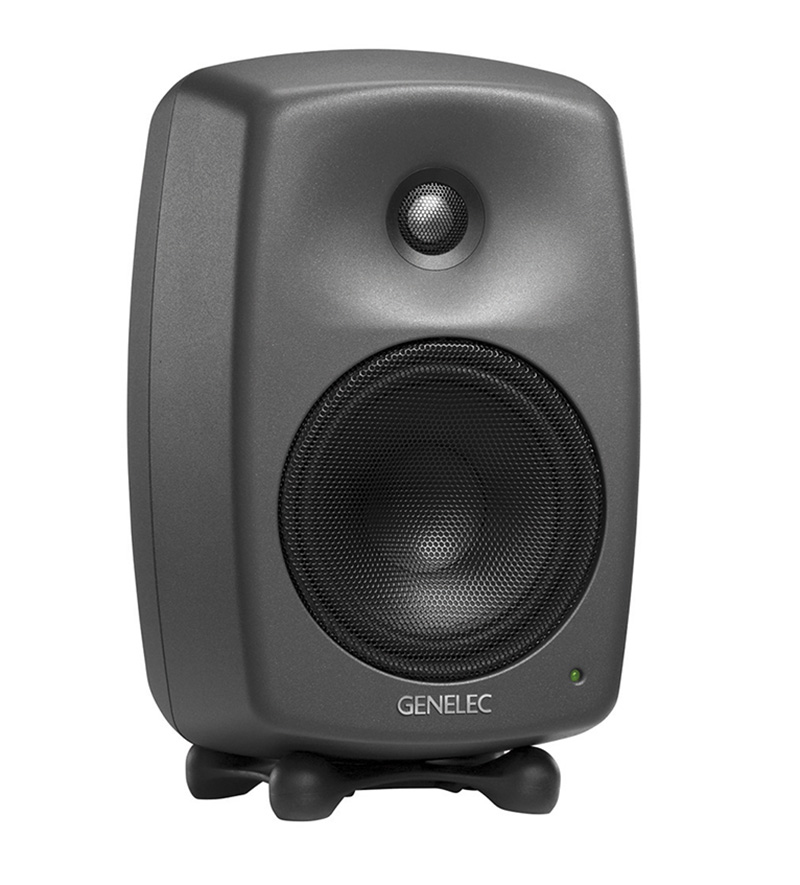 He 8430 is the culmination of many years of research and development by Genelec, whose brand sells Lexon Distribution, in AoIP technology that combines a wide variety of connectivity options. It is possible to input the signal into the monitor in AES67 format, the industry AoIP standard, through the RJ45 connector housed in an XLR or input standard analog signal through a balanced XLR connector.
“At Genelec we believe that audio over IP networks, using systems fully compatible with open global standards, is the correct way, reliable and solid to meet the future needs of the professional audio market. With the 8430 we are one step closer to this reality. With the technological advances that have been made in this field and the interest in AoIP, we believe that there is potential for a well-designed monitor that provides all the advantages and features that IP networks can offer.. Audio over IP is no longer the future of monitoring, “It is the present.”, says Siamäk Naghian, director general de Genelec.
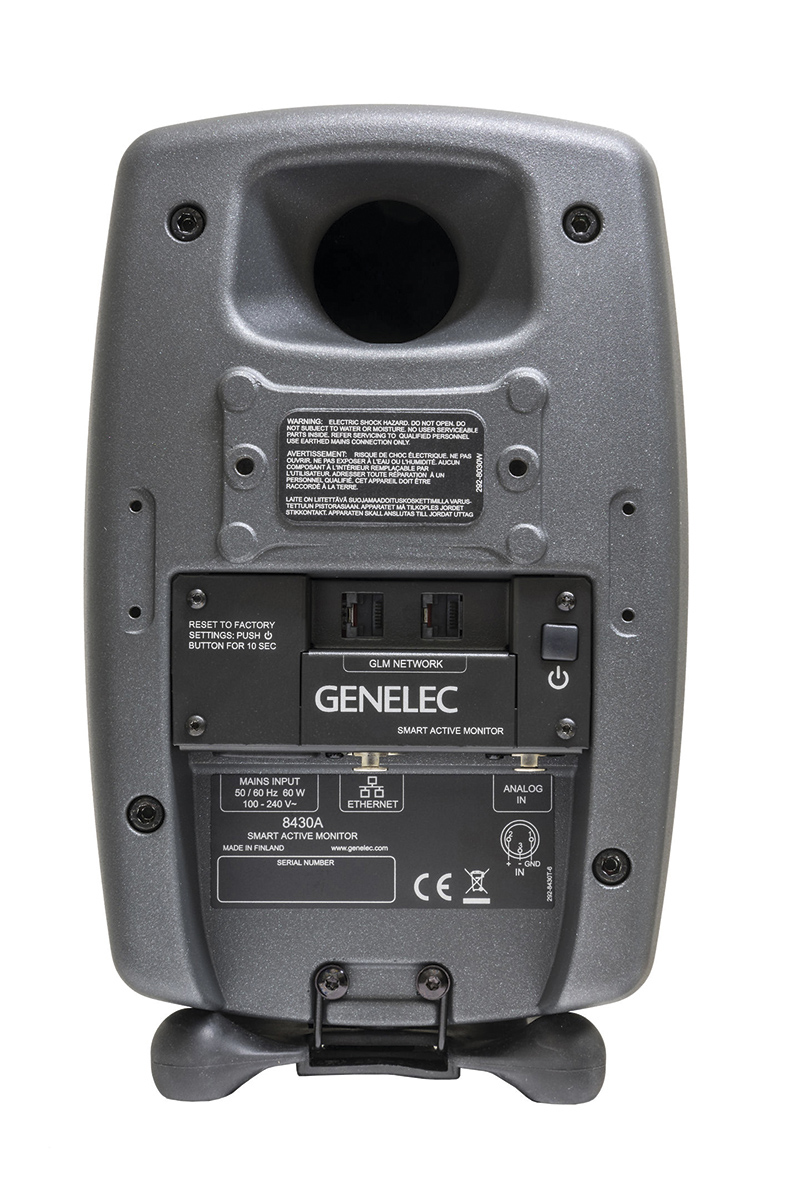 As a product belonging to the Genelec SAM series, he 8430 shares the same electroacoustic characteristics, What are MDE and DCW technologies like?, a flow-optimized reflex port, extremely low distortion, a high SPL and a very wide frequency response, devoid of any type of coloration. All this in a very compact enclosure.
Besides, as a member of the SAM series, he 8430 It is also compatible with Genelec Loudspeaker Manager control software (GLM 2.0), which allows you to adjust all the monitor's operating parameters and exercise full control over the monitoring system.
As a central part of GLM, Intelligent AutoCal technology improves monitoring accuracy by compensating for deficiencies in the listening environment.
After an automatic calibration, based on one or more listening positions, all system components play at the same level, eliminating all acoustic colorations from the monitors' response, leaving a sound with high consistency and a neutral sound image.
Did you like this article?
Subscribe to our NEWSLETTER and you won't miss anything.
Related articles
 Zentralmedia brings the new KRK Kreate studio monitors to Spain
 Genelec expands its Unio platform with 9401A for audio over IP connectivity
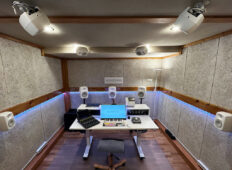 Sonobox equips your studio with Genelec SAM monitors
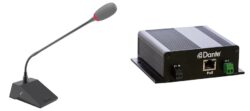 AVIT Vision brings Hosteex audio over IP solutions to Spain
 Sound Rush designs its studio with Genelec audio technology
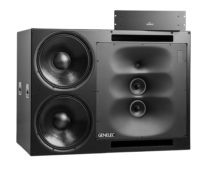 Genelec Maintains Breakthrough Performance with 1235A Smart Monitor
 David Guetta updates the sound of his studio in Ibiza with Genelec
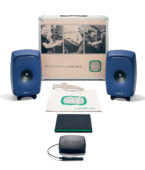 Genelec celebra are 40 anniversary with limited edition monitor 8341
 Genelec 8430 Receives recognition from the sound industry as best studio monitor
 Macroservice brings to Spain the 70” multi-touch monitor for interactive digital signage from Elo Touch
 Macroservice brings the Elo 5501LT interactive digital signage monitor to Spain
Slate Digital brings the future of microphones to the present with its VMS system
Experts from the audiovisual sector will debate their present and future at Broadcast IT Experience
Macroservice brings the Elo 5501LT interactive digital signage monitor to Spain
Slate Digital brings the future of microphones to the present with its VMS system
Experts from the audiovisual sector will debate their present and future at Broadcast IT Experience
 Sharp brings to Europe its touch monitor with Igzo technology and 4K resolution for designers and creatives