


Beabloo analiza cinco estrategias de marketing digital que el retailer debe aplicar
Definitely, la omnicanalidad es la tendencia estrella del mundo del retail, pero no es la única, tal y como el especialista español en marketing digital analiza en este artículo, en el que apunta nuevas tecnologías que el minorista puede desplegar para personalizar y optimizar cada ciclo de compra.

El especialista en marketing digital Beabloo señala que los consumidores apostarán a lo largo de este año por compañías que aprovechen las últimas tecnologías para personalizar y optimizar cada paso del ciclo de compra y les ofrezcan experiencias únicas. For this reason, esta compañía destaca a continuación cinco tendencias que los retailers deben tener en cuenta para dar la respuesta deseada a sus clientes.
Omnicanalidad: integrar las estrategias de venta online y offline
La tecnología móvil se ha convertido en una pieza fundamental del ciclo de compra y, hoy en día, es cada vez menos frecuente que un cliente supere todas las fases del proceso en un único canal. El año pasado se consolidaron prácticas como, For example, showrooming y webrooming, y es necesario trabajar en la convergencia online y offline.
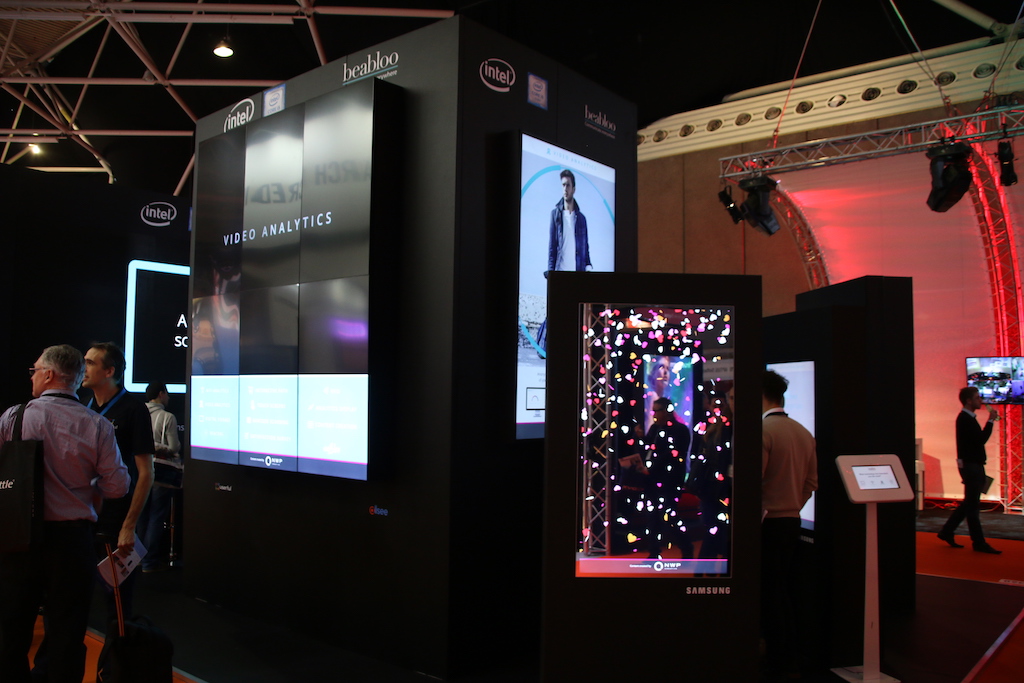 Precisely, gracias a sus dispositivos móviles los consumidores pueden asesorarse en comercios físicos mientras comparan los precios que ofrecen establecimientos cercanos o plataformas de e-commerce, así como conocer en Internet la opinión que otros usuarios tienen de un producto o servicio antes de adquirirlo en una tienda.
Los retailers que quieran ser más competitivos y fortalecer el vínculo con sus clientes, deben alinear la estrategia comercial de todos sus canales y ofrecer una experiencia de compra continua, cohesionada y multipantalla. Los consumidores deben percibir la misma imagen de marca en las tiendas físicas que en los canales digitales (página web, plataforma de e-commerce, aplicación móvil, perfiles sociales, etc.) y recorrer cada fase del ciclo de compra al ritmo y en el entorno (online u offline) que más les convenga.
Experiencias de compra únicas
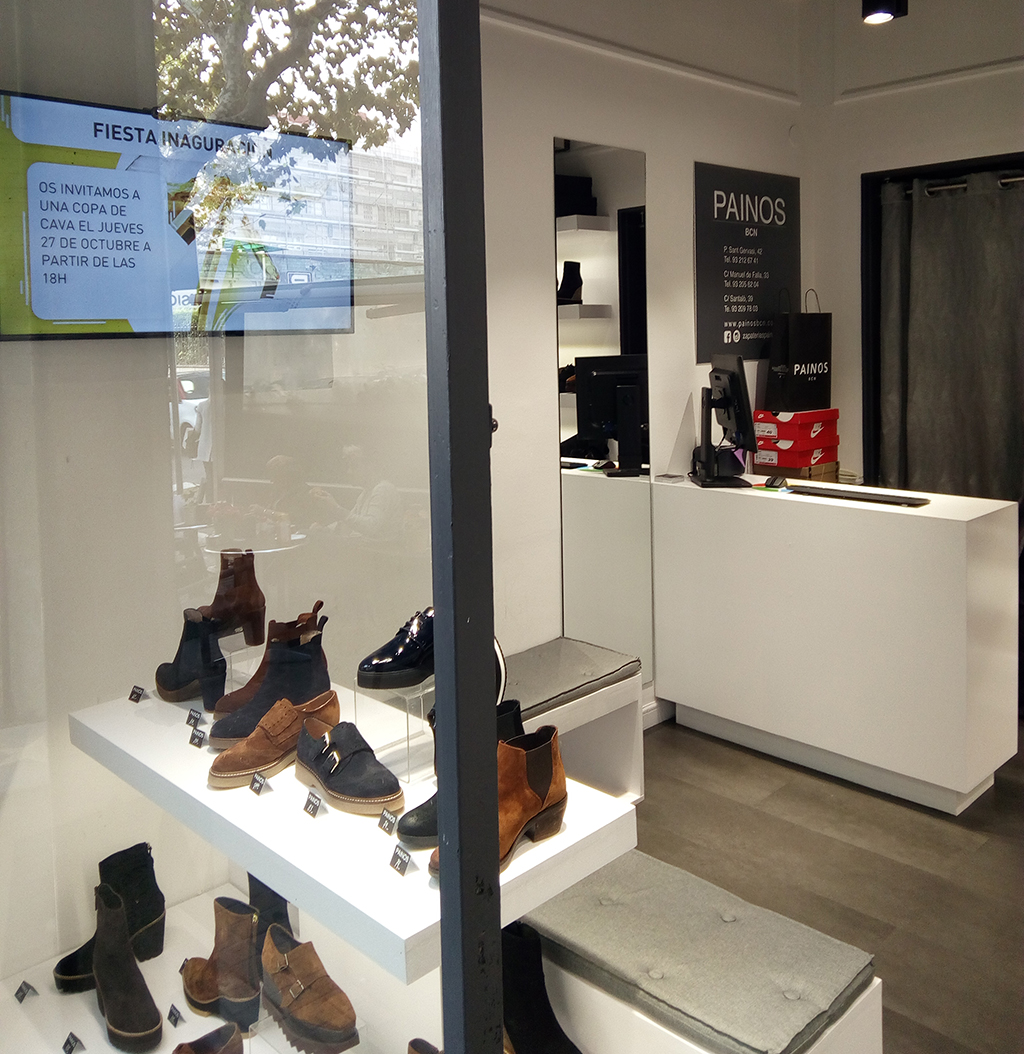 La irrupción de tecnologías como Internet de las Cosas (IoT), augmented reality, artificial intelligence, etc. han fomentado la introducción de innovadoras mejoras en la experiencia de compra offline, disfrutando de un nivel de personalización similar al de una tienda online.
Algunas de las soluciones desarrolladas con dichas tecnologías que se han adoptado en los establecimientos son las pantallas de digital signage con software de reconocimiento facial, que adaptan los mensajes que se muestran en función de la edad y el género de la persona que lo visualiza.
Otra solución son los denominados probadores inteligentes, dotados con pantallas táctiles de autoservicio, desde donde revisar el catálogo y hacer peticiones al personal de la tienda; así como los sistemas de realidad aumentada para obtener una vista previa de un producto en 3D antes de comprarlo, o el despliegue de beacons, dispositivos de comunicación que muchos retailers usan para enviar mensajes personalizados a los compradores que están dentro o cerca de uno de sus establecimientos.
Analítica de Big Data
 Cada vez es más frecuente que empresas del sector retail, principalmente las grandes cadenas, apliquen la analítica de Big Data para conocer mejor a sus clientes.
Los sistemas WiFi o video analytics permiten capturar y analizar en establecimientos físicos prácticamente los mismos datos que recogen las plataformas de analítica web, como Google Analytics, en las tiendas online.
La analítica de Big Data ayuda así a predecir y detectar tendencias y proporciona información muy valiosa para afinar al máximo las estrategias comerciales, anticiparse a las necesidades de los clientes y ofrecerles información y ofertas personalizadas en función de su perfil sin vulnerar su privacidad.
Personal más conectado e informado
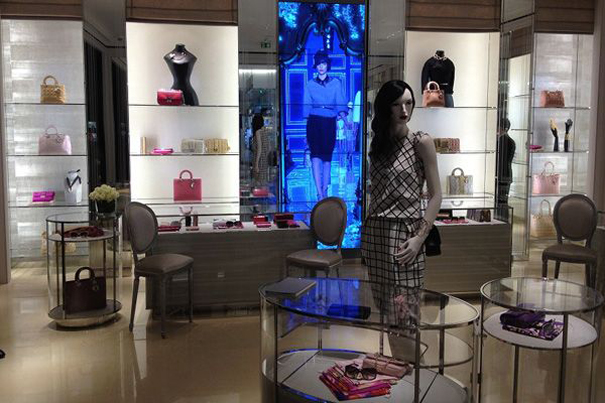 Gracias las tablets y wearables, cada vez más utilizados en retail, el personal de una tienda puede dar respuesta inmediata a las consultas y demandas de los clientes y ganar eficiencia en su operativa diaria. Con estos dispositivos puede consultar el stock en todo momento, saber si un producto se encuentra disponible en otros establecimientos de la cadena o incluso efectuar pedidos en línea.
En el caso de las tiendas de moda, si se vinculan los probadores inteligentes a los wearables de los empleados, estos recibirán notificaciones cada vez que un consumidor tenga alguna duda o necesite ayuda, lo que incrementa la experiencia de compra y la fidelización del cliente, con una relación coste-efectividad muy positiva.
Besides, con las herramientas de colaboración en la nube los empleados (tanto en tienda como en las oficinas) pueden consultar y modificar en tiempo real (según el rol de seguridad asignado), documentos de las diversas áreas que integran el negocio: inventario, facturas, pedidos, etc.
Consolidación de los sistemas de pago móvil
 En línea con lo anterior, se ha comprobado que las tiendas que permiten efectuar pagos a través del móvil, muy utilizado entre la población joven, fomentan una mejor relación con sus clientes. El desarrollo de una aplicación móvil exclusiva puede ser una herramienta de gran valor añadido para la atención postventa.
Besides, los sistemas contactless o NFC aportan un rasgo diferencial a los comercios y evitan que los clientes abandonen un establecimiento físico en búsqueda de la inmediatez de compra que ofrecen las plataformas digitales.
Did you like this article?
Subscribe to our NEWSLETTER and you won't miss anything.
Related articles
 Beabloo culmina su fusión con Metriplica para ser un referente en marketing analítico digital
 Cepsa analyzes the needs and behavior of its clients thanks to digital signage
 Beabloo Wi-Fi Customer Insight analiza las interacciones online de los clientes en la tienda
 Beabloo aúna cartelería digital y vídeo analítica para retail con Dynamic Digital Signage
 Beabloo integrates and certifies the new Advantech player with its omnichannel marketing
 Beabloo explicará sus avances en marketing digital y soluciones analíticas en ISE 2018
 Beabloo and Yipled join technologies to offer digital marketing and Led display solutions
Beabloo integrates with WeChat to develop proximity marketing campaigns
Beabloo and Moca show how digital and proximity marketing help the sports retail market
Beabloo suma a su red de partners de marketing digital a MKG Soluciones
Beabloo shows at ISE 2015 digital marketing and audience measurement tools for the point of sale
Beabloo: aplicaciones de marketing digital geolocalizado para el transporte público
Beabloo and Yipled join technologies to offer digital marketing and Led display solutions
Beabloo integrates with WeChat to develop proximity marketing campaigns
Beabloo and Moca show how digital and proximity marketing help the sports retail market
Beabloo suma a su red de partners de marketing digital a MKG Soluciones
Beabloo shows at ISE 2015 digital marketing and audience measurement tools for the point of sale
Beabloo: aplicaciones de marketing digital geolocalizado para el transporte público
 Beabloo shows at EIBTM 2013 the advantages of your audience measurement and digital marketing solutions
 Beabloo presentará en el Simposium 2013 de Ingram Micro sus novedades en marketing digital y digital signage