


The technology, protagonist in the 21st century class
In this article, Dick de Vaal, CEO de P2M/wePresent, pone de relieve las bases que marcarán el camino de lo que serán los centros formativos del futuro. Algunos ya han comenzado a modernizarse y han optado por espacios de colaboración flexibles que se adaptan a diferentes usos y necesidades.

¿Cómo está cambiando la forma de aprender en el aula del siglo XXI? Really, la evolución está siendo muy importante. At the moment, se crean entornos centrados en facilitar el aprendizaje de las habilidades necesarias para conseguir el éxito a largo de todas las facetas de la vida. Es un entorno donde los estudiantes interiorizan las necesidades que demanda el ambiente de trabajo moderno: recursos en cuanto al pensamiento crítico, colaboración real y eficacia en la comunicación.
Los líderes de la innovación en el sector educativo buscan ir un paso más allá y han comenzado a implementar nuevas estrategias que rompen con los métodos tradicionales. Esta nueva fórmula de aprendizaje se centra cien por cien en los estudiantes, los cuales lideran su día a día en el camino hacia su propio conocimiento.
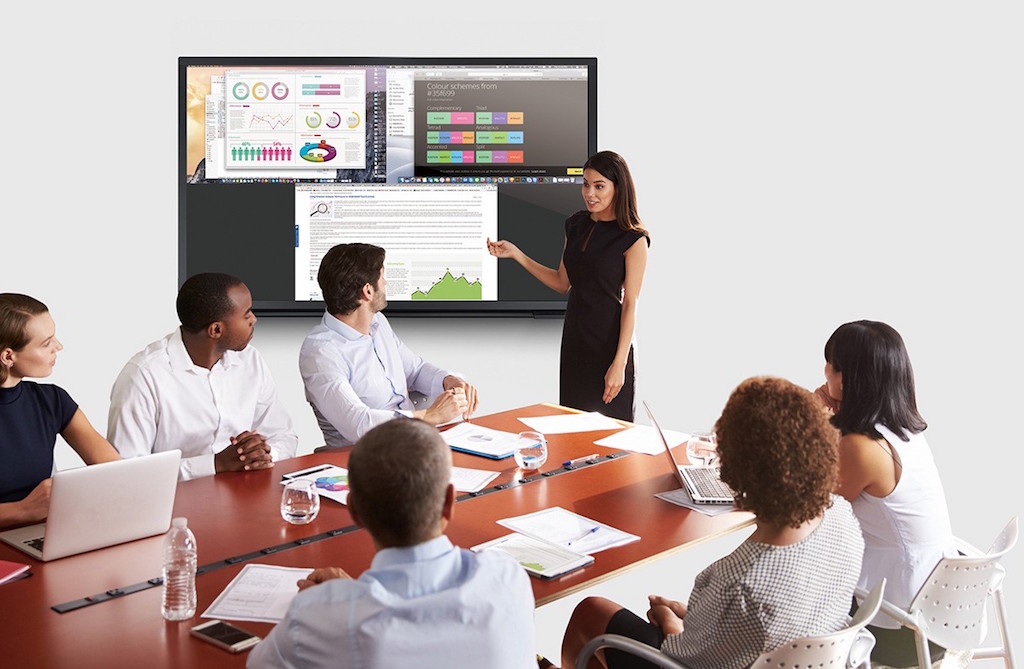
Adaptarse al aula moderna no es un camino de rosas
Escuelas e instituciones se han encontrado con la necesidad de buscar soluciones únicas para crear espacios de aprendizaje que se adapten realmente a las necesidades de estos nuevos estilos educativos.
Hasta ahora simplemente se instalaban algunas tecnologías básicas como pizarras interactivas, cámaras para documentos o sistemas de captura de conferencias, pero si lo que realmente se busca es equipar satisfactoriamente las salas de aprendizaje actuales, con esto no es suficiente.
Los entornos verdaderamente diseñados para la enseñanza del siglo XXI requieren una adaptación específica sobre el terreno en todos los aspectos, adaptando desde la proyección de imágenes en superficies hasta las necesidades a nivel de mobiliario o instalación eléctrica.
Los actuales entornos didácticos requieren una planificación exclusiva, un realineamiento presupuestario y un enfoque en tecnologías de mayor valor para proporcionar espacios que sean realmente efectivos para la educación moderna. Algunos centros han optado por espacios de colaboración flexibles que pueden adoptar diferentes estructuras según las necesidades de estilo de cada materia y a los requerimientos de la evolución de los alumnos.
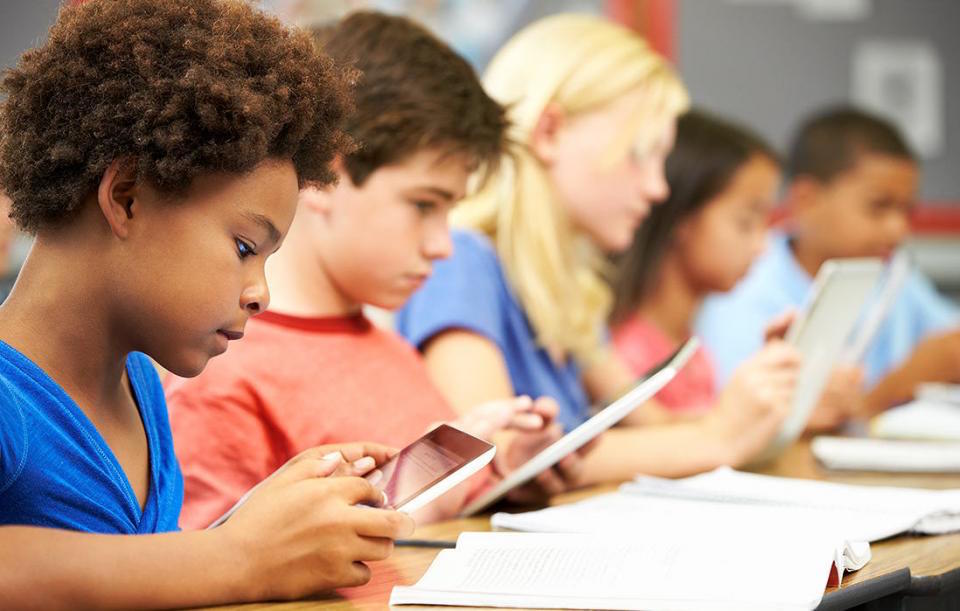
La diferenciación está en la tecnología y su aplicación
En el mundo real ya existen a día de hoy entornos flexibles y bien adaptados. Un buen ejemplo es ‘The Circle’, en la University of Western Australia’s (UWA) Reid Library, la primera del estado establecida en 1911.
La alta preparación de sus alumnos ha hecho que se la reconozca como una de las más potentes del país y desde 2012 aparece en el top 1% de universidades según el Times Higher Education World University Rankings y los rankings QS.
The Circle es un espacio único. Ubicada en la planta baja de la Biblioteca Reid se encuentra una sala circular con paredes de vidrio moderno.
Concebido para albergar exposiciones, seminarios u otros eventos, The Circle es un espacio altamente adaptable que puede albergar hasta 60 personas y que permite muchas configuraciones de asientos para facilitar el aprendizaje. Esta sala se adapta con toda naturalidad a los diferentes escenarios requeridos en la enseñanza como grupos de debate o actividades de colaboración.
Está claro que la tecnología es el elemento clave que permite crear estos novedosos ambientes del aula del siglo XXI, que necesitan continuamente adaptarse y modificar con el uso de cada grupo. En el caso de UWA han implementado por supuesto la tecnología audiovisual para ayudar a disponer de flexibilidad real en la sala. Ofreciendo altavoces incorporados, conexiones de datos para dispositivos de usuario, proyectores y una solución de presentación inalámbrica que ha hecho realidad wePresent.
Revolucionar los entornos lectivos es una preocupación y una necesidad creciente para las instituciones educativas de todo el mundo. Así pues, los centros necesitan considerar un cambio hacia el aula del siglo XXI y cerrar la brecha entre las aulas tradicionales y los espacios educativos del futuro.
Dick de Vaal
CEO de P2M/wePresent

Did you like this article?
Subscribe to our NEWSLETTER and you won't miss anything.
Related articles
 Claypaky celebrates half a century of history in LDI 2025
 Arec combina tradición y tecnología en la nueva clase de caligrafía de la NCCU
 TEC y TU Delft imparten la primera clase intercontinental con Profesor Holograma
 The collegiate church of Santa María de Orreaga brings AV technology to its 12th century facilities
 El iluminador Clifton Taylor dará una clase magistral en Madrid con la presentación de ‘Color&Light’
 FBT and Sennheiser provide sound for a 19th century Cordoban place of worship
 Un robot acude a clase con los alumnos del Colegio Europeo de Madrid
 Genelec actualiza sus monitores profesionales y de instalación con efecto de amplificación Clase D
 Powersoft to Hold Accredited Class D Systems Design Course During InfoComm 2017
Li-Fi technology becomes the technological protagonist of Roland Garros 2013
Powersoft to Hold Accredited Class D Systems Design Course During InfoComm 2017
Li-Fi technology becomes the technological protagonist of Roland Garros 2013
 Go to class… in the form of a robot
 Toshiba and Philips technology, protagonist of the end of the year in Times Square
 Bruges returns to the 15th century thanks to Barco's RLM projectors
 Vídeo IP para un mercado del siglo XXI