


Recursive and Vioso turn the point of sale into an immersive experience
The project, que fusiona el mundo virtual y físico, fue realizado en una tienda de moda de Shenzhen y para su desarrollo se ha utilizado el software de Vioso y se han instalado seis proyectores láser 4K de 21.000 lúmenes en paredes y suelo.
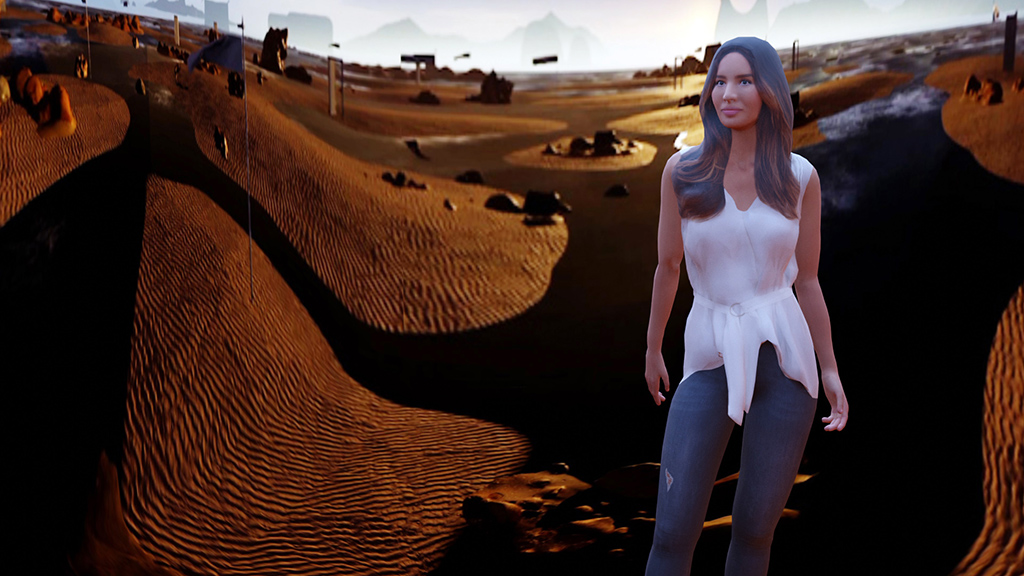
Vioso ha ayudado al consultor audiovisual Recursive a transformar la tienda de una marca de moda de alta gama en Shenzhen (China) y convertirla en una experiencia inmersiva, basada en la proyección en tiempo real.
Recursive tiene un largo historial en el desarrollo de soluciones de diseño basadas en hardware y software de audio y vídeo para una serie de marcas de alto perfil en todo el mundo,. Cuando un cliente de moda de alta gama decidió crear una experiencia de renderizado en tiempo real totalmente inmersiva y basada en proyección en su tienda de Shenzhen, Recursive fue la elección.
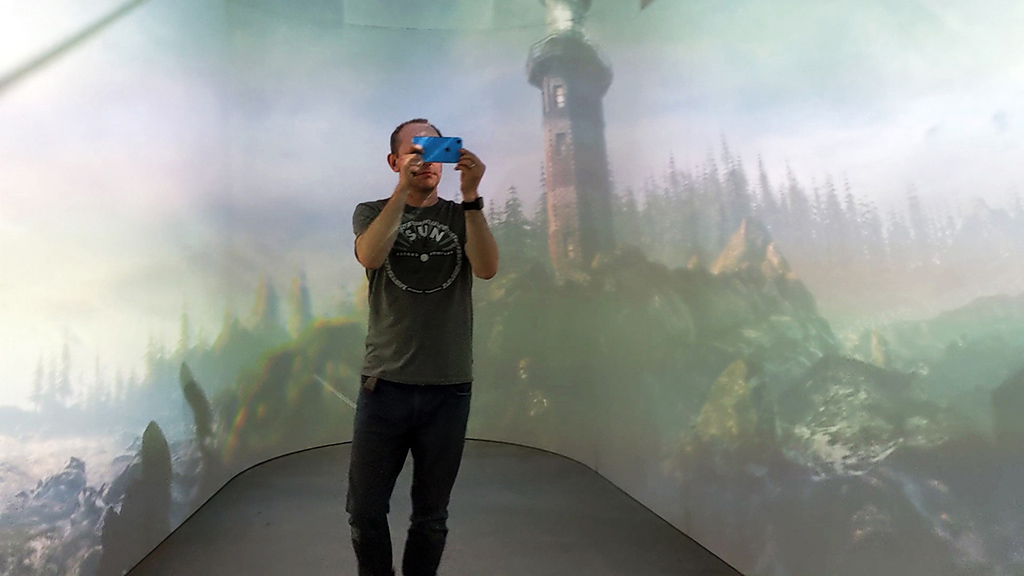 El cliente, que había visto el trabajo realizado en la tienda de Puma de la Quinta Avenida en Nueva York, quería una experiencia multimedia que llevara a sus clientes a “un viaje encantado de descubrimiento” a través de un paisaje mágico y etéreo con interacciones en tiempo real entre el mundo virtual y el físico.
“Se nos encargó desarrollar la arquitectura del sistema e interpretar una idea creativa para plasmarla en una solución física. Esta quería que los usuarios experimentaran cuatro mundos diferentes basados en cuatro temas centrales en el mundo natural, desencadenados por la interacción social y que adaptasen a los movimientos de cada usuario dentro del espacio”, comenta David Yates, director general de Recursive.
Para realizar este proyecto precisaban un entorno de renderizado en tiempo real y esto requeriría un método para adaptar el contenido a la forma y a la disposición del espacio físico, que presentaba un diseño un tanto complejo, con superficies tanto convexas como cóncavas. El equipo también identificó que la resolución final y el tamaño del lienzo tenían que ser muy grandes. Para conseguir sus objetivos instalaron seis proyectores láser 4K de 21.000 lúmenes en paredes y suelo.
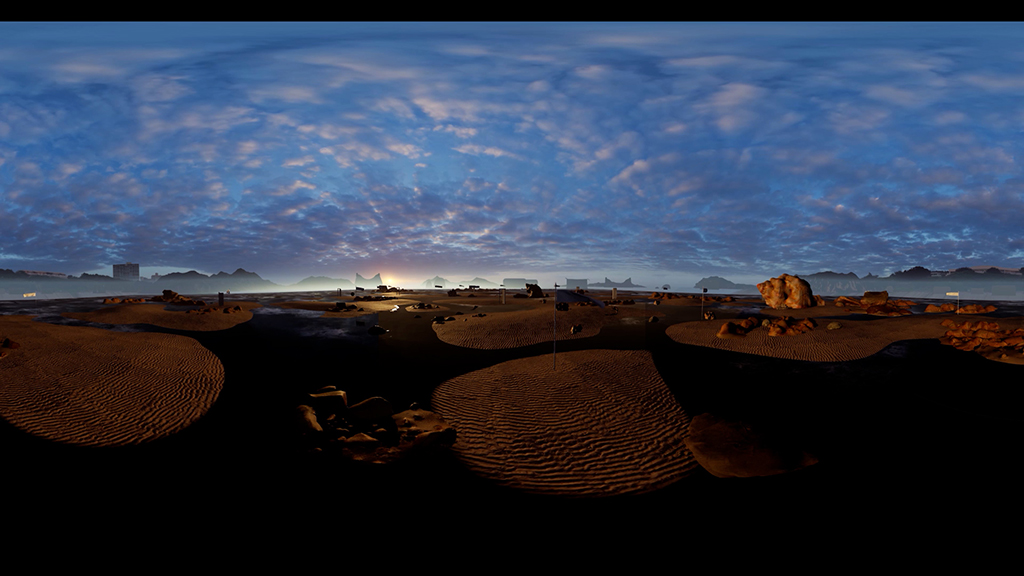 La naturaleza en tiempo real de esta representación significaba que la carga tendría que ser dividida en varias máquinas que actuaban juntas como una sola, comunicándose a través de la red entre ellas. Esto llevó a Recursive a utilizar el sistema nDisplay de Unreal Engine, ya que permite renderizar el entorno y distribuir la carga entre varias estaciones de trabajo de una manera que es rápida de configurar y fácil de manejar.
El equipo también hizo uso de la tecnología de Vioso para escanear el espacio y generar los archivos necesarios, en los formatos requeridos. Besides, ayuda al sistema Unreal a entender la disposición y la forma de las vistas de nDisplay.
“La superficie de proyección que tuvimos que trabajar dentro del espacio dado es profundamente irregular. Necesitábamos una solución de mapeo de proyección fiable y flexible que permitiera una compleja mezcla de proyección y fuera capaz de sincronizar múltiples estaciones de trabajo en tiempo real. Usamos múltiples cámaras para escanear el espacio y luego pasamos por un proceso de conversión para llegar a una única salida MPDCI unificada”, explica Marshall, consultor audiovisual.
Los archivos MPCDI fueron llevados a nDisplay, y luego utilizados dentro de su configuración para asignar las salidas a los proyectores que estaban conectados a cada nodo.
 “Además del requisito básico de la renderización en tiempo real, también era necesario que otros elementos físicos de la instalación se comunicaran”, añade Richard Smith, director asociado de Recursive. “NDisplay permite esto a través de los planos de Unreal y protocolos basados en la red como OSC y UDP, permitiéndonos controlar la iluminación dinámica, los cabrestantes Nano, Hazers y los sistemas de audio en tiempo real”.
El sistema de Vioso ofrece al equipo calibración automatizada multicámara y multiproyector, lo que le permitegenerar los archivos necesarios para la configuración de nDisplay.
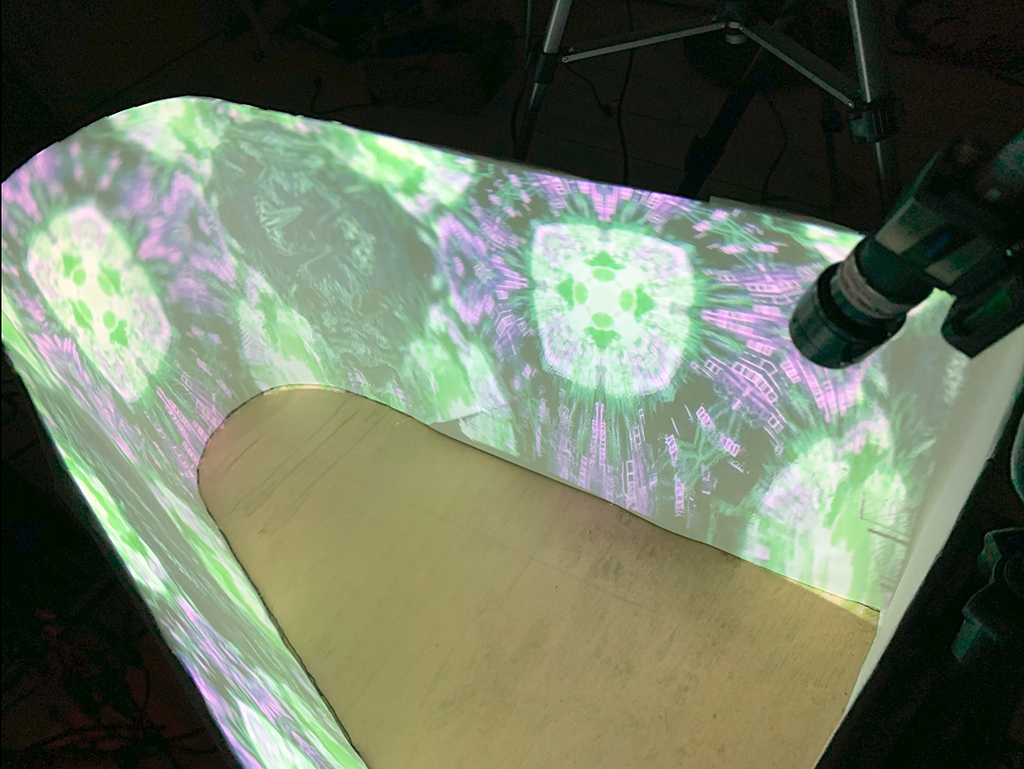 Con el software de Visoso pudieron escanear el espacio, alinearlo con el del modelo 3D y dar salida al conjunto de datos en un formato MPCDI v2 que luego podría ser utilizado por nDisplay. El equipo alcanzó el nivel requerido de seguimiento y control mediante el desarrollo de su propio sistema interno basado en múltiples cámaras de profundidad. El sistema utiliza un enfoque de nubes de puntos para poder ver al usuario desde múltiples ángulos mediante la interpretación de los datos de profundidad en tiempo real.
“También necesitábamos ser capaces de utilizar el seguimiento de esqueletos para manejar objetos gráficos en tiempo real dentro del entorno de Unreal”, afirma George Roboz, gerente de producción de contenidos. “Usamos Microsoft Azure Kinect, que traduce los movimientos esqueléticos del usuario a datos a través de Touch Designer. Esto impulsa el motor de nDisplay a través del sistema de planos de Unreal. Una vez que el cliente entra en la habitación, maneja complejos sistemas de partículas, deforma objetos, interactúa con la flora y la fauna extendiendo la mano y cambiando su posición en el espacio físico, mientras que una historia mágica se desarrolla a su alrededor”.

Las interacciones en tiempo real tanto en lo virtual como en lo físico hacen que este espacio sea único tanto en la experiencia del usuario, como en los retos de diseño e implementación.
Debido a las complejidades de la instalación y la necesidad de asegurar que los diseños funcionaran en la realidad, el equipo creó un espacio de maqueta de tamaño completo en el Reino Unido, donde podían probar y optimizar el flujo de trabajo y prepararse para los posibles escollos.
Did you like this article?
Subscribe to our NEWSLETTER and you won't miss anything.
Related articles
 Vioso powers Octave's immersive musical and visual experience 9 a Seattle
 Vioso ayuda a vivir y compartir la experiencia inmersiva del mundo virtual sin casco de 13-2 Studio
 Mood Media Harmony ayuda a crear e implementar la experiencia de marca en el punto de venta
 Elo reinforces its presence at the point of sale with two Windows terminals
 Citroën improves customer relations at the point of sale with AV technology
 Gocco y Telefónica revolucionan el punto de venta con una experiencia personalizada y conectada con IoT
Panasonic LinkRay: información en el punto de venta a través de frecuencias de luz Led
HP RP9 Retail System secures transactions at the point of sale
Gocco y Telefónica revolucionan el punto de venta con una experiencia personalizada y conectada con IoT
Panasonic LinkRay: información en el punto de venta a través de frecuencias de luz Led
HP RP9 Retail System secures transactions at the point of sale
 Swisscom actualiza su sistema de digital signage en el punto de venta
 The Stock Uno Group revolutionizes the point of sale with POP Channel
 Paradoxes of the point of sale: Myopia in digital signage
 Mercedes-Benz usa la realidad aumentada como punto de venta
 HP transforms the customer experience at the point of sale with 3D technology
 AMX Inspired Signage: revolutionizing the point of sale