


DiGiCo aporta flexibilidad de audio con inmersión a la Orquesta de Minnesota
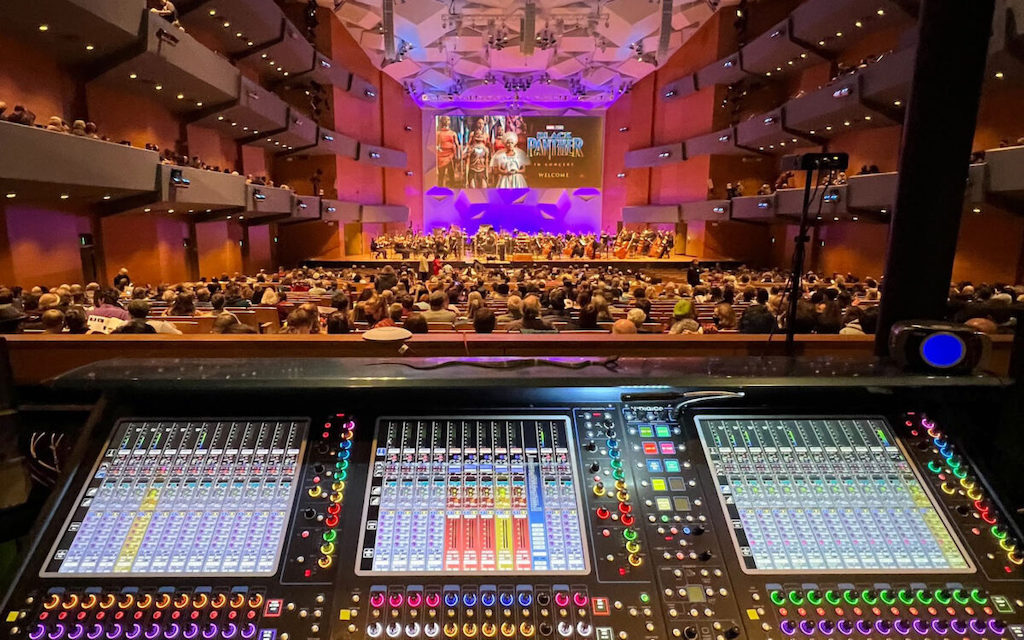
La infraestructura de audio recién instalada incluye consolas DiGiCo Quantum338, SD12 96 y SD11i, con tres SD-Racks y dos SD-Minis, además del procesador 4REA4 como centro de distribución y DMI-Klang aplicado como un efecto envolvente en las actuaciones de streaming de la orquesta.
Orchestra Hall, sede de la galardonada Orquesta de Minnesota (EU), es un punto de referencia por fuera y por dentro. Su diseño arquitectónico modernista y su amplia fachada de vidrio pretenden presentar simbólicamente la música clásica como más accesible para todos los públicos.
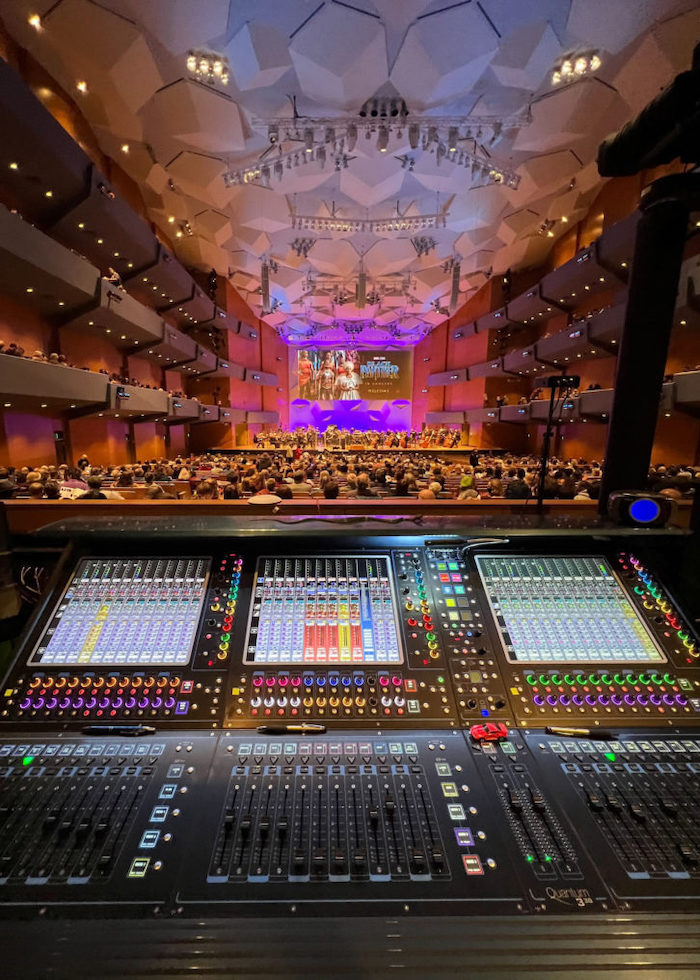
 Su interior es un mundo de ensueño acústico: 114 grandes cubos en el techo del auditorio y la pared trasera del escenario, formando un patrón simétrico de ‘rocas que caen’, actúan, junto con los tres balcones de la parte superior y a lo largo de los lados del piso principal, como una difusión masiva sistema. El resultado es una experiencia auditiva excepcional para las 2.089 personas que ocupan las butacas.
Esa experiencia ha mejorado aún más con la instalación de un conjunto de sistemas DiGiCo, creando una infraestructura de audio renovada que incluye un sistema Quantum3 como consola de sala; and SD12 96 que se emplea para mezclar actuaciones orquestales y de otro tipo para las transmisiones de Minnesota Public Radio, and a SD11i como mezclador auxiliar según sea necesario.
Las consolas cuentan con el apoyo de tres SD-Racks que se encuentran a ambos lados del escenario, además de dos SD-MiNi Racks, uno de los cuales está ubicado en el ático de la sala de conciertos y que se utiliza para mezclar los micrófonos colgantes de la audiencia.
Together, los SD-Racks hacen que los preamplificadores de micrófono de 32 bits estén disponibles prácticamente en cualquier lugar de la sala. También se emplea un procesador DiGiCo 4REA4 para distribuir el audio en hasta cuatro espacios de la instalación para eventos personalizables, como el vestíbulo.
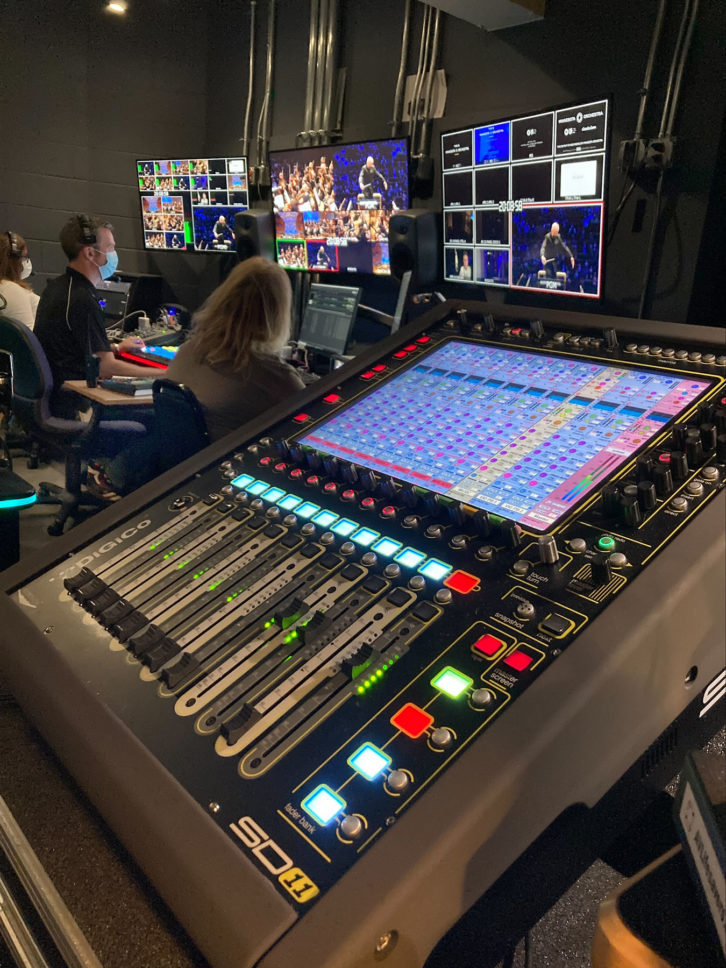
 Otra de las novedades es la aplicación de un sistema de mezcla in-ear immersive DMI-Klang de una manera única, ya que proporciona un sonido envolvente para las transmisiones orquestales para los oyentes que usan auriculares o audífonos.
Otros componentes incluyen una Orange Box, utilizada como interfaz para MADI para el Quantum3, y dos interfaces DiGiGrid MGB que conectan este sistema a una red SoundGrid, así como el software Reaper que se usa para grabaciones a una resolución de 96 kHz.
As pointed out Jay Perlman, ingeniero de audio de la Orquesta de Minnesota, quien diseñó la nueva infraestructura en colaboración con el integrador local de sistemas AV Audio Logic Systems y el proveedor de los productos de audio instalados, “tenemos un montón de equipos de DiGiCo, pero cada uno hace un trabajo específico y juntos forman una infraestructura de audio realmente única. El objetivo era acceder al audio de alta resolución en cualquier parte del edificio”.
Uno de los elementos destacados por Perlman se centra en la aplicación del procesador DMI-Klang a las transmisiones, “nos gusta arriesgarnos y experimentar, pero realmente crea algo especial. Usamos Klang en un episodio piloto de transmisión en vivo y descubrimos que nos brinda una gran flexibilidad para futuros contenidos VIP. Lo que ha hecho toda esta tecnología DiGiCo es darnos el poder de resolver problemas y hacer que sucedan cosas nuevas. En conjunto es una solución única e integrada, intuitiva y perfecta”.
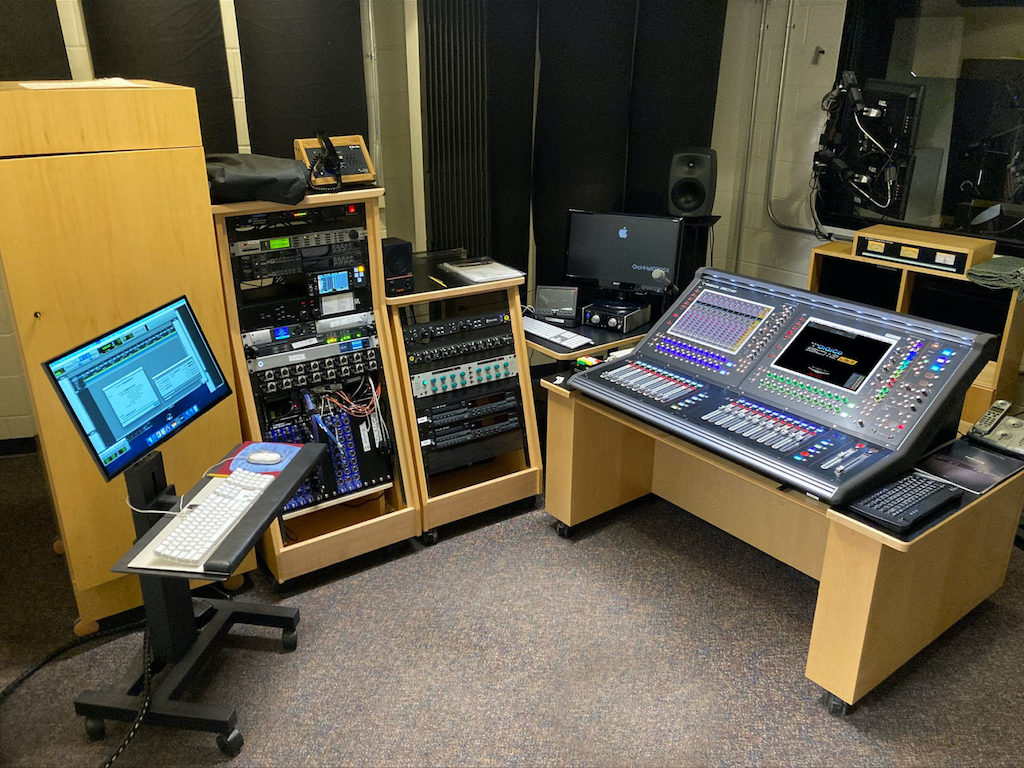
To Joel Mooney, director técnico de la Orquesta de Minnesota, contar con esta infraestructura y componentes crea un ecosistema DiGiCo que aumenta la flexibilidad operativa de la instalación en un orden de magnitud.
“Antes teníamos todos los sistemas analógicos para audio, sin forma de conectar diferentes partes del edificio para el sonido, y también era un grupo de diferentes marcas que no estaban diseñadas para funcionar juntas -recuerda-. Ahora todo está completamente integrado y en una red de fibra Optocore. La sala de conciertos puede conectarse con el vestíbulo y con el centro de transmisión. Es un entorno operativo mucho mejor”.
Did you like this article?
Subscribe to our NEWSLETTER and you won't miss anything.
Related articles
 Huddly Crew aporta más flexibilidad a las reuniones con el nuevo modo de altavoz
 Electro-Voice distribuye audio en el nuevo Treetop Trail del zoo de Minnesota
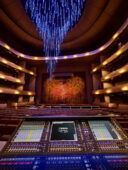 DiGiCo brinda flexibilidad de audio al Centro de artes escénicas AT&T
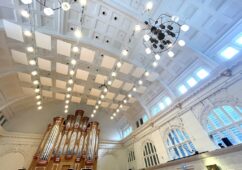 Elation Fuze Pendant aporta flexibilidad Led y ahorro al Royal College of Music
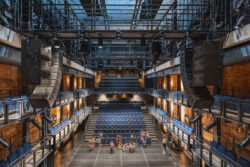 L-Acoustics aporta la flexibilidad sonora que precisaba el Harbourfront Centre Theatre
 Genelec brings audio immersion to Berlin's Hagius training center
 Bosch aporta flexibilidad y funcionalidad a su sistema de conferencias Dicentis
 Christie aporta la inmersión AV al Museo de Ciclismo Joaquim Agostinho
 Elation aporta la iluminación Led a la nueva sede de la Orquesta Sinfónica de San Diego
 La Real Orquesta Sinfónica de Sevilla confía en los micrófonos de Audio-Technica
 Extron NAV Pro AV aporta flexibilidad IP a la Universidad de Nottingham Trent
 AtlasIED aporta en Atmosphere 2.0 más flexibilidad en diseño de sistemas de audio digital
 Meyer Sound Extends Audio Flexibility and Versatility with Leopard-M80
 Black Box aporta más flexibilidad y conectividad en visualización y distribución AV sobre IP y 4K