


PPDS – Philips marks as 'business priority’ the sustainability of your screens
La sostenibilidad centra el compromiso de PPDS – Philips Professional Display por ofrecer soluciones visuales respetuosas con el medio ambiente, así como ayudar a reducir los costes de funcionamiento con eficiencia energética y mayor vida útil.
El proveedor de soluciones de visualización profesional PPDS – Philips Professional Display ha reafirmado su compromiso de apoyar y promover la sostenibilidad en la industria AV, con una estrategia diseñada para ayudar a los clientes a reducir sus residuos electrónicos y mejorar sus credenciales ecológicas.
Thus, la compañía seguirá sacando al mercado productos más eficientes desde el punto de vista energético, reconfigurando y reduciendo los embalajes, al tiempo que proporciona un mayor acceso a la información sobre el consumo de energía, para que las organizaciones tomen decisiones de compra más informadas y centradas en el medio ambiente.
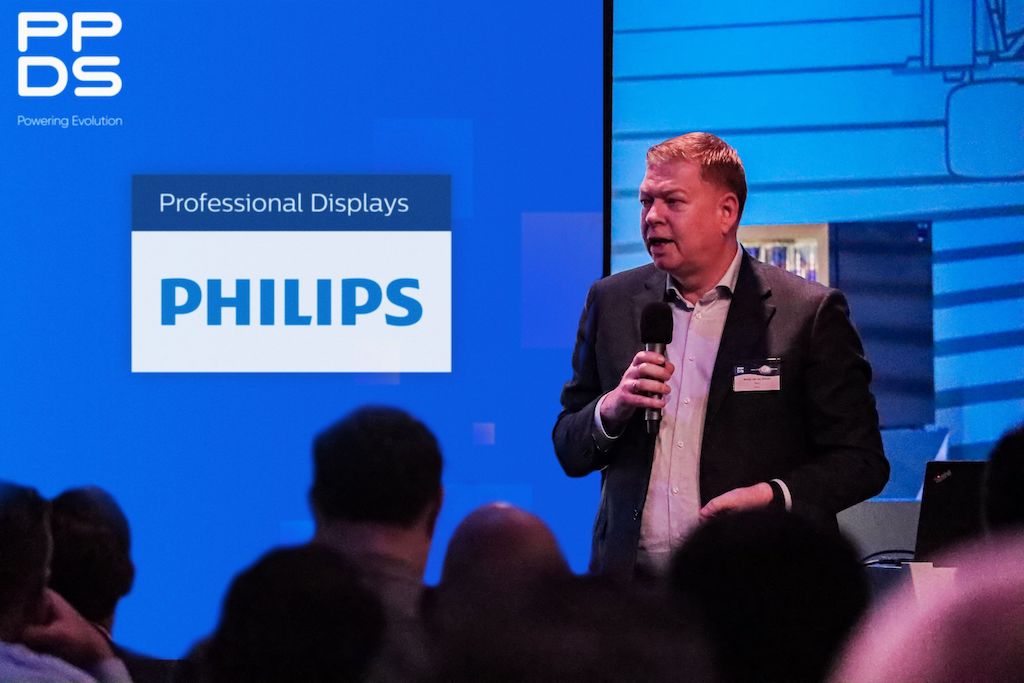
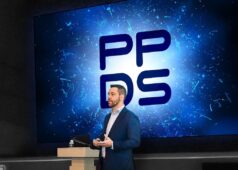
Esta declaración la ha realizado Martijn van der Woude, director de desarrollo empresarial global y marketing de PPDS (in the image above), durante su intervención en el evento internacional Global Access: Future Tech of the MK7 Oracle Red Bull Racing Technology que se acaba de celebrar.
Con el comercio minorista, las empresas y la hostelería como focos de atención del evento, Martijn van der Woude, junto con el trío directivo global de PPDS y los miembros del equipo, expuso algunas de las acciones y medidas ya adoptadas, con el compromiso de aportar aún más en 2023.
Among others, incluye la ampliación en la entrega de productos más respetuosos con la reducción energética y la aportación de un menor coste de propiedad a los clientes. “La sostenibilidad siempre ha sido de gran importancia en PPDS -afirmó Van der Woude-. Estamos orgullosos de lo que hemos conseguido hasta la fecha, y creemos que es nuestro deber y nuestra responsabilidad, tanto con los clientes -que lo reclaman- como con el planeta, hacer aún más. Y animamos a nuestros competidores a hacer lo mismo”.
El directivo subraya que “colaborando estrechamente con nuestros socios, trabajaremos duro para garantizar que los productos y soluciones de visualización profesional, actuales y futuros, de Philips continúen proporcionando las mejores experiencias de su clase, al tiempo que ofrecen el menor consumo de energía y la reducción del impacto a lo largo de su ciclo de vida, incluyendo el uso de materiales reciclados y reciclables, y la neutralidad de carbono”.
Además de mejorar la energy efficiency de sus soluciones de señalización digital, interactive screens, dvLed y Pro TV, PPDS, junto con sus organizaciones hermanas, TP Vision, MMD Monitors and Displays y AOC, ya ha dado pasos importantes en la mejora de sus credenciales ecológicas a lo largo del ciclo de vida de las pantallas, desde su fabricación, a los trayectos de transporte y hasta sus oficinas centrales y operaciones de venta regionales.
Al beneficiarse de la fabricación de sus propios productos en sus instalaciones (sin subcontratación) como parte de VAT, “PPDS es dueña de su propio destino, garantizando que se tomen las medidas adecuadas a lo largo de todo el proceso de producción, desde el concepto hasta su finalización”.
Este compromiso, as the company points out, se pone de manifiesto en su programa de expansión, con la reciente apertura de una nueva planta de fabricación para la producción de dvLed; el diseño del edificio y las buena prácticas “ofreciendo no sólo un entorno de trabajo de calidad, sino también uno consciente del medio ambiente”.
Los productos están ahora contenidos en embalajes condensados, cuidadosamente calculados para minimizar los recursos utilizados y maximizar el número que pueden cargarse en cualquier envío. También se ha revisado y perfeccionado los palés, con una reducción de 184 toneladas de CO2 del tanque a la rueda (TTW) y 107 toneladas de consumo de palés de madera en el proceso hasta ahora.
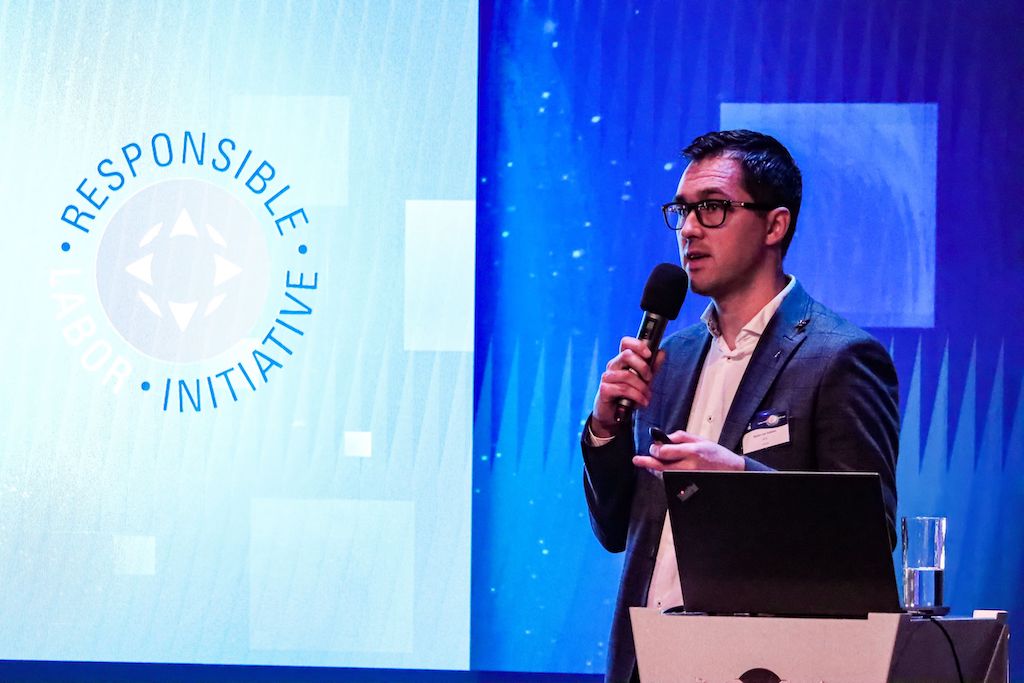
“Esto ayuda a reducir nuestra huella de carbono sin comprometer la seguridad de cada pantalla durante el tránsito, y reduce los niveles de residuos susceptibles de ser eliminados inmediatamente -puntualiza Stefan van Sabben, director global de RSC y sostenibilidad (en la segunda imagen)-. Los expositores profesionales de Philips se empaquetan en cajas de cartón marrón, con una impresión a un solo color con tinta a base de soja. Este espíritu se mantiene en el embalaje de los componentes de preproducción y en el final, realizado casi totalmente de materiales reciclables”.
Van Sabben avanza que “estas y muchas otras medidas seguirán evolucionando e introduciéndose durante 2023 y posteriormente, con una serie de soluciones innovadoras que se presentarán en ISE 2023 en Barcelona”.
Mayor transparencia
Junto a este enfoque, PPDS – Philips Professional Display también ofrece a los clientes un acceso claro e inmediato a la información sobre la eficiencia energética de su gama de productos de señalización digital, interactive screens, dvLed y Pro TV.
A principios de este año entró en vigor el sistema revisado de etiquetado energético de la UE, que sustituye al que había hasta ahora (A+++, A++, A+, A, B, C y D) por una clasificación de medición más simplificada A-G, y es probable que los aparatos existentes con una clasificación A ó A+ figuren ahora como G.
Las nuevas etiquetas A-G colocadas en las pantallas profesionales de Philips cuentan ahora con un QR code what, al ser escaneado con un teléfono inteligente, muestra inmediatamente la información almacenada en la base de datos Eprel, lo que permite una mayor transparencia para los clientes y una vigilancia más fácil del mercado por parte de las autoridades nacionales.
“Se calcula que el 25% de los productos del mercado no cumple la normativa de etiquetado de eficiencia energética y que alrededor del 10% del potencial de ahorro de energía se pierde por no cumplirla. El nuevo etiquetado y la base de datos ayudarán a mejorar la comprensión para que los clientes puedan identificar y seleccionar correctamente los más eficientes”, afirma Martijn van der Woude.
Stefan van Sabben añade que “como parte de nuestra evolución como empresa, situamos la sostenibilidad en un lugar aún más importante. Nuestra ambición es seguir creciendo, pero queremos hacerlo de forma responsable y sostenible. Además de estar acreditados y trabajar con un número cada vez mayor de organizaciones centradas en la sostenibilidad, nos hemos fijado algunos objetivos medioambientales y sociales exigentes”.
Specifically, este directivo afirma que “forma parte de nuestro ADN trabajar estrechamente con Royal Philips, reconocida como la segunda marca más importante en tecnología ecológica a nivel mundial. Parte de la ética anunciada en nuestra declaración de cambio de marca destacaba nuestra estrategia de ‘alcance global, apoyo local’. Esto es enormemente importante a muchos niveles”.
La compañía cuenta con equipos físicos repartidos por todo el mundo, lo que reduce en gran medida la necesidad de viajar para organizar reuniones, ventas y visitar los lugares de los proyectos. “También se fomentan mucho las videollamadas, en lugar de las reuniones físicas, siempre que sea posible -puntualiza-. At the range Philips C-Line facilita aún más esta tarea, por lo que la pandemia no supuso ningún cambio radical para nosotros”.
ADN del producto
La sostenibilidad también se refleja en las soluciones presentadas recientemente, sobre todo en las gamas de pantallas para empresas Philips C-Line; education E-Line, y hostelería MediaSuite.
Besides, la nueva gama Philips DV Led de PPDS (series 7000 y 6000) ha sido diseñada para ofrecer un bajo consumo de energía, que la compañía sitúa entre el 20% y, in some cases, cerca del 50%, en comparación con productos similares del mercado, without compromising performance.
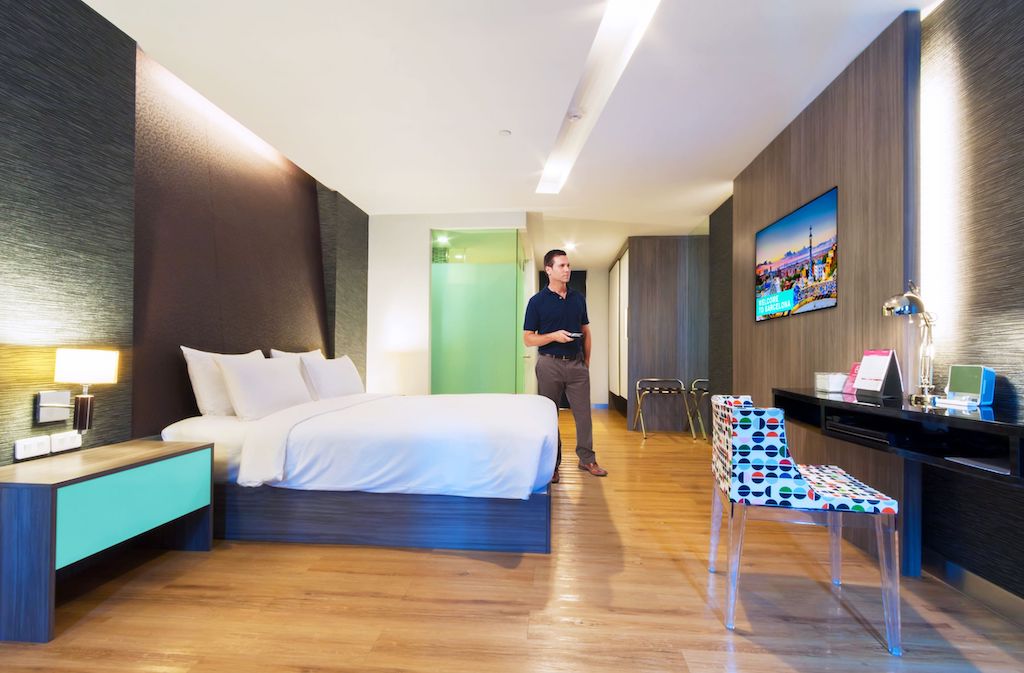
Desde el punto de vista de la longevidad, los televisores para hostelería Philips MediaSuite de PPDS se basan en una plataforma Android actualizable, lo que aporta un importante retorno de la inversión y beneficios de sostenibilidad, ya que los clientes reciben actualizaciones de software gratuitas como parte del compromiso Extended lifetime from the manufacturer.
Esto permite que todas las funciones y parches de seguridad más recientes estén disponibles para los modelos más antiguos (gestionados a distancia y sin desplazamientos innecesarios), lo que les permite funcionar y ofrecer la misma experiencia que los últimos MediaSuite.
Además de garantizar una experiencia consistente para los clientes, al prolongarse la vida útil del producto se produce una reducción inmediata de las sustituciones innecesarias y, therefore, de los residuos de aparatos eléctricos y electrónicos.
Según el Monitor Mundial de Residuos Electrónicos de la ONU, in 2019 se generaron 53,6 millones de toneladas métricas de residuos electrónicos. Jeroen Verhaeghe, director de desarrollo de negocios globales para hospitality en PPDS, señala que “vivimos en una cultura de desecho de la tecnología. Como los productos se actualizan con regularidad, existe la tentación de sustituir lo que tenemos para beneficiarnos de las últimas funciones. ¿Qué pasa con ese viejo televisor? Se revende o se tira a la basura”.
En el caso de un hotel, añade Verhaeghe, “donde la competencia es alta y los TV desempeñan un papel cada vez más importante en la toma de decisiones de los huéspedes que buscan una experiencia de entretenimiento como en casa, esa tentación puede parecer crucial, pero costosa. Hemos cambiado eso haciendo que nuestros TV sigan siendo relevantes durante más tiempo, reduciendo la necesidad de sustituirlos y de que acaben en el vertedero”.
Como concluye Van der Woude, “tenemos el deber y la responsabilidad de apoyar a nuestros clientes en sus necesidades tecnológicas actuales y futuras, y desempeñar un papel para ayudar a proteger el medio ambiente y fomentar la sostenibilidad. Cuando se trata de múltiples gamas de productos, miles de millones de piezas y miles de personas, el cambio no siempre es un proceso sencillo, pero sí esencial”.
In this process, “algunos pueden no estar de acuerdo. In fact, estos cambios no siempre son bienvenidos o económicamente viables. No es nuestro caso. Impulsar la evolución está en nuestro ADN y apoyar a la industria, socios y y clientes es una parte importante de ello”.
Did you like this article?
Subscribe to our NEWSLETTER and you won't miss anything.
Related articles
 Oracle Red Bull Racing enhances its outdoor brand with PPDS with Philips Public Led
 The Beeld Museum & Geluid is committed to sustainability with Philips Tableaux ePaper screens
 PPDS creates a smart work environment at WorkBetter with Philips displays
 PPDS presents the range of Philips Interactive multi-touch displays 3000
 PPDS and Q-SYS optimize management in Philips professional displays
 PPDS boosts sustainable displays with ePaper Philips Tableaux 4150 of 13″
 PPDS y Deel Media transforman Showcase Cinemas con pantallas 4K UHD de Philips
 PPDS offers size and sustainability in the new Philips Tableaux 32” ePaper
 PPDS will promote sustainability at InfoComm with the Philips dvLed range
 PPDS obtains TAA compliance in the United States for Philips displays
 PPDS updates its range of Philips X-Line FHD and UHD video wall displays
 PPDS incorpora el aprendizaje interactivo de i3 Technologies a las pantallas Philips
 Philips Professional Display Solutions presenta su nueva identidad de marca: PPDS
 Asefa Seguros utiliza las pantallas de LED&GO como herramienta de comunicación de marca