


Pixera hace posible la puesta en escena de Elektra en el teatro de ópera más grande de Alemania
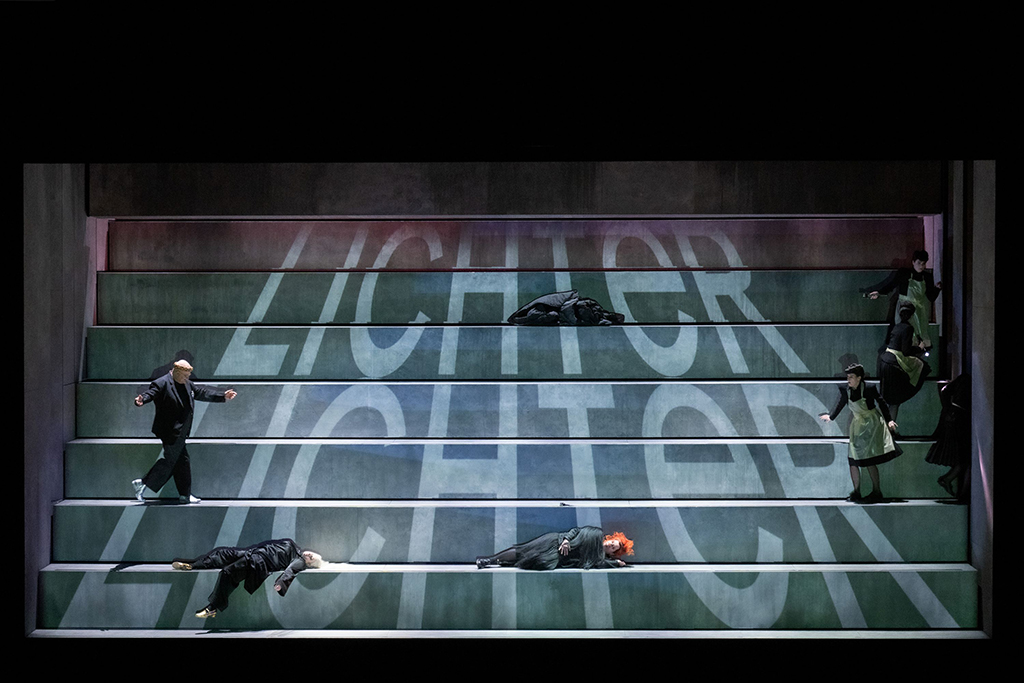
The media server platform Pixera of BY Stumpfl es la columna vertebral de ‘Elektra’, representada en el Festspielhaus Baden-Baden. Una ópera creativa que planteó una puesta en escena cinética con movimientos complejos y demandas visuales intrincadas.
La reciente producción de Elektra que se ha representado en el Festspielhaus Baden-Baden, el teatro de ópera más grande de Alemania de su tipo con capacidad para 2.500 spectators, ha demostrado las capacidades de la plataforma de servidor multimedia Pixera de AV Stumpfl.
Elektra es una ópera de un acto de Richard Strauss con libreto de Hugo von Hofmannsthal, adaptado de su drama Elektra de 1903. Dirigido por Philipp Stölzl y Philipp M. Krenn en el Festspielhaus Baden-Baden, el espectáculo requirió capacidades de proyección avanzadas debido a su puesta en escena cinética con movimientos complejos y demandas visuales intrincadas.
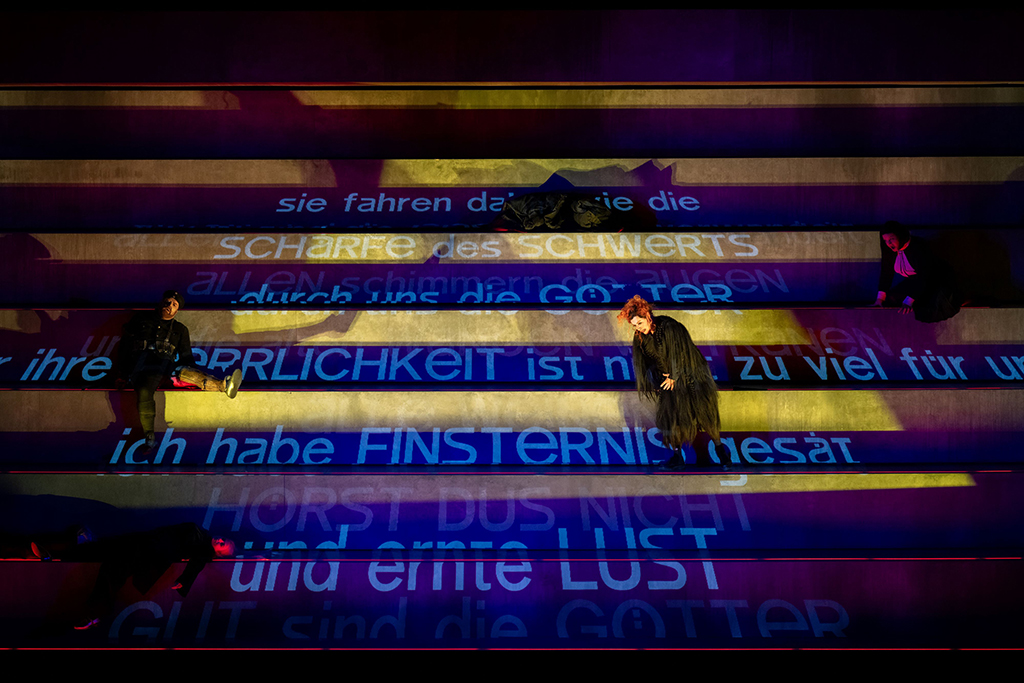
El escenario, diseñado por Philipp Stölzl junto con Franziska Hahn, consta de escalones, escaleras y cajones móviles con el texto del libreto de Elektra de Hugo von Hofmannstahl proyectado sobre el escenario y el fondo.
Judith Selenko y Peter Venus, los cerebros detrás de los elementos técnicos y visuales creativos del espectáculo, elogian a Pixera por su rendimiento robusto y flexibilidad.
“Mi primer gran espectáculo programado con esta solución presentó requisitos técnicos únicos”, explica Peter Venus. “Los elementos escénicos cinéticos necesitaban un control preciso y reactivo, que la conexión de datos Posi Stage Net de Pixera facilitó sin problemas. Esto nos permitió controlar todos los elementos individualmente y en grupos, adaptándonos en tiempo real a la dinámica del escenario”.

Venus, que proviene del mundo del sonido pero se ha interesado más por el vídeo, destaca la importancia de la preprogramación y la visualización. “Sin preprogramación, nada habría funcionado. Nuestro espectáculo contaba con más de 1.000 pistas de vídeo, que configuramos y ajustamos tras los ensayos”.
Las primeras pruebas de proyección se realizaron con el modelo original creado por los escenógrafos. Después, Selenko y Venus construyeron un modelo a escala 1:25 del escenario que les permitió trabajar con una gran precisión. “Las capacidades de Pixera fueron fundamentales para visualizar y ajustar nuestros diseños durante los ensayos”, explica Selenko.
Selenko y Venus, ambas con formación musical, ven el vídeo como su instrumento con el que participar en una producción de ópera. “A medida que adquieres experiencia, también decides comprar un instrumento mejor, uno que abra más posibilidades y se sumerja en diferentes áreas. For this, elegimos el servidor multimedia de AV Stumpfl, que nos ofrecía exactamente estas posibilidades”, añade Selenko.
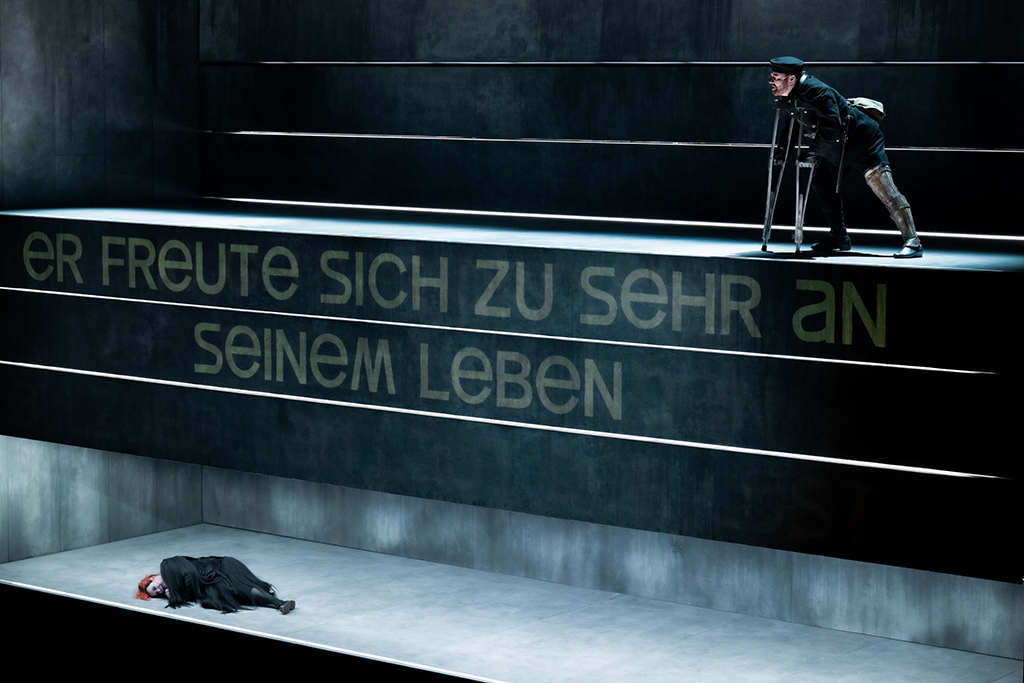
La idea de poner el texto del libreto en el fondo fue de Philipp Stölzl. However, la tipografía fue diseñada por Selenko, y cada escena tiene su propio concepto tipográfico. Implementaron todo el libreto en forma de gráficos y texto, lo que les permitió concentrarse en el contenido. El desafío fue encontrar el equilibrio entre no tener que animar continuamente durante una hora y media, dado que los músicos tienen ritmos variables. Esto requirió una cuidadosa previsión técnica y planificación estratégica.
“Hay pasajes que están preprogramados y luego tenemos animaciones que se hacen en vivo. Tenemos el material en Pixera y podemos ubicarlo en un espacio libre y ampliarlo en un 50% al mismo tiempo”. El volumen de contenido de vídeo en el espectáculo fue otro desafío, que implicó nombrar las pistas con precisión y la asistencia de un dramaturgo. “La colaboración constante con el director fue crucial, lo que nos permitió explorar todas las posibilidades a una escala más pequeña antes de la implementación final”, aclara Venus.
Según Selenko y Venus, Pixera agiliza el proceso de producción del espectáculo, ya que admite más de mil pistas de vídeo e integra la animación en vivo con secuencias preprogramadas. Esta combinación de ajustes manuales y automáticos garantizó que los elementos visuales estuvieran sincronizados con la actuación en vivo, respetando el ritmo de los actores en el espectáculo.
Did you like this article?
Subscribe to our NEWSLETTER and you won't miss anything.
Related articles
 Prolights lighting transforms the staging at the Soho theater CaixaBank
 Eurovision 2023 once again opted for LED screens for its staging
 SeeSound participates with its brands in the staging of 'Company'
 El Teatro Bielefeld utiliza Pixera para la puesta en escena de su producción ‘Black Rider’
 Rosalía conquistó Barcelona y Madrid con una gran puesta en escena AV y de iluminación
 Dataton makes possible the spectacular projection made on the largest sculptural bust in the world
 La Junta de Accionistas del Banco Sabadell contó con Sono para su puesta en escena AV
 The Eurovision Song Contest 2018 based its staging on spectacular lighting
 Una espectacular puesta en escena AV de luz y color acompañó en el evento de la farmacéutica Libbs
Una espectacular puesta en escena con tecnología Led acompañó al Festival Viña del Mar
El sonido de Meyer Sound acompañó en la puesta en escena de la Super Bowl 50
The Invisible Cities opera uses Sennheiser wireless technology for its staging
Unitecnic's audiovisual engineering makes the staging of El Somni possible
Una espectacular puesta en escena AV de luz y color acompañó en el evento de la farmacéutica Libbs
Una espectacular puesta en escena con tecnología Led acompañó al Festival Viña del Mar
El sonido de Meyer Sound acompañó en la puesta en escena de la Super Bowl 50
The Invisible Cities opera uses Sennheiser wireless technology for its staging
Unitecnic's audiovisual engineering makes the staging of El Somni possible
 Christie hace posible la proyección 3D más grande del mundo