


Broadsign and Scope3 offer carbon measurement model in DOOH
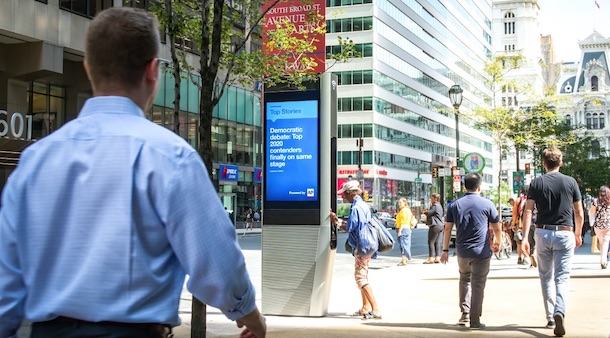
The collaboration between Broadsing y Scope3 abre nuevas perspectivas sobre las emisiones de las campañas DOOH para los compradores de medios preocupados por la sostenibilidad y mejora los informes sobre la huella de carbono.
Ofrecer un modelo preciso y detallado de las emisiones de carbono de las campañas digitales fuera del hogar (DOOH) es el objetivo de la colaboración entre Broadsing y Scope3, con el que ambas empresas quieren dar respuesta a la preocupación creciente de las marcas para ser más sostenibles en sus negocios e iniciativas comerciales.
Fruit of this association, es que las agencias y marcas que utilizan la plataforma de medición de carbono de Scope3 ahora pueden acceder a los datos de emisiones de propiedades y formatos DOOH de más de un millón de pantallas en todo el mundo cuando planifican sus campañas, por país y categoría de ubicación.
Los usuarios de Scope3 pueden ver estos datos junto con información similar de la web, mobile, social networks, CTV y otros canales para tener una planificación e informes de medios más fluidos y conscientes de las emisiones de carbono.
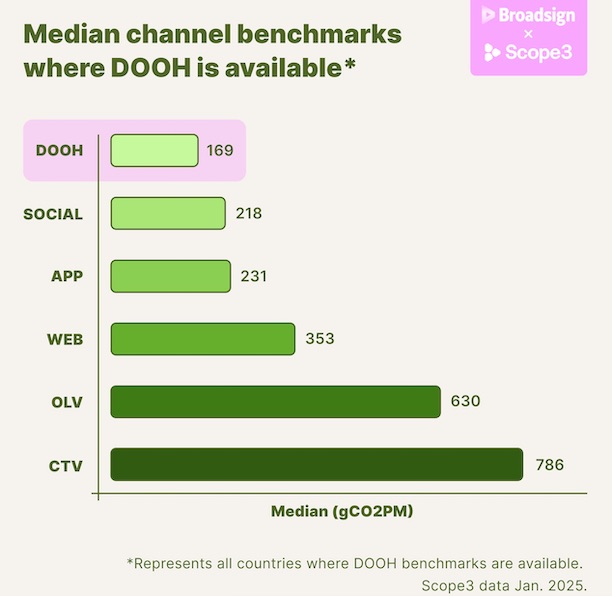 Aunque el DOOH aumenta el rendimiento de las campañas omnicanal, los datos ahora disponibles en la plataforma de Scope3 también demuestran su eficiencia de carbono por impresión, reafirmando estudios anteriores que ilustran la ventaja de este medio comercial sobre otros canales.
“Existe la idea preconcebida de que el DOOH es un canal que emite mucho, pero los datos cuentan una historia más precisa que tiene en cuenta sus matices únicos -afirma David Fischer, director general de Scope3-. La experiencia de Broadsign, sus conocimientos y sus amplios datos de inventario nos están ayudando a perfeccionar nuestro modelo de medición de carbono para arrojar más luz sobre el impacto del medio”.
Las agencias y las marcas que utilizan Scope3 para informar sobre las estrategias de medios omnicanal pueden ahora comprender mejor las emisiones de DOOH, al igual que los propietarios de medios tienen también la posibilidad de diferenciar su inventario ofreciendo información sobre la huella de carbono de sus pantallas.
To Bryan Mongeau, CTO de Broadsign, “Scope3 es el estándar de la industria publicitaria para la medición del carbono, por lo que asociarnos con ellos era el siguiente paso natural. A medida que las empresas busquen implementar prácticas más sostenibles, la reducción de las emisiones de las campañas publicitarias será un área de creciente atención. Nuestra colaboración no sólo proporciona información muy valiosa, sino que también allana el camino para futuras innovaciones como la planificación dinámica de campañas y ajustes en tiempo real del plan de medios”.
Principales conclusiones
- DOOH es el canal de marketing que menos carbono emite por impresión (en los países en los que se dispone de puntos de referencia de estos soportes).
- La principal fuente de emisiones de carbono del DOOH procede de la electricidad que alimenta las pantallas. Los factores clave son las horas de funcionamiento, los ajustes de brillo y la combinación de redes eléctricas.
- Aproximadamente el 95% de las pantallas aportadas por Broadsign se sitúan en el nivel medio de emisiones o por debajo de él, teniendo en cuenta factores como el país y la categoría del recinto.
- Optar por pantallas de alta calidad y eficiencia, que ofrezcan un alto rendimiento sin aumentar las emisiones de carbono, y optimizar las campañas en función de la hora del día puede ayudar a los anunciantes a reducir las emisiones, ya que determinadas horas pueden beneficiarse de una combinación de redes eléctricas más sostenibles o de un mayor tráfico de personas.
Did you like this article?
Subscribe to our NEWSLETTER and you won't miss anything.
Related articles
 Intersection adds more than 5.500 screens
 Clear Channel and Broadsign strengthen the DOOH platform in Europe
 Broadsign and DOOHX design DOOH certification program
 BroadSign and Taptap Partner to Bring Omnichannel Programmatic Offering to the Dooh Environment
 Media One Italia selects BroadSign for the transformation of its DooH network
 Quividi updates its Dooh audience measurement and digital signage platform
 Health and wellness network Tonic Health continues to rely on BroadSign for its Dooh campaigns
 Broadsign and Adquick Team Up to Deliver Dooh Campaigns Based on Audience Data
 Broadsign continues its DooH acquisition policy with the Campsite company
 Starlite Media revamps its DooH network with the Broadsign platform
BroadSign CMS helps manage Carrefour France's Dooh network
Starlite Media revamps its DooH network with the Broadsign platform
BroadSign CMS helps manage Carrefour France's Dooh network
 HyperMedia FZ selects BroadSign CMS for its DooH network in the United Arab Emirates
 BroadSign integrates Quividi's audience measurement technology into its cloud digital signage software
 Samsung y Nielsen, They bet together on audience measurement in DOOH environments