


How augmented reality is redefining the shopping experience
In this article, Nikolaos Tzoumerkas, Senior Consumer Electronics Analyst, explora cómo la realidad aumentada está transformando el panorama minorista al mejorar la interacción del consumidor.
The augmented reality (RA) ya no es una novedad. Es una fuerza estratégica que está transformando la forma en que los consumidores descubren, evalúan y compran productos. Conecta el comercio minorista digital y físico de maneras que impulsan la interacción, la conversión y la fidelización.
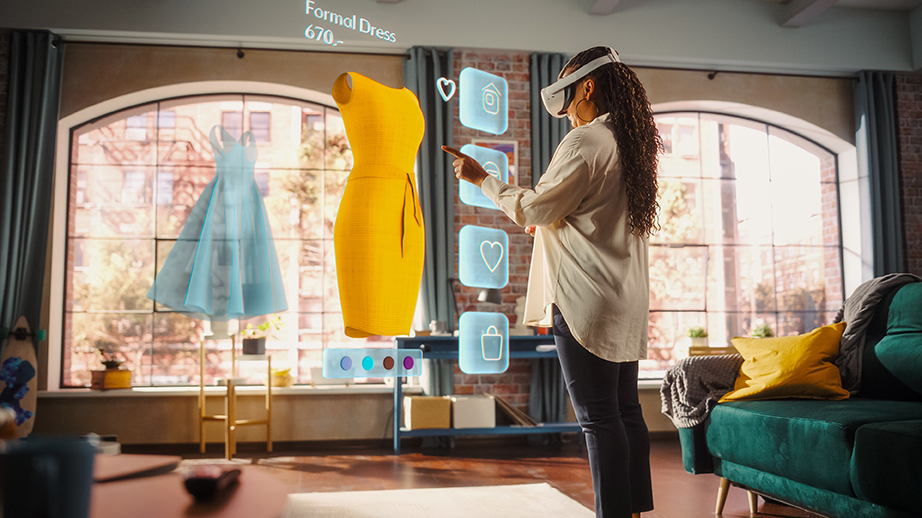
Considerada en su momento como un complemento futurista, la realidad aumentada es ahora una herramienta práctica que transforma la forma en que los consumidores interactúan con las marcas y los productos. Al permitir pruebas virtuales, visualización 3D y immersive experiences de producto, la RA acorta la distancia entre la intención y la compra.
Ya sea visualizar cómo quedaría un sofá en tu sala de estar o prever cómo quedan las gafas de sol, la RA ayuda a los clientes a tomar decisiones más seguras e informadas. Esto es especialmente valioso cuando hay mucha incertidumbre, como con marcas desconocidas o productos de alta gama. In these cases, la realidad aumentada puede reducir las dudas, destacar el valor del producto e impulsar a los consumidores a elegir opciones que, de otro modo, evitarían.
Uno de los impactos más medibles de la realidad aumentada reside en su capacidad para reducir las tasas de devolución y, at the same time, impulsar la conversión. Ofrecer a los consumidores una mejor comprensión del ajuste, el estilo y las características de un producto mejora la satisfacción de compra. Cuando los compradores pueden explorar cómo un producto se adapta a sus necesidades desde el principio, es más probable que completen la compra y menos probable que lo devuelvan.
For retailers, esto se traduce en beneficios tangibles: menos reembolsos, menores gastos logísticos y mayor confianza del cliente.
De la navegación pasiva a la interacción intencionada
La RA no solo mejora la evaluación de productos, sino que también transforma el marketing minorista en algo mucho más interactivo. Las marcas utilizan la realidad aumentada para ofrecer experiencias gamificadas que entretienen a la vez que informan. Estas experiencias abarcan desde búsquedas virtuales y promociones de escaneo para ganar, hasta mini juegos que desbloquean características del producto o descuentos exclusivos.
Este tipo de interacción genera una conexión emocional, prolonga la interacción y ayuda a convertir el interés casual en lealtad a la marca. La capacidad de fusionar narrativa y utilidad otorga a la realidad aumentada una gran ventaja sobre los formatos publicitarios tradicionales.
Esta tecnología también desempeña un papel fundamental en la unificación de la experiencia de compra online y offline. La incertidumbre sigue siendo un obstáculo para muchas compras, especialmente en categorías como muebles, moda y lujo. La realidad aumentada crea puentes entre las divisiones. Un comprador puede descubrir un producto en la tienda, explorarlo con más detalle en casa con realidad aumentada y completar su compra online con total confianza.
Esta experiencia fluida y multicanal respalda la tendencia general del comercio minorista híbrido, donde las fronteras entre lo físico y lo digital son cada vez más irrelevantes.
Cómo las marcas aprovechan la RA
Las principales marcas ya están aprovechando la realidad aumentada para mejorar la visibilidad, la narración y el atractivo de sus productos.
Amazon ha sido pionera en realidad aumentada (RA) con su herramienta View in Your Room, que permite a los consumidores colocar productos, como muebles, en su propio espacio antes de realizar la compra.
De igual forma, Asos ha lanzado la función See my Fit, que permite a los clientes probarse la ropa en un entorno virtual y decidir si les queda bien. Besides, Balenciaga continúa experimentando a la vanguardia de la realidad aumentada (XR). In 2023, la marca lanzó un minijuego que promueve la biodiversidad y la agricultura regenerativa, demostrando cómo la realidad aumentada puede alinear la imagen de marca de lujo con un mensaje con propósito.
Los líderes del lujo como Gucci, Chanel y Burberry también están adoptando la realidad aumentada para reducir las dudas a la hora de comprar y atraer a una audiencia en línea más amplia y joven.
El futuro de la RA en el comercio minorista
A medida que la tecnología de realidad aumentada se vuelve más accesible y su potencial creativo se expande, los argumentos a favor de su adopción cobran mayor fuerza. Los minoristas que utilizan esta tecnología hoy en día no solo optimizan la conversión, sino que también fortalecen la percepción de marca, generan confianza y garantizan el futuro de su experiencia del cliente.
En un panorama minorista competitivo y en rápida evolución, la realidad aumentada ofrece más que innovación. Proporciona diferenciación estratégica. Las marcas que la adopten ahora estarán mejor posicionadas para liderar la próxima evolución del comercio, donde la experiencia, la interacción y la conveniencia definirán la experiencia de compra.
Nikolaos Tzoumerkas
Analista principal de electrónica de consumo (Futuresource Consulting)

Did you like this article?
Subscribe to our NEWSLETTER and you won't miss anything.
Related articles
 Telefónica muestra en NRF cómo IoT transforma la experiencia de compra en las tiendas
 Augmented reality in the countdown to Force Friday II and the arrival of 'Star Wars' tonight: the last Jedi'
Colcerámica uses virtual reality to optimize the shopping experience in its stores
NEC muestra cómo mejorar la experiencia de compra en Smart & Intuitive
Pamesa Cerámica shows the value of augmented reality as a sales tool
Augmented reality in the countdown to Force Friday II and the arrival of 'Star Wars' tonight: the last Jedi'
Colcerámica uses virtual reality to optimize the shopping experience in its stores
NEC muestra cómo mejorar la experiencia de compra en Smart & Intuitive
Pamesa Cerámica shows the value of augmented reality as a sales tool
 Audi eCurzinfo: Metaio augmented reality as an alternative to car manuals
Interactive augmented reality experience applied to cemetery tombstones
Audi eCurzinfo: Metaio augmented reality as an alternative to car manuals
Interactive augmented reality experience applied to cemetery tombstones
 Cócteles impactantes con realidad aumentada como ingrediente
 Augmented reality allows us to see what Atapuerca was like in the MEH of Burgos
 La realidad aumentada como recurso para vender más juguetes
 Augmented reality will show what Miguelón was like’ does 400.000 years
 Mercedes-Benz uses augmented reality as a point of sale
 La realidad aumentada como apoyo en tareas peligrosas
 Tesco offers an innovative shopping experience with an augmented reality catalog