


La tecnología IP de Lawo brinda una inmersiva experiencia de sonido en la Expo de Osaka
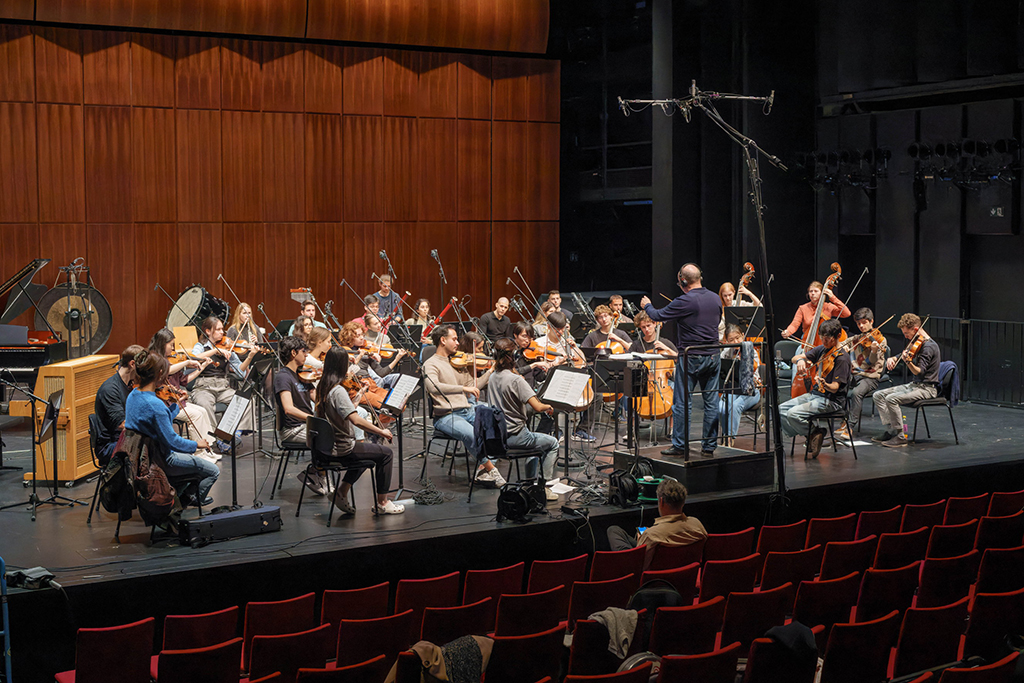
En el pabellón de Austria se puede ver una instalación AV que muestra cómo un piano de cola autoejecutable interactúa en directo con una orquesta invisible. The Universidad Mozarteum de Salzburgo ha sido la responsable de la realización técnica de esta instalación sonora, basada en la tecnología IP de Lawo.
Austria está representada en la Expo 2025 they Osaka con un pabellón que no solo explora el futuro, sino que también lo hace tangible a través de la arquitectura, el contenido y, above all, la música. En su vestíbulo, los visitantes son recibidos por una instalación audiovisual que da vida al tema principal, “Componiendo el Futuro“, tanto artística como tecnológicamente.
Un piano de cola autoejecutable parece interactuar en directo con una orquesta invisible. Una interpretación perfectamente sincronizada de un instrumento controlado por MIDI with a grabación de audio multicanal que cumple con los más altos estándares de calidad profesional.
The Universidad Mozarteum de Salzburgo ha sido la responsable de la realización técnica de esta elaborada instalación sonora, que se basa en la tecnología IP de Lawo.
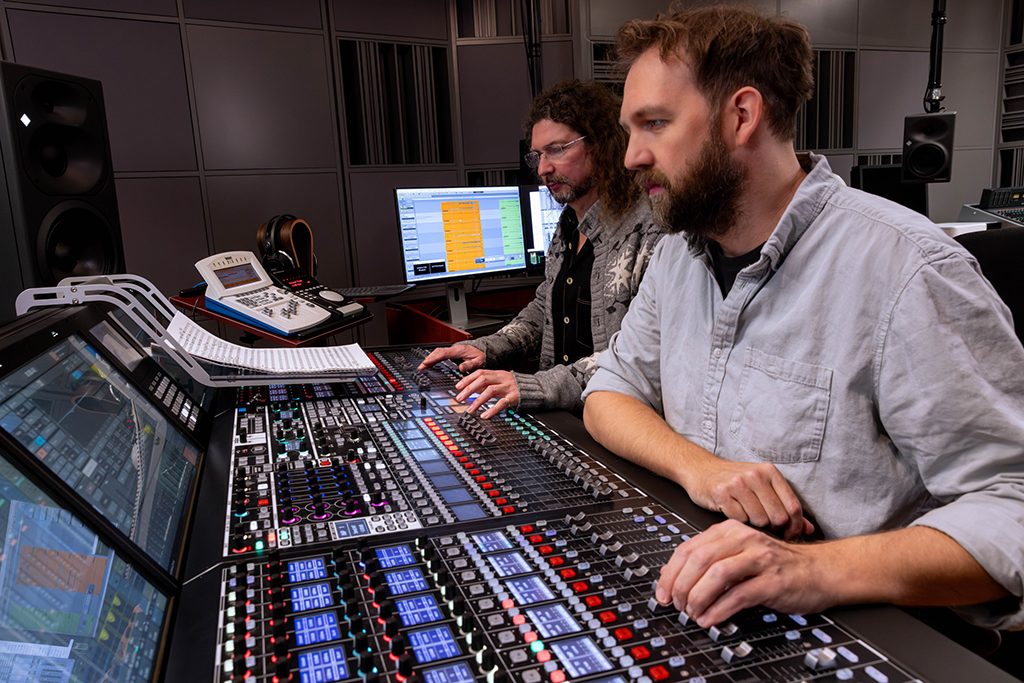
Toda la producción del audio se llevó a cabo en la sala Max Schlereth de la Universidad Mozarteum de Salzburgo. El equipo de producción utilizó la infraestructura de producción Lawo basada en IP, instalada allí como parte de un reciente proyecto de modernización: a consola de mezclas de producción mc²56 con 48 faders, unidades centrales A__UHD redundantes, interfaces de entrada/salida de audio A__stage64 y A__mic8, y conexión en red IP a través de Lawo Home.
Esta plataforma de gestión, basada en una infraestructura IP, proporciona acceso directo a todos los recursos en red y permite la configuración y el control centralizados del sistema mediante una interfaz de usuario intuitiva.
La grabación orquestal se realizó en dos etapas. First, se interpretó la parte instrumental en un piano de cola Bösendorfer Enspire. Se grabaron tanto sus datos MIDI como sus señales de audio. Next, se reprodujeron las pistas de audio para el director y el conjunto como guía de auriculares, lo que permitió a la orquesta tocar en perfecta sincronía con el piano, sin interferencias acústicas del propio instrumento.
Se utilizaron interfaces Lawo A__stage para grabar los distintos instrumentos y secciones con un arreglo de micrófonos 7.1 y micrófonos de escenario adicionales. La grabación se mezcló en una consola mc²56.
La flexibilidad de enrutamiento y monitorización de la consola Lawo permitió equilibrar con precisión tanto el piano de cola controlado por MIDI como las grabaciones orquestales. Gracias a las funciones de automatización dinámica y a la integración de los plugins Waves SuperRack directamente controlables, se ha creado una imagen sonora detallada que combina profundidad orquestal, definición espacial y una gran transparencia.
Instalación sincronizada con precisión
En el propio pabellón, un sistema de automatización garantiza el funcionamiento de la instalación musical durante toda la Expo. Un servidor multimedia controla tanto los datos MIDI del piano de cola Bösendorfer como la reproducción de la grabación orquestal multicanal.
La salida de audio se emite a través de un sistema multicanal adaptado a la sala, ofreciendo a los visitantes una experiencia auditiva inmersiva, como si el piano y la orquesta estuvieran tocando en directo en una sala de conciertos de lujo. Si bien la sincronización del piano de cola con la interpretación orquestal grabada demuestra la sofisticación técnica de este proyecto, los visitantes se sentirán impactados por la resonancia emocional que genera.
Gracias a los sistemas multimedia y de control integrados en el pabellón, el entorno de reproducción está totalmente automatizado, protegido con redundancia y diseñado para un funcionamiento continuo con una calidad de reproducción constante. La claridad y la dimensión espacial de la instalación sonora son posibles en gran medida gracias a la tecnología Lawo utilizada en esta producción.
Infraestructura de estudio
Para la realización de complejas producciones, la Universidad Mozarteum de Salzburgo ha modernizado recientemente sus salas de control de audio.
Al elegir las consolas Lawo mc² -incluidas una mc²56 y una mc²36 xp- y realizar la transición completa a la tecnología de audio basada en IP, la infraestructura de la universidad cumple con los más altos estándares profesionales. La plataforma Home permite la operación en red en múltiples salas de control, ofrece acceso rápido a todas las señales y simplifica la gestión de las sesiones.
Esta base técnica no solo ha demostrado su eficacia en el proyecto Expo, sino que también ofrece importantes ventajas en las aplicaciones académicas diarias. Estudiantes y personal adquieren experiencia práctica con flujos de trabajo profesionales, desde la configuración de micrófonos y la grabación multipista compleja hasta la mezcla automatizada y la masterización final.
Con esta instalación, la contribución de Austria a la Expo 2025 envía un mensaje claro: la música como puente hacia el futuro, apoyado en la excelencia tecnológica: “Componer el futuro” en el sentido más estricto.
Did you like this article?
Subscribe to our NEWSLETTER and you won't miss anything.
Related articles
 EAW brinda una completa experiencia de sonido en el Hammons Field
 INFiLED creates iconic visual canvas at US pavilion. from the Expo 2025 they Osaka
 SHU Ámsterdam brinda una experiencia nocturna de calidad con el sonido de L-Acoustics
 Meyer Sound brinda la inmersiva y multisensorial experiencia al Jupiter Supper
 Nexo pone el sonido a la inmersiva experiencia del pabellón francés en la Expo 2025
 On Projeções provides AV infrastructure to the Portuguese Pavilion at the Expo 2025 Osaka
 EM Acoustics brinda una inmersiva experiencia en el Legoland Windsor Resort
 Martin Audio Provides Sound for Futuristic Sandbox VR Experience
 La tecnología Led de INFiLED crea una inmersiva experiencia en South Eveleigh
 Christie iluminará la Expo 2025 de Osaka con sus proyectores láser de alto brillo
 ‘Imagine Picasso’ ofrece una experiencia inmersiva con la tecnología Image Totale
 La experiencia inmersiva ‘Mythos Mozart’ apuesta por la tecnología de AV Stumpfl
 External and Onionlab create an immersive experience for the Spanish Pavilion at Expo Dubai 2020
 La tecnología de Barco y la plataforma 3Dexperience de Dassault se unen en una experiencia visual inmersiva