


Panasonic presents a new professional plasma screen 65 inches for 3D
Panasonic ha anunciado una nueva pantalla de plasma profesional de 65 inches, el primer modelo de la gama VX300. La nueva TH-65VX300 se une a las pantallas 3D de gran formato de Panasonic de 85, 103 y 152 inches. Para postproducción, la pantalla permite la corrección de color simultánea, permitiendo que la imagen derecha y la izquierda del 3D puedan estar en pantalla al mismo tiempo.
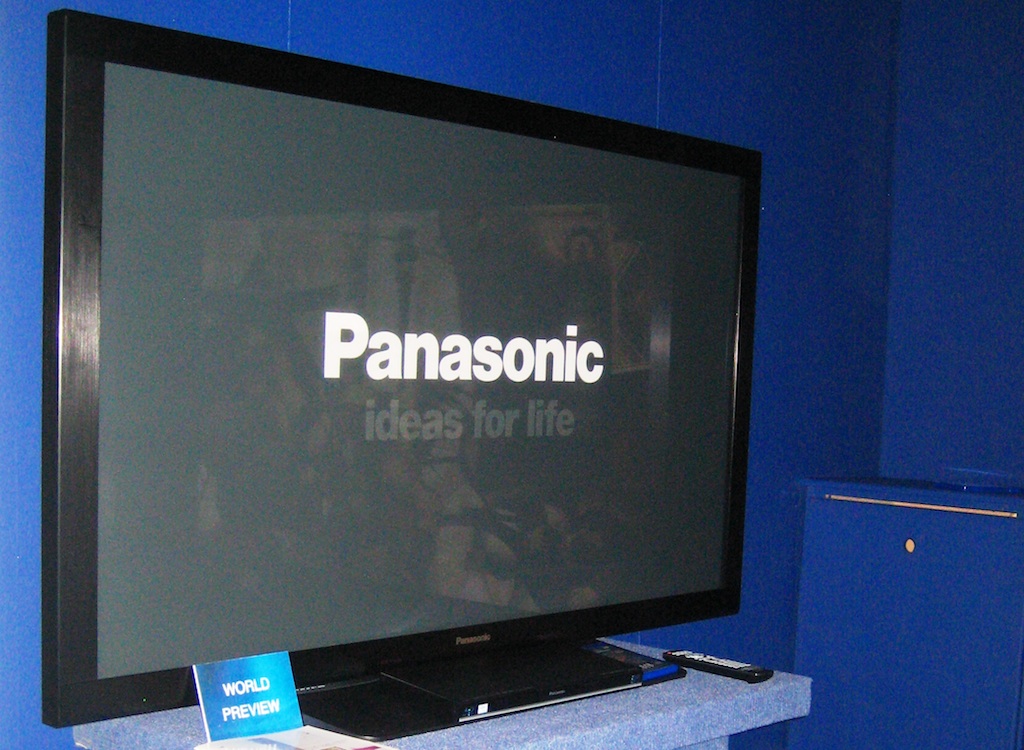 Panasonic ha anunciado una nueva pantalla de plasma profesional de 65 inches, el primer modelo de la gama VX300. La nueva tecnología high-speed drive consigue imágenes en 3D claras y detalladas, incluso en paneles de gran tamaño. Las prestaciones profesionales de esta tecnología duplican la reproducción de color en comparación con los modelos convencionales. Besides, ofrece una gradación suave, natural y con negros profundos que dobla la de los modelos convencionales, lo que supone una expresión más rica en las zonas oscuras. Como ha señalado David Martín, director general de MKT de pantallas profesionales de Panasonic Marketing Europe, “esta pantalla permitirá llevar tecnología de la industria de broadcast a los hogares para ofrecerles una experiencia con imágenes de extraordinaria calidad y realistas en 3D. However, la diversidad de características y tamaños permite su uso en otras industrias, como la post-producción, retail, diseño y simulación. Continuamos desarrollando tecnología para un gran número de sectores sin que la calidad se vea afectada”. La VX300 tiene varias características personalizables para clientes de Home Cinema de clase alta que pueden mejorar la imagen y la experiencia de visualización. Entre estas características se incluyen la gama de colores, que cuenta con cinco ajustes diferentes, una función personalizada que permite a los usuarios modificar los parámetros del RGB, y menús de ajuste como las cinco opciones de la curva gamma, balance de blancos y una memoria avanzada que permite a los usuarios nombrar o guardar los datos. Besides, la función independiente de encendido/apagado de RGB comprueba los colores secundarios o las imágenes monocromáticas. Para postproducción, la pantalla permite la corrección de color simultánea, permitiendo que la imagen derecha y la izquierda del 3D puedan estar en pantalla al mismo tiempo, que es el método más utilizado para la corrección de color en la industria. El monitor de forma de onda muestra la forma de onda del trazado de la señal de entrada de vídeo (analógica o digital), la amplitud en función del tiempo, para garantizar gamas de señal precisas. En 3D en tiempo real, permite a los usuarios comprobar la señal y las diferentes configuraciones procedentes de las grabaciones con cámara 3D.
Did you like this article?
Subscribe to our NEWSLETTER and you won't miss anything.
Related articles
 MaxHub presents its new Ultra-Wide 5K display for collaboration
 Keneon presents its professional touch screen 98 inches 4K UHD
 NEC EX341R: Ergonomic professional monitor with curved screen 34 inches
 B-Tech presents its new range of kiosks for screens 27 a 98 inches
 Dnp denmark presents its new Supernova XL screen, equivalent to 240 inches
 Sharp to unveil at ISE 2013 your new LCD screen for digital signage 90 inches
 Panasonic launches the new professional series of LCD displays for digital signage LF5
 Techex introduces the new series of Erard Pro Cliff display wall mounts
 Panasonic's new interactive plasma display will feature models of 65, 85 y 103 inches
 Panasonic presents a new interactive plasma screen for professional presentations
 Fenwal presents the new Aurora system for plasma collection
 Panasonic's new GT32-E touch screen for outdoor applications
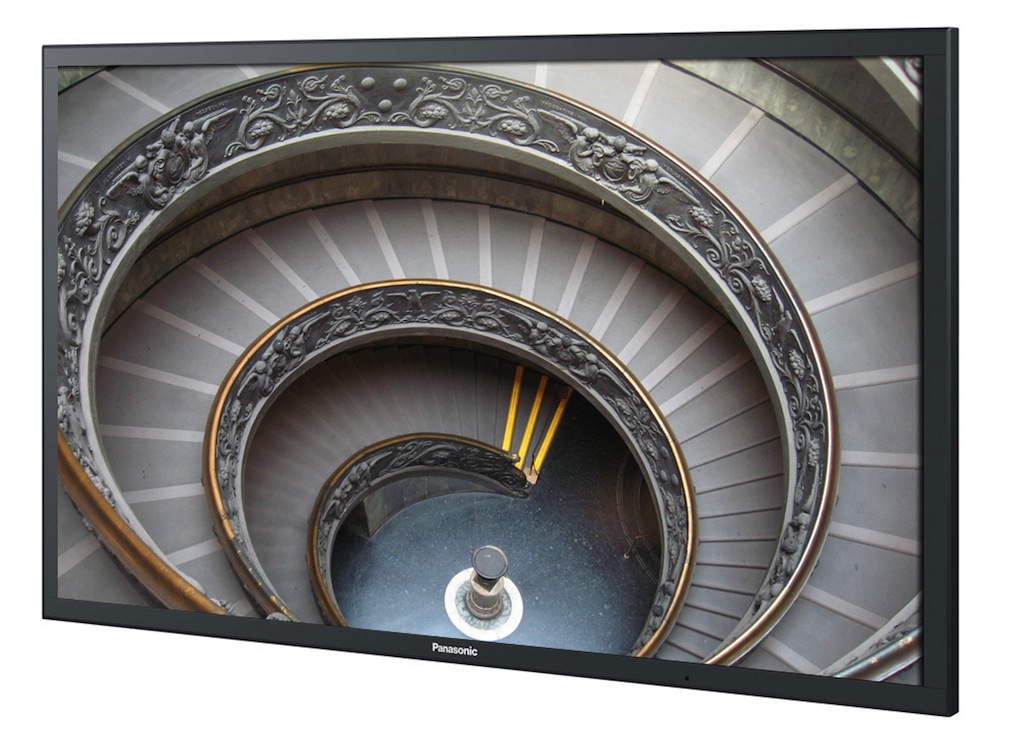 Panasonic plasma technology is the new addition to the Vatican Museums
 Panasonic launches the world's largest Full HD 3D professional plasma