

Digitalization and mobility mark the global differential of the Barajas T4 with Panasonic Toughbook technology
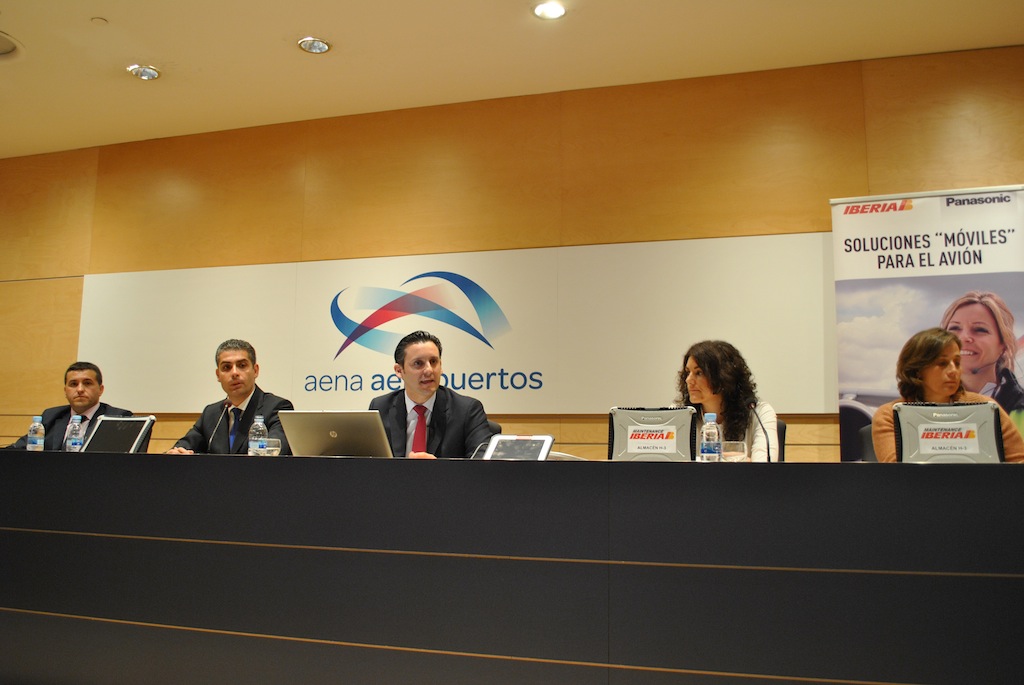
Iberia, AENA y Panasonic Toughbook han presentado en la T4 Madrid-Barajas el proyecto de digitalización y movilidad para la gestión aeroportuaria en todas sus fases, que convierten a este aeropuerto en el primer hub del mundo en el que la movilidad es un elemento transversal en todos los procesos de la aerolínea.
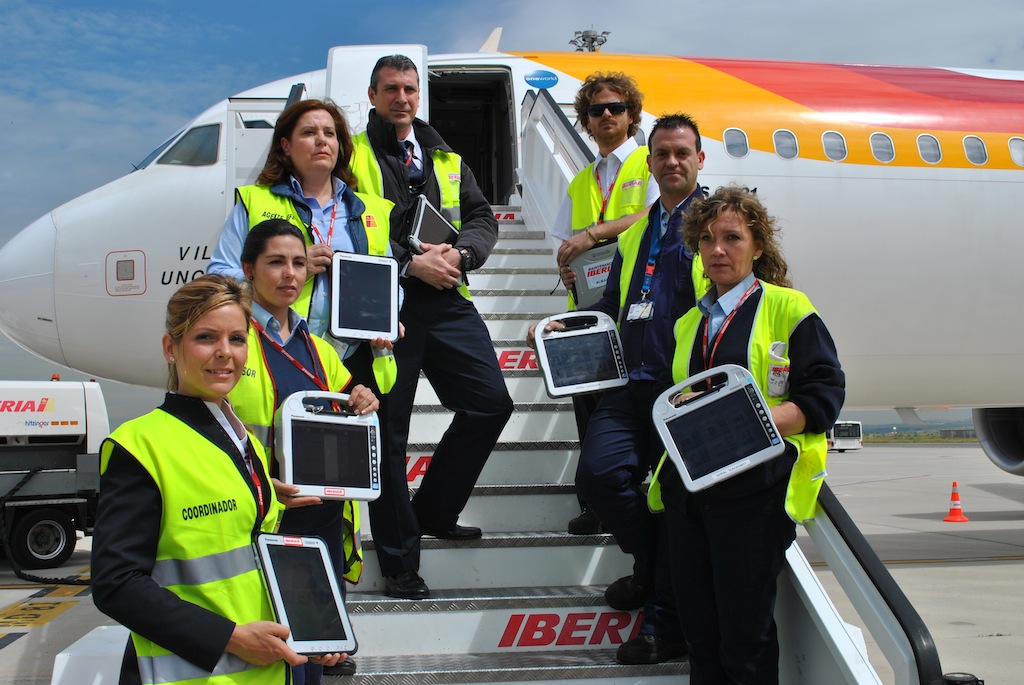
La T4 Madrid-Barajas ha desplegado soluciones transversales de movilidad y digitalización para todos los servicios de rampa, desde el mantenimiento del avión a la coordinación de todos los trabajos necesarios para la salida de los vuelos, fruto de la colaboración tecnológica entre Iberia, Aena y Panasonic Toughbook.
Este nuevo plan de gestión aeroportuaria se basa en el uso de dispositivos móviles en todas sus fases, como parte del plan estratégico de la compañía -el proyecto Ágora- para incrementar la eficiencia, la puntualidad y el servicio al cliente, que convierten a la T4 en el primer hub del mundo en el que la movilidad es un elemento transversal de toda la gestión aeroportuaria.
 Dimitris Bountolos, subdirector de coordinación y hub de Iberia, asegura que “este aeropuerto se mueve en un entorno digital 24×7, con una identidad similar a la de nuestros clientes de estar siempre conectados. Por ello nuestros procesos se han de adaptar a esta realidad que, en nuestro caso, es una auténtica revolución de la gestión aeroportuaria y un hito en esta industria”.
Información en tiempo real y eficacia
In this sense, Iberia ha desarrollado las aplicaciones a las que se accede desde los dispositivos de Panasonic Toughbook, división especializada en soluciones de dispositivos móviles robustos para empresas, que facilitan y mejoran la eficiencia todos los procesos “con información en tiempo real, rapidez de ejecución y toma de decisiones”, puntualiza Bountolos.
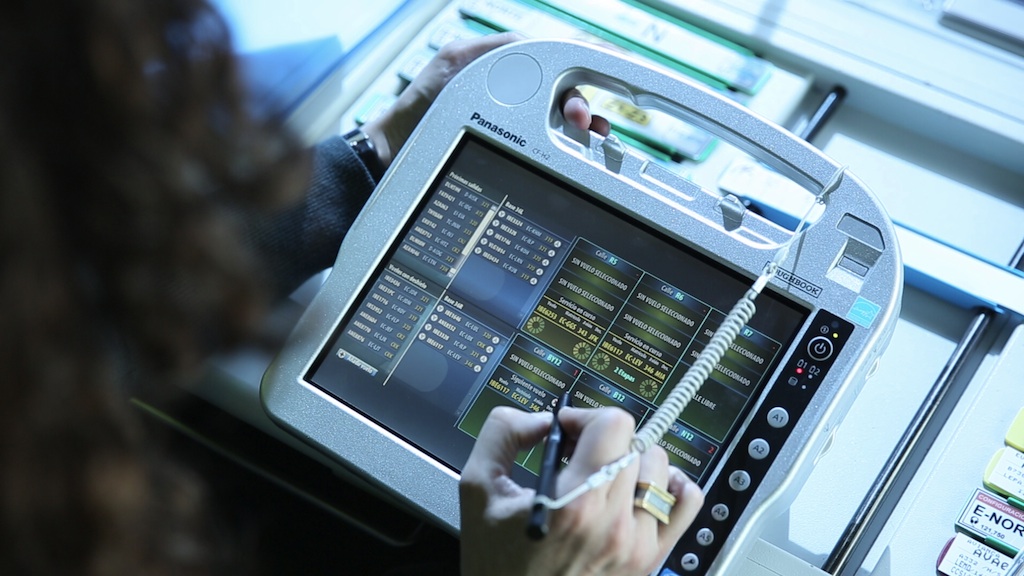
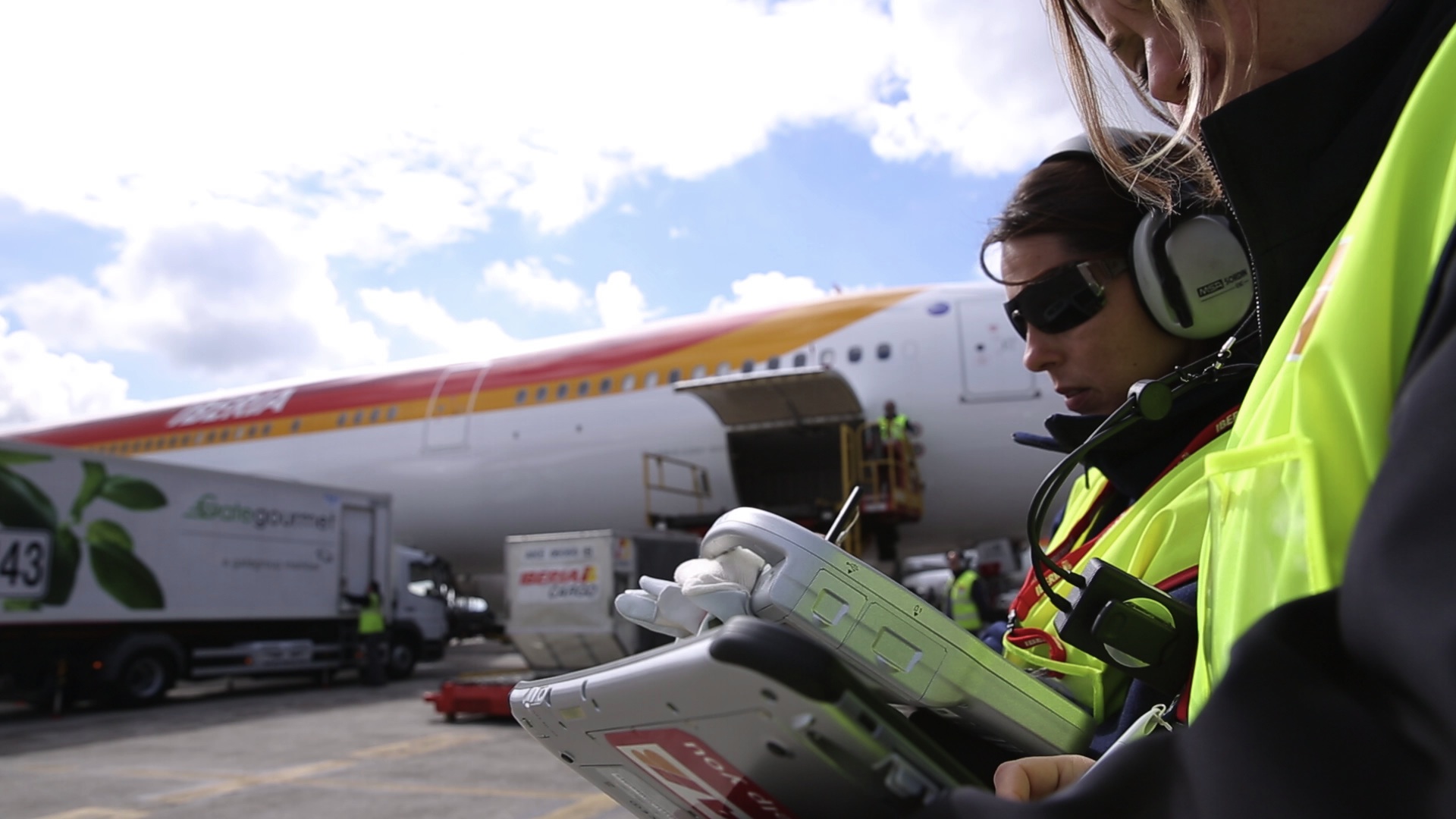 Entre estas aplicaciones de servicios de rampa están las de mantenimiento del avión; repostaje y revisión de los equipos de asistencia; gestión de equipajes (en muelle y en carga/descarga del vuelo); coordinación de todas las tareas para la salida de vuelos (carga, catering,…) y deshielo, con total trazabilidad de todos los procesos.
Gracias al uso de estos dispositivos móviles “los empleados dispondrán de información en tiempo real de toda la operativa, se podrán anticipar a posibles incidencias, mejorarán la gestión de los recursos disponibles y, above all, reducirán el tiempo de ejecución de las tareas asignadas, con la consiguiente mejora en la calidad del servicio al cliente”, explica el directivo de Iberia.
Entre los beneficios de esta transformación a la movilidad, Bountolos destaca la eficiencia en todos los procesos que se realizan alrededor del avión, con información vital en tiempo real; la mejora de la puntualidad y la supresión del papel en toda la operación en rampa (around 12,2 tons).
Bountolos asegura que “ningún otro operador de handling había desplegado hasta la fecha soluciones transversales de movilidad para todos los servicios de rampa”.
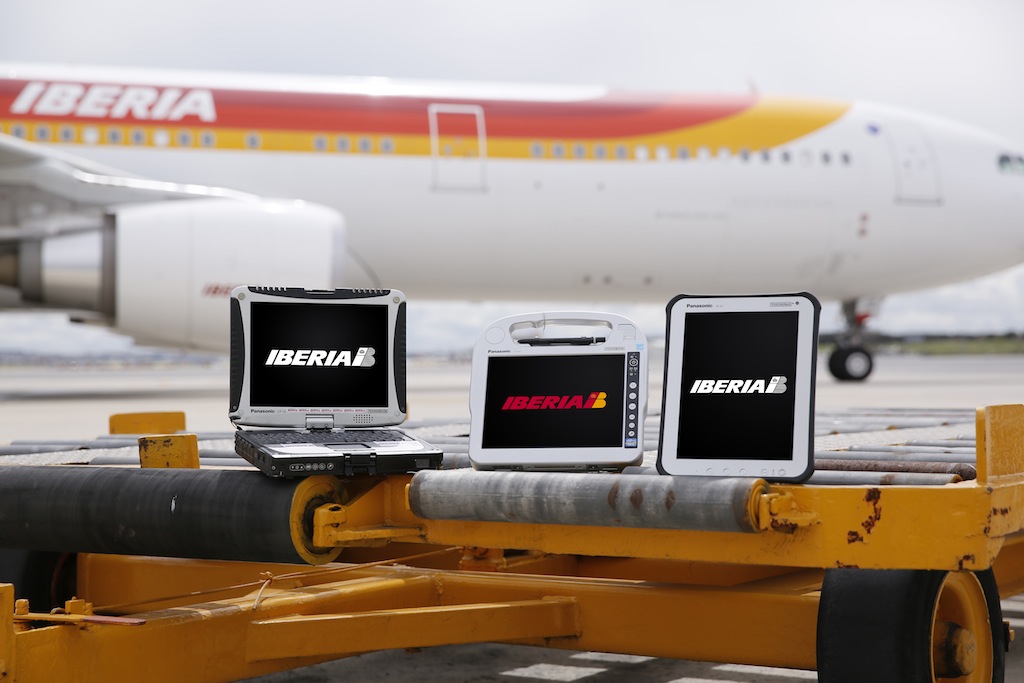
Seguridad y alta resistencia
Como señala Francesc Castro, country manager de Panasonic Toughbook para España y Portugal, “este proyecto ha sido un gran reto por la complejidad del entorno, con el desarrollo de tecnologías y aplicaciones que aportan valor y que han situado a Iberia y AENA como pioneros a nivel global en implementación de soluciones de movilidad en toda su gestión”.
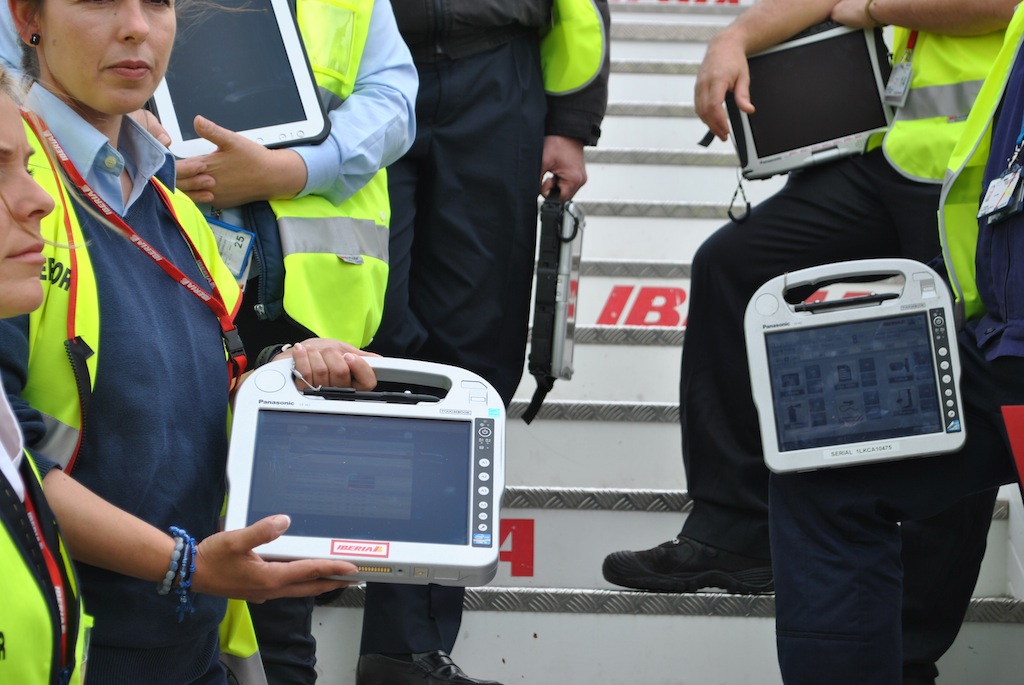 Entre los requisitos que ha cumplido este partner tecnológico en sus dispositivos estaban la máxima legibilidad y visión en pantallas (full HD, con cristal reforzado, transflectivo y tecnología IPS) y robustez del equipo (certificado de protección IP65); mayor autonomía de la batería; ergonomía de uso en el puesto de trabajo (con fundas adaptadas y accesorios que permitan la movilidad del empleado); lectura de código de barras; conectividad 3G y WiFi y sistema Android, Windows,…
Panasonic Toughbook ha suministrado unos doscientos equipos de los modelos CF-19 (ordenadores rugerizados) y FZ-A1 (pills). También se han dispuestos armarios inteligentes de gestión de equipos con etiquetas RFID para que cada dispositivo este disponible en autonomía para su respectivo empleado, que accede al mismo con su tarjeta con chip NFC.
En cuanto a seguridad se refiere, además del login del empleado, cada dispositivo cuenta con tres niveles de encriptación y GPS, con gestión en remoto desde la unidad de control y desactivación si se detecta alguna anomalía. Todos los empleados han recibido cursos de formación y en unos meses estarán operativos al cien por cien.
“El valor añadido de este proyecto -explica Bountolos- es el software, desarrollado por la dirección de sistemas de Iberia y en colaboración con partners, con aplicaciones propias para cada una de las fases de gestión aeroportuaria, que ahora estamos evolucionando a movilidad y que podremos trasladar a otros aeropuertos, como business case locales, estudiando cada necesidad”.
Proyecto Ágora 3.0
El proyecto Ágora, con ejecución hasta 2015 en colaboración con AENA, se basa en tres ejes vertebrales dentro del complejo ecosistema de la gestión aeroportuaria: incrementar la puntualidad, eficiencia y rapidez de ejecución y excelencia en la calidad del servicio al cliente “para situar la T4 de Barajas entre los grandes hubs del mundo”, subraya Bountolos.
Esta transformación del negocio de Iberia “tiene como motor de cambio y pieza clave del proyecto a los empleados –recalca este directivo-, que han participado a través de todas las divisiones de Iberia en la campaña ‘Poner el corazón en la T4’ durante el año pasado trabajando de forma transversal con la compañía y los partners tecnológicos”.
Actualmente hay más de cien iniciativas en marcha de Ágora para mejorar procesos y la atención al cliente, como los agentes virtuales; las pantallas para orientar en la facturación y displays de gestión de filas de espera; la nueva aplicación de los quioscos de check-in; el control de bonos de comidas a través de PDA o la monitorización de tripulaciones también vía PDA, etc.
Did you like this article?
Subscribe to our NEWSLETTER and you won't miss anything.
Related articles
 LG transforma la digitalización hotelera con alta tecnología de imagen y eficiencia
 Led display technology marks the growth of the global market
 Panasonic impulsa la digitalización en las gasolineras con su sistema ESL
 Wallbox apuesta por la digitalización y la tecnología Led en sus nuevas oficinas
 Led and Android technology 7 mark the news in the Philips PDS line of digital screens
 Innovation and technology mark the new edition of SIMO Educación that opens its doors today
 Madrid City Council is committed to smart mobility with Kapsch technology
 La tecnología láser Dura Core y 4K UHD marcan la presencia de Optoma en ISE 2017
 Panasonic Toughbook CF-20 guarantees performance and reliability in difficult environments
 La tecnología IP y el cloud marcan la presencia de Cisco en IBC 2015
 La tecnología AV de Panasonic trae a la vida la historia vivida en el Upton House durante la II Guerra Mundial
 Panasonic Toughbook CF-MX4: Convertible into tablet and notebook for the professional environment
 MMD and AOC present their differential technology to maintain their leadership in the monitor market
 Curved design with Oled technology and ultra-high resolution mark the developments in TV screens