


The European Commission recognizes the successful results of the SmartSantander project, led by Telefónica
SmartSantander is a European project led by Telefónica, with the technical support of the University of Cantabria and the collaboration of the Santander City Council, que ha convertido a este municipio en la primera ciudad inteligente integral de Europa y que la Comisión Europea ha evaluado como “el proyecto que ha alcanzado con éxito todos sus objetivos, superando incluso las expectativas iniciales”.
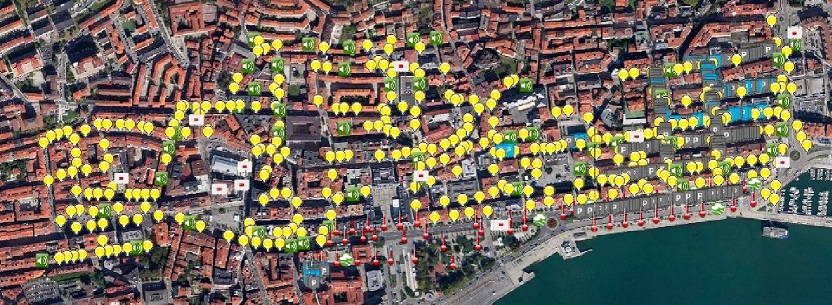
El proyecto europeo sobre Internet de las Cosas (IoT) led by Telefónica R&D, called SmartSantander, ha presentado los resultados finales de tres años de actividad, que han convertido a Santander en la primera ciudad inteligente integral de Europa y en referencia internacional en el diseño de una smart city (más información en la noticia publicada en Digital AV Magazine).
 Además de valorar que “el proyecto ha alcanzado con éxito todos sus objetivos, superando incluso las expectativas iniciales”, la Comisión Europea ha resaltado la excelente dirección llevada a cabo por Telefónica I+D y la coordinación técnica de la Universidad de Cantabria. En su despliegue y difusión ha colaborado también de manera sobresaliente el Ayuntamiento de Santander.
La implicación de Telefónica con el proyecto y con Santander ha sido completa. Además de coordinar y dirigir la actividad de veinticuatro instituciones europeas y una australiana (socios en su desarrollo), in 2013 creó en esta ciudad un Centro de Innovación pionero en smart cities, que favorece la innovación en urbes inteligentes y que mantiene relación con instituciones procedentes de todo el mundo. Telefónica ha trasladado los resultados obtenidos en esta experiencia a su diseño de smart cities, al tiempo que lidera el desarrollo de la plataforma europea FI-Ware, que facilita la creación de apps para la Internet del futuro, con aplicación en las más avanzadas smart cities.
Un banco de pruebas de éxito
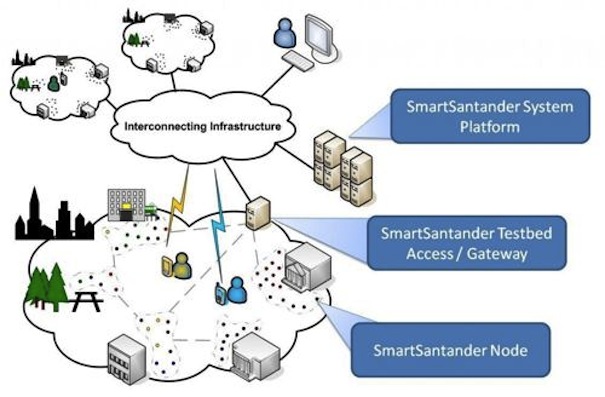
Con un presupuesto de 8,67 million euros, SmartSantander ha hecho realidad la mayor infraestructura urbana existente en el mundo, capaz de proporcionar servicios de smart city a los ciudadanos y de servir de laboratorio a la experimentación científica en el ámbito de las tecnologías de la Internet del futuro e Internet de las cosas (IoT).
La infraestructura desplegada en la ciudad ofrece un banco de pruebas que la Unión Europea ha calificado como esencial para alcanzar el liderazgo europeo en las tecnologías de IoT, y para proporcionar a la comunidad investigadora una plataforma única para la experimentación a gran escala y la evaluación de los conceptos asociados a la IoT en condiciones reales.
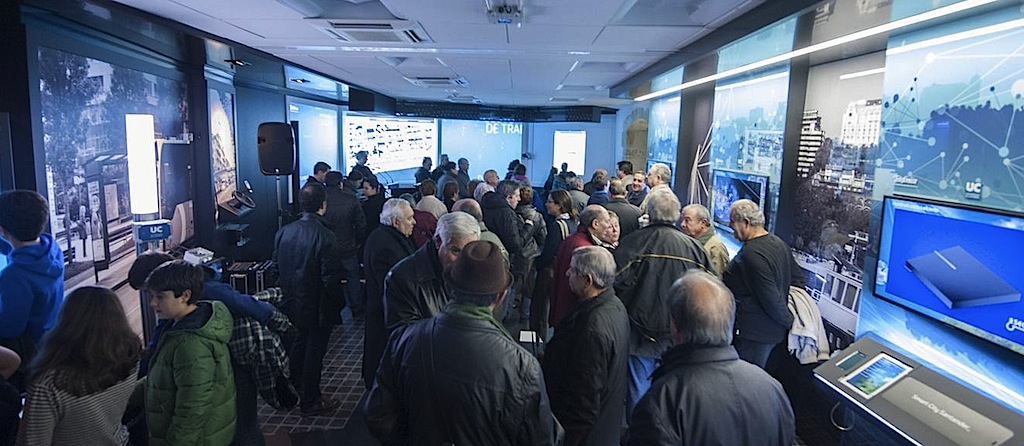
Las conclusiones del informe de la CE se han presentado esta mañana en Santander en un acto encabezado por el alcalde de la ciudad, Íñigo de la Serna Hernáiz, y en el que han participado Eduardo Arasti, consejero de Industria, Innovation, Turismo y Comercio del Gobierno de Cantabria; el rector de la UC, José Carlos Gómez Sal; José Manuel Hernández, de Telefónica I+D y coordinador del proyecto, así como Luis Muñoz, catedrático de Ingeniería Temática de la UC y coordinador técnico de SmartSantander.
20.000 dispositivos transformando una ciudad
El proyecto ha desplegado más de 20.000 dispositivos en Santander y su entorno (sensors, repetidores, pasarelas, pantallas informativas, terminales móviles,…) para diferentes ámbitos de aplicación, como transporte público y movilidad, tráfico, medioambiente, contaminación, gestión de residuos, control de ruidos, climatología, security, gestión del agua, asistencia social y sanitaria, edificios públicos, así como para áreas industriales y residenciales, creando la base para desarrollar una verdadera smart city.
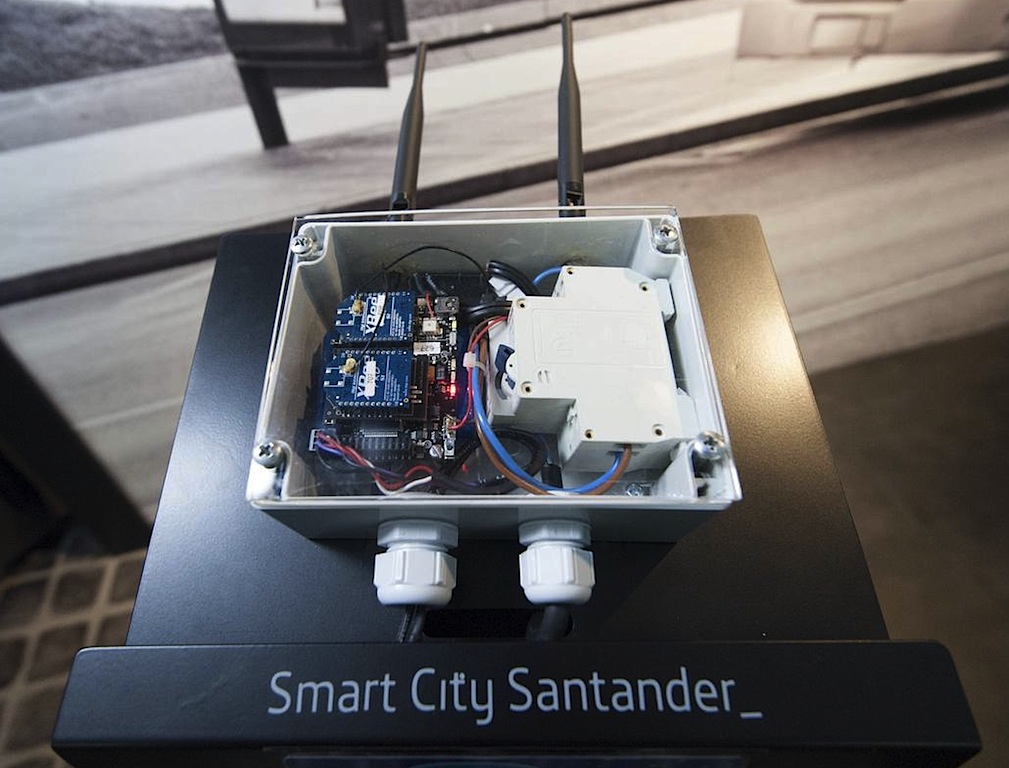 Entre otros ejemplos, esta plataforma inteligente e integrada ofrece control de ocupación y uso de plazas de parking reservadas a personas con movilidad reducida; mejoras en la gestión del tráfico urbano para reducir emisiones contaminantes; monitorización de variables medioambientales para disminuir el gasto de agua en parques y jardines; gestión inteligente del alumbrado público para aminorar el consumo energético adecuándolo a las necesidades reales, etc.
El objetivo ha sido conseguir una ciudad sostenible, eficiente y “verde”, con una gestión inteligente y en la que los ciudadanos pueden interactuar dinámicamente con la administración y con los propios servicios que se ofrecen con el fin de convertirla en lugar mejor para vivir.
Did you like this article?
Subscribe to our NEWSLETTER and you won't miss anything.
Related articles
 Telefónica desarrolla el proyecto AV de la America’s Cup Experience de Barcelona
 The market recognizes nsign.tv as the digital signage technology of the year
 Poly recognizes the wholesale work of Charmex in the Iberian market
 Telefónica Servicios Audiovisuales develops the HUSAL surgical image project
 Shure optimizes audio at the Bulgarian Anti-Discrimination Commission
 Mediapro, Telefónica and TMB: first augmented reality project on 5G on a tourist bus
 Coruña Smart City completes its first phase of implementation of the project led by Indra
 Telefónica Learning Services changes its name to Telefónica Digital Education
La Fundación Everis reconoce la innovación en el XIV Premio Emprendedores
Telefónica y la CAM crean el proyecto Code Madrid para formar a los docentes en robótica y programación
Los monitores DynamicX2 de Arthur Holm facilitan la labor de los intérpretes en las salas de reunión de la Comisión Europea
Telefónica Learning Services changes its name to Telefónica Digital Education
La Fundación Everis reconoce la innovación en el XIV Premio Emprendedores
Telefónica y la CAM crean el proyecto Code Madrid para formar a los docentes en robótica y programación
Los monitores DynamicX2 de Arthur Holm facilitan la labor de los intérpretes en las salas de reunión de la Comisión Europea
 Fiberio, primera pantalla táctil que reconoce las huellas dactilares
 The European Commission chooses HP for the installation of mission-critical servers
 Telefónica and SARquavitae will collaborate on a joint telemedicine and telecare project