





Pixel Inspiration creates digital signage network, based on Scala, for the stores of the English retailer Argos
The digital signage network that Pixel Inspiration is installing in the English Argos stores, powered by Scala, has optimized its customers' purchases and simplified the company's management and logistics processes.
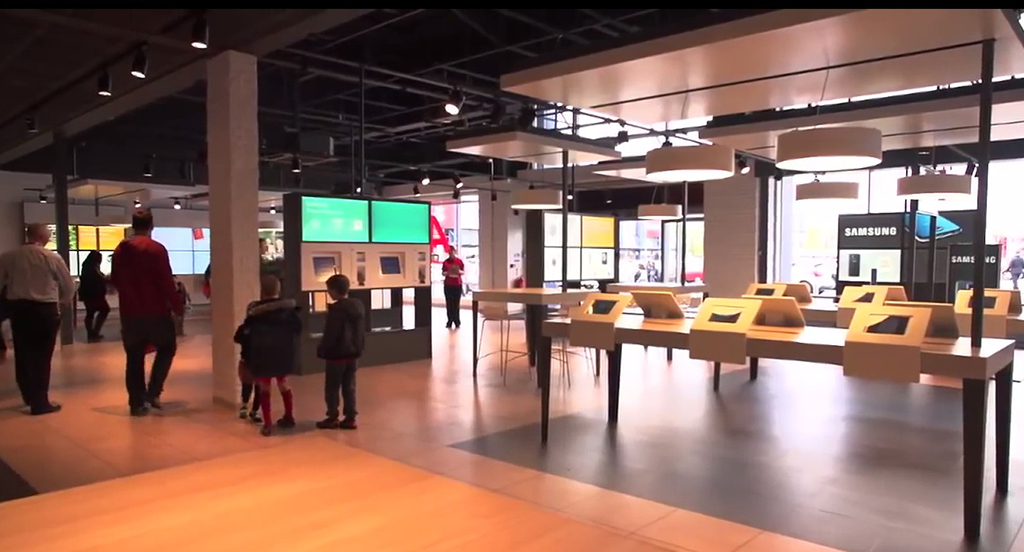
Argos is a retail company whose activity focuses on the sale of a wide range of household appliances., home products, gardening and DIY through its catalog, its website and its more than 700 stores spread across the UK and Ireland. Some stores that have decided to renovate and in which they are beginning to introduce visual digitalization solutions to make the customer experience more attractive.
The project was commissioned to the company Pixel Inspiration which has already installed a digital signage solution made up of a wide variety of screens of different sizes and configurations in six of its stores in England.
In each of them, Pixel has implemented, at the entrance, a video wall of 1×3 that welcomes customers and introduces them to the company's activity and its sales strategy. Later, in the 'Catalog Area', where customers had to search for products in traditional paper formats and write down what they wanted on forms, Information points have been installed that include iPads so that they can digitally navigate around the area. 33.000 products that Argos offers and make the search to find what they need easier.
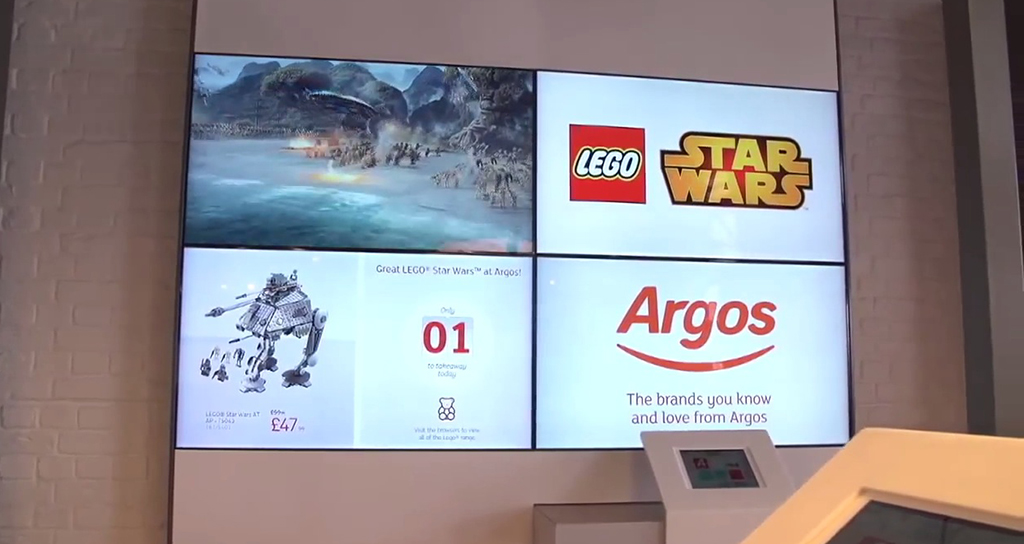
The digitization of their catalog has allowed them to dynamically change product prices, a process that previously only occurred twice a year. This has also been provided with different video walls of 2×2 where new product news is announced, technical specifications of each of them are promoted and provided.
Finally, in the payments and collections section, This digital network continues with two large video screens and 16 screens distributed throughout the store that facilitate processes.
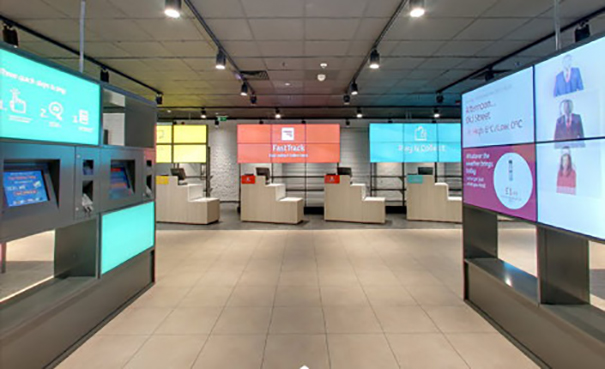
Red digital signage con Scala
Argos needed a digital signage network that was capable of dynamically updating prices, new products and promotions and, for his part, Píxel was aware from the beginning of the project that any functionality implemented for the first six warehouses should be scalable and that it will not pose any fundamental changes when implementing it in the rest of the locations..
This is why, that it was decided to build the infrastructure with the tools of Scala since its rules-based programming, templates and dynamic data support in real time was ideal to create a network of this type. The tools used in this project have been Scala Content Manager and Scala Player.
[youtube]https://www.youtube.com/watch?v=ekrHAzr1f4I[/youtube]
Did you like this article?
Subscribe to our NEWSLETTER and you won't miss anything.
Related articles
 Visix Adds AI-Based Messaging to Its Digital Signage CMS
 Save the ePoster: Sustainable signage solutions for retail
 Signagelive and meldCX offer digital signage based on AI data
 Samsung and RedMedia take digital signage in retail to a new level
 Bluefin serie R: Cost-effective digital signage based on Android and Linux
 Samsung creates a program for its digital signage and professional display partners
 Signagelive and meldCX team up to develop data-driven digital signage
 Krispy Kreme Edinburgh creates an original digital signage solution to attract customers
 Scala Enterprise 12.50: simpler and more intuitive digital signage
 Scala evolves its presentation tool for digital signage with Designer Cloud
 Scala updates to version 12 your Enterprise digital signage platform
 AOpen and Mvix Team Up to Offer Chrome-Based Digital Signage Solution
 Microsoft creates an experience for customers to interact with their stores' digital signage network
Ikea Switzerland deploys a digital signage network based on SSP from Samsung and Scala
Microsoft creates an experience for customers to interact with their stores' digital signage network
Ikea Switzerland deploys a digital signage network based on SSP from Samsung and Scala