


Arrojando luz sobre la iluminación de fósforo láser
Marcos Fernandez, director de Christie para España y Portugal, explica en esta columna los beneficios que ofrecen los proyectores basados en láser frente a los equipos de lámparas, marcando las diferencias existentes entre los sistemas láser puro, fósforo láser y fósforo láser híbrido.

In recent years, el interés en los proyectores láser ha ido en aumento dentro de la industria Pro AV. Considerados como un desarrollo tecnológico de primer orden, que eventualmente podría reemplazar a los sistemas basados en lámparas tradicionales, los fabricantes están empezando a comercializar proyectores basados en láser y a describirlos utilizando términos como láser puro, fósforo láser o fósforo láser híbrido. Para los clientes, la iluminación láser ofrece varios beneficios sobre los proyectores basados en lámpara. However, es importante entender algunas de las diferencias entre estos nuevos sistemas.
 El láser puro, también conocido como 3-Primario (3P) o láser RGB, genera luz directamente de tres láseres individuales: rojos, verdes y azules.
La principal ventaja de un sistema láser RGB es la salida de luz, al tiempo que logra un mayor rendimiento en otros parámetros de calidad de imagen estándar como la gama de color, la relación de contraste y el rango dinámico, en comparación con los sistemas estándar basados en lámparas. Como tal, el láser RGB es ideal para aplicaciones de gran formato y para el cine.
La iluminación de fósforo láser, como la utilizada en la Serie GS de Christie, utiliza un diodo láser azul como fuente de luz en vez de una lámpara de descarga de alta intensidad (HID). Para generar los tres colores primarios, el diodo láser emite luz láser sobre una rueda de fósforo para crear luz amarilla, mientras que la luz láser azul pasa a través de una abertura en la rueda de fósforo. El proyector envía la luz amarilla a través de una rueda de color para generar el rojo y el verde, mientras que la luz láser azul pasa a través de una ventana diferente.
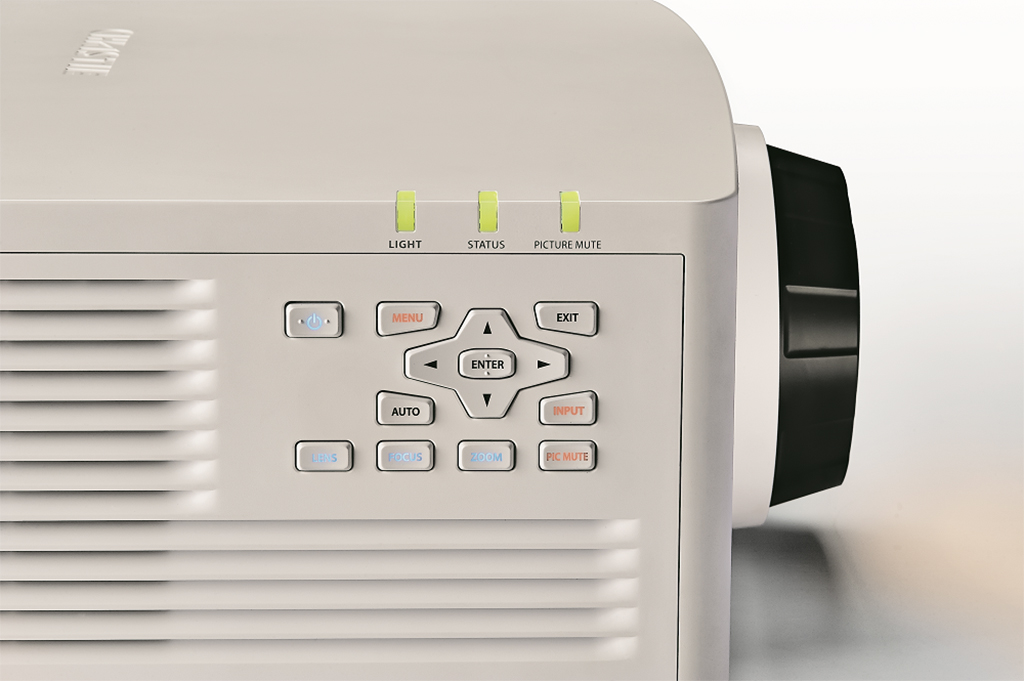 Estos colores rojo, verde y azul son dirigidos sobre una superficie de imágenes, como un chip DLP, que envía la luz a través de una lente y sobre la pantalla de proyección. La ventaja de un proyector de fósforo láser es la larga vida del sistema de iluminación antes de que alcance el 50% de brillo.
Al ser un sistema sin lámpara, el fósforo láser también elimina la necesidad de reposición de lámparas y filtros, lo que reduce el tiempo de inactividad, el mantenimiento y los costos asociados con los proyectores basados en lámpara. La larga vida y bajo mantenimiento de los proyectores de fósforo láser los hacen ideales para salas de juntas corporativas, aulas y entretenimiento basado en la localización.
El fósforo láser
 Un proyector híbrido de fósforo láser es similar a un sistema de fósforo láser, pero con la adición de una segunda o tercera fuente de luz (generalmente de Led) para aumentar la cantidad de color rojo que se produce.
Algunos fabricantes afirman que sus proyectores de fósforo láser proporcionan un funcionamiento ‘libre de mantenimiento’. ¡Hay que tener cuidado con este tipo de afirmaciones!
Si bien es cierto que los sistemas de iluminación de fósforo láser son de estado sólido y no requieren ningún tipo de mantenimiento a lo largo de su ciclo de vida, esto sólo se aplica al motor de luz. Los proyectores basados en láser siguen requiriendo de un mantenimiento regular, como por ejemplo la limpieza de los ventiladores y de los lentes para maximizar la eficiencia y el rendimiento.
El desarrollo de proyección basada en el láser es una posibilidad muy interesante. Con el aumento del brillo, del rendimiento y de la vida útil, los clientes serán capaces de cosechar el beneficio de estos nuevos sistemas. However, como con cualquier nueva tecnología, es importante entender exactamente lo que ofrecen estos nuevos avances.
Marcos Fernandez
Director de Christie para España y Portugal

Did you like this article?
Subscribe to our NEWSLETTER and you won't miss anything.
Related articles
 Ayrton Cobra: IP65 luminaire with phosphor laser source
 Christie DHD635-GS y DWU635-GS: laser phosphor projection for fixed and rental installations
 Christie Crimson laser phosphor 3DLP projectors debut at ISE 2018
 “En Christie llevamos la proyección de fósforo láser a un nivel superior con BoldColor”
Christie Crimson: laser phosphor 3DLP projectors with 25.000 lumens for rental and fixed installations
“En Christie llevamos la proyección de fósforo láser a un nivel superior con BoldColor”
Christie Crimson: laser phosphor 3DLP projectors with 25.000 lumens for rental and fixed installations
 Christie Serie 630-GS: Compact and versatile high-brightness, low-noise laser phosphor projectors
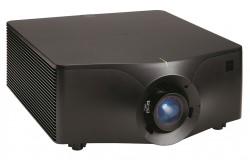 Christie DHD1075-GS y DWU1075-GS: robustos proyectores de fósforo láser para uso continuado e intensivo
 Optoma ZU510T-W: laser phosphor projector for fixed AV installations
 Big Video Expands Rental Fleet with Christie HS Series Laser Phosphor Projectors
Christie completes its range of projectors 1 DLP Serie GS con 4 laser match models
Big Video Expands Rental Fleet with Christie HS Series Laser Phosphor Projectors
Christie completes its range of projectors 1 DLP Serie GS con 4 laser match models
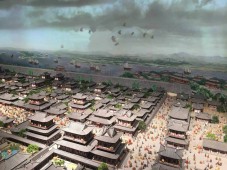 Christie's GS Series Laser Phosphorus Reconstructs the Splendor of the Only Chinese Empress
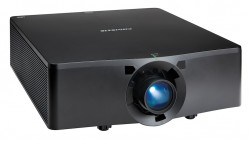 Christie Serie HS: new 1DLP laser phosphor benchmark with 12.000 lumens and HD
 Christie's laser phosphor projection creates futuristic look for 'TVEmos' show
 Captiva Series Expands Christie's Line of 1DLP Laser Phosphor Projectors