

Signes analiza las ventajas del wayfinding en proyectos de señalización digital interactiva
Cada vez son más numerosos los elementos involucrados en la utilización del digital signage, así como de los componentes de una red en este tipo de proyectos. Este fabricante e integrador de identidad corporativa y señalización digital de espacios ha identificado las opciones y ventajas del wayfinding digital para ofrecer a los usuarios mayor información.
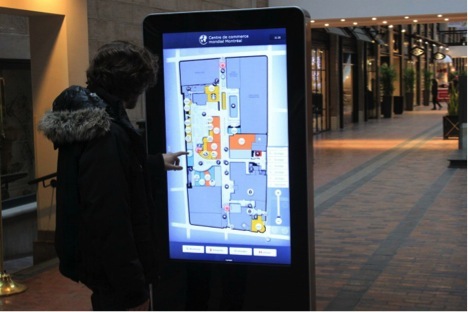 Numerosas organizaciones recurren cada vez más a la señalización digital como alternativa a la comunicación impresa tradicional, que permite una relación con los clientes más dinámica, interactiva y resolutiva que la segunda. Signes, especialista en desarrollo e implantación de sistemas digitales de identidad corporativa, así como en el estudio de necesidades para la señalización de espacios, analiza las opciones que ofrece un sistema de wayfinding digital para mejorar la comunicación.
As this company points out, para entender cuáles son las opciones que ofrece un wayfinding digital es imprescindible comprender primero los tipos de mapas wayfinding y sus correspondientes características, el tipo de información, así como el modo en el que se presenta:
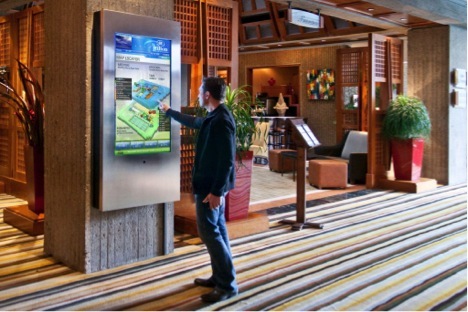 Estática, la pantalla digital simplemente muestra un mapa y la información asociada. El usuario no cuenta con la posibilidad de solicitar una ruta o recorrido alternativo con información específica sobre su consulta. However, en este tipo de comunicación estática, la utilización de colores, graphics, animación y otras técnicas potencian la información que se muestra y que la visualización del mapa en la pantalla digital sea más llamativa y atractiva.
Vista 2.5D/3D, que hace referencia en el primer caso cuando mediante vistas en ángulo y representaciones sombreadas cambia la imagen de perspectiva. Ambas proporcionan información realista de ubicaciones situadas en varios pisos y/o niveles de una instalación.
Dinámica no interactiva, proporciona información que puede cambiar en función de un CMS (content management system) o de la actualización de la base de dato, inter alia, para la introducción de ubicaciones nuevas, si bien no ofrece al usuario una respuesta directa a la consulta plasmada en la pantalla.
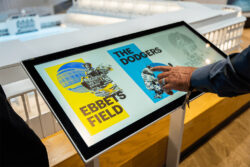
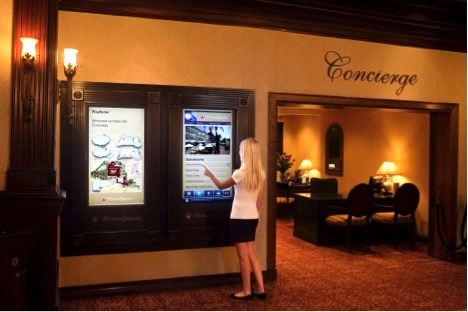 Dinámica interactiva, que permite al usuario seleccionar, ver los detalles y hacer zoom sobre el destino al que quiere acudir, así como obtener rutas y direcciones alternativas.
La interacción se realiza normalmente sobre una pantalla digital táctil. Los mapas suelen resaltar el origen (dónde se encuentra el usuario en dicho momento) y el destino especificado, que en algunos casos se completa con información alternativa y contenido promocional.
Una vez tomada la decisión de incluir un wayfinding digital en un proyecto de digital signage, los responsables de Signes apuntan que es imprescindible seguir los siguientes pasos: identificar los objetivos (incluyendo información del recorrido); decidir si la señalización digital conviene que sea interactiva o no; crear los mapas; mejorar la comunicación con información alternativa o contenido promocional; definir la colocación de las pantallas, principalmente en zonas con gran tránsito y afluencia de personas, como las entradas y las salidas, y mantener la base de datos permanentemente actualizada.
Did you like this article?
Subscribe to our NEWSLETTER and you won't miss anything.
Related articles
 Uniguest improves interactive digital signage with new Onelan update
 Ideum Reader Rail fomenta la señalización digital interactiva en las zonas de exhibición
 AG Neovo TX-3202: touch screen for interactive digital signage
 La pantalla interactiva i3touch EX añade una función de señalización digital
 RISE Spotlight analiza las soluciones de señalización digital para una nueva era
 AVIT Vision shows the advantages of Hisense's WR interactive whiteboard
 Samsung and d'strict partner to showcase the potential of digital signage in artistic projects
 Videotel VP90 QR: señalización digital interactiva sin tacto en la era pos-COVID-19
 Shuttle P90U: sistema todo en uno para autoservicio y señalización digital interactiva
 Now 5502L: interactive digital signage 55 inches and up to twelve simultaneous touches
 Beyerdynamic analyzes the advantages of its Revoluto microphones in different applications
 Elo ET3209L, monitor táctil con tecnología IT Plus para señalización digital interactiva
Maverick comercializa el sistema Vision Techconnect2 HDMIIP pensado para proyectos de señalización digital
Elo ET3209L, monitor táctil con tecnología IT Plus para señalización digital interactiva
Maverick comercializa el sistema Vision Techconnect2 HDMIIP pensado para proyectos de señalización digital
 Blusens llevó a Cabsat 2012 su revolucionario sistema de señalización digital interactiva