


Japan Display mejora la experiencia visual en realidad virtual con un panel de 651 ppp
Diseñado específicamente para su utilización en gafas o cascos de realidad virtual, la compañía ha incorporado su última tecnología LCD TFT LTPS para mejorar la tasa de refresco de la pantalla y, mainly, eliminar las líneas visibles entre la separación de los píxeles.
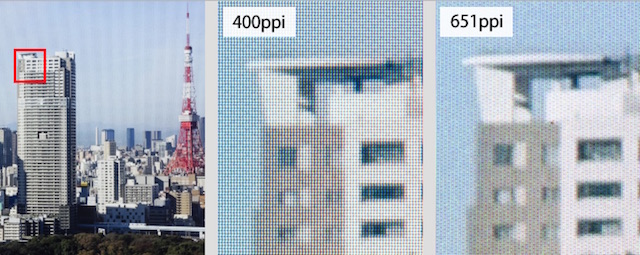
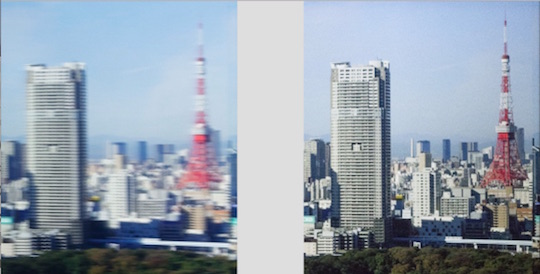
La tecnología LCD TFT LTPS con la que Japan Display (JDI) ha desarrollado su nuevo panel, de 3,42” para dispositivos de realidad virtual, resuelve los molestos problemas visuales de densidad de píxeles y tasa de refresco, ya que aporta 651 ppp, lo que elimina prácticamente las líneas visibles entre separación de píxeles, y una resolución de 1.440×1.700p (ver imágenes adjuntas).
Until now, los dispositivos más conocidos del mercado de realidad virtual, como HTC Vive, Oculus Rift y PlayStation VR, por citar algunos, utilizan paneles con una densidad de píxeles que oscila de los 386, 461 a los 447ppp, respectively, según el comunicado facilitado por JDI, y sólo ha superado el listón de los 500 ppp el dispositivo Gear VR de Samsung, que cuenta con una pantalla con 557 ppp.
 El nuevo panel de JDI para dispositivos de realidad virtual iguala la tasa de refresco de 90 Hz con la que ya cuentan algunas gafas y cascos para reducir la imágenes borrosas y evitar mareos, con un tiempo de respuesta de 3 ms en la latencia de negro a blanco y de 6 ms en el peor de los casos, según los datos facilitados por la compañía, a lo que se añade un brillo de 150 cd/m2 y un ratio de contraste de 700:1.
Japan Display prevé a corto plazo desarrollar una versión de 800 ppp, una densidad algo más baja que la anunciada en el prototipo de Sharp (cercana a los 1.000 ppp), para mejora todavía más la experiencia visual de los usuarios.
Did you like this article?
Subscribe to our NEWSLETTER and you won't miss anything.
Related articles
 Hemisfèric mejora la experiencia visual de su domo con la proyección de Christie
 Virtual Harmony offers an immersive musical and visual experience with Kinetic Module
 The Louvre launches its first virtual reality experience with the Mona Lisa
 El espacio VR Igloo Shared convierte la realidad virtual en una experiencia grupal en 3D
 The Thyssen offers an immersive virtual reality experience on the 'Night of the Museums'
 Magic Leap One: the fusion of virtual and augmented reality for a comprehensive experience
 Málaga se convierte en el Observatorio de Realidad Virtual y repetirá experiencia en 2018
 Colcerámica uses virtual reality to optimize the shopping experience in its stores
Parque Warner takes a step forward in its leisure experience and takes virtual reality to a roller coaster
Colcerámica uses virtual reality to optimize the shopping experience in its stores
Parque Warner takes a step forward in its leisure experience and takes virtual reality to a roller coaster
 The Los Angeles Museum of Natural History exhibits an underwater experience in virtual reality
 Virtual Playground brings the immersive experience of virtual reality to all audiences
 El Farnham Rugby Union Club mejora su experiencia visual con los proyectores de Optoma
 Japan Display creates high-resolution LCD screens 1 mm and low consumption
 ViewSonic revolutionizes the viewing experience with the new VSD220 touchscreen Smart Display