


Mayor IP de las luminarias no es sinónimo de más protección
Existe cierta confusión en torno a la seguridad y grados de protección que ofrecen las IP de las luminarias, tal y como Leandro Boyano, ingeniero I+D iluminación exterior en Artesolar, explica a continuación.
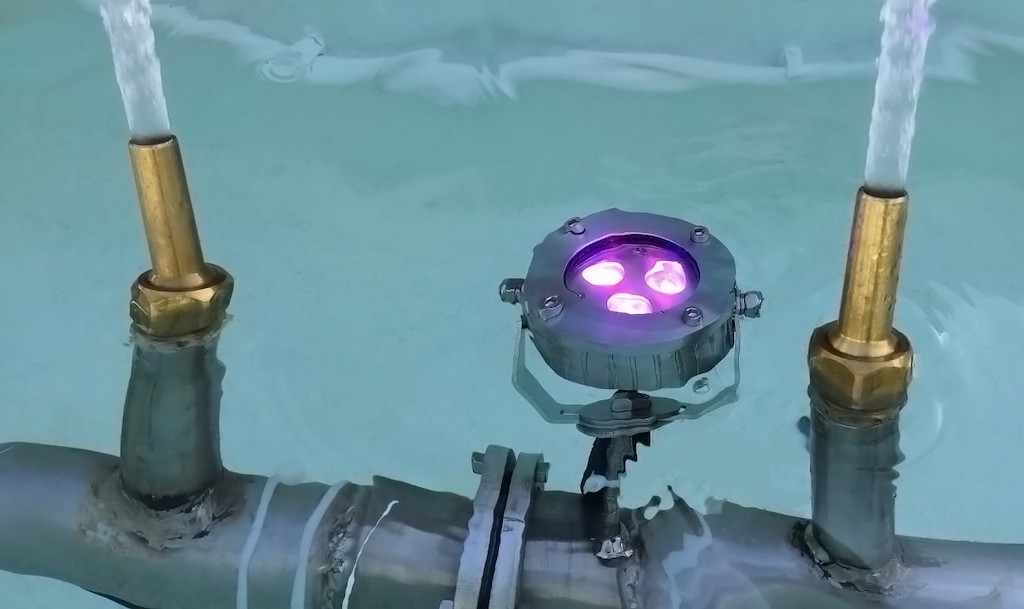
La extendida creencia de que mayor grado IP implica mejor estanqueidad no es cierta en todos los casos. Para los menos avezados, first of all, cabe aclarar que la IP (international protection) son las siglas de dos dígitos que se indican en las lámparas para señalar, con el primer número, la protección contra los objetos y entrada de polvo y, con la segunda, la cobertura contra el agua.
Ambos datos determinan el grado de estanqueidad, that is to say, el ‘blindaje’ o ‘escudo’ frente a elementos externos, como partículas minúsculas en suspensión o elementos líquidos.
Como se indicaba al inicio, although, normally, cuanto mayor es el número IP mayor es la protección, existe una excepción con respecto a los grados de protección contra chorros de agua IPX5-IPX6 y los grados de protección para inmersión IPX7-IPX8.
Siguiendo la mencionada regla general, se consideraría que estas últimas IP protegen mejor una luminaria que las primeras. However, no es así, ya que se valoran mediante ensayos independientes, that is to say, se miden variables distintas. No es lo mismo evaluar la inmersión que la respuesta a un chorro de agua.
Por tanto, las luminarias que superan el test de inmersión (cuyo número, por nomenclatura, es superior) no tienen por qué obtener un resultado favorable en los ensayos de chorro de agua a presión, y viceversa.
In fact, en la última revisión de los ‘Requerimientos técnicos exigibles para luminarias con tecnología Led de alumbrado exterior’, October 2020, se especifica que aunque una luminaria obtenga un IP67 ó IP68, no le exime de justificar que también cumple con el ensayo de IP66.
On the other hand, los grados de protección IP de las luminarias están definidos en la normativa de “Luminarias Parte 1: Requisitos generales y ensayos (UNE-EN 60598-1)”, what, in turn, están basados en la normativa de “Grados de protección proporcionados por las envolventes (UNE-EN 60529)”. However, las condiciones de ensayo son distintas, well, inter alia, la primera es más restrictiva.
La diferencia principal es que la normativa de luminarias establece que los ensayos con líquidos han de realizarse después de haber utilizado la luminaria durante un tiempo determinado. Posteriormente se realiza el apagado y se aplica el chorro de agua fría. Then, se produce un efecto de succión que facilita la entrada de agua en la luminaria y así se evalúa su capacidad de protección.
Ultimately, las condiciones de los ensayos de IP son más exigentes que las de grados IP de envolventes, por lo que el grado de protección que una luminaria obtenga por la normativa de envolventes no significa que vaya a obtener la misma categoría IP bajo la regulación específica de luminarias.
Mención aparte requieren las luminarias marcadas con grado de estanqueidad IPX9. Esta calificación implica que están preparadas para trabajar bajo condiciones de presión y temperatura muy elevadas (For example, para los faros de los coches), pero debe tenerse en cuenta que dicho ensayo no está recogido en la última edición de la normativa de luminarias española, but, at the moment, sólo ha sido adoptado por la regulación internacional equivalente.
En cualquier caso, also, el cumplimiento de un IPX9 no implica que automáticamente se vayan a cumplir los ensayos de IPX7-IPX8, sino que es necesario ensayar bajo las condiciones de ensayo correspondientes.
Leandro Boyano
Ingeniero I+D iluminación exterior en Artesolar

Did you like this article?
Subscribe to our NEWSLETTER and you won't miss anything.
Related articles
 Elation adds IP65 protection to the IPKL Series PAR luminaire
 LG GNEB: pantallas DVLed para exterior con protección de grado marino
 Secure VoIP and UCaaS services ensure data protection
 Ayrton Domino LT: long-range Led luminaire with IP65 protection
 Ayrton Perseus Beam: compact multifunction Led luminaire with IP65 protection
 Crambo Healthcare Point, protección inteligente en espacios públicos
 PixelFlex aporta más protección y durabilidad a las pantallas Led con su tecnología PixelShield
 La consultora española CMC incorpora en sus proyectos la tecnología de protección de archivos de Prot-On
 Tyco se convierte en una empresa de seguridad y protección contra incendios independiente
 Christie technology helps FishNet Security provide high-level protection
 Visualplanet dota de protección UV a sus soluciones de digital signage touchfoil
 Security View, new protection system with video verification from Alentis
 Techex presents the Erard Pro Doohbox screen protection box
 Bosch unveils its extensive portfolio of security solutions at SICUR, protection and PCI