


Proyecto Starline: videollamadas a través de hologramas 3D, el futuro que ofrece Google

Las cabinas de videoconferencia 3D del ‘Proyecto Starline’ of Google, ya instaladas en algunas de sus oficinas, crean un holograma en tamaño natural, gracias las cámaras y sensores distribuidos por la pantalla de 62″, con audio espacial y transmisión de información.
La tecnología holográfica como base de futuro en las videoconferencias se ha convertido en un reto de I+D para las multinacionales que ofrecen plataformas de videoconferencia y colaboración (Cisco, Microsoft), a los que se suman otras propuestas, like that of ArthMedia, Portl Hologram, o la más reciente de Newtonlab Space in it MWC 2021 in Barcelona, para su aplicación en oficinas, eventos, television, formación médica, etc.
“A lo largo de los años, hemos creado productos para ayudar a las personas a sentirse más conectadas; simplificado el correo electrónico con Gmail y facilitamos compartir lo que importa con Photos y ser más productivos con Meet. Pero si bien ha habido avances en estas y otras herramientas de comunicación, están muy lejos de las de sentarse y hablar cara a cara”, explican desde Google.
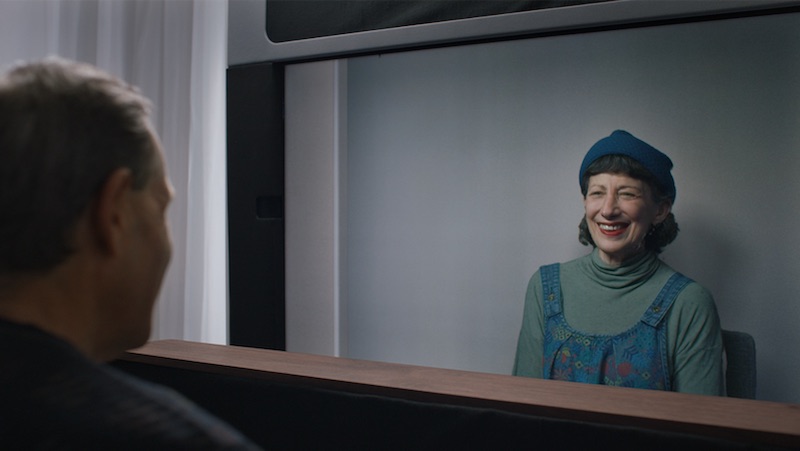
Para resolver este desafío, “hemos estado trabajando durante algunos años en Starline, un proyecto de tecnología que combina avances en hardware y software para permitir que compañeros de trabajo, friends, etc. se sientan juntos, incluso cuando son ciudades o países separados”.
Uno de los desarrollos más avanzados es el que presentó hace apenas un mes Google con su Proyecto Starline: a cabina de videoconferencia con captura de vídeo volumétrico con una pantalla de campo de luz en pantalla de 65″ y audio espacial, que permite ver al interlocutor en 3D en tamaño natural.
“Imagina mirar a través de una especie de ventana mágica y, a través de ella, ver a otra persona, de tamaño natural y en tres dimensiones -describen desde Google-. Puede hablar con naturalidad, hacer gestos y contacto visual”.
Como añaden desde la multinacional (see attached video), llevan trabajando varios años en el Proyecto Starline y en evolución: “estamos aplicando tecnologías avanzadas de visualización en pantalla, de aprendizaje automático, audio espacial y compresión de datos e información para su envío en tiempo real”.
Uno de los mayores avances en este desarrollo ha sido el sistema de visualización de campo de luz, “con el que hemos creado una experiencia de volumen y profundidad 3D, sin tener que usar gafas o auriculares adicionales. El efecto es la sensación de una persona en tamaño natural, como si estuviera en la misma sala, y con la que al iniciar una conversación te olvidas si es una holografía real y de toda la tecnología”.
Toda la información se transmite vía WebRTC, que si bien utiliza la misma arquitectura de código abierto de Google Meet, integra tecnología avanzada de compresión para la transmisión de vídeo 3D sin latencia y de manera bidireccional.
Google, que presentó este avance durante su conferencia anual de desarrolladores, ya ha instalado estas cabinas en algunas de sus oficinas como proyecto piloto.
Did you like this article?
Subscribe to our NEWSLETTER and you won't miss anything.
Related articles
 Matrox Video ofrece control de KVM a través de Internet con Extio 3
 Sweden shows its technological project for the future of higher education with Panasonic
 Biamp offers more freedom of choice in any space or project with Tesira 3.17
 Matrox offers HDCP support through its Mura controller 3.04
 The Altamira Museum offers an interactive experience through social networks
 The Biomuseo offers a journey into the history of Panama through different immersive AV experiences
 Samsung contributes to the launch of the project that promotes digital learning, Classroom of the Future
 Harman offers at ISE 2016 an immersive experience through the integration of its brands
 Hipercom offers its TPaaS cloud telepresence service through Tech Data
 Iralta Fims offers a 360º immersive experience through its new apps
 General Pants offers a new shopping experience to customers through interactive kiosks
 i2CAT coordina el primer proyecto europeo sobre RINA, la arquitectura de red del futuro
 Sueca offers a virtual tour of its heritage through QR codes
 Google presenta su proyecto de gafas con realidad aumentada