


Nureva admite el seguimiento de cámaras de terceros con una API de audio
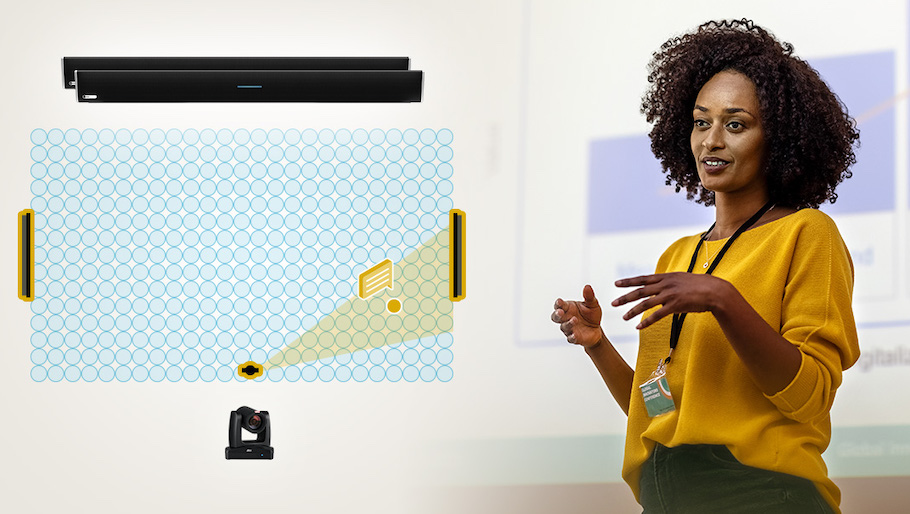
La tecnología patentada Microphone Mist de Nureva ofrece datos precisos de localización de sonido para realizar integraciones de cámaras de terceros en una sala con miles de micrófonos virtuales.
La nueva API del dispositivo de localización de sonido del especialista canadiense en soluciones de audioconferencia transmite datos que identifican dónde están hablando los participantes que están en una sala para dirigir y cambiar las cámaras, de modo que los que están en remoto sigan sin problemas las conversaciones y vean al interlocutor.
Este desarrollo está especialmente indicado para su uso en salas de gran tamaño en las que concurren normalmente un mayor número de participantes, como en espacio de juntas, aulas de educación superior, etc.

A diferencia de los sistemas de microfonía típicos, que dependen de la asignación de áreas a los preajustes de la cámara y sólo aportan datos direccionales de la fuente de sonido o de fuentes de sonido no deseadas (equipos de calefacción, ventilación y aire acondicionado, HVAC), de un altavoz de pared etc; Nureva utiliza micrófonos virtuales como puntos de captación.
La capacidad de procesamiento de la tecnología Microphone Mist, patentada por la compañía, filtra los sonidos no deseados que dificultan que los participantes remotos sigan al presentador. Mediante esta API, las empresas de cámaras tienen fácil acceso a la dirección, ubicación y nivel del sonido del sistema de audio Nureva que se esté utilizando.
Las ubicaciones del sonido se comunican varias veces por segundo para permitir los ajustes automáticos de la cámara en función de la ubicación del orador activo o de la necesidad de cambiar el enfoque entre varios oradores.
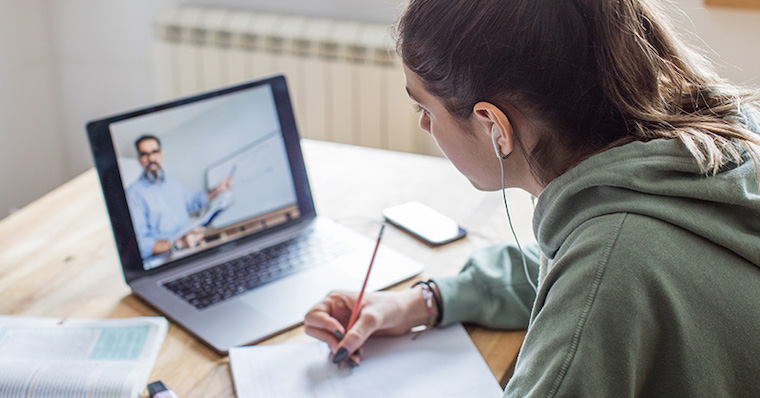 Disponible a través del kit de herramientas para desarrolladores de la compañía (Nureva Developer Toolkit), la API de dispositivos de localización de sonido se creó como parte de un programa para trabajar, con las principales empresas de cámaras, en la integración de sus cámaras PTZ con los sistemas de audio de Nureva y ofrecer a los clientes una mejor experiencia de audio y vídeo.
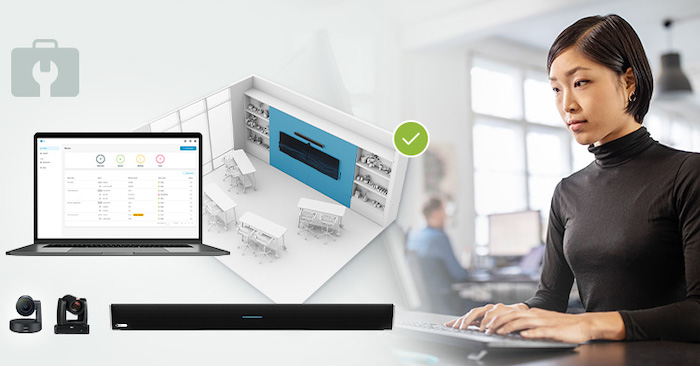
Actualmente se están realizando integraciones con AVer y Lumens, entre otras empresas. A principios de este año se añadió a Nureva Console la supervisión basada en la nube de cualquier cámara de terceros conectada por USB, lo que facilita al personal de TI la supervisión remota de las cámaras y la garantía de su correcto funcionamiento en salas de reuniones y aulas.
“El uso de la tecnología Microphone Mist para el seguimiento de las cámaras es un avance que abre muchas posibilidades interesantes para la captura y el uso de los datos de localización de sonido -asegura Nancy Knowlton, CEO de Nureva-. Estamos encantados de trabajar con los principales fabricantes de cámaras para habilitar esta funcionalidad y ofrecer el tipo de experiencia de audio y vídeo integrada que los clientes solicitan”.
Microphone Mist vs. beamforming
Muchos sistemas de audio tradicionales utilizan la tecnología de micrófonos beamforming, que recoge todos los sonidos que se producen dentro de los haces direccionales que emanan del conjunto de micrófonos.
Como señalan desde Nureva, este enfoque direccional limita el grado de identificación de las ubicaciones precisas de los sonidos y supone un reto a la hora de distinguir los sonidos deseables (una persona que habla) de los molestos (el crujido del papel) dentro de un haz.
Estos problemas limitan la precisión con la que se pueden utilizar los datos de localización del sonido para el seguimiento de la cámara. La tecnología Microphone Mist evita estos problemas al llenar un espacio con miles de puntos de captación que actúan como micrófonos individuales, localizando el sonido con mayor precisión y diferenciando los sonidos deseados de los no deseados.
La API del dispositivo de localización de sonido de Nureva, empresa de la que Crambo es partner oficial en España, está ya disponible a través de Nureva Developer Toolkit sin coste adicional para los clientes de la compañía.
Did you like this article?
Subscribe to our NEWSLETTER and you won't miss anything.
Related articles
 TiMax integra control de audio de terceros en su software SoundHub 6.11
 Martin P3 supports integration of third-party 3D visualization software
 JVC agrega cinco funciones de seguimiento a sus cámaras KY-PZ510
 AIDA Imaging incorpora a sus cámaras PTZ un sistema de seguimiento automático
 Lumens suma el modelo VC-TR30 con IA a sus cámaras de seguimiento automático
 Nureva y Lumens unen sus tecnologías para brindar un seguimiento preciso
 Nureva aporta su tecnología Microphone Mist a las cámaras PTZ de Lumens
 AVer incorpora la tecnología de seguimiento de Nureva a sus cámaras ProAV
 Nureva incorpora seguimiento de cámaras de terceros a su API de audio
 Nureva Console añade la supervisión de cámaras de terceros en salas de reunión
 AVer Europe agrega seguimiento de voz a las cámaras proAV con Shure Microflex
 Las cámaras Sony SRG ayudan en el seguimiento de las intervenciones quirúrgicas
 Bosch automatiza el seguimiento de objetos para las cámaras HD PTZ AutoDome Serie 800
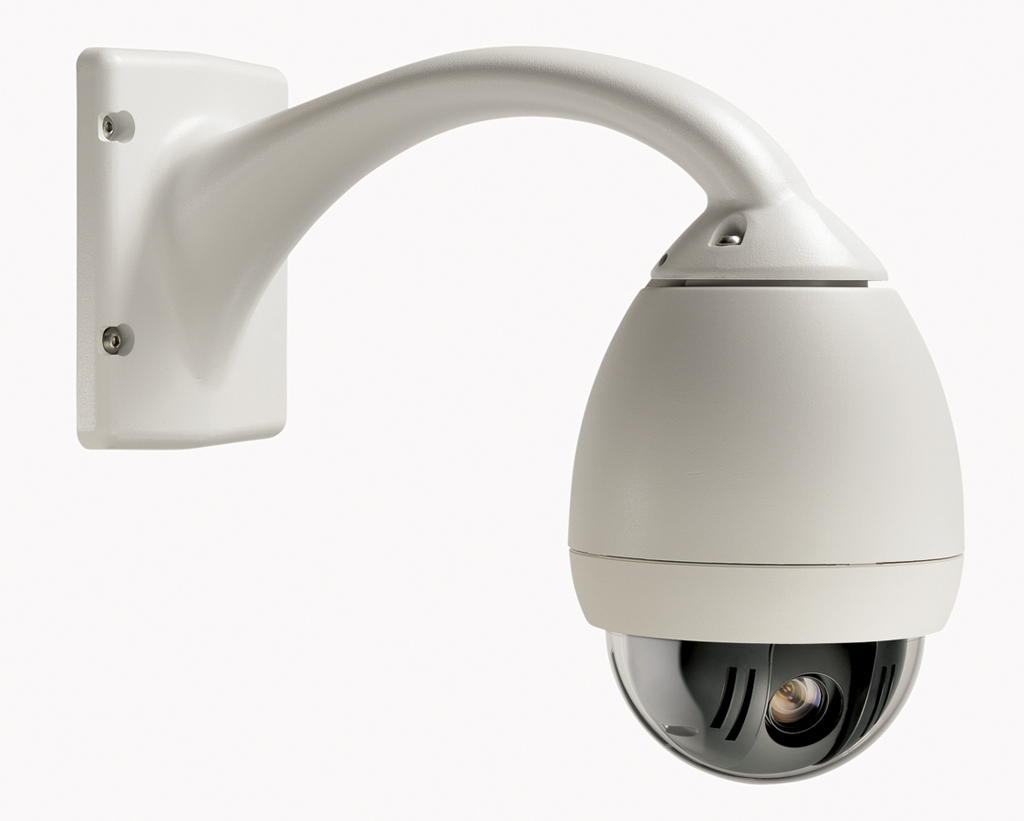 Las cámaras IP AutoDome Serie 700 de Bosch incluyen ahora la función de seguimiento inteligente