


Quality and versatility, trends in the display market
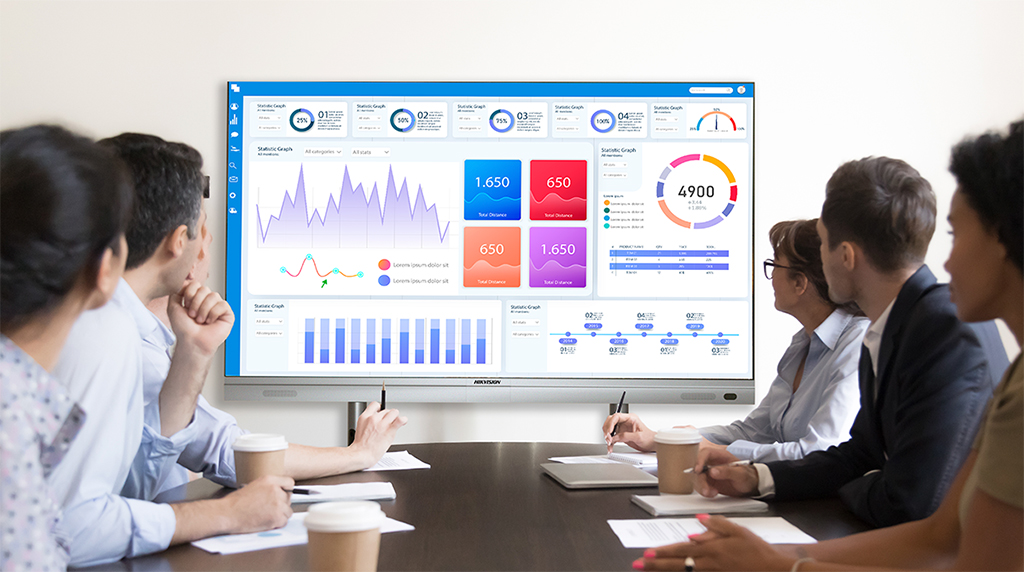
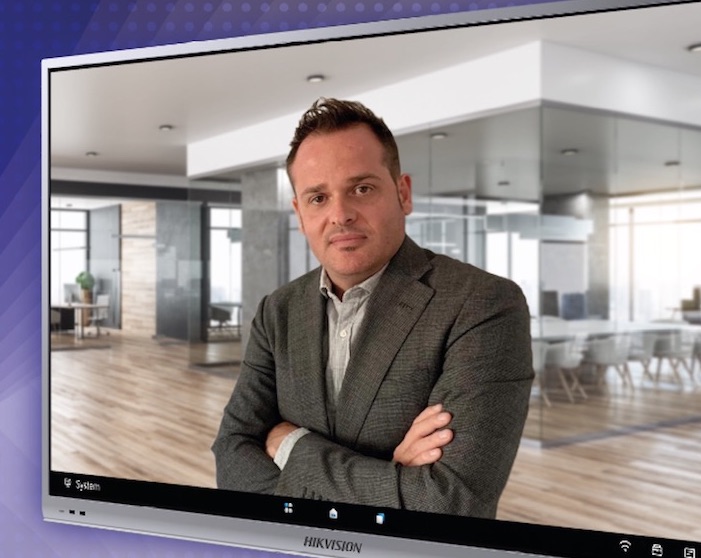
Albert Rosal, responsable de Display en Hikvision Iberia, analiza cómo las pantallas se han convertido en un elemento fundamental para industrias y usuarios, cuyo diferencial tecnológico reside en la inversión en I+D+i, la fabricación en instalaciones propias y exigentes controles de calidad.
Las soluciones de display son cada vez más demandas. Las pantallas, sobre todo impulsadas por el desarrollo de la tecnología Led, se han convertido en un elemento fundamental para ofrecer información a los usuarios, afianzar la seguridad, establecer comunicaciones, crear entornos especiales…
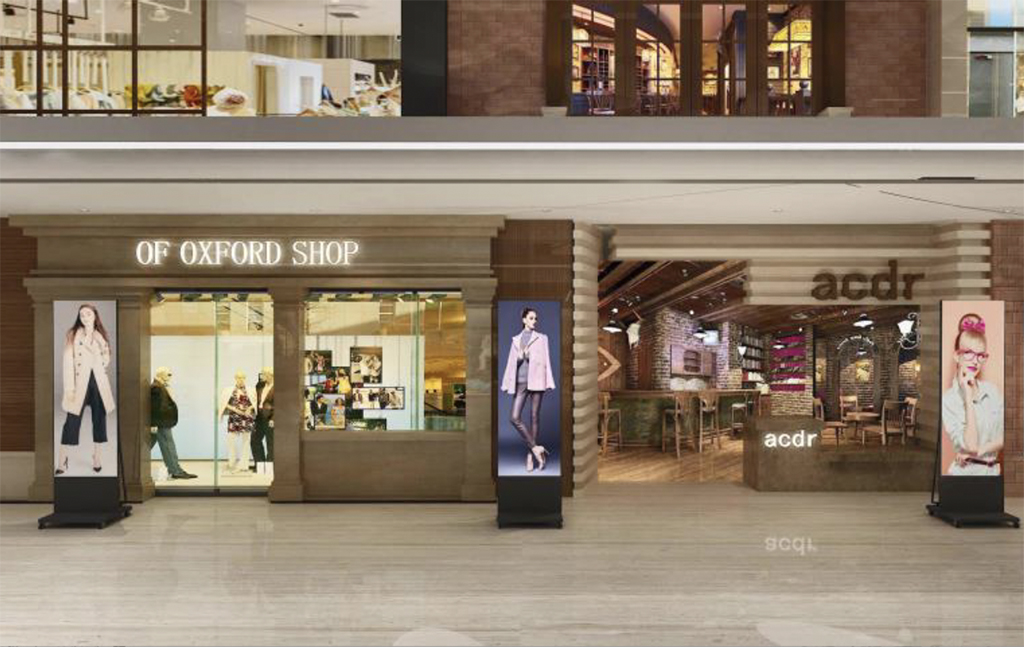
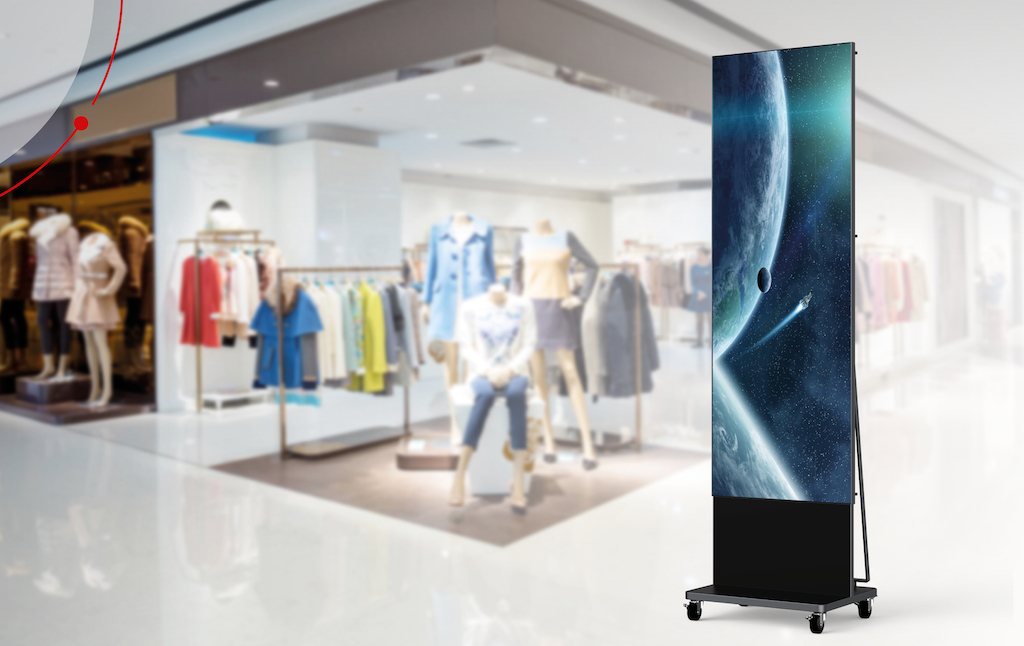 These solutions alcanzan cada vez a más industrias: el ámbito del retail -centros comerciales, grandes superficies, pequeños comercios, etc.-, en el que las pantallas se han convertido en una herramienta fundamental para informar de ofertas e influir en las intenciones de compra de los clientes; in edificios de oficinas, donde se potencia la imagen de marca y se ofrece información corporativa a empleados y visitantes; in centros de exposiciones, en los que se pueden generar entornos inmersivos; in salas de formación y convenciones, que a día de hoy no se entienden sin apoyo audiovisual de primer nivel; in it ámbito educativo, en el que las pantallas interactivas juegan un papel cada vez más importante, and more.
 Cuando nos referimos a display, hay dos elementos fundamentales que marcan la diferencia: la versatilidad y, of course, la calidad del producto.
The versatilidad se consigue con mucha investigación; hay que entender las necesidades de cada cliente en los diferentes sectores, lo que cada empresa requiere de sus soluciones de display. Y la tarea de I+D es fundamental, porque una vez detectadas las necesidades, hay que desarrollar las soluciones específicas que respondan a esas demandas.
Al final, es la propia evolución del mercado y de los diferentes sectores los que deben marcar la investigación y el desarrollo de nuevos productos. Y las compañías con un departamento de I+D rápido y eficaz siempre gozarán de una importante ventaja comercial.
En cuanto a la quality, posiblemente la mejor forma de garantizarla es produciendo los productos en fábricas propias y, besides, realizando internamente los controles de calidad. Fabricar in-house permite un control absoluto de todos los procesos y asegurar que el producto cumple con unos estándares, que fija el propio fabricante.
Ocurre lo mismo con los controles de calidad: si se realizan internamente, la compañía puede elevar el nivel de exigencia de sus productos tanto como considere y, de esa manera, no depender de la actuación de terceros, o de niveles de exigencia subcontratados que puedan no ser suficientes si lo que queremos es posicionarnos como verdaderos líderes en el mercado.
Ultimately, es cada fabricante el que establece sus propios estándares de calidad, y la decisión que cada uno tome al respecto va a ser definitiva a la hora de posicionar a cada marca en el mercado.
Invertir en I+D, fabricar en instalaciones propias y someter los productos a exigentes controles de calidad exige un gran esfuerzo y una inversión importante. But, at the same time, es una garantía de fiabilidad y confianza que, en el medio y largo plazo, va a ser la clave del éxito y de la rentabilidad de una actividad como el display, cada vez más presente en todos los ámbitos de negocio.
Albert Rosal
Responsable de Display en Hikvision Iberia
Did you like this article?
Subscribe to our NEWSLETTER and you won't miss anything.
Related articles
 Robe T11 Profile offers versatility and sustainable optical quality to the CCIB
 Audac lleva el sonido de calidad al mercado de la restauración de Johannesburgo
 Avixa revela cuáles son las tendencias AV en el mercado educativo
 Estalella muestra las tendencias AV con NEC Display como protagonista
 Crystal Display develops the largest transparent screen on the market: 98″ y 4K
 “Vogel’s cubre las necesidades que el profesional solicita y las tendencias del mercado”, Noemí Belenguer
 Le Bernardin fusiona la calidad gastronómica con un ambiente de sonido de calidad profesional
 Scenius Profile, maximum versatility for higher quality light
 “En LG apostamos por el canal para ofrecer un digital signage de calidad al cliente”, Pablo Gómez, display B2B
 Tendencias del mercado de iluminación LED y OLED para 2014
 NEC Display expands its EA MultiSync series to bring image quality and cost savings to businesses
 NEC Display PE401H: alta calidad de proyección para salas de reuniones y aulas universitarias
 NEC Display V801: 80″ y calidad LED Full HD orientadas al digital signage
 Sharp's new PN-E702 display offers versatility and great image quality