


Jabra highlights the role of technology in driving collaboration in virtual meetings

El estudio realizado por Jabra next to the London School of Economics revela que, cuando las personas utilizan tecnología profesional, tanto en la sala de reuniones como a distancia, se consigue una mejora del 56% en la calidad de las intervenciones.
Jabra, junto con la London School of Economics (LSE), ha explorado cómo la tecnología influye en las percepciones, comportamiento y productividad en las reuniones virtuales.
En todo el mundo hay más de 572 millones de personas que trabajan con ordenadores desde una oficina o a través de colaboración virtual, y cada semana se dedican millones de horas a reuniones online. However, muchas de estas reuniones se celebran en entornos que no favorecen la colaboración ni la productividad.
In the report Hybrid Ways of Working 2023 Global Report de Jabra, se revela que sólo el 15% de las oficinas están totalmente equipadas con tecnología específica para salas de reuniones, y alrededor del 60% de los trabajadores siguen dependiendo de las cámaras y micrófonos integrados en los portátiles. Esto lleva a preguntar hasta qué punto la tecnología influye en el comportamiento en las reuniones y en la capacidad de colaborar eficazmente.

Responder a esta cuestión ha llevado más de un año de trabajo de Jabra utilizando las instalaciones para estudiar el comportamiento humano en un entorno controlado en el Behavioural Lab de la London School of Economics (LSE). El objetivo era comprender las repercusiones biopsicológicas de la tecnología que se utilizan en el trabajo diario y cómo afecta a la colaboración y la inclusión en las reuniones.
Las experiencias en las reuniones de trabajo son holísticas y deben tener en cuenta a todos los participantes. Cuando todo el mundo empezó a teletrabajar durante la pandemia, la mayoría de las organizaciones proporcionaron a los empleados auriculares y cámaras web para las reuniones online. However, la calidad de esta tecnología variaba y a menudo era inadecuada. In fact, solo el 19% de los trabajadores utiliza una webcam personal y profesional.
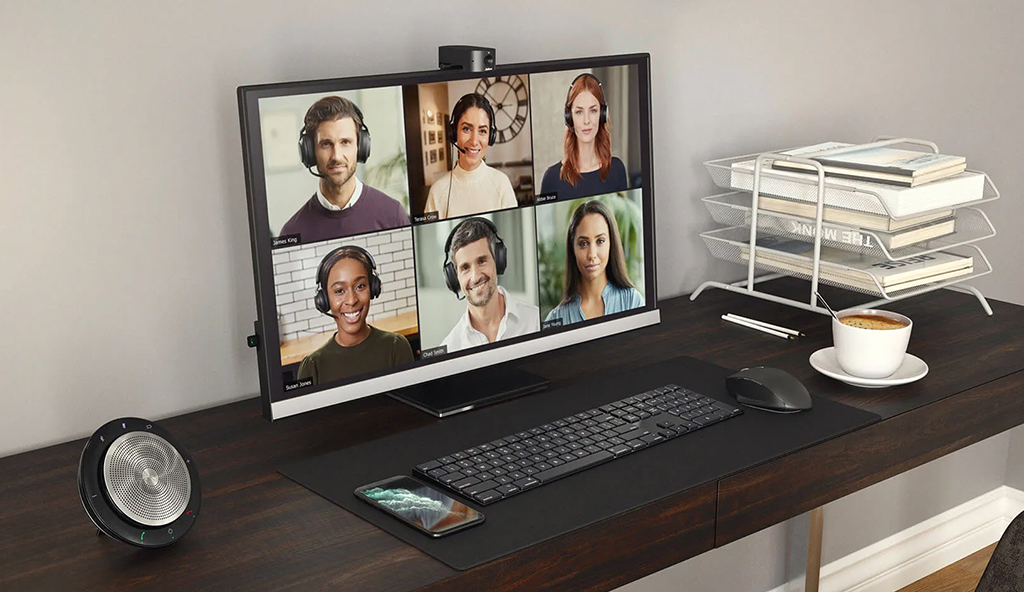
Al analizar cómo afecta la tecnología a la calidad que cada persona experimenta en una reunión, y en qué medida la igualdad de condiciones en los dispositivos influye en las percepciones generales de colaboración de todos, el estudio observa mejoras significativas cuando todos los participantes en una reunión utilizan el mismo equipo profesional estándar, en comparación con el audio y el vídeo integrados en el portátil o con equipos de menor calidad.
Concretely, se experimenta un 27% más de claridad, and 16% más de confianza, and 35% más de expresividad y un 47% de mejora percibida en la calidad de las aportaciones.
In addition, los que trabajan a distancia son los que con más frecuencia se enfrentan a los mayores retos tecnológicos en las reuniones híbridas. El estudio ha revelado que, cuando se utilizan auriculares y cámaras profesionales, la claridad general de las llamadas mejora en un 18% entre los trabajadores remotos, mientras que los participantes en las salas de reuniones también valoran a los usuarios remotos un 32% más en términos de expresividad.
Estos últimos mostraron casi el doble (84%) de nivel de participación percibida, al comparar a los trabajadores híbridos que utilizaban equipos profesionales con los que utilizaban portátiles con hardware integrado. Besides, los participantes remotos también confían un 22% más en otros cuando se unen a distancia utilizando tecnología profesional.
Estos resultados revelan el aumento de los niveles en que los trabajadores remotos pueden presentarse y contribuir a las reuniones híbridas, así como las ventajas que puede proporcionarles la tecnología adecuada.
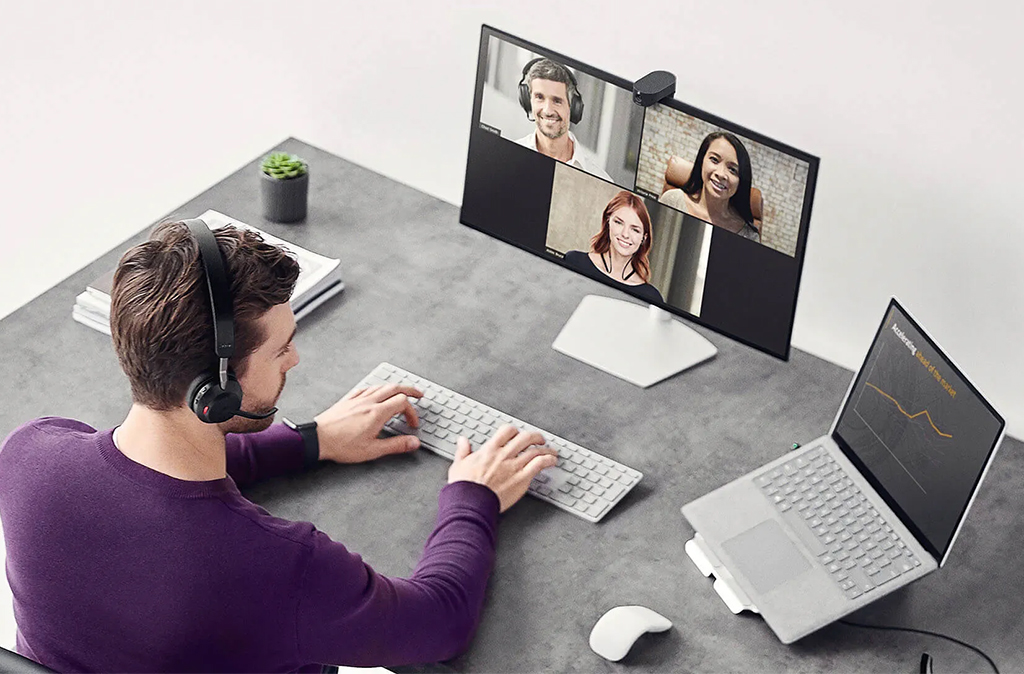
Tecnología profesional en la sala de reunión
El estudio ha demostrado que, cuando las personas utilizan tecnología profesional tanto en la sala de reuniones como a distancia, los que se incorporan a distancia informan de una mejora del 56% en la calidad de las intervenciones.
Aunque nada puede sustituir a la interacción cara a cara, las segundas puntuaciones más altas en cuanto a colaboración, justo después de las reuniones en persona, las obtuvieron los participantes a distancia que calificaron a los usuarios de salas de conferencias provistas con equipos de vídeo profesionales. Las pruebas se realizaron con la barra de vídeo Jabra PanaCast 50 y la cámara personal PanaCast 20.
Estos resultados ponen de manifiesto que la tecnología puede salvar las distancias entre participantes en reuniones separados por la distancia física. Según el estudio, toda empresa que aspire a celebrar reuniones inclusivas debe dar prioridad a la actualización de sus espacios de reunión para favorecer una colaboración equitativa.
“La tecnología de alta calidad tiene un profundo impacto en la eficacia de la colaboración a distancia. Nuestra investigación demuestra que cuando las empresas invierten en equipos profesionales, tanto para los participantes en sala como para los remotos, pueden conseguir mejoras notables. Estos resultados subrayan el papel fundamental de la tecnología a la hora de optimizar la experiencia de las reuniones y fomentar una colaboración híbrida satisfactoria”, explains Holger Reisinger, vicepresidente sénior de Soluciones para Grandes Empresas de Jabra.

Diseño y metodología
El estudio ha sido diseñado con el apoyo del Behavioural Lab de LSE y fue aprobado por el comité de ética científica de la London School of Economics.
El grupo estaba formado por 88 participantes de 15 nacionalidades. En el estudio se utilizó una amplia gama de enfoques y medidas psicológicas, desde calificaciones de autoevaluación para captar las opiniones y sentimientos de los participantes, hasta un seguimiento ocular muy objetivo y sofisticado, análisis de la expresión facial e índices biológicos de excitación y carga cognitiva que se evaluaron mediante la conductancia de la piel y el parpadeo endógeno. Los datos fueron recopilados y analizados utilizando el software iMotions.
Did you like this article?
Subscribe to our NEWSLETTER and you won't miss anything.
Related articles
 Jabra and Huddly improve hybrid collaboration in large meeting rooms
 “Lenovo is a reliable technology partner to drive seamless collaboration”, Shannon McKay
 WHEREAS: Jabra launches PanaCast 50 Video Bar System for hybrid meetings
 Jabra Meet Anywhere encourages instant meetings anywhere
 Europalco relies on Christie technology to promote a 360º screen
 Pexip and Nvidia join their technologies to reinvent virtual meetings
 SPC optimizes virtual meetings with the Yealink MeetingBar A20 collaboration bar
 Barco reinforces its ecosystem for meeting rooms with Yamaha, Oh God, Jabra y Logitech
 Maxhub X3: 4K interactive touch monitor for meeting room collaboration
 Extron Introduces New Collaboration System for HC Meeting Spaces 402
 Sony and the University of Wales unite technology and knowledge to boost active learning
Synology updates its collaboration tools to boost communication between teams
Sony and the University of Wales unite technology and knowledge to boost active learning
Synology updates its collaboration tools to boost communication between teams
 Jabra expands its Speak conferencing series with ZoomTalk technology
IP+D and Viggo Hotel TV join forces to promote the Spanish hotel industry with AV technology
Jabra expands its Speak conferencing series with ZoomTalk technology
IP+D and Viggo Hotel TV join forces to promote the Spanish hotel industry with AV technology