

Technical Productions y Elation renuevan la iluminación del Gateway Arch de San Luis
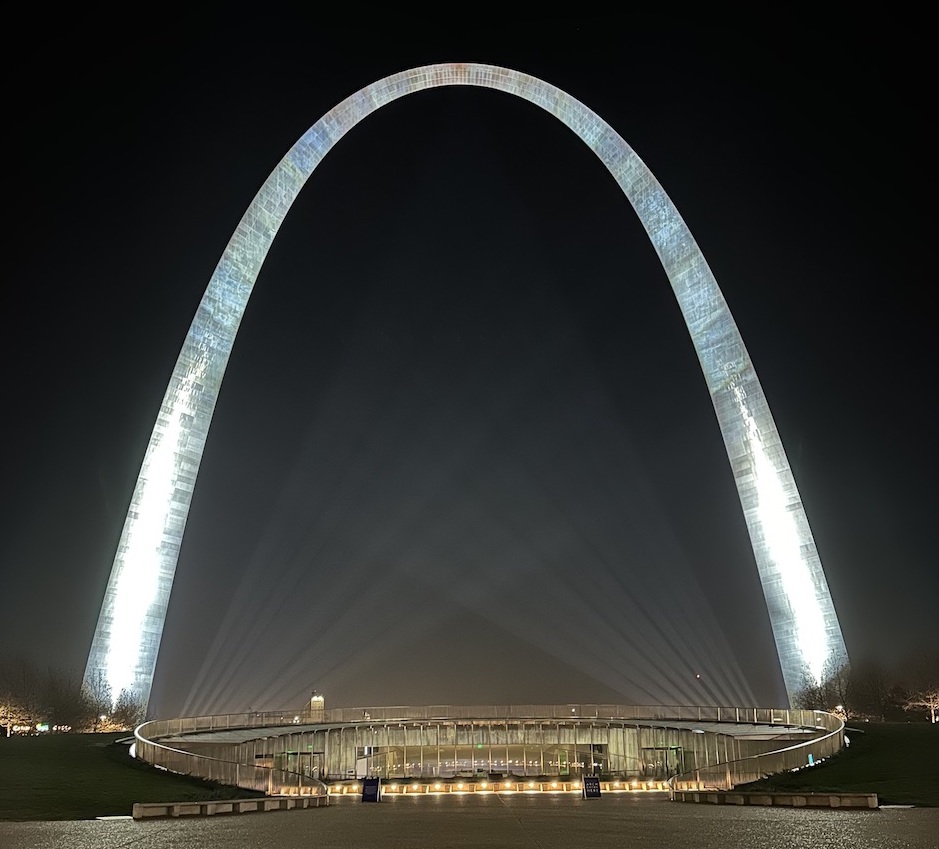
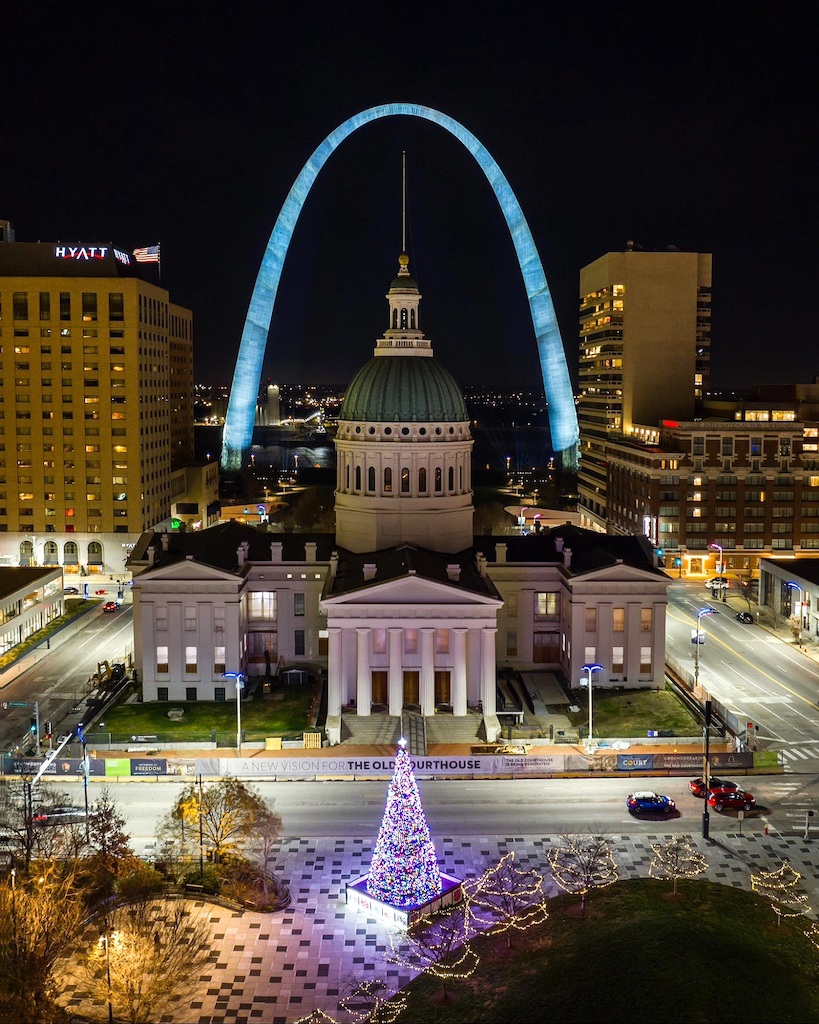
El nuevo sistema de iluminación de este monumento emblemático de Estados Unidos, diseñado e integrado por Technical Productions, utiliza más de 76 dispositivos Proteus Brutus de Elation Lighting, más potentes, eficientes y fáciles de mantener.
Conocido también como Puerta hacia el Oeste y considerado como uno de los monumentos más icónicos de Estados Unidos, Gateway Arch (el arco) de San Luis, se alza con 192 meters high a orillas del río Misisipi, y lo convierte en la estructura metálica de este tipo más alta del mundo hasta ahora.
 Con el fin de mejorar el sistema de iluminación y sustituir las antiguas lámparas de xenón, the Fundación Gateway, una organización privada sin ánimo de lucro, ha financiado de nuevo este proyecto, para lo que ha contado con la especificación e instalación de Technical Productions Inc. (tpi), en colaboración con el diseñador Randy Burkett, of Reed Burkett Lighting Design.
“Las piezas se rompían y el coste de los filtros de las lentes y las lámparas, por no hablar de la mano de obra para cambiarlas, era muy elevado -explica Michael O’Keefe, COO en TPI-. Sentía realmente que debíamos honrar nuestro monumento de forma más consistente y eficiente, con las mejores luminarias disponibles”.
La elección en este sentido ha sido la luminaria automatizada Proteus Brutus de Elation, with classification IP65 para uso exterior y un motor Led de campo máximo de 1.200 W de alta eficiencia to offer 75.000 lumens totales de salida.
 “Las pruebas on site fueron fundamentales para la aceptación de la luminaria Proteus Brutus -apunta Randy Burkett-, ya que era la única forma de demostrar que la intensidad, la gestión del haz, el encuadre, el CCT y otros parámetros clave satisfacían sus requerimientos, y así fue”.
Nick Vincenty, director de diseño e ingeniería de sistemas de Technical Productions, explica los retos que implicó el proyecto: “necesitábamos iluminar 198 metros en línea recta a un objetivo de más de 7 meters wide, lo que no es fácil de hacer. Esta fue la única luminaria que no sólo tenía la potencia necesaria para hacerlo, la óptica de zoom precisa y certificación IP65”.
El Gateway Arch de San Luis tiene una forma compleja. Revestido de acero inoxidable, es un arco catenario lastrado de 16,5 metros de ancho en su base, que se estrecha hasta 5,2 metros en su parte superior.
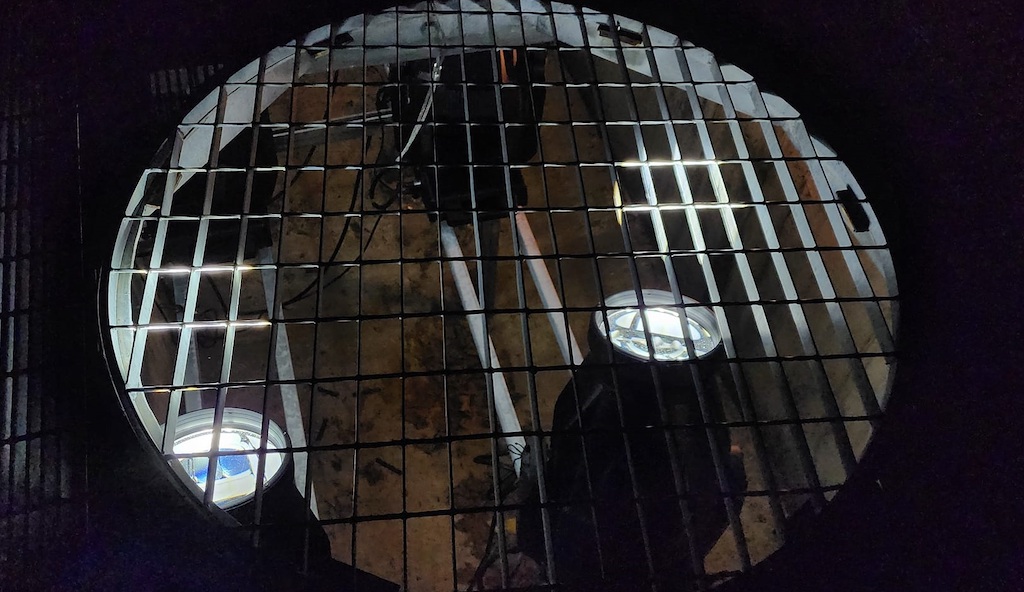
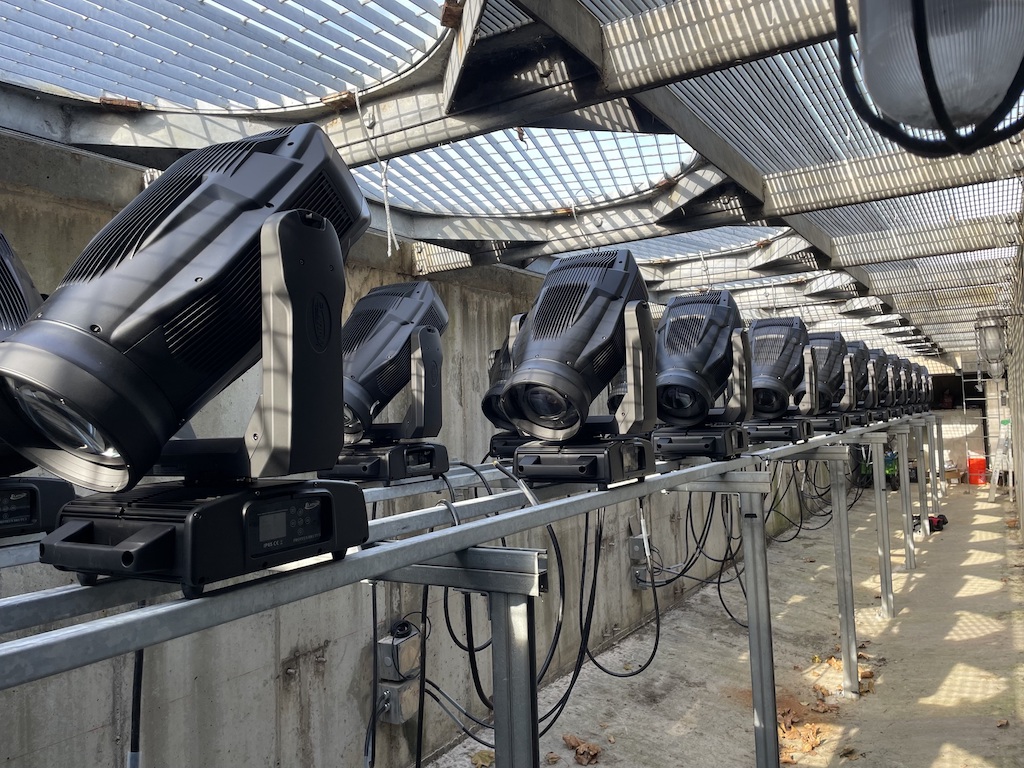
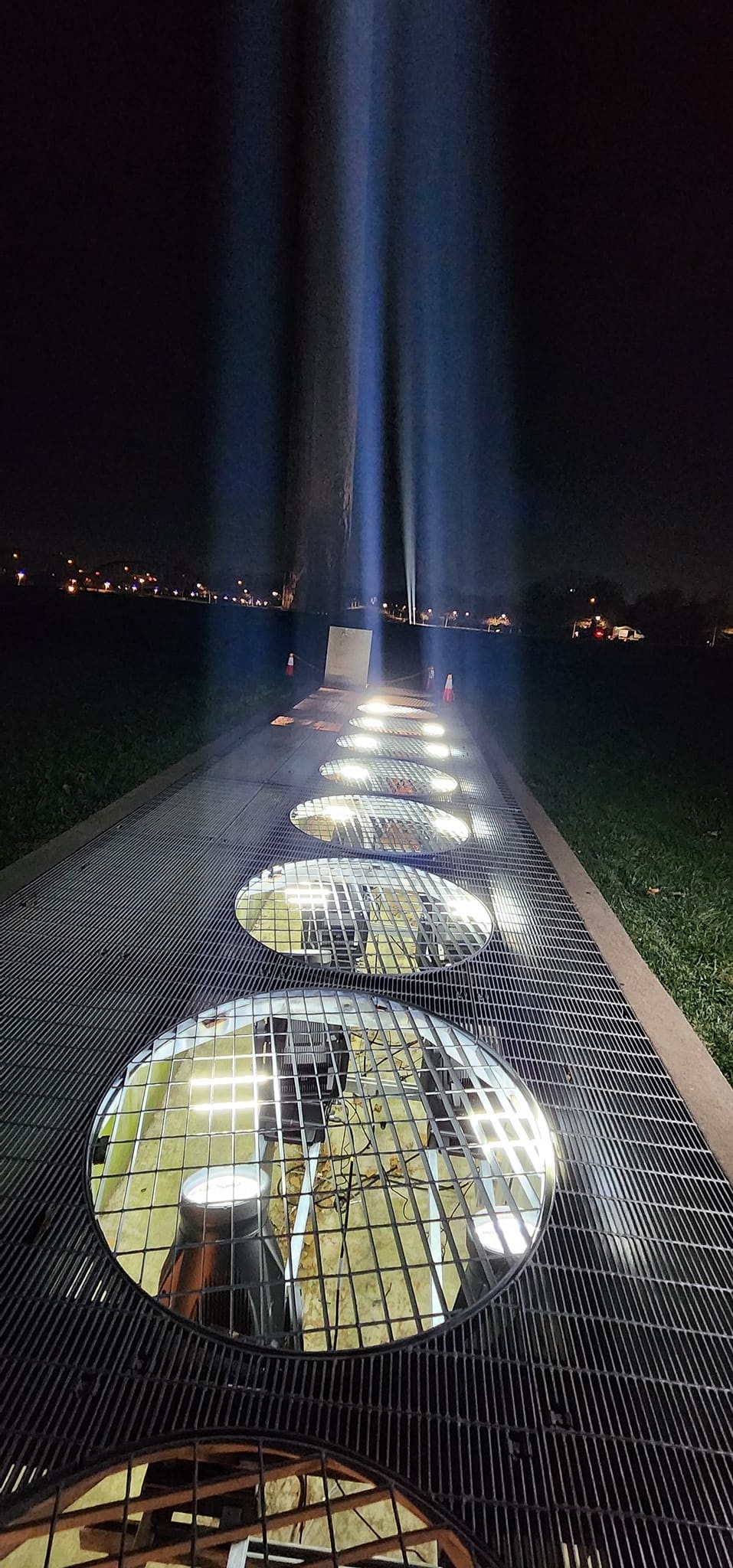 Para iluminar esta estructura de 192 metros de altura se han instalado 76 equipos Proteus Brutus en cuatro fosos de iluminación existentes en las patas del arco, cada uno de ellos cubierto con doce rejillas circulares ranuradas para hacer pasar la luz, que se pueden girar individualmente para maximizar la eficacia de la orientación.
TPI modificó los fosos para alojar las luminarias Proteus Brutus, de menor peso que las anteriores, y añadió raíles que recorren toda la longitud del foso para permitir que las luminarias se muevan cuando sea necesario enfocar determinadas partes.
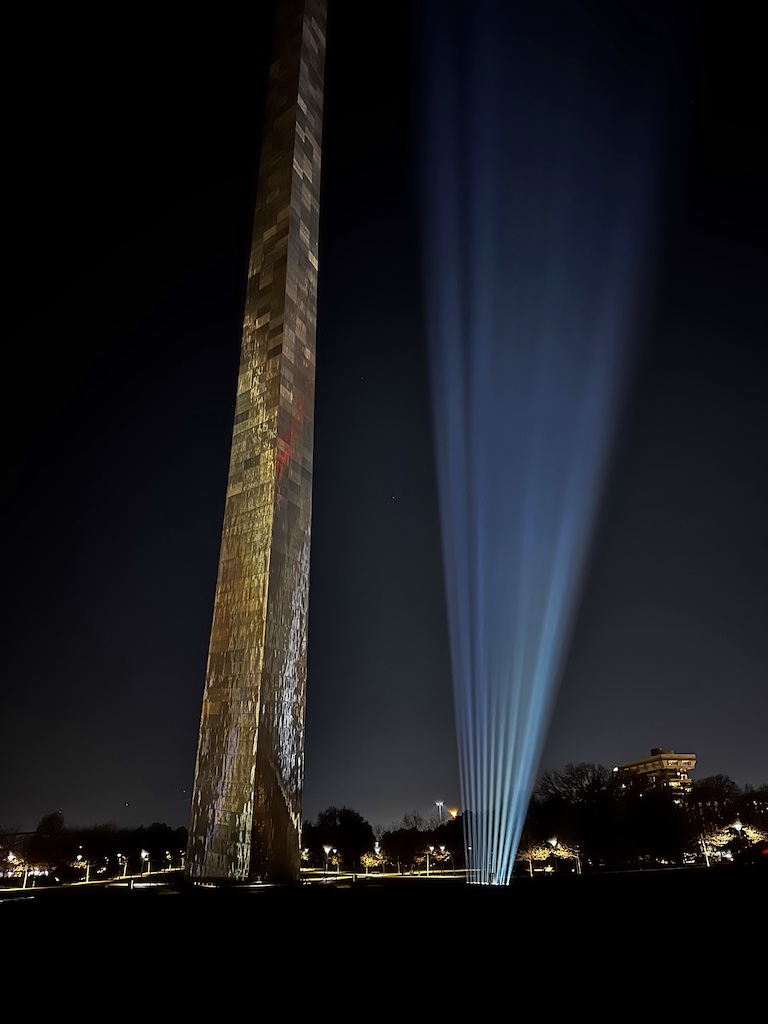
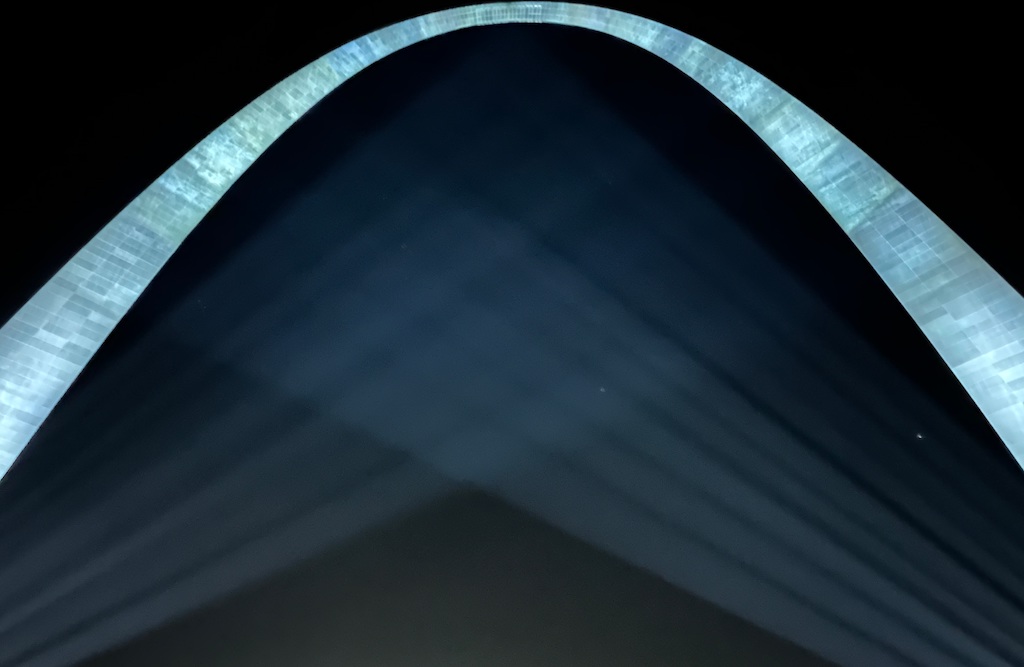
Las luminarias Proteus Brutus enfocan su potencia hacia la parte superior del arco gracias a su zoom de 4º que se va ampliando a medida que se desciende por el mismo. En la base, el ángulo se amplía hasta aproximadamente 22º (aunque puede ampliarse hasta 45º).
“Las anteriores luminarias de xenón 7K sólo podían hacer zoom con filtros especiales, lo que no era muy eficaz y acabábamos perdiendo más de la mitad de los lúmenes en el espacio -puntualiza Nick Vincenty-. El hecho de que Proteus Brutus pueda hacer zoom fácilmente para poner todos los lúmenes en el arco ha sido otro argumento clave para su elección”.
Burkett añade que las maquetas originales del proceso de diseño original resultaron muy valiosas, ya que descubrieron que había que gestionar los reflejos de la iluminación en la superficie semiespecular del Arco, asegurándose de que cayeran en zonas que no resultaran antiestéticas o brillantes.
Iluminación más precisa
La capacidad de intelligent control de Proteus Brutus ofrece otras ventajas con respecto a las anteriores luminarias de xenón 7K, como la posibilidad de atenuar, enfocar y corregir el color con mayor precisión. “Tenemos la capacidad de manipularlo mediante el frosting y el suavizado, además de utilizar plantillas para alargar el haz y concentrar la luz en el propio arco”, subraya O’Keefe.
Besides, con el anterior sistema había que cambiar a menudo la película prismática utilizada para alargar los haces, ya que se degradaba rápidamente. Proteus Brutus alberga varios gobos indexables de modelado del haz, como rectángulos y cuadrados, que se utilizan para proporcionar un enfoque más preciso sobre el arco y evitar así el derrame de luz.
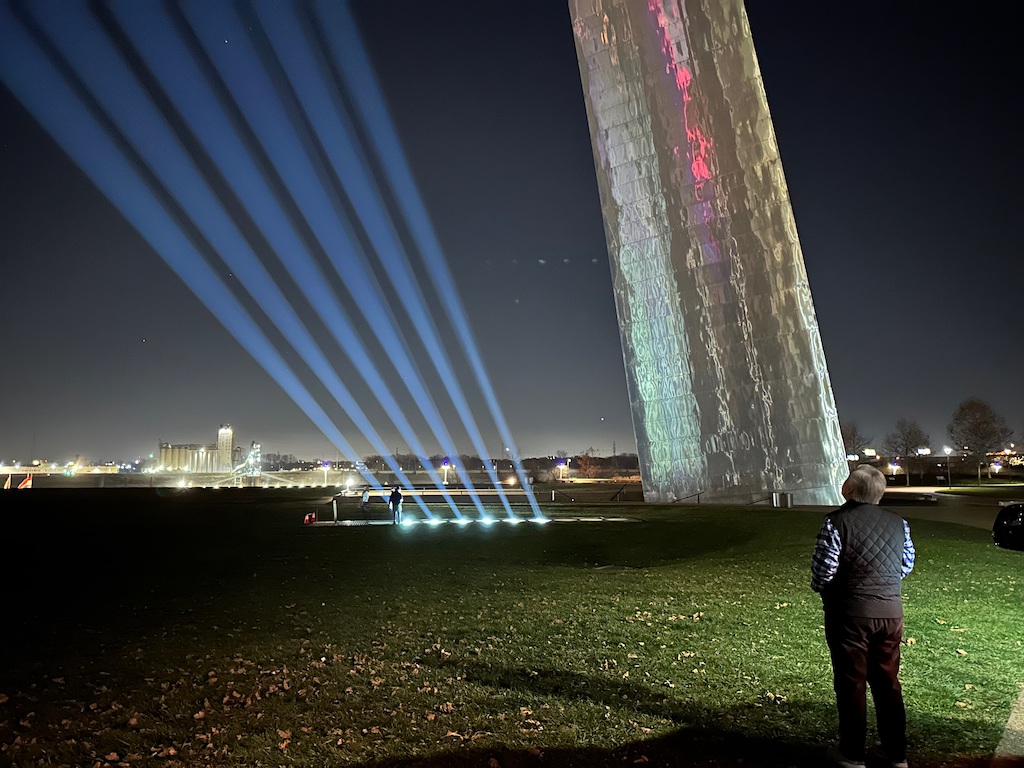
Thanks to it, este monumento parece más brillante, al tiempo que se reducen los destellos en el cielo nocturno, un elemento importante para proteger a las aves migratorias que pasan con frecuencia por esta zona.
Aunque el arco no es fácil de iluminar, “es básicamente como intentar iluminar un espejo -afirma Vincenty- la diferencia entre ahora es sustancial. Cuanto más iluminamos el monumento, a más 6.500 kelvin con Proteus Brutus, mejor se ve. Controlar mucho más dónde ponemos la luz y qué calidad aportamos marca una gran diferencia”.
Para Burkett, la integridad del diseño original sigue intacta hoy en día, “pero se ha mejorado utilizando la nueva tecnología de luminarias Led. Proteus Brutus ofrece una disciplina del haz que lo optimiza, minimizando el impacto de la iluminación en todo lo que no sea el propio arco”.
Eficiente y sostenible
El nuevo sistema de iluminación también ha supuesto un ahorro sustancial de energía, ya que las luminarias Led instaladas sólo consumen 1.200 vatios por unidad, in front of the 7.000 vatios por unidad de las anteriores.
This reducción del 60% en el consumo eléctrico, junto con la eliminación de los frecuentes cambios de lámpara, contribuye a un ahorro significativo tanto de energía como de costes en el mantenimiento del monumento.
 Besides, Proteus Brutus incorpora una función de protección solar, que garantiza la longevidad de las luminarias orientando la lente hacia el suelo en caso de pérdida de la señal de control, protegiendo así la lente y los componentes del interior de la luminaria contra los daños causados por el sol.
El arco está programado para encenderse cada noche de abajo a arriba en el transcurso de 30 seconds. Inspirándose en la luz que recorre la instalación al atardecer y al amanecer, O’Keefe explica que “a medida que la luz sube por cada pata y luego se unen en la parte superior simulan uno solo, formando una puerta”.
Did you like this article?
Subscribe to our NEWSLETTER and you won't miss anything.
Related articles
 Visual Productions aporta control de vídeo e iluminación a Calachica Club
 La iluminación Elation impacta en la inauguración de la E-Sports World Cup (EWC)
 Elation Fuze PFX: profile lighting and special effects
 Elation discovers the future of professional lighting at ISE 2025
 Elation redefines creative Led lighting with the new Six+ Bar series
 Visual Productions mejora el control de iluminación con PoeSwitch
 The Royal Conservatory of Antwerp switches to LED lighting with Elation
 Elation advances lighting precision with ColourTune technology
 Houben Souren and Elation renew the lighting of two MECC auditoriums
 Visual Productions DaliCore: smart lighting controller for Dali
 SeeSound distribuye las soluciones de control de iluminación de Visual Productions
 Earpro begins distribution of Visual Productions lighting drivers
 Los estudios del Canal 4 de Puerto Rico renuevan su equipamiento de iluminación con Elation
 DMX Productions Birmingham ilumina sus producciones con equipos de Elation