


TiMax panLab promotes the 'Concrete voids' acoustic experience with 3D audio
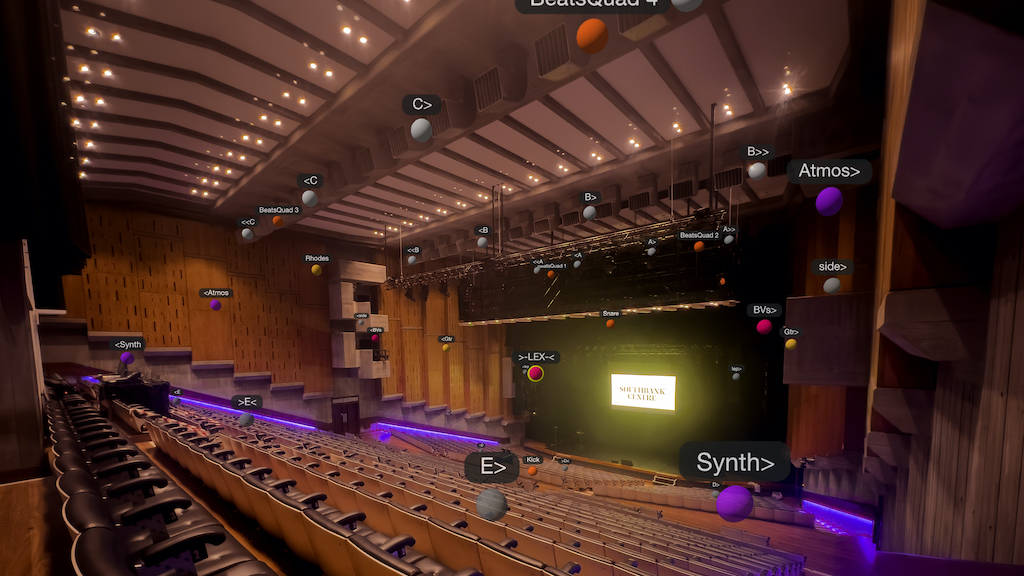
With the aim of exploring the relationship between sound and the environment, This artist-led project uses the custom spatial audio system from TiMax to turn London's Queen Elizabeth Auditorium into a dynamic three-dimensional instrument.
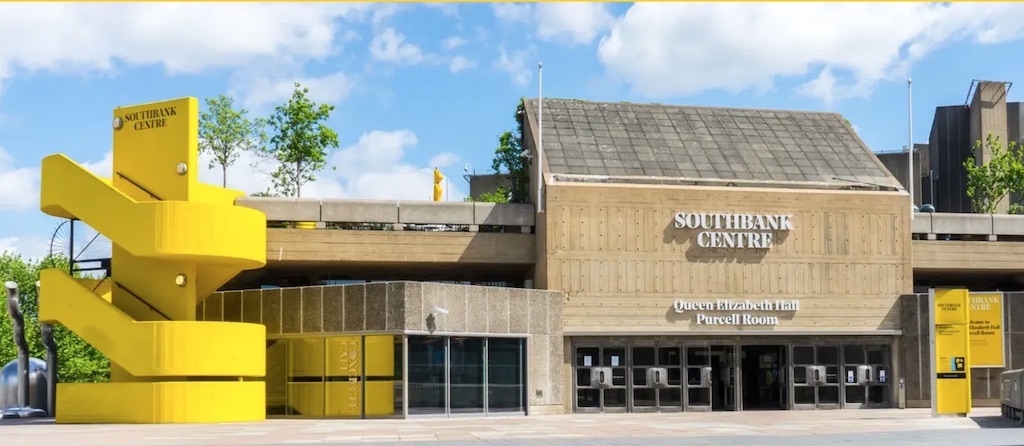
The sound engineer Tony Birch (in the image below) describe Concrete Voids, which is shown in Southbank Centre from London, as “antiacoustic”, and experimental audio project that explores the acoustic possibilities of empty concrete spaces that surround the auditorium Queen Elizabeth, with capacity for nine hundred seats, to create a organic sound environment and unconventional.
 Moving away from traditional soundscape designs and taking advantage of the possibilities of the venue, Birch designed for just over a year the placement of a variety of speakers, reused and custom made, within the three holes with fourteen vents located above the audience and in six full length under the seats, so that no team addresses the viewer directly.
In this process, Birch has worked with And Higgot, spatial audio system designer panLab de TiMax, which is the cornerstone for sound control in this project, which will begin the first performances of artists in March 2025.
As Birch explains, “I don't know how I would have managed without TiMax panLab. The great thing about this software is that it doesn't matter where everything is placed; not limited to a formal configuration where assets must be in a certain position to function, but he does it with what there is and with what you ask of him.”.
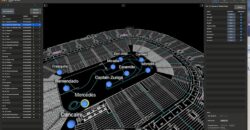
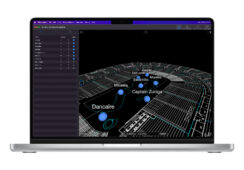
The close collaboration between both experts worked in both directions, developing both the project and the product, with the improving 3D visualization from 2D from which TiMax panLab benefits. “The whole project is above you, below you and to the sides, so I needed to control the sound in 3D. one week later, “Dan Higgot returned with a 3D version that is as intelligent as it is incredibly simple.”, Birch said.
With this three-dimensional configuration, This sound engineer has designed a custom spatial environment of the Queen Elizabeth Auditorium using overlapping multiple 'zones' (or autonomous panoramas). Based on the result of the panLab TiMax spatial algorithm, console aux and matrix send levels Yamaha QL5 of the venue activate the audio through the speakers.
A fundamental element in this project is its simplicity, as the software can be set up in five minutes using existing audio equipment, included QLab, mixing consoles and TiMax SoundHub, to produce spatialized audio.
TiMax panLab can connect to computers via OSC, MIDI y Timecode for artists to incorporate into their experimental sound designs, “We have everything very simple in front of the artist and he can move whatever he wants, wherever you want”, concludes.
Did you like this article?
Subscribe to our NEWSLETTER and you won't miss anything.
Related articles
 dBTechnologies brings its acoustics to the culinary experience of the Wieëtsjaf restaurant
 TiMax integrates third-party audio control into its SoundHub software 6.11
 TiMax will show the possibilities of panLab spatial audio at ISE 2025
 TiMax panLab optimizes spatial audio designs
 DAS Audio offers the Dolly Bell an optimal acoustic experience for business and leisure
TiMax panLab will make its debut in Plasa 2024
DAS Audio offers the Dolly Bell an optimal acoustic experience for business and leisure
TiMax panLab will make its debut in Plasa 2024
 TiMax SoundHub provides immersive audio in 'Rock me Amadeus'
 Spottune and Audac help the Meliá Braga to offer a better acoustic experience
 The WNDR museum in San Diego promotes a 360º artistic experience
 TiMax provides a new musical experience for Antwerp nights
 TiMax reinforces the acoustics of the Farnesio Palace for the performance of 'Tosca’
 TiMax controls the audio of the immersive San Miguel Cave experience
 TiMax delivers spatial audio for immersive Dubai Airport experience
 Barco brings an immersive acoustic experience to Manasa Theater with Auro 11.1