


Dahua celebra la segunda edición de Limitless con la inteligencia de los datos como eje
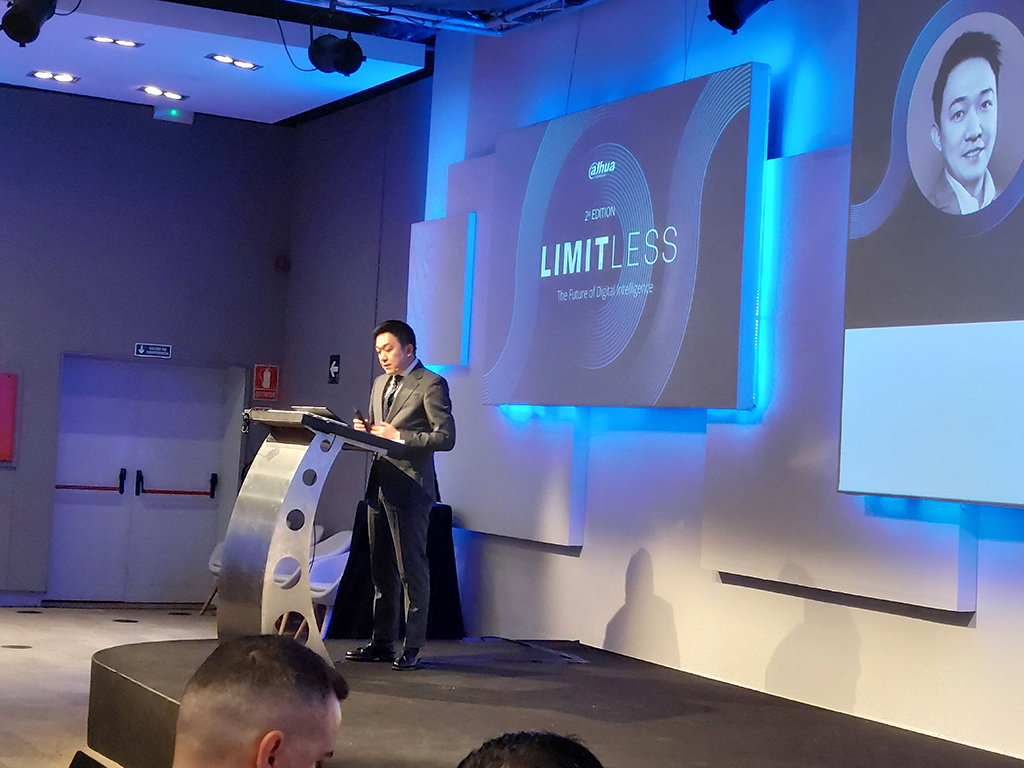
Los datos y su análisis se han convertido en un elemento clave en cualquier instalación tecnológica, ya sea en el entorno de la seguridad o en el digital signage. Y así se puso de manifiesto en la segunda edición de Limtless 2025, evento que celebró ayer Dahua en Madrid y que reunió a más de 200 sector professionals.
In Limitless 2025, Dahua ha realizado un viaje hacia el futuro, donde la creatividad, la colaboración y la visión estratégica se han fusionado para impulsar el progreso y la innovación en todos los segmentos de mercado en los que opera.
Limitless ha regresado en su segunda edición para seguir impulsando la colaboración entre industrias, negocios y tecnologías. Bajo el lema ‘El futuro de la inteligencia digital’, la jornada se ha enfocado en tres verticales: retail, energy, tráfico y transporte, además de abordar dos temas estratégicos como son la ciberseguridad y la inteligencia de los datos.
A través de conferencias y la visión de diferentes referentes de la industria, se ha explorada cómo la innovación y el talento humano se combinan para transformar el futuro.
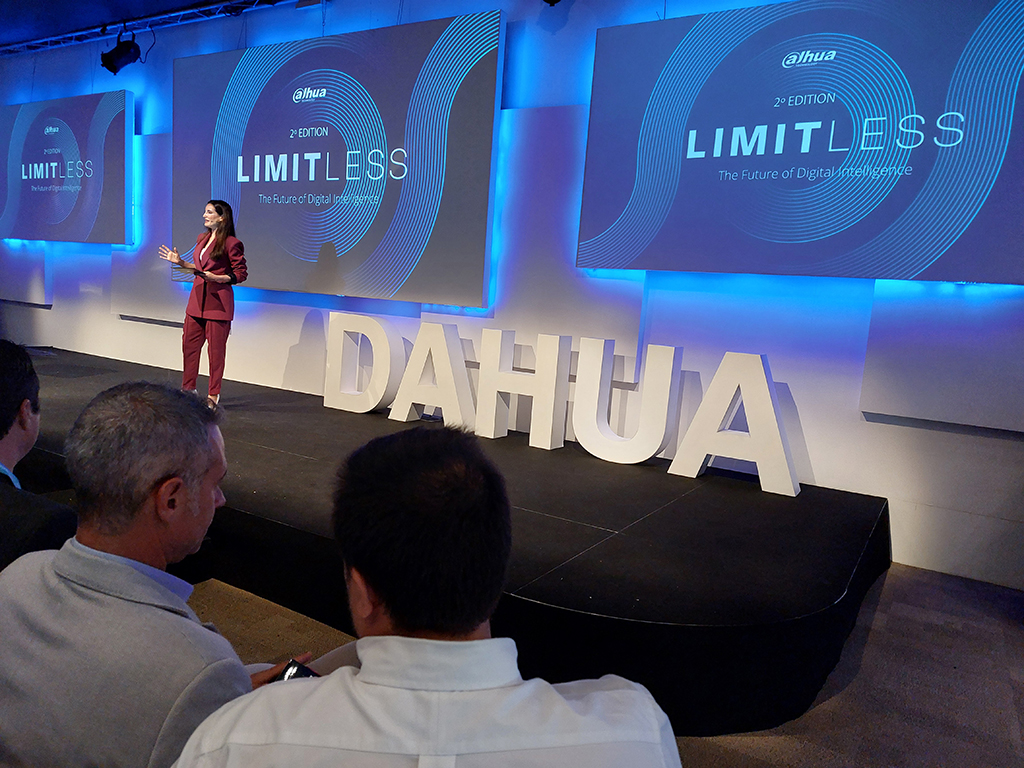
El objetivo de estas jornadas ha sido fomentar la colaboración entre las diversas industrias, negocios y tecnologías, con el fin de construir un ecosistema robusto y próspero para el sector. La colaboración y la innovación han sido la gran premisa de esta segunda edición, y son la base para conseguir ese futuro digital.
Si en la primera edición, Dahua reunió a más de 120 professionals, a esta, que ha vuelto a celebrarse en Madrid, han acudido más de 200, con representación de los cinco verticales que han sido el foco del congreso.
El evento comenzó con la introducción realizada por Chenzhi Zhu, CEO de Dahua Iberia, donde realizó un repaso a la historia y evolución de la compañía, desde su fundación en 2001 hasta llegar a este 2025 con una plantilla de 23.000 employees, de los que el 50% se dedican al I+D. Su capacidad en este ámbito ha ido creciendo y ha establecido cinco institutos de investigación y un sistema de investigación y desarrollo basado en plataformas de hardware y software.
El core de su actividad siempre ha sido la seguridad y la videovigilancia (CCTV, seguridad inteligente) y, a estas líneas se han unido, en tiempos más recientes, their soluciones ProAV&IT. “Nuestros productos en los últimos años han evolucionado mucho más allá de la seguridad. Están diseñados para que nuestros partners puedan ofrecer las mejores soluciones. La línea ProAV&IT es la más nueva”, explica Chenzhi Zhu.
En esta línea de actividad ofrecen una amplia gama de soluciones visuales que van desde monitores hasta pantallas Led, videowalls LCD y señalización digital, centrándose en la planificación de productos, el marketing estratégico y la entrega fluida de proyectos.
En lo que respecta a los verticales en los que Dahua centra su actividad, el de retail, como comenta Chenzhi Zhu, es uno de los que más ha crecido en España tras la pandemia. "In 2023 su facturación tuvo un incremento de un 12,7 por ciento, superando la media europea”.
In this environment, las medidas de seguridad tradicionales han dado paso a unas soluciones orientadas a la prevención de pérdidas, al análisis de los datos y a la personalización de las herramientas.
In addition, también se busca soluciones que permitan optimizar las operaciones y conectar con los clientes. Estos temas fueron ampliamente tratados en la mesa redonda, que tuvo lugar en la segunda parte del evento, y en la que se debatió sobre cómo la tecnología y los datos están cambiando la forma de gestionar, operar y conectar con los visitantes que acuden a los centros comerciales.
La transformación del retail
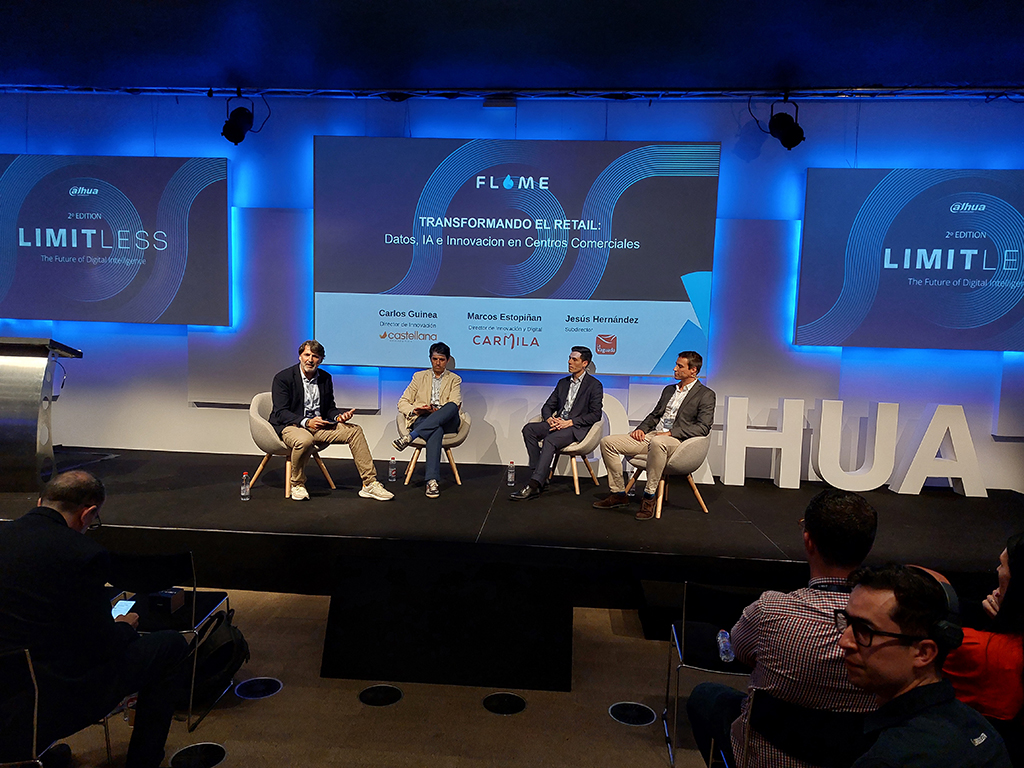
Bajo el título “Transformando el retail: datos, IA e innovación en centros comerciales”, se abordaron temas sobre cómo el papel de los datos incide en la toma de decisiones, cómo la inteligencia artificial está optimizando la personalización de la experiencia de compra, la evolución del customer journey en espacios físicos, o el impacto de la analítica en la gestión operativa y estratégica de los centros.
Organizada por Flame y moderada por Oscar García, Strategic Account Manager, en esta mesa redonda han participado Carlos Guinea, director de Innovación en Castellana Properties; Marcos Estopiñán, head of Digital and Innovation en Carmila; Jesús Hernández, director del centro comercial La Vaguada; y un icono del retail en Madrid y un ejemplo de adaptación constante al nuevo consumidor.
Durante su intervención los ponentes disertaron sobre los retos y las oportunidades a las que se enfrentan los shopping centers en un entorno cada vez más digitalizado, donde los hábitos de consumo cambian constantemente y la inteligencia artificial empieza a jugar un papel protagonista en la toma de decisiones estratégicas.
Para Carlos Guinea lo más importante es conocer al cliente. “El gran desafío con toda la tecnología que tenemos con la IA generativa es navegar y ver que sirve para tu negocio e identificar las necesidades del cliente”.
For your part, Marcos Estopiñán ha puesto el énfasis en la integración de la tecnología y en la formación de todo los implicados en este ecosistema: customers, retailer y los propios empleados del centro. “La estrategia pasa por la formación digital acompañada de una inversión. Tiene que haber una clara visión en que la innovación sea continua y con perspectivas de futuro”.
Otro de los puntos clave de este vertical son los datos y la inteligencia artificial. Los datos son fundamentales en toda esta estrategia para implementar y sacar el máximo beneficio de la tecnología. Esta permite mejorar los procesos, obtener datos a los que antes no teníamos acceso y dan herramientas para conocer como conectar mejor con los clientes. Y en todo esto, la inteligencia artificial ha sido muy importante.
Un ejemplo sobre cómo los datos están ayudando a gestionar mejor estos centros comerciales se encuentra en un proyecto realizado en La Vaguada. Jesús Hernández ha explicado como utilizando mapas de calor es posible optimizar los espacios sabiendo por donde se distribuye la gente. Besides, ayudan a conocer qué tipo de publico va al centro en que día y en que momento.
Proyectos como este ponen de relieve que los datos y la forma de analizarlos se han convertido en algo estratégico para tomar muchas decisiones en el negocio. Permiten conocer al público y actuar con soluciones personalizadas para esta audiencia.
Para Estopiñán, la accesibilidad a los datos ha sido fundamental para evolucionar dentro del sector. “Y también lo es contar con una buena infraestructura. Y esto se consigue con una buena inversión y con planificación.
Gestión de contenidos
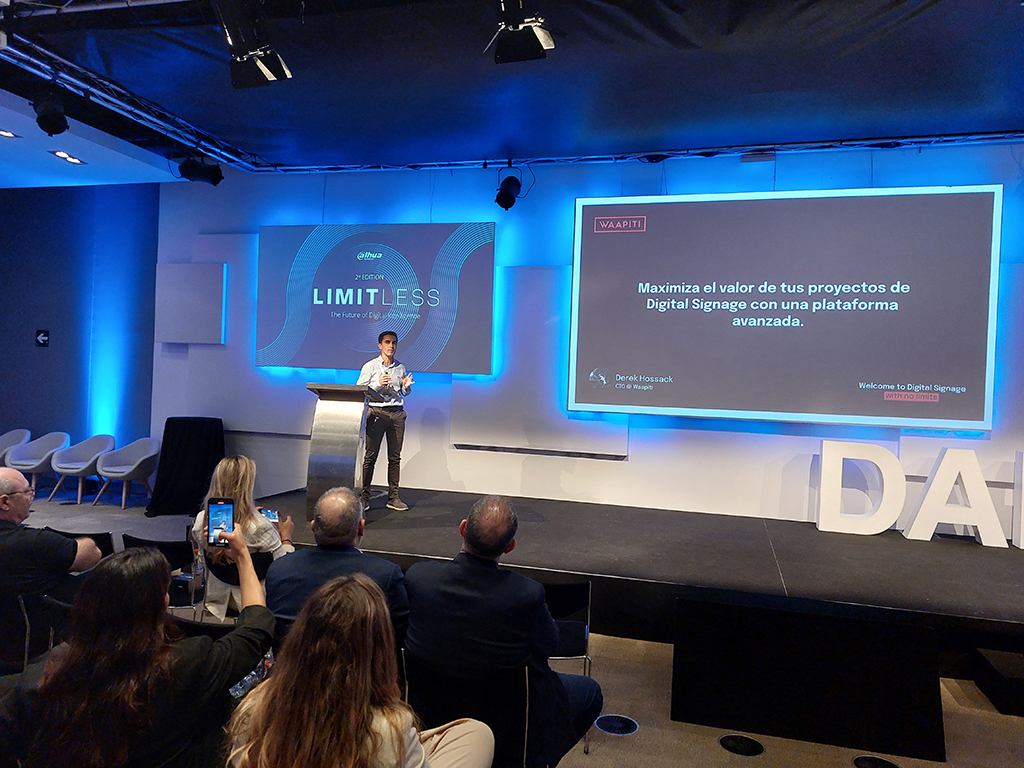
El último bloque de conferencias corrió a cargo de Dereck Hossak, CTO de Overcome them, que abordó el tema de la gestión de contenidos dentro de un entorno de digital signage. “Llevamos años con esto y es fundamental tenerlo en cuenta en todo tipo de proyectos sean grandes o pequeños. Es importante porque la infraestructura se vuelve compleja pero la gestión tiene que estar automatizadas con un ahorro de tiempo que evite los errores humanos.”
La estrategia para implementar un proyecto de señalización digital tiene que ser complejo, pero no así su gestión. Hay que tener en cuenta ciertos aspectos como que el contenido debe ser posible generarlo en tiempo real y tiene ser dinámico en un gran porcentaje.
Su integración con sistemas externos también es una comunicación contextual. Una plataforma avanzada no solo muestra contenidos sino que reacciona al contexto en tiempo real gracias a sensores cámaras o iluminación. Integración tiene que ir unido acomunicación.
In addition, esta integración con sistemas externos también tiene que implicar una interactivity. El cliente final tiene que poder elegir el contenido que quiere ver desde su movil.
Otro aspecto a tener en cuenta es la sencillez. Una solución de gestión tiene que ser fácil de utilizar, tiene que permitir que el cliente pueda administrar las pantallas, pero tiene que haber un nivel de seguridad. Hay que establecer un control por niveles y con roles personalizados por política de acceso. Esto permite que los proyectos sean escalables y que sea posible gestionar grandes redes de pantallas con múltiples y equipos.
Did you like this article?
Subscribe to our NEWSLETTER and you won't miss anything.
Related articles
 Dahua: enfoques innovadores para el digital signage y el mundo educacional, en Limitless
 Open Innovation Challenge vuelve a ISE 2023 in its second edition
 Hippotizer Handles Big Data for Immersive Limitless AI Experience
 WHEREAS 2022 will host the second edition of AV Experience Zone
 Avixa convoca la segunda edición de los AV Experiencie Awards
 The Malaga Virtual Reality Observatory inaugurates its second edition
 OF THE 2018 presents its third edition with artificial intelligence as the protagonist
 La segunda edición de Mapping ME! en Medina del Campo duplica sus espectáculos y formación
 U-tad celebra la segunda edición de EsRealidadVirtual y la consolidación de esta tecnología
 Collaboration, cloud, mobility, Security and IoT marked the second edition of MMe 2016 the Tech Data
Tech Data celebrará en noviembre la segunda edición de su evento MMe
Collaboration, cloud, mobility, Security and IoT marked the second edition of MMe 2016 the Tech Data
Tech Data celebrará en noviembre la segunda edición de su evento MMe
 Las divisiones Pro AV y DC/POS de Ingram Micro ultiman preparativos para la segunda edición de IMagine event
Ifema y FISA convocan la segunda edición de SICUR Latinoamérica 2014
Las divisiones Pro AV y DC/POS de Ingram Micro ultiman preparativos para la segunda edición de IMagine event
Ifema y FISA convocan la segunda edición de SICUR Latinoamérica 2014
 Crambo Visuales announces the second edition of the Digital Signage Symposium