


Avixa foresees growth in the AV integration sector of the 3,9% in 2030
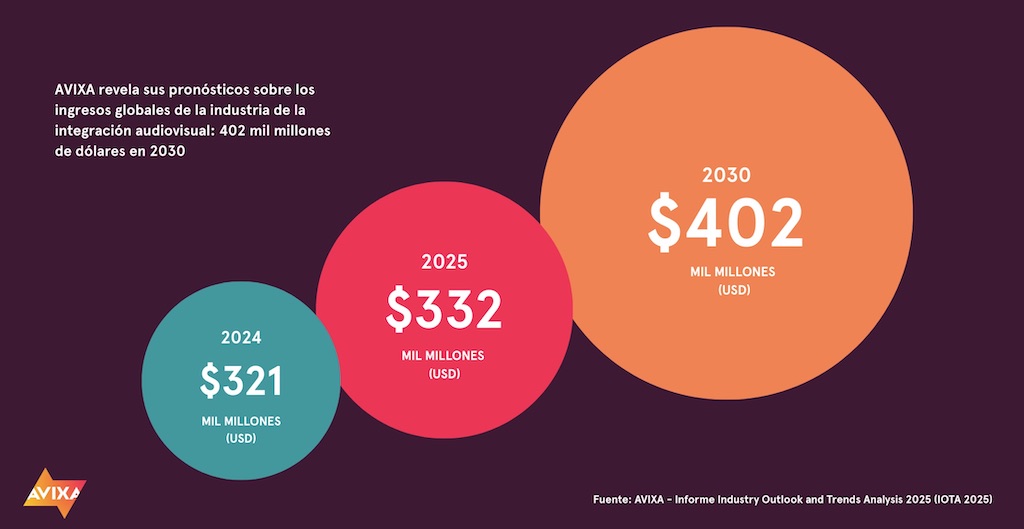
Forecasts on global revenue of the audiovisual integration industry are estimated at 402.000 millions of dollars in 2030, según el nuevo informe IOTA 2025 of Avixa.
The economía de las experiencias y el trabajo híbrido impulsan el crecimiento en la industria AV, que se muestra resiliente pese a la desaceleración del mercado. El nuevo informe Industry Outlook and Trends Analysis 2025 (IOTA 2025) de la asociación Avixa prevé que los ingresos globales de la industria de la integración AV crecerán de los 332.000 millones de dólares esperados al cierre del presente año a 402.000 millions in 2030.
Este pronóstico de incremento de 70.000 million dollars in the next five years es una muestra de la resiliencia del sector, a pesar de que los ingresos de 2024 se situaron por debajo de la cifra prevista en el reporte anterior.
El informe IOTA es un análisis exhaustivo del mercado de la integración audiovisual, que utiliza datos de los últimos cinco años y las aportaciones de diversos actores del mercado. Al ofrecer una visión general del gasto de los usuarios finales, aporta datos sobre el tamaño de esta industria con una perspectiva global, segmentada por zonas geográficas, mercados verticales, áreas de soluciones y categorías de productos.
En el informe anterior, the proyección de crecimiento para los próximos cinco años era del 5,3%, but Avixa la ha ajustado al 3,9%, a partir de la opinión de expertos del sector y tomando en cuenta el clima macroeconómico actual.
Aunque la incertidumbre generada por la imposición de aranceles, la geopolítica y los altos tipos de interés tienen un efecto desacelerador, se espera que el sector audiovisual supere el crecimiento del PIB mundial en 0,8 puntos porcentuales.
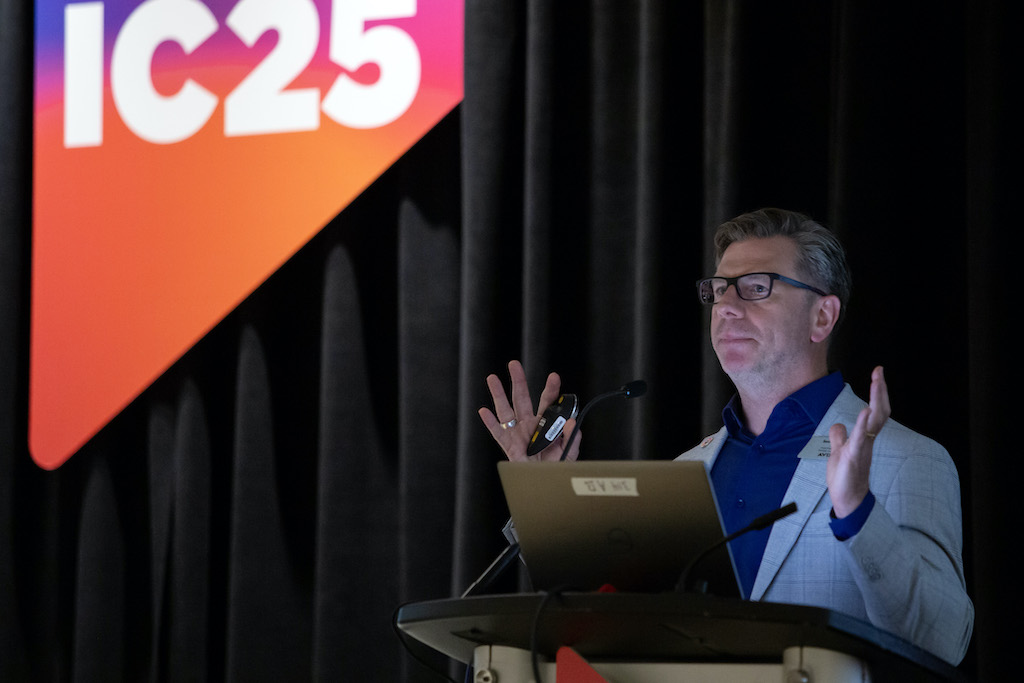 As pointed out Sean Wargo, vp. de market insight de Avixa y responsable del equipo encargado del informe IOTA (in the right image): “los datos apuntan a que el sector de la integración AV sigue bien posicionado para el éxito a largo plazo, incluso en un entorno de crecimiento más cauteloso. La inversión estratégica en tecnologías emergentes, la diversificación regional y las colaboraciones entre sectores serán fundamentales para aprovechar más oportunidades en el futuro”.
Si bien el sector sigue superando el PIB mundial, Wargo puntualiza que “el ritmo de expansión se ha ralentizado; un reflejo del cambio de la recuperación pospandemia hacia mercados más estables e impulsados por las experiencias, como los eventos presenciales, el comercio minorista, los recintos para espectáculos y la hostelería”.
Specifically, el modelo del espacio de trabajo híbrido y la economía de las experiencias son los dos factores que dan forma e impulsan la demanda en esta industria, according to the report.
Al invertir en tecnología AV para mejorar la participación y la colaboración dentro y fuera de la oficina, las empresas están fomentando una vinculación cada vez más estrecha entre las herramientas y acciones que transforman el lugar de trabajo al aprovechar las experiencias basadas en el entretenimiento.
A nivel mundial, India ha tomado el liderazgo que China ostentaba en los años recientes, convirtiéndose en el país más destacado de la región de Asia-Pacífico (APAC), que sigue siendo el motor del crecimiento del sector AV.
Su ascenso se ha visto impulsado por el aumento de la inversión en infraestructuras y la creciente necesidad de experiencias inmersivas basadas en la tecnología. Otras regiones que están experimentando un alto crecimiento son Oriente Medio y América Latina.
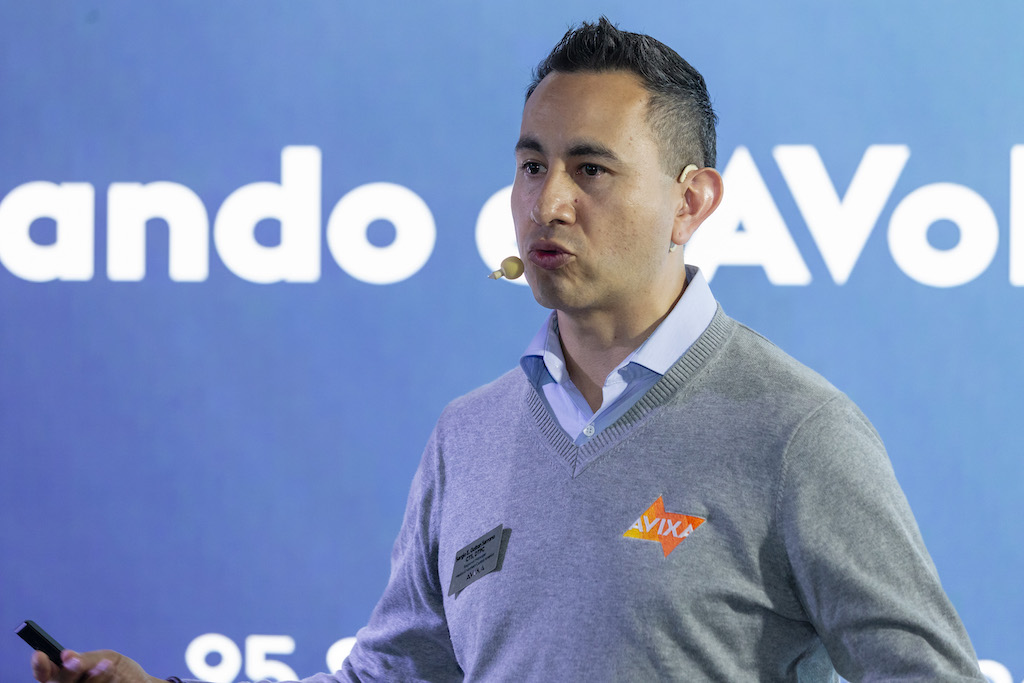 Para Sergio Gaitán Serrano, gerente regional de Avixa para México y norte de Centroamérica (in the attached image), “América Latina refleja la mayoría de las tendencias globales con una diferencia clave: los servicios son la principal fuente de ingresos en el sector de audio y vídeo profesional. Esto subraya la importancia del conocimiento como herramienta profesional, un ámbito con considerable potencial de crecimiento, donde las certificaciones representan un diferenciador significativo”.
According to the report, esta industria evoluciona gracias a la búsqueda de entregar nuevas formas de experiencias audiovisuales, entre las que destacan cuatro tecnologías clave:
OFF over IP, que ya es un elemento habitual de las instalaciones audiovisuales, permite la distribución de contenidos y el control de sistemas a través de redes IP. Los factores que impulsan el mercado son la eficiencia operativa, la reducción de costes y las experiencias inmersivas.
Uso de software y la nube, cada vez más importantes para las operaciones audiovisuales, ya que permiten la gestión remota y la escalabilidad.
Inteligencia artificial, una tecnología que está potenciando la capacidad de los sistemas, asistiendo en áreas como el diseño, la programación y la optimización del tiempo y el trabajo de las personas.
Realidad extendida (XR), que gana impulso en sectores como el entretenimiento, las ventas minoristas y la educación.
El auge de estas cuatro tecnologías resulta en una mayor demanda de los productos relacionados, entre los que predominan el hardware y los servicios para la gestión de contenidos.
El software independiente, especialmente las herramientas basadas en IA, es la categoría de más rápido crecimiento. Esta tendencia pone de relieve un cambio más amplio hacia los servicios de valor añadido y las infraestructuras inteligentes.
El informe IOTA 2025 de Avixa también permite identificar patrones que demuestran resiliencia frente a la recesión. For example, el entorno empresarial sigue siendo el mayor segmento de compradores, a pesar de que su crecimiento se ha ralentizado. En contraste, entre los sectores que experimentan una aceleración se encuentran el gubernamental, el militar, el de energía y el de servicios públicos.
En cuanto a soluciones, la tecnología para conferencias y colaboración continúa siendo la más demandada, aunque los sistemas de seguridad y vigilancia van subiendo en las prioridades de inversión con rapidez.
Otra de las soluciones con un crecimiento sostenido es la producción y difusión de contenidos audiovisuales. In fact, la inversión en estas tecnologías ya ocupa el segundo lugar, solo por detrás de las utilizadas para conferencias y colaboración.
Cada vez más empresas entienden que sus mensajes y eventos corporativos pueden ser fuente de contenido valioso, listo para capturar y compartir, con un interés creciente por desarrollar capacidades de creación de contenido audiovisual, desde piezas para redes sociales o podcast hasta sus propias plataformas de difusión, con la ventaja de que la audiencia puede interactuar.
Did you like this article?
Subscribe to our NEWSLETTER and you won't miss anything.
Related articles
 The ProAV sector will grow around 6% year-on-year between now and 2030
 The experience economy leads the growth of the audiovisual sector
The professional AV sector will grow by 5,6% annual, according to Avixa IOTA report
The experience economy leads the growth of the audiovisual sector
The professional AV sector will grow by 5,6% annual, according to Avixa IOTA report
 Pervasive Technologies predicts that AI will center business processes
 Sharp consolidates the integration of NEC Display with double-digit growth in AV
 Mike Blackman predicts that ISE 2022 reach the 50.000 visitors with an impact on Barcelona 215 million
 Avixa will further its mission as a catalyst for the growth of AV professionals
 Avixa Congress 2021: a bridge between the AV industry and the educational sector
 Avixa focuses its next congress on AV innovation for the educational sector
 Avixa creates an advisory committee for audiovisual integration companies in Spain
 Virtual reality and personalization: This will be the trends in retail for 2030
 AVIT Vision convoca al sector español de integración AV a su evento Reload 2019
 “Transportation is a strategic sector for the growth of Daktronics in which we invest a lot”, Ivan del Rio
 Sommer Cable combina con Transit MC 2030 HD video and power for HD and 3G-SDI