


LCD frente a plasma: la crisis empuja al plasma con un crecimiento del 42%
Muchos consumidores se están viendo en la disyuntiva en plena crisis de elegir entre comprar un LCD de menor tamaño o un plasma 720p más económico sin sacrificar el número de pulgadas.
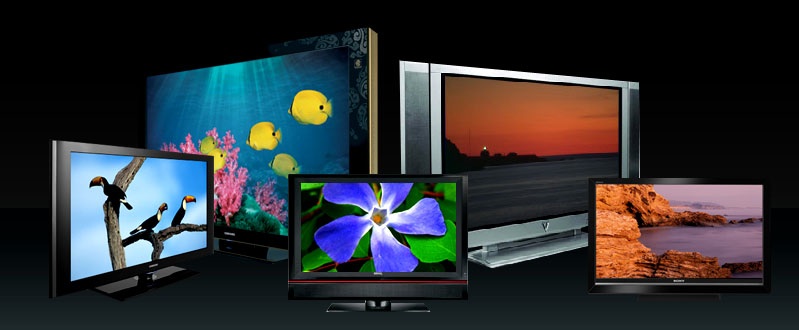 Aunque muchos estudios daban por vencedor al LCD frente al plasma, la crisis ha hecho resurgir la venta de plasmas. Según un estudio de Quixel Research muchos consumidores prefieren comprar un televisor de gran tamaño de plasma 720p que un LCD que a igual número de pulgadas resultaría más caro. Ante el escaso número de señales a 1080p, salvo aquellos que cuenten con reproductores Blu-ray incluyendo la Play Station 3, los consumidores se están decantado por el 720p más económico. Según Quixel Reseach, las ventas de plasmas ha aumentado en el segundo trimestre de 2009 and 42% en comparación con el primero. Las pantallas de plasma utilizan un gas, almacenado entre dos vidrios, que se ilumina mediante una carga eléctrica. Las de LCD poseen un cristal líquido que filtra la luz generada por la combustión de fósforo detrás de la pantalla mediante un sistema de retroalimentación. Los plasmas duraban inicialmente entre 25 y 30 mil horas, actualmente superan las 60 mil horas, una vida similar a los LCD, que rondan entre los 50 y 60 mil horas, antes de perder su brillo. Otra importante característica es el ángulo de visión efectivo, que permite al espectador disfrutar de las imágenes en pantalla desde cualquier punto y no solo de frente. En los Plasmas es de 160º mientras que en los LCD alcanza hasta los 180º. En cuanto al color, los plasmas tienen mayor diversidad y precisión de color, brindando tonos más realistas. En tanto las imágenes en los LCD, poseen mejor contraste y colores más vivos, recreando imágenes impactantes. Ambas tienen un perfil muy delgado, casi plano, y son muy ligeras comparadas a las pantallas CRT (tubos de rayos catódicos) de dimensiones similares.
Did you like this article?
Subscribe to our NEWSLETTER and you won't miss anything.
Related articles
 d&b inicia la transición en su dirección con Jaakko Kaivonen al frente
 ISE reaffirms its commitment to exhibitors in the face of LG's absence due to the coronavirus’
 Levi’s captures the identity of Times Square in its new flagship store
 La apuesta de Epson en el entorno de la proyección en color se plasma en su tecnología 3LCD
 Panasonic desvela en IFA 2012 el plasma 3D sin gafas más grande del mundo
 La nueva pantalla de plasma interactiva de Panasonic contará con modelos de 65, 85 y 103 inches
 Panasonic presents a new interactive plasma screen for professional presentations
 FSR dispone de tres nuevas cajas de pared para displays de plasma
 Fenwal presents the new Aurora system for plasma collection
 Panasonic lanza la Serie 30 de pantallas de plasma
 Panasonic presents a new professional plasma screen 65 inches for 3D
 La tecnología plasma de Panasonic es la nueva incorporación en los Museos Vaticanos
 Panasonic launches the world's largest Full HD 3D professional plasma
 LG reaffirms its commitment to plasma