


Avigilon improves the performance of its cameras 1 y 2 megapixels
The provider of high definition video surveillance solutions (HD) and megapixel, Avigilon, ha incorporado las cámaras de 1 y 2 megapíxeles a su nueva plataforma H3 con tecnología High-Definition Stream Management (HDSM) improved, que ofrece un gran rendimiento y reduce los requisitos de ancho de banda y almacenamiento.
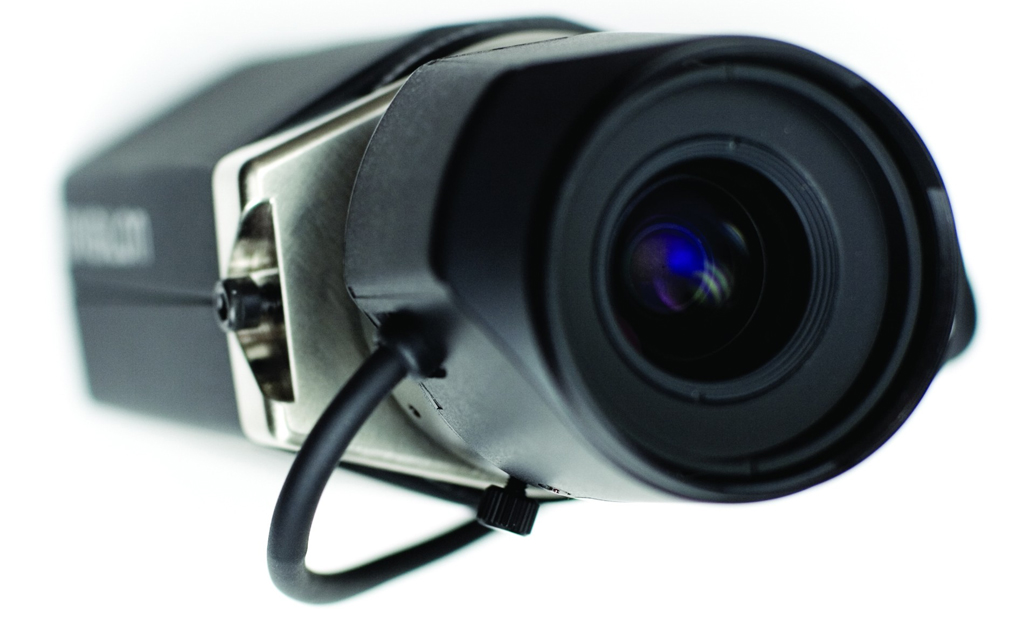 Avigilon ha anunciado la ampliación de su tecnología de cámaras H.264 de próxima generación, la plataforma H3 con High-Definition Stream Management (HDSM) improved. Las populares cámaras de 1 y 2 megapíxeles se unen así a la de 3 megapixels (MP), a la de 5 MP y a la Pan-Tilt-Zoom (PTZ) dentro del catálogo de productos H3 de la marca. Al estar en consonancia con la línea H3, los factores de forma de 1 y 2 MP requieren cuatro veces menos ancho de banda en condiciones de iluminación difíciles que las generaciones anteriores de cámaras H.264, aprovechando al máximo la innovadora tecnología HDSM de Avigilon.
Populares por su amplia variedad de aplicaciones, las cámaras de 1 y 2 MP mejoradas vendrá se presentan en forma domo y cuerpo de caja. El zoom y el enfoque remotos, y la lente F1.2 de 3-9mm integrada con soporte P-Iris permiten la facilidad de instalación y una claridad de imagen máxima.
Keith Marett, Vice President of Marketing and Communications at Avigilon, has manifested: “En Avigilon ofrecemos soluciones para todo tipo de negocios, desde tiendas a casinos, para proteger sus activos. Con las mejoras que aporta la plataforma H3 nuestras cámaras 1 y 2 MP proporcionarán un ancho de banda y un ahorro en costes de almacenamiento aún mayores para nuestros clientes.”
Las cámaras de 1 y 2 MP de Avigilon en la plataforma H3 presentan diversas características y beneficios: gestión de flujo de alta definición mejorada que permite multi-streaming ampliado para la reproducción eficiente en el software Avigilon Control Center; graba video de alta definición a 30 images per second; datación avanzada de datos que reduce hasta 20 veces las necesidades de almacenamiento de archivos a largo plazo; rendimiento de imagen con poca luz mejorado que proporciona imágenes de calidad superior por la noche; zoom y enfoque remoto para una mayor claridad de imagen y facilidad de instalación; lente F1.2 de 3-9mm integrada con soporte P-Iris que maximiza la calidad de la imagen permitiendo a la cámara la gestión de posicionamiento automático del iris; cumplimiento con ONVIF para prestar soporte a los sistemas de gestión de vídeo; transmisión de imágenes a través de redes IP utilizando la última tecnología H.264 para lograr el ancho de banda más bajo de la red, lo que requiere un mínimo de almacenamiento de vídeo a altas velocidades de fotogramas con calidad de imagen superior; alimentado por Power over Ethernet, 12 VDC o 24 VAC.
Did you like this article?
Subscribe to our NEWSLETTER and you won't miss anything.
Related articles
 Genelec mejora las prestaciones de su subwoofer clásico con el compacto 7050C
 Avigilon CCTV Cameras Protect Baltimore's Mama's on the Half Shell Restaurant
 Vivotek continues to focus on small, high-performance cameras with the FD8166 model
 Mobotix develops a sensor 5 megapixels for your new S15 cameras, D15 and V15
 Samsung mejora SmartViewer con más prestaciones
 Avigilon unveils its line of night vision bullet cameras
 Samsung updates its range of Full HD network cameras and domes 3 megapixels
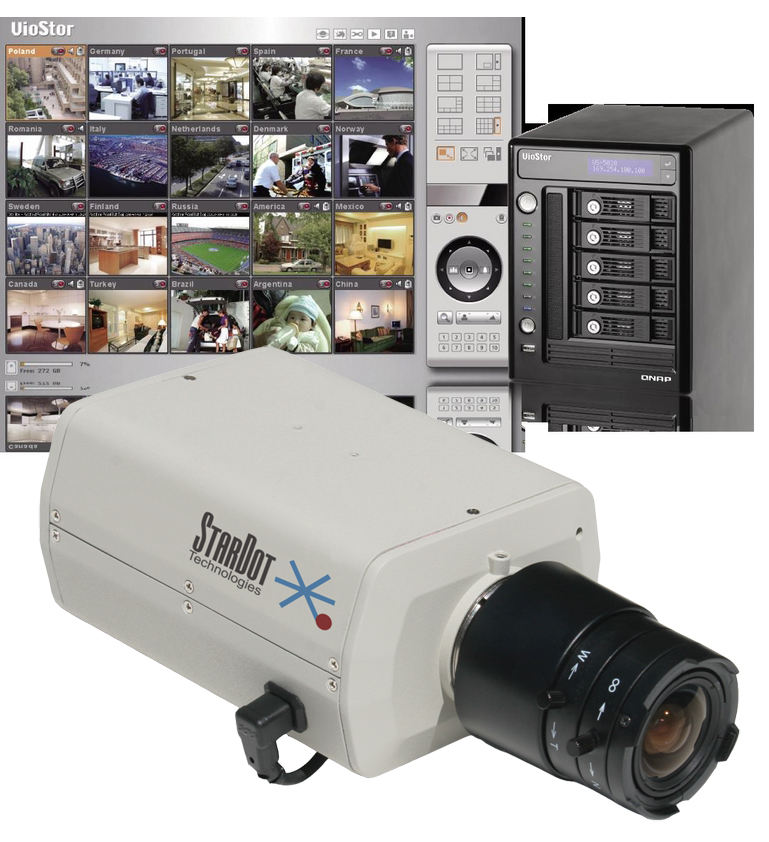 QNAP Security VioStor NVRs, Compatible with StarDot NetCam megapixel IP cameras
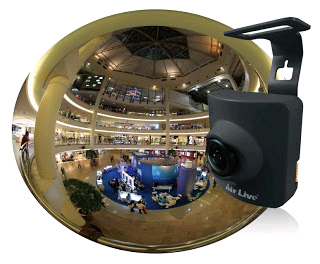 AirLive launches new line of ‘Fisheye’ PoE IP cameras’ of 2 megapixels
 Surveon completes its line of cameras 2 megapixels with 3 new models
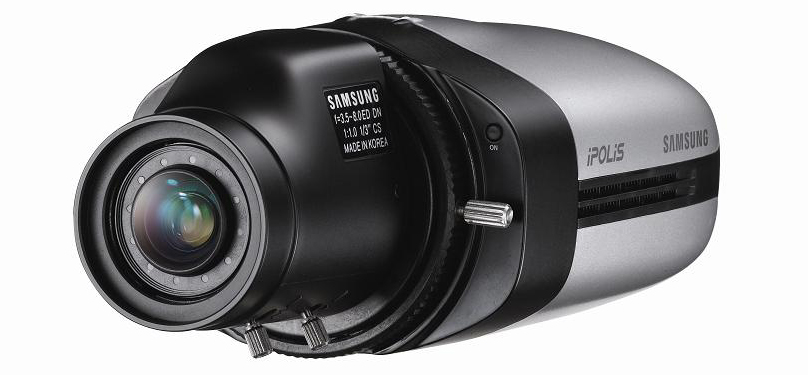 Samsung Techwin offers a series of new cameras 1,3 y 3 megapixels
 Hikvision ONVIF-compliant IP cameras integrate with Avigilon Control Center software
 Avigilon expands its H3 platform with high-definition, high-speed PTZ cameras
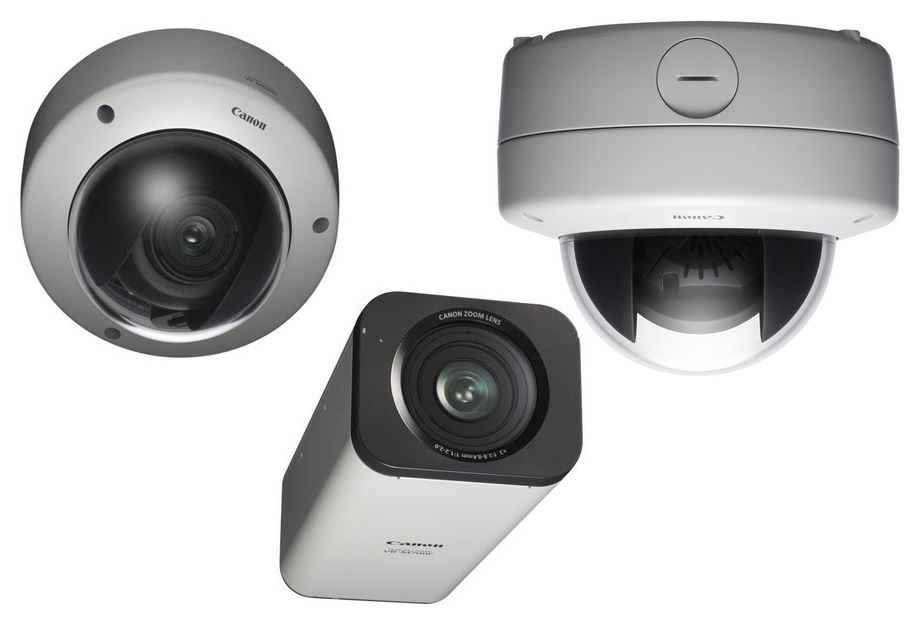 Canon presents three network cameras 1,3 megapixels and new recording software