


IndigoVision reduces crime and eases traffic flow in the Czech city of Chomutov
The city of Chomutov, in the Czech Republic, has chosen a new surveillance system based on IndigoVision IP video technology to replace its analog CCTV system, that had been out of date, since it dated back to the decade of 1990.
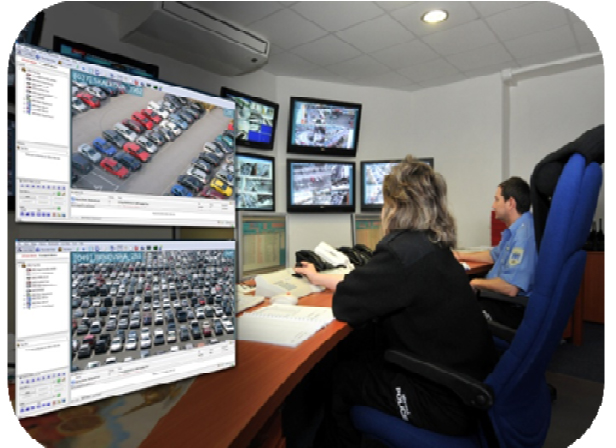 Chomutov, a city of 50.000 inhabitants located in the north of the Czech Republic, has implemented a distributed surveillance system for large areas based on IP video technology from IndigoVision as part of its strategy to reduce crime and control traffic flow. MKDS Besy, IndigoVision's local partner, has installed 32 analog PTZ cameras, of which two are mobile, to generate a greater number of surveillance options, connected through 32 IndigoVision encoders 9000. Two NVR-AS network video recorders for Windows have also been installed: one is in operation and another serves as a backup function.
The system includes 4TB of storage capacity, with failover resilience provided by RAID5 system. With integration in mind, Three Control Center facilities linked to city police crisis management software were established. Control Center is the user interface for IndigoVision's SMS4 Security Management Solution. The low bandwidth requirements and image quality of IndigoVision, along with the distributed architecture that does not require a central server and the ease of backing up network video recorders (NVR), were key factors when selecting a solution for the city.
David Žažo, Chomutov police security technician, has stated: “The new system has transformed the city's surveillance tasks; It is reliable and completely stable, and its growth potential is unlimited thanks to its distributed architecture. Police can make better and faster decisions, thanks to the fact that it now has excellent image quality”.
Both mobile cameras use the Activity Controlled Frame Rate feature (ACF) so that bandwidth requirements are kept low across your Wi-Fi connections. This feature controls the frame rate of the camera's video stream based on the amount of motion in the scene. When there is no activity, video is transmitted at a minimum frame rate per second; but as soon as movement is detected, Simultaneously transmits at the maximum configured rate to maximize data capture. This significantly reduces bandwidth consumption and storage requirements for cameras monitoring typically static scenes or during periods of lower activity., like at night, which shows that it is a true immediate response technology.
Did you like this article?
Subscribe to our NEWSLETTER and you won't miss anything.
Related articles
 DSB improves passenger flow and reduces waiting times with Moviik
 Cue facilitates management and traffic at the Havířov hospital
 Kaleido Ink 3 transforms sustainable traffic signage in Sydney
 LB Foster creates interactive totems with Zytronic technology for transit centers
 Tampa airport facilitates passenger transit with digital signage solutions
 Dynamic and interactive digital signage technology to guide passengers in transit
 PwC's new headquarters in the Czech Republic relies on Yamaha DME for its conference room
 Ainhoa Fernández-Checa, new marketing director of Neo Advertising Spain
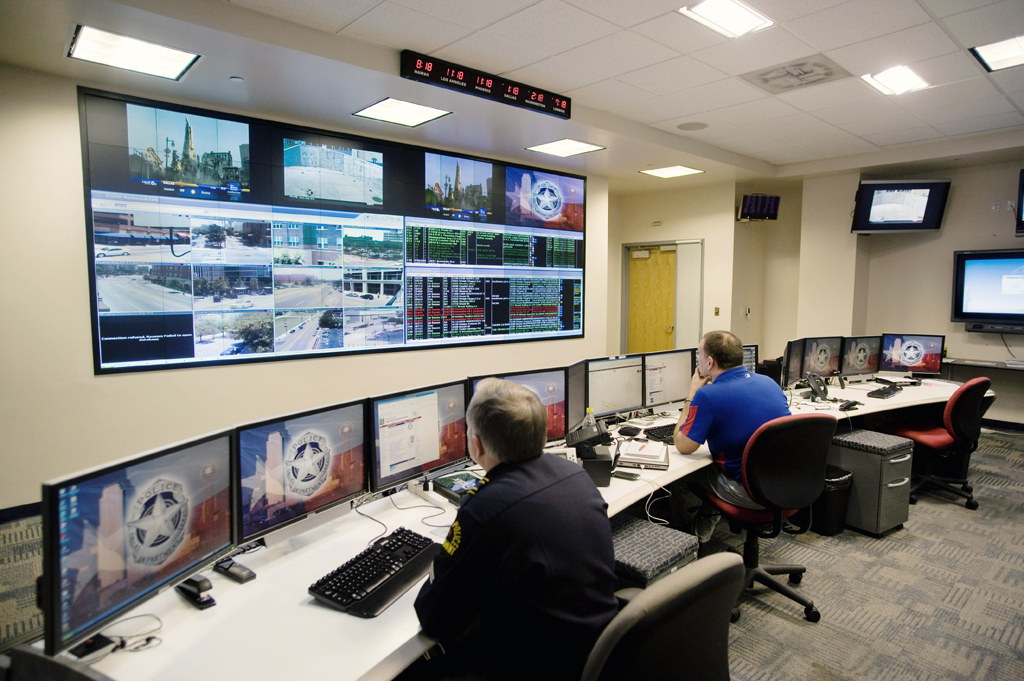 Christie helps fight crime in Dallas
 IndigoVision ensures normal traffic flow on the Attika Tollway in Athens
 IndigoVision becomes US GSA contractor
 They transform an old Czech chapel into a giant laser-controlled musical instrument
 Thurrock reduces crime thanks to IndigoVision technology
 New IndigoVision v2.0 OPC integration module