


What technology is best suited for control room video walls??: Projection screens vs flat screens
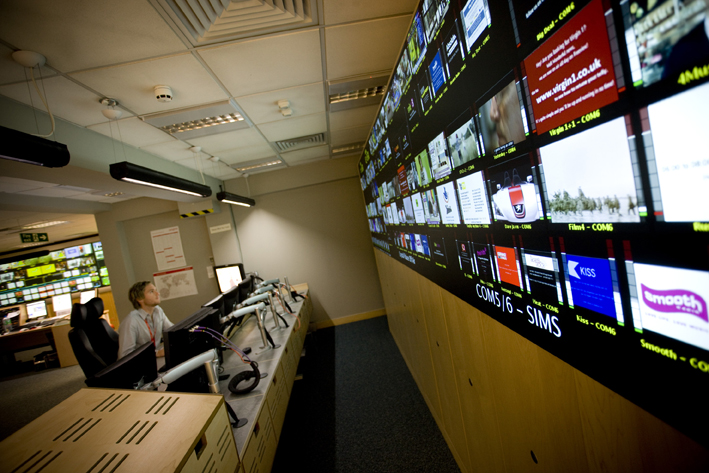
David Griffiths, Market Development Manager, Control Rooms de Christie EMEA, defiende en este artículo la idoneidad de las pantallas de retroproyección basadas en tecnología DLP para la configuración de sistemas de videowall en centros de operaciones y salas de control en contraposición a la creciente tendencia a utilizar pantallas planas LCD.
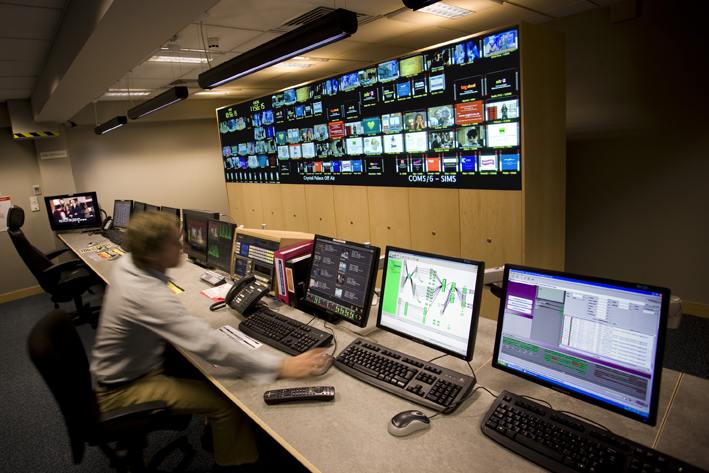
Hay pocas cosas tan impactantes como un videowall de múltiples pantallas. Y, however, la impresionante apariencia del videowall pasa a un segundo plano frente a su increíble poder para visualizar una gran cantidad de datos. Un requisito éste imprescindible para las aplicaciones de los centros de operaciones y salas de control, entre las que se incluyen las telecomunicaciones, operaciones de emergencia, gestión de servicios, control de proceso y transporte, etc. Dado lo delicado de la mayoría de estas aplicaciones, la elección de una tecnología de visualización adecuada resulta fundamental.
Por su demostrado rendimiento y fiabilidad continuada, la retroproyección basada en la tecnología de Procesamiento Digital de la Luz (DLP) se ha consolidado como la opción más extendida. Con todo, las pantallas planas de visión directa están empezando a contemplarse como alternativa. Parte de su atractivo reside en el coste relativamente bajo de estas pantallas comerciales gracias al extenso mercado de la televisión de consumo. Nevertheless, además de tener en cuenta el bajo coste inicial, no hay que olvidar otros aspectos relativos a la fiabilidad y rendimiento y que, in some cases, pueden acabar incrementando el coste de propiedad definitivo.
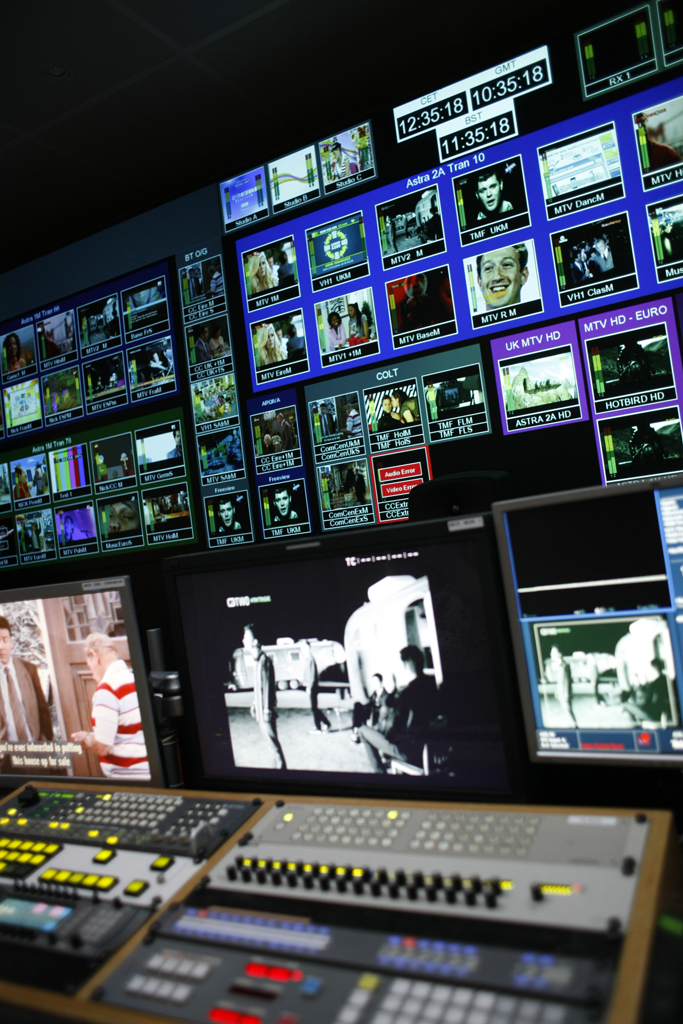 Rendimiento
Los requisitos de rendimiento son mucho más exigentes en cada una de las pantallas que configuran un videowall que en una pantalla de uso individual. Para lograr una imagen totalmente uniforme será necesario, no sólo que cada una de las imágenes en mosaico que conforman la matriz tenga la misma salida luminosa, contraste y color que los cuadrantes de alrededor, sino que la propia imagen conserve en sí misma, y de forma individual, esa uniformidad y en esos mismos aspectos. Besides, el gran tamaño que suelen tener estos videowalls, unido a la infinidad de posibles ubicaciones de visualización del técnico de la sala de control, obligan a que cada una de las pantallas mantenga estos elevados niveles de uniformidad tanto individual como conjuntamente para una amplia gama de ángulos de visión.
Si elegimos un material de pantalla adecuado, conseguir la uniformidad y los ángulos de visión necesarios no es ningún problema con una pantalla de proyección de Christie basada en tecnología de Procesamiento Digital de la Luz. Algo que no siempre es posible con la pantalla plana, que dependerá siempre de la tecnología utilizada. Specifically, con las pantallas de cristal líquido o LCD, la tecnología de pantalla plana más conocida, el ángulo de visión plantea no pocos problemas. Los LCD de más de 32” (in diagonal) suelen tener un ángulo de visión de 176 degrees (±88 grados) both horizontally and vertically; pero su rendimiento real dista mucho de ser aceptable.
En un informe relativamente reciente de DisplayMate Technologies publicado por Insight Media, se describen los resultados de un prueba efectuada con ocho televisores LCD HD de cinco de los fabricantes de electrónica de consumo más destacados, incluyendo modelos de gama alta. Algunas de las conclusiones de este estudio se describen en detalle here. Resultado: todos los televisores LCD HD experimentaron visibles y, in some cases, importantes cambios en el brillo, contraste y/o color en función del ángulo de visión (véase la figura 1).
Con una única excepción, todas las pantallas LCD sometidas a la prueba presentaron un dudoso cambio de color, incluso en un margen tan reducido de ±15 grados. La única pantalla que se salvó de dicha alteración incluía un panel S-IPS, conocido por sufrir un menor cambio cromático bajo condiciones de visualización de televisión normales. Even so, este panel demostró, en los ángulos de visión más amplios, un descenso significativo en los niveles de contraste y saturación de color. Besides, los paneles S-IPS tienden a experimentar importantes cambios de color si se observan desde un ángulo diagonal relativamente elevado, algo que, si bien no tiene porqué suponer un problema en el caso de un televisor, sí lo es cuando se trata de las pantallas superiores de un videowall.
Las pantallas LCD también pueden presentar problemas de uniformidad incluso cuando el ángulo de visión es frontal. Son habituales las quejas de propietarios de televisores HD sobre fallos en la imagen tan conocidos como el efecto de “manchas en forma de nube”, la falta de homogeneidad en la retroiluminación o la aparición de bandas verticales en tonos grises. Ello no quiere decir que se presenten en todas las pantallas LCD, pero son tan frecuentes que tienen todos los boletos para acabar planteando serios problemas en un videowall formado por un gran número de paneles. Incluso si se configurase un videowall con pantallas escogidas cuidadosamente por no presentar en principio ninguno de dichos efectos indeseados, acabarían desarrollándolos con el paso del tiempo. Por si fuera poco, muy raras veces se incluye una función o control que permita ajustar la uniformidad de la imagen de la pantalla.
Lo que sí que puede afirmarse con toda rotundidad es que con el paso del tiempo la pantalla irá perdiendo luminosidad. La temperatura de color de la pantalla (el color del blanco y todos los niveles de grises) y los propios puntos de colores primarios RGB también pueden cambiar (véase la figura 2). Por desgracia lo más probable es que esos cambios no se manifiesten exactamente al mismo ritmo en todas las pantallas, de forma que con el tiempo el videowall puede acabar pareciendo una pared llena de parches. Aunque la mayoría de las pantallas disponen de controles que permiten al técnico compensar estos cambios, puede decirse que prácticamente no existen soluciones integradas que coordinen esos ajustes en toda una matriz de pantallas, con lo que el mantenimiento del videowall se convierte en una laboriosa tarea que requiere de bastante mano de obra.
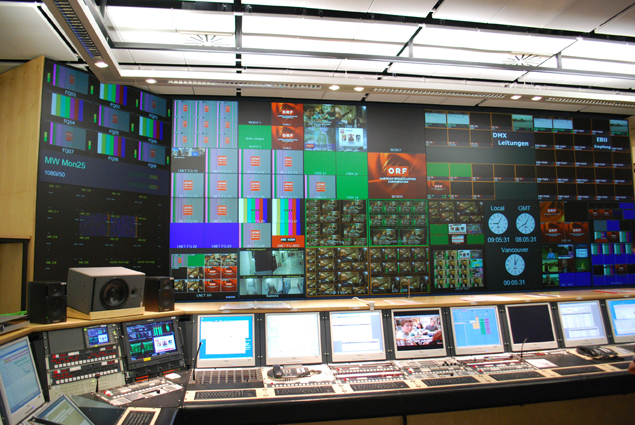
On the other hand, las pantallas de proyección de Christie basadas en tecnología DLP y concebidas para aplicaciones de salas de control y centros de operaciones, han sido específicamente diseñadas para mantener un nivel de brillo constante y unos colores uniformes a medida que se consume la vida útil de las lámparas. It's more, con la ayuda de unos canales de comunicación que se han fijado entre los proyectores, estas pantallas son capaces de coordinar los ajustes realizados en toda la matriz, permitiendo conseguir un nivel de brillo, una temperatura de color y un conjunto de colores primarios constante en cada uno de los proyectores que conforman la matriz y que puede mantenerse fácilmente estable con el paso del tiempo.
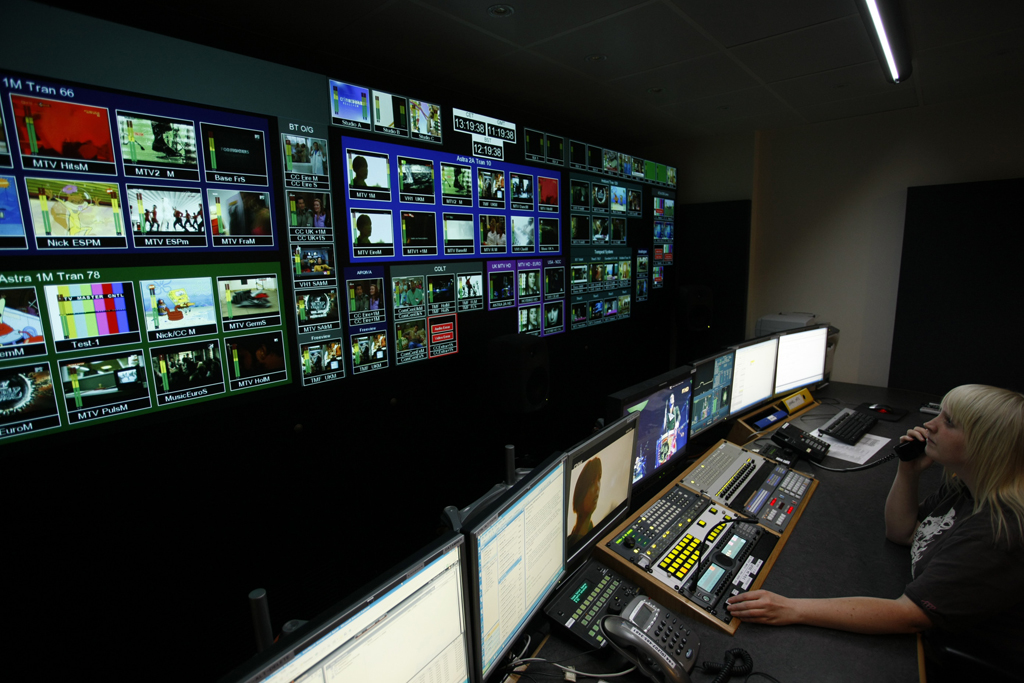
Configuración
Uno de los handicaps más importantes de los videowalls de pantallas planas es el tamaño relativamente grande de los montantes o marcos que encuadran las pantallas (véase la figura 3). Si se quiere conseguir el efecto visual de una imagen uniforme sin interrupciones y garantizar la máxima continuidad de la información a lo largo de todas las pantallas del videowall, la separación entre pantallas deberá ser inferior a un milímetro. Las pantallas de proyección cumplen sin problemas esta condición. However, los actuales paneles LCD presentan unos marcos que en el mejor de los casos miden 7 mm (cifra que las pantallas de proyección mejoraron hace ya muchos años). In fact, el ancho del marco de la mayoría de los LCD comerciales mide bastante más de 25 mm. Esto significa que la separación entre pantallas supera muchas veces los 50 mm. Even so, una separación de sólo 7 mm sigue siendo insuficiente para la mayoría de las actuales aplicaciones de mando y control pues las interrupciones en la visualización de las características de la imagen pueden afectar negativamente su legibilidad.
Also, debería tenerse en cuenta el tamaño, la relación de aspecto y los formatos de píxeles de las pantallas planas más habituales. Hoy en día se producen pantallas de más de 100 inches (in diagonal); however, las pantallas de grandes dimensiones que suelen encontrase en el mercado sólo alcanzan las 70”, siendo los modelos más económicos aquellos que más se aproximan a las 50”. Debido a la normativa de la TV de Alta Definición, las pantallas planas de hoy en día de 32″ (in diagonal) y las de mayor tamaño tienen una relación de aspecto prácticamente universal de 16:9 (on the contrary, no está disponible la relación de aspecto de 4:3 aunque continúe siendo habitual para los datos de ordenador).
En cuanto a las pantallas de retroproyección de Christie, se encuentran disponibles tanto en 4:3 como en 16:9. Con una variedad de tamaños de pantalla que oscila de las 50″ a las 100″ in diagonal, no cabe duda de que se precisan menos pantallas para configurar una pared con un determinado número de pantallas y una forma concreta, que una compuesta por pantallas planas disponibles en el mercado.
Los dos formatos de píxeles habituales de las pantallas planas son 1366 x 768 y 1920 x 1080, siendo este último (conocido como 1080p) el más extendido de los dos. However, este formato no ayuda a percibir con mayor nitidez las imágenes de videowall de un centro de operaciones y sala de control. Pongamos como ejemplo la pantalla de 70” antes mencionada, que se trata de un modelo 1080p con un paso de píxeles de 0,8 mm. Para poder apreciar la resolución de una imagen de estas características, el espectador (suponiendo que tenga una visión absoluta) debería situarse a menos de 2,7 metros de distancia de la pantalla. Las estaciones que los técnicos tienen en las salas de control suelen encontrarse bastante más alejadas, con el consiguiente desperdicio de resolución de imagen. Esta incompatibilidad se hace aun más evidente en el caso de las pantallas pequeñas de 1080p. Pero no es éste el único problema, ya que los generadores de imágenes han de ejecutar en el videowall un número total de píxeles mucho mayor del realmente necesario, lo que redunda en unas frecuencias de actualización de la imagen más bajas o en la necesidad de unos generadores mucho más caros.
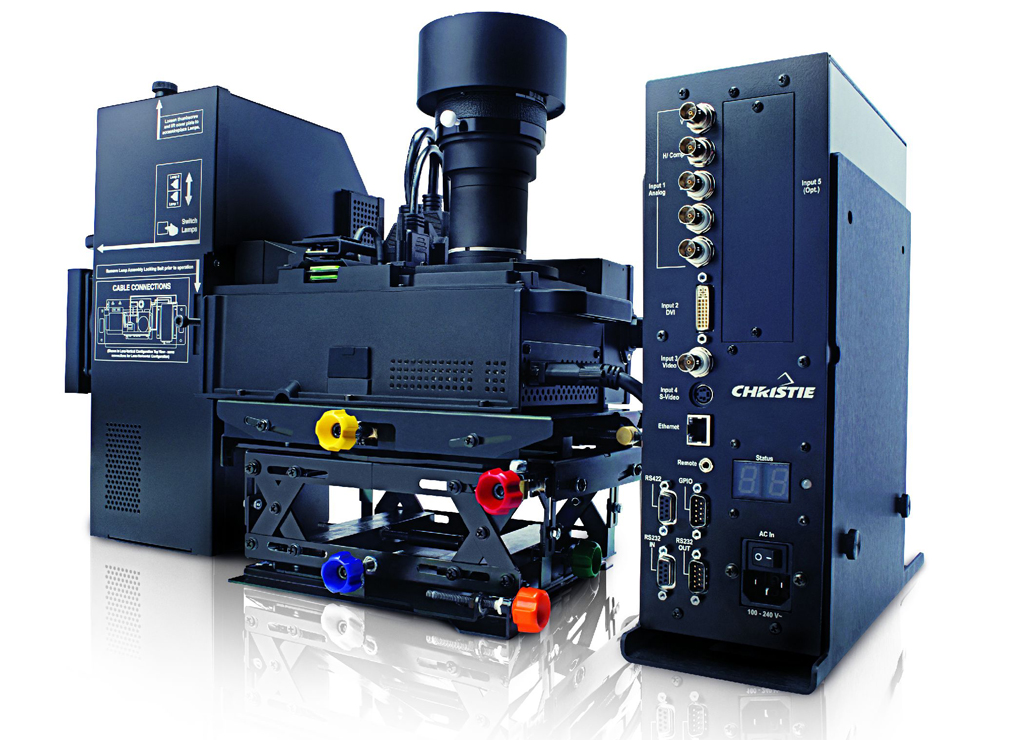 Fiabilidad
Las pantallas de retroproyección de Christie basadas en tecnología DLP están diseñadas específicamente para una funcionamiento ininterrumpido con unos tiempos medios entre fallos documentados que superan las 63.000 hours. On the other hand, la mayoría de las pantallas planas han sido concebidas para utilizarse como televisores, unos aparatos que, in general, no se utilizan durante más de ocho horas seguidas. El uso continuado las 24 horas del día de estas pantallas planas las sometería a una carga térmica excesiva y muy por encima de las especificaciones técnicas del aparato.
En el caso de los paneles LCD, la fuente de calor proviene principalmente de la retroiluminación, la cual no sólo somete a un esfuerzo térmico a los componentes, sino al propio panel, generating, antes de tiempo, fallos en la retroiluminación si se exceden las especificaciones de diseño. La probabilidad de que se produzca este tipo de fallos no tiene porqué ser menor si se utiliza un sistema de retroiluminación más novedoso basado en diodos emisores de luz (LED). In fact, una de las razones que han ralentizado, más de lo esperado, el avance de la tecnología de retroiluminación por LED ha sido el reto que ha supuesto la gestión térmica.
Normally, cualquier fallo en la retroiluminación implica un reemplazo sistemático de todo el panel. La reparación o sustitución de la propia retroiluminación (en el hipotético caso de que fuera posible) es, la mayoría de las veces, prácticamente imposible si no se extrae la pantalla del videowall. Por contra, cuando se estropea la lámpara de un proyector DLP de Christie ésta puede cambiarse rápida y fácilmente sin que ello perjudique la configuración del videowall. Besides, algunos modelos concretos dotados de sistemas de lámpara dual pueden funcionar con una sola lámpara, cambiando automáticamente a la lámpara secundaria en el momento en que se estropea la principal sin ocasionar el más mínimo trastorno. Los modelos Entero™ de Christie basados en iluminación LED son incluso mejores en este sentido ya que los LED gozan de una vida útil estimada en 50.000 horas y no hace falta reemplazar ninguna “lámpara” durante más de cinco años de funcionamiento ininterrumpido.
Otro de los problemas más corrientes de las pantallas planas es la retención de imagen, fenómeno que se conoce (erróneamente) como el efecto “pantalla quemada” o formación de una imagen estática. El término tiene su origen en la época en que eran habituales las pantallas de rayos catódicos, aunque continúa siendo un problema muy extendido entre las pantallas de plasma (PDP). Al igual que las pantallas de rayos catódicos, las pantallas de plasma utilizan compuestos fosfóricos, y dependiendo del grado de utilización, éstos pierden, poco a poco, brightness. Consequently, al mostrarse imágenes estáticas de elevado contraste se produce una caída diferencial en la salida luminosa entre un píxel y otro que se traduce en la formación de una imagen residual fija con los colores invertidos. Este problema hace que las pantallas de plasma queden descartadas como opción para cualquier aplicación de videowall que requiera de una visualización ininterrumpida de datos.
Pero resulta que las pantallas LCD también presentan, en cierta medida, una retención de imagen, si bien producto de un mecanismo diferente y que, aunque no es habitual en la mayoría de las aplicaciones con un bajo ciclo de trabajo, puede convertirse en un problema serio bajo un funcionamiento continuado cuando se visualizan elementos de imágenes estáticas de elevado contraste. Los fabricantes de pantallas LCD advierten en sus manuales de usuario sobre la retención de imagen, pero pocas veces las garantías cubren la aparición de estos efectos.
Coste de propiedad
A la hora de comparar y elegir una tecnología para el videowall, uno de los aspectos más importantes a considerar es el coste de propiedad, que depende de diversos factores. El primero de todos es el coste inicial de adquisición. Después está el coste energético del videowall a lo largo de toda su vida útil y el suministro eléctrico necesario para una refrigeración adecuada del aparato. Este último coste es especialmente significativo si se ha de someter a una mayor carga al sistema HVAC (calefacción, ventilación y aire acondicionado) del centro de operaciones, pero también puede incluir el coste de actualización de un sistema en caso de que el antiguo sea insuficiente para cubrir las necesidades.
Tampoco hay que olvidar los costes de mantenimiento del propio videowall. Por uno lado tenemos costes inevitables, como la reparación de las averías en el hardware, y, for another, aquellos gastos (no sólo económicos, sino de tiempo) que se derivan de la puesta a punto del sistema de visualización para que pueda ofrecer sin interrupciones una calidad de imagen necesaria para la aplicación. En el caso del videowall, esto se traduce principalmente en mantener una luminosidad y colores uniformes en todo el videowall. Unas exigencias mucho más fáciles de satisfacer en los sistemas que han sido específicamente diseñados desde su origen para estas aplicaciones que en soluciones improvisadas a partir de unas pantallas planas diseñadas inicialmente con otros fines.
Finally, otra de las variables a tener en cuenta es la vida útil del videowall. La experiencia con las actuales instalaciones sugiere que la vida práctica de un videowall basado en pantallas planas sometido a un funcionamiento ininterrumpido puede ser de tan solo dos años, momento a partir del cual el rendimiento se degrada hasta el punto de hacerse necesaria la sustitución de prácticamente todos, por no decir todos, los paneles del videowall. Besides, no es posible reemplazar sólo algunos de los paneles, en vez de toda la pared, given that, debido a los continuos cambios en los modelos de los productos, sería imposible encontrar paneles de recambio idénticos que encajasen a la perfección al no estar disponibles en el mercado.
Conclusion
El bajo coste de muchas de las pantallas planas del mercado las convierten en una atractiva opción como alternativa a la retroproyección para la creación de videowalls en salas de control y centros de operaciones. However, la mayoría de las pantallas planas no se han diseñado para soportar las exigencias de un funcionamiento continuado y ni la tecnología de plasma ni la tecnología LCD han sido específicamente adaptadas para satisfacer los exigentes requisitos de rendimiento de las soluciones de pantallas en matriz. Por contra, las pantallas de retroproyección de Christie, basadas en tecnología DLP, con su demostrado rendimiento y continuada fiabilidad, se mantienen como la mejor opción.
David Griffiths
Market Development Manager, Control Rooms de Christie EMEA

Did you like this article?
Subscribe to our NEWSLETTER and you won't miss anything.
Related articles
 Panasonic Connect helps you choose the best 3D projection technology
 Christie deploys at ISE the most innovative in pure laser RGB projection and Led video walls
 Shure and Logitech team up to bring the best audio to conference rooms
 B-Tech BT9910: soporte universal para pantallas planas de hasta 100 inches
 BenQ evolves its Premium RP interactive flat panels with AWS voice control
 Led screen technology versus projection: Samsung's alternative in movie theaters
 Dnp LaserPanels supera a las pantallas planas LCD de licitación gubernamental en Abu Dabi
 Vogel’s Wall 2.0: supports for flat screens that adapt to the decoration of the room
 Eljon: new range of supports for flat screens up to 55” from Unicol
Slim Cube Mitsubishi Electric VS-60HS12U, una alternativa a las pantallas planas LCD
Eljon: new range of supports for flat screens up to 55” from Unicol
Slim Cube Mitsubishi Electric VS-60HS12U, una alternativa a las pantallas planas LCD
 Chief deploys new interactive solutions for flat screens
 BenQ incorporates new interactive flat screens 42, 55 y 65 inches with Full HD resolution
 Sony expands its portfolio of professional flat screens
 SuperFlar, the Vogel's, a perfect mount for flat screens