


Ford uses the 3D Cave augmented reality program to project its cars
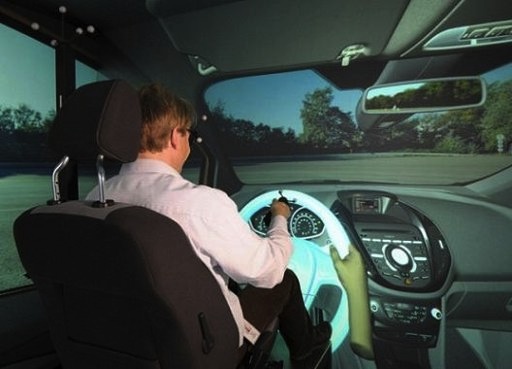
El fabricante de automóviles Ford ha comenzado a realizar sus nuevos prototipos de coches con ayuda del programa de realidad aumentada 3D Cave (computer automated virtual enviroment) en su sede alemana de Colonia, tal y como ya hace en Estados Unidos.
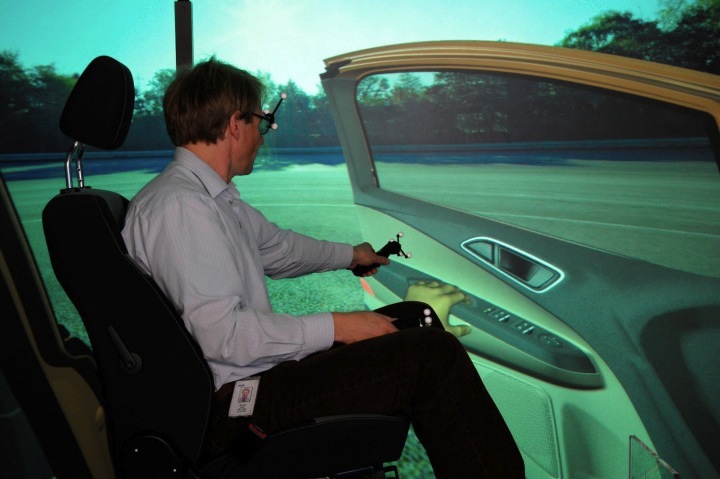
Aunque la firma automovilística de Detroit comenzó hace tiempo a utilizar un sistema de simulación para testear sus nuevos prototipos, ha sido desde su sede europea en Colonia (Germany) where Ford está innovando en la manera de proyectar y diseñar sus vehículos con ayuda de la tecnología de realidad aumentada.
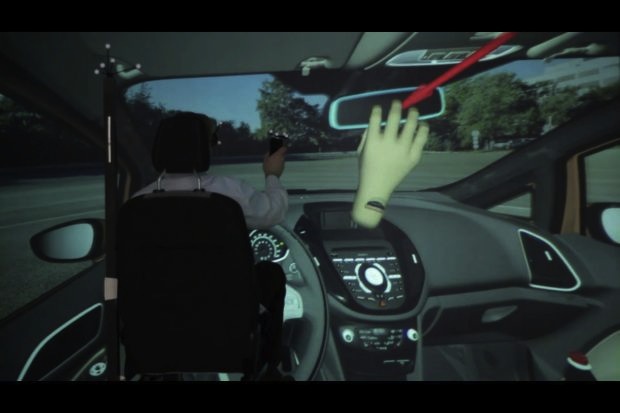 El programa virtual utilizado por Ford es 3D Cave (computer automated virtual environment), con el que sus técnicos recrean las dimensiones y estructura de un nuevo prototipo, al tiempo que pueden interactuar con todos los elementos, lo que además de una mayor garantía en seguridad y fiabilidad, supone un significativo ahorro de costes y de tiempo.
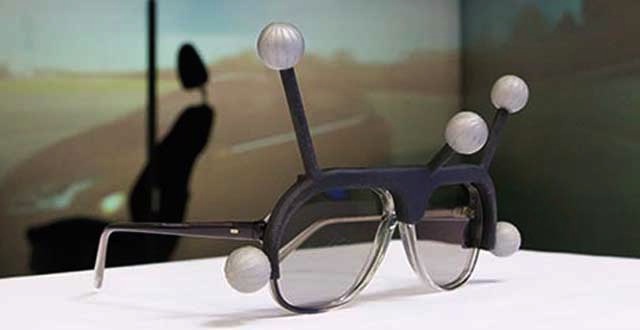
Este simulador en 3D se compone de tres grandes paneles, en forma de caja abierta, todos ellos en blanco para proyectar las imágenes de la estructura del interior del vehículo, que los ingenieros visualizan a través de unas gafas 3D estereoscópicas, con detectores infrarrojos de movimiento, que se sincronizan con las proyecciones para introducirse en el entorno virtual hiperrealista del prototipo del coche.
Gracias a este software de realidad virtual inmersiva, los técnicos de la firma pueden probar cuantas veces deseen y modificar hasta el mínimo detalle de diseño y visibilidad de lo que será un nuevo modelo de automóvil antes de su fabricación.
 Como explica Michael Wolf, responsable de este proyecto de Ford en la sede alemana de Colonia, “aunque confiamos plenamente en la experiencia, conocimiento y creatividad de nuestros ingenieros, gracias a este sistema disponemos de una herramienta mucho más sofisticada para analizar hasta el mínimo detalle; introducirnos en el vehículo e incluso probarlo en un entorno muy realista para mejorar la seguridad y prestaciones del coche”.
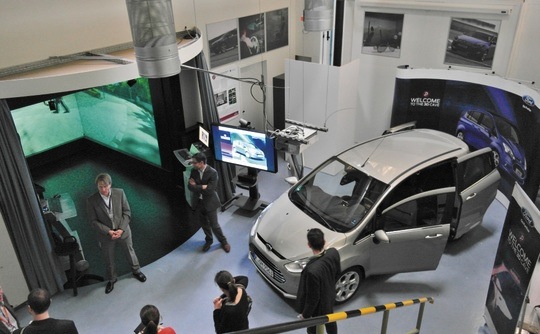 3D Cave permite la proyección de imágenes animadas en un entorno real, con peatones, coches, ciclistas,… para que los técnicos puedan evaluar la visibilidad desde todos los ángulos del habitáculo del vehículo, las prestaciones de su interior, realizar comparativas con otros prototipos, etc.
Pese a esta importante ayuda, Wolf subraya que “todavía dependemos fundamentalmente del conocimiento, la experiencia y la imaginación de nuestros ingenieros, pero 3D Cave es una herramienta imprescindible en su labor”.
El primer sistema lo creó el equipo Electronic Visualization Laboratory (EVL) de la Universidad de Illinois, en Chicago, que lo presentó en el mercado en 1992 y que posteriormente ha ido mejorándolo.
Did you like this article?
Subscribe to our NEWSLETTER and you won't miss anything.
Related articles
 The UTR uses Virtualware technology to create a large Virtual Reality center
 Real Zaragoza uses augmented reality for fans to interact with players
 Adif uses virtual reality to train its workers
Colcerámica uses virtual reality to optimize the shopping experience in its stores
EasyJet uses augmented reality and drones to guarantee the safety and operability of its fleet
Ford utiliza las lentes de realidad virtual Oculus Rift para probar sus prototipos
Adif uses virtual reality to train its workers
Colcerámica uses virtual reality to optimize the shopping experience in its stores
EasyJet uses augmented reality and drones to guarantee the safety and operability of its fleet
Ford utiliza las lentes de realidad virtual Oculus Rift para probar sus prototipos
 Metaio develops an interactive and hands-free manual with augmented reality for cars with Google Glass
 Audi eCurzinfo: Metaio augmented reality as an alternative to car manuals
Nokia JobLens uses augmented reality to search for jobs
Audi eCurzinfo: Metaio augmented reality as an alternative to car manuals
Nokia JobLens uses augmented reality to search for jobs
 A professor at the University of La Laguna uses augmented reality to teach pathological anatomy
 Desarrollan un programa para rehabilitación basado en realidad aumentada
 Adidas uses augmented reality to present the new Scotland national team shirt
 Chanel uses augmented reality applications to promote its new watch collection
 Toyota brings augmented reality to car windows