


Casio da un paso más allá de la formación y entra de lleno en señalización digital
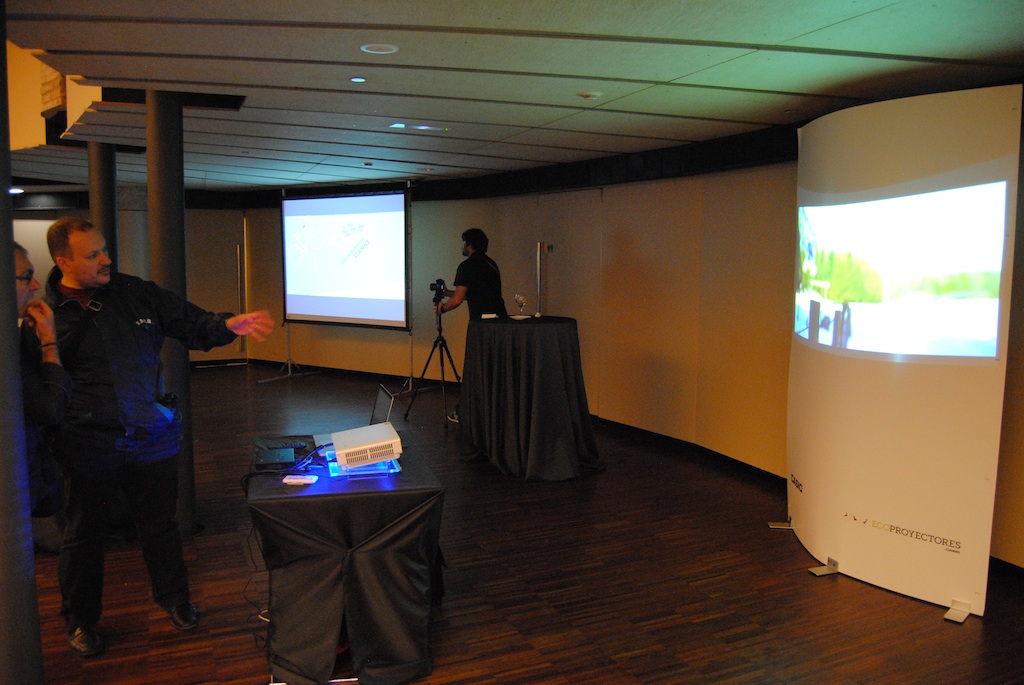
La avanzada tecnología híbrida de láser y LED en proyectores con luminosidad de hasta 4.500 lúmenes y a la aparición de la caja de corrección geométrica que permite proyectar sin problemas sobre fondos que de otra forma sería imposible, han llevado a Casio a poner sus miras más allá de la formación como ha quedado patente en el showroom que ha organizado en La Pedrera (Barcelona).
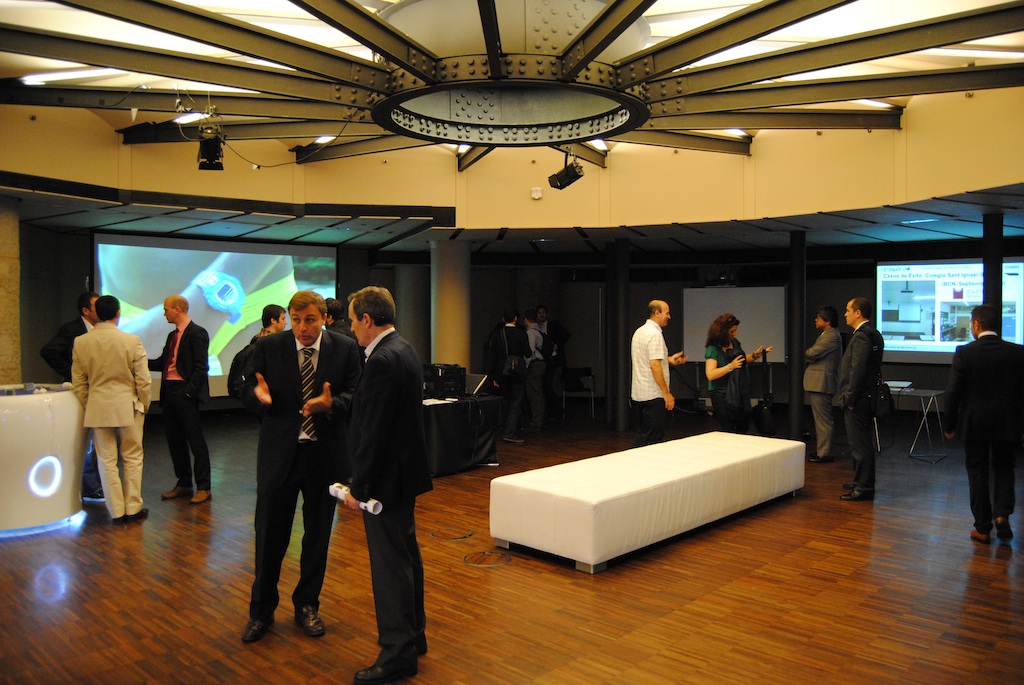
Casio ha celebrado este jueves en La Pedrera de Barcelona un showroom en el que ha mostrado toda su gama de ecoproyectores. Estos proyectores se caracterizan por eliminar las contaminantes lámparas de mercurio sustituyéndolas por una avanzada tecnología híbrida de láser y LED. Entre sus ventajas figura un considerable ahorro al no necesitar cambiar la lámpara durante toda la vida del proyector a lo que habría que sumar otros gastos habituales derivados del recambio, desmontaje y montaje, sobre todo en lugares de difícil acceso como techos.
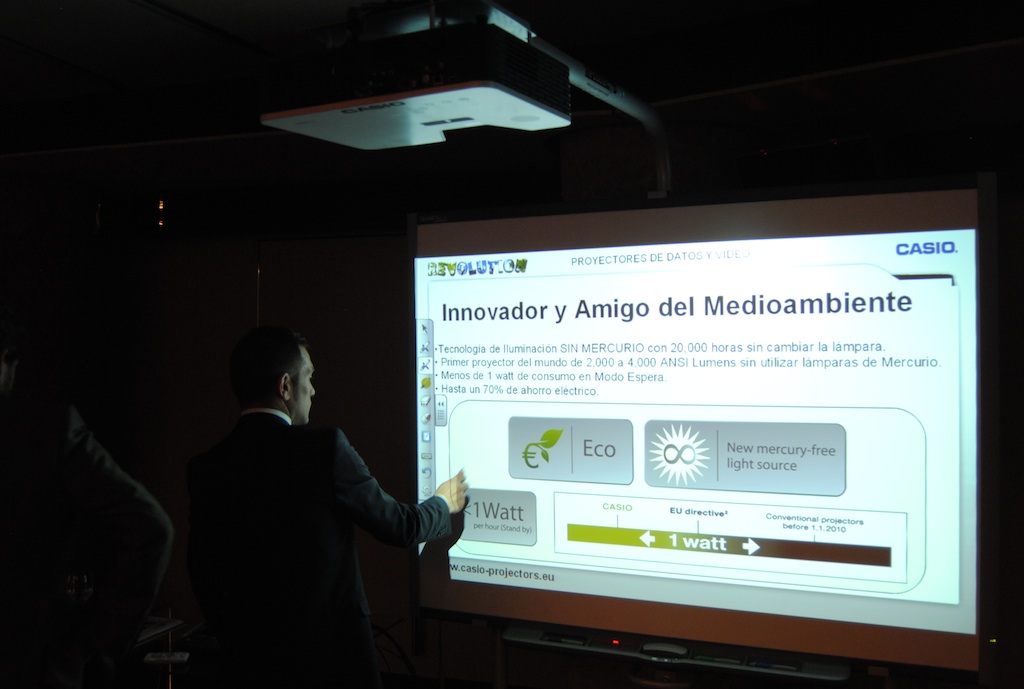 Los ecoproyectores de datos y video de Casio con mantenimiento cero ofrecen un rendimiento de 20.000 horas sin uso de cámara, ligándose así a la vida útil del proyector. Para tener una idea de esta magnitud, 20.000 would be equivalent to 15 cursos escolares a razón de 6 daily hours, 10.000 presentaciones de negocios de dos horas o dos años en cartelería digital non stop 24/7.
En el emblemático edificio de Gaudí, Casio ha presentado un extenso catálogo de soluciones que van desde los proyectores más ligeros y portátiles (Green Slim) from up to 3.000 lúmenes y conectividad WiFi hasta la serie Estándar con los modelos XJ-M de hasta 3.000 lúmenes o la serie de corta distancia para entornos educativos con el XJ-ST155 como buque insignia. En la gama más alta encontramos la serie Pro, cuyo proyector XJ-H1750 alcanza los 4.500 lúmenes con resolución WXGA.
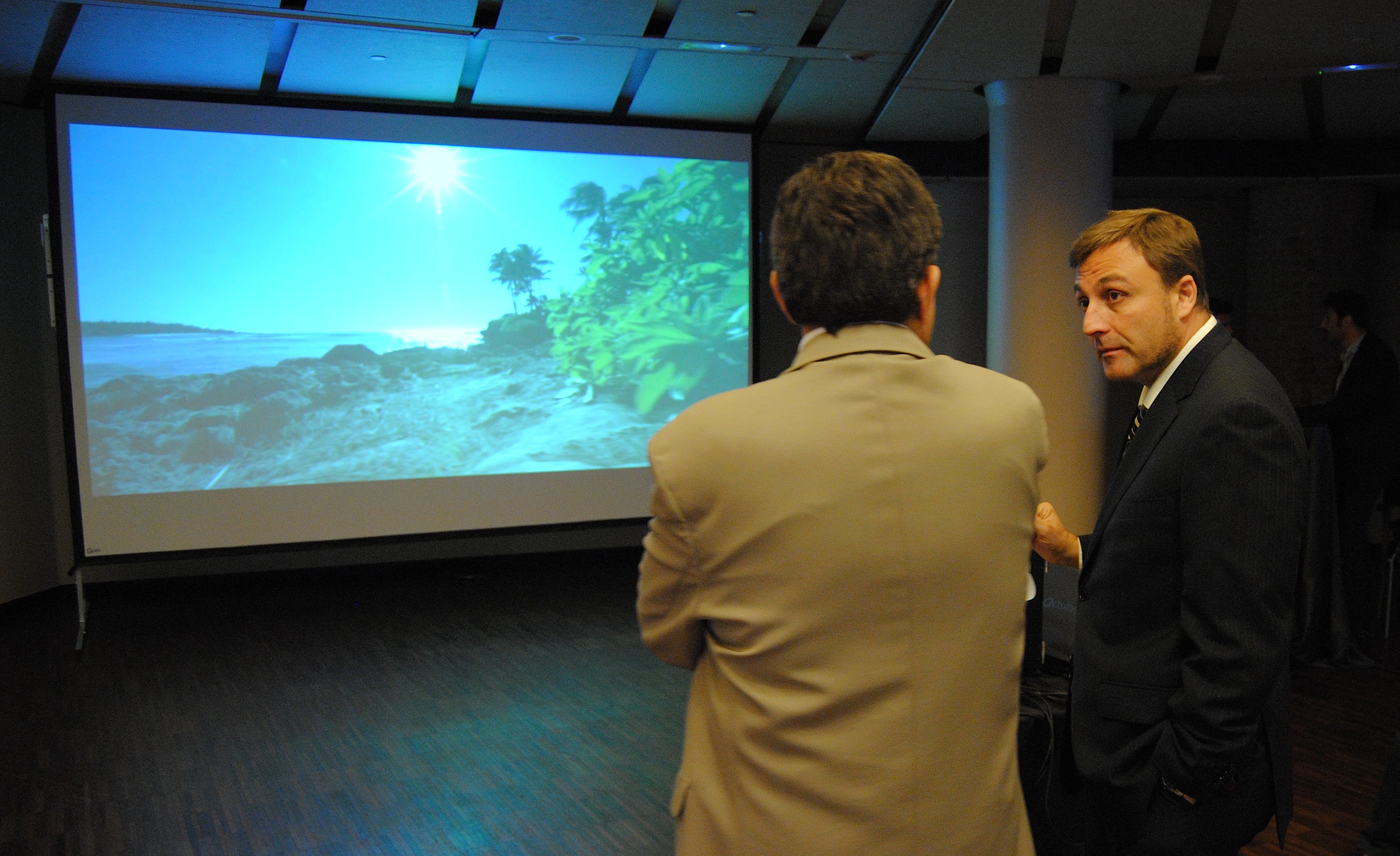
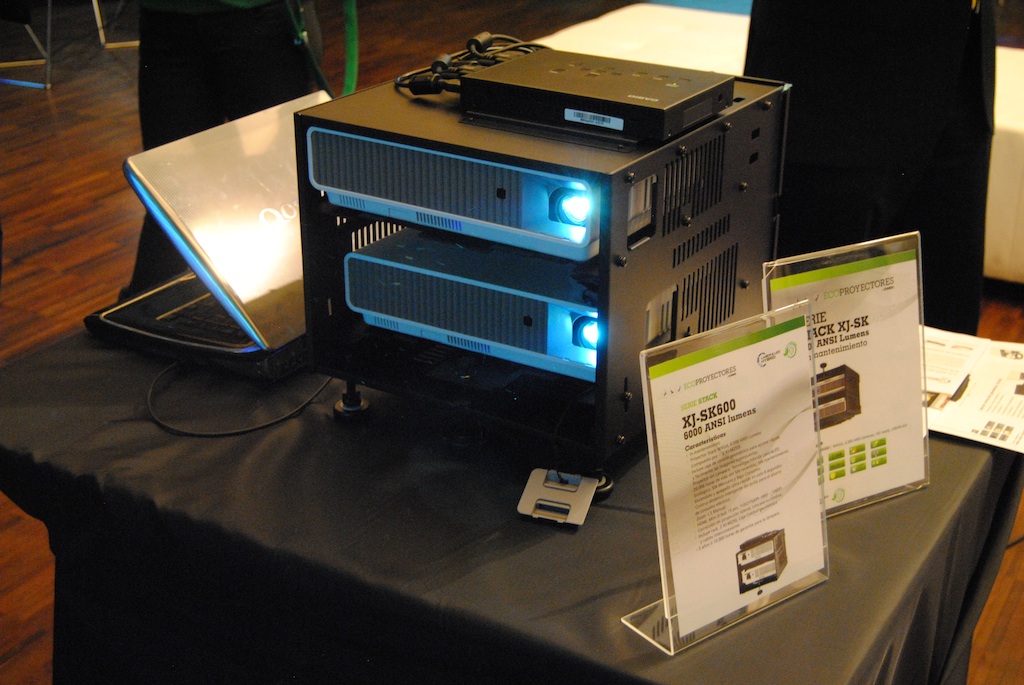 Proyección dual
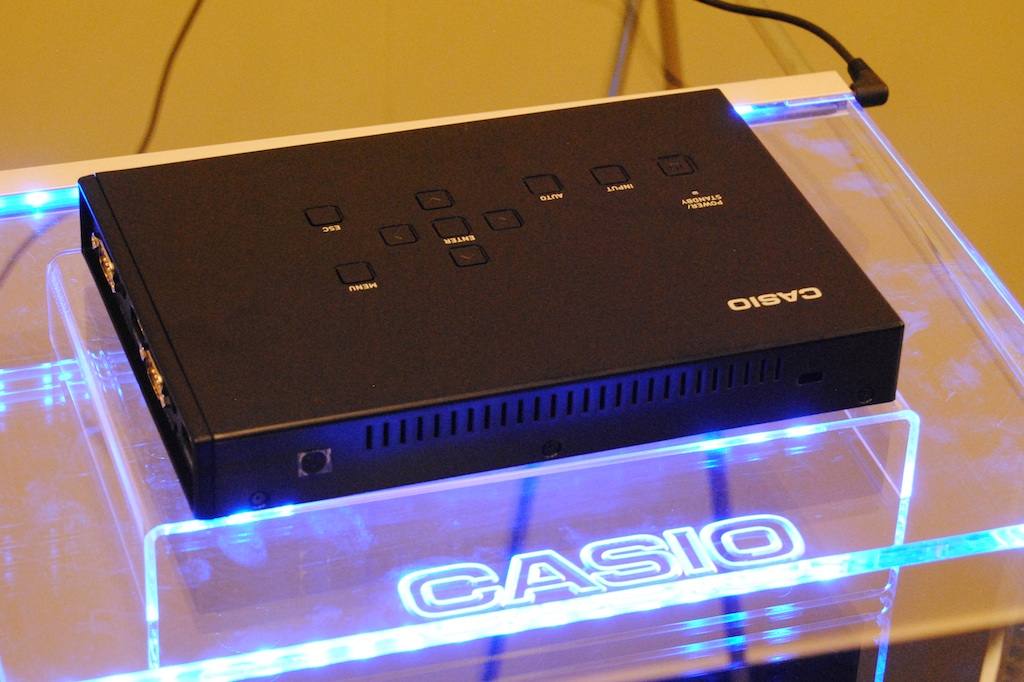
La joya de la exposición ha sido una proyección en stacking con dos proyectores XJ-M250 de 3.000 lumens, ofreciendo una imagen con 6.000 ANSI lumens. Esta configuración dual (que Casio comercializa bajo la denominación XJ-SK600) logra una reproducción de colores brillante y natural con total ajuste a la pantalla gracias al zoom óptico de 1,5 aumentos de los proyectores y la nueva caja de corrección geométrica YA-S10. It is “controlbox” que Casio incluye en este concepto dual pero que también oferta por separado permite una sincronización total de las superficies de proyección con corrección de posibles irregularidades. Esta caja de muy sencillo manejo permite una proyección sin deformaciones sobre superficies curvas, redondeadas o con ángulos.
Precisely, éste es uno de los componentes que ha abierto las puertas de Casio más allá de entornos educativos, alcanzado por vez primera targets de mercado relacionados con digital signage, museística o pequeños auditorios. Cada YA-S10 es capaz de “gobernar” dos proyectores para una proyección en stacking o blending de forma sencilla y rápida. For this reason, ya están utilizándose en aplicaciones para cartelería digital y publicidad dinámica con proyección sin costuras sobre grandes superficies encadenando varios sistemas.
 Digital signage
Un factor decisivo para el uso económico de un proyector con señalización digital es la larga vida útil de la fuente luminosa. La fuente de luz híbrida de láser y LED permiten contar con una fuente de luz idónea y sostenible para su uso 24/7. Besides, en tiendas o empresas en las que se desconecta la corriente eléctrica por la noche no es necesario apagar el proyector por separado, pues éste no requiere de una fase de enfriamiento. Por las mañanas, el proyector se enciende automáticamente al conectarse a la red eléctrica y gracias a la función Quick Start&Stop estará listo en apenas cinco segundos.
Esta tecnología en proyección junto a la caja de corrección geométrica que permite proyectar sin problemas sobre fondos que de otra forma sería imposible, han llevado a Casio a poner sus miras más allá de la formación preparando el “asalto” al mercado de la señalización digital y la publicidad dinámica.
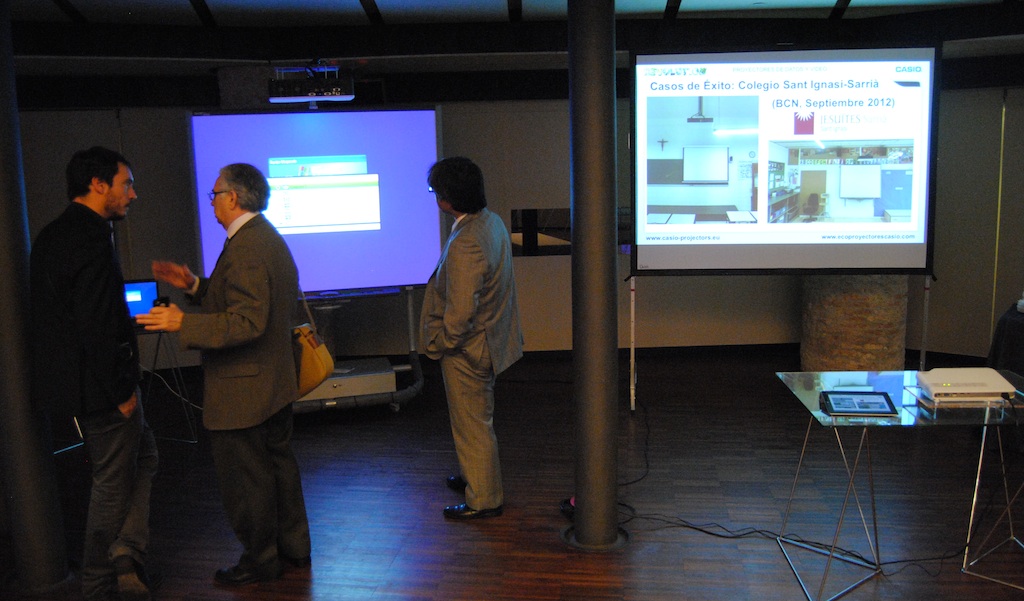
Los profesionales que han acudido al showroom de Casio en La Pedrera también han podido comprobar de primera algunas de las más curiosas aplicaciones que se están dando a la nueva generación de ecoproyectores de la marca.
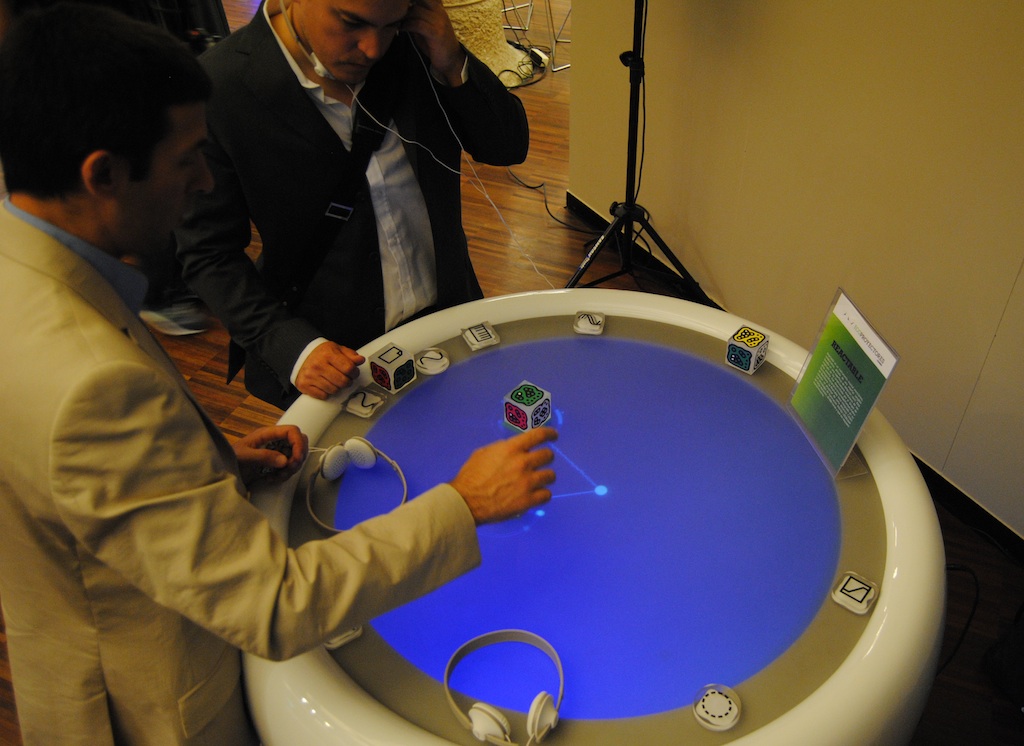 Entre estas experiencias, highlights Reactable. Este proyecto desarrollo del Grupo de Tecnología Musical de la Universidad Pompeu Fabra ha dado vida a un instrumento musical electrónico colaborativo dotado de una interfaz tangible basada en una superficie de detección táctil. Gracias a un código QR lincado a diferentes figuras geométricas, el usuario puede fácilmente crear música moviendo sobre la superficie (retroproyectada con un equipo Casio) los diferentes elementos.
Otro caso de estudio digno de mención es la experiencia que Ciclalab está llevando a cabo con proyectores de Casio. CiclaLab es un colectivo de ecologistas, artistas e inventores que hacen de la bici un medio para promover la cultura de la sostenibilidad y ofrecer soluciones con imaginación, innovación y solo alimentadas con la energía de los pedales. Ya que los ecoproyectores de Casio consumen un tercio menos de energía que otros equipos de otros fabricantes en iguales condiciones de luminosidad, este colectiva los ha elegido para sus eventos en la calle donde los proyectores sólo se alimentan del pedaleo de los participantes a través de bicicletas y dinamos.
Did you like this article?
Subscribe to our NEWSLETTER and you won't miss anything.
Related articles
 Toronto Union Station enters the digital age with Samsung screens
 The Dilmunia shopping center goes beyond digital signage with an 8K Led ceiling
 LG Display takes a step beyond flexible screens and begins the development of extendable panels
 Exterior Plus entra de lleno en digital retail OOH con la adquisición de Impactmedia
 El Museo del Prado entra en la era digital de la iluminación con la tecnología Led
 Digital Experience Show 2014: Caverin Solutions invites the sector to go beyond digital signage
Advantech entra de lleno en el mercado de pantallas inteligentes y la industria del juego con la compra de GPEG
Digital Experience Show 2014: Caverin Solutions invites the sector to go beyond digital signage
Advantech entra de lleno en el mercado de pantallas inteligentes y la industria del juego con la compra de GPEG
 DPA fully enters microphones for installation
 Casio anuncia en Las Vegas una nueva línea de negocio de señalización digital: Casio Signage
 Casio desarrolla una nueva solución de digital signage con displays compactos
 Casio puts them dear to digital signage
 Telefónica recurre a los proyectores extraplanos de Casio para sus escuelas de formación
 Barco entra en el Guinnes con el “proyector digital con más brillo del planeta”
 LG fully enters security and video conferencing