


El futuro de los players en el mercado del digital signage
Los player se han ido posicionando poco a poco en el mercado tomando cada vez más relevancia, above all, en aplicaciones como la interactividad y la medición de audiencias. Iván Rodríguez, Business Developer Manager de TDMaverick, revela en este artículo cuáles serán las tendencias para el próximo año y analiza los elementos que considera claves de este negocio: versatility, interactividad y seguridad.
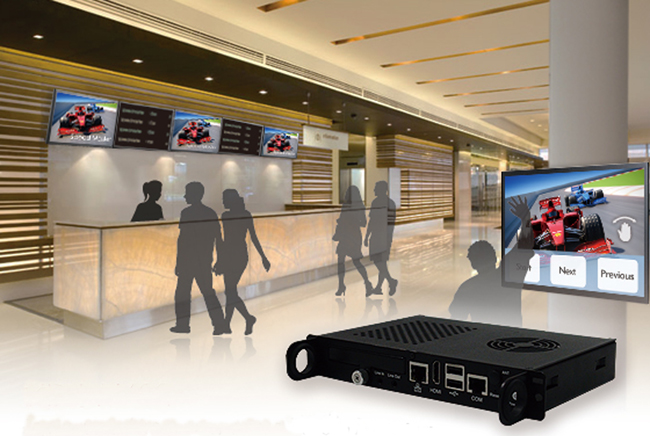
Daily, escucho comentarios en el sector como por ejemplo, “los players desaparecerán” o “los players Android serán los únicos que queden”, y creo que es un buen momento para arrojar un poco de luz sobre el futuro de un elemento tan importante como reproductor responsable de emitir los contenidos.
El player es un dispositivo capaz de reproducir contenido multimedia conectado a un elemento visualizador, que puede ser un monitor, proyector o pantalla LED. Esta sería la definición básica, pero cada vez más, los players ejercen más funciones como en la medición de audiencias (por cámaras, MACs por Bluetooth o Wifi, por interacción o identificación por tarjeta cliente); para ejecutar procesos en tiempo real; para la interacción a través de cámaras, monitores táctiles, láminas interactivas y teclados; como sistemas de realidad aumentada; en aplicaciones de gestión de colas y en el ámbito del geoposicionamiento.
Los fabricantes ofrecen una gran variedad de estos dispositivos que podríamos clasificar como:
- Players basados en arquitectura x86 que son, básicamente, plataformas PC con características especiales enfocadas a este mercado.
- Players embebidos basados en arquitectura ARM que son bundles de hardware y software diseñados específicamente para reproducir contenidos.
- Players Android ARM que son reproductores con procesador ARM y sistema operativo Android.
- SoC integrados en monitores que consiste en procesadores ARM bajo sistema operativo Android o Linux. Son una evolución de las SmartTV y van acompañados de software y un SDK.
 Tendencias para 2014
Sin duda la tendencia para el próximo año serán la interactividad y la medición de audiencias. Y esto significa que el player tomará más relevancia. Dentro de estas tendencias, podemos ver como se posicionan cada uno de los players que se comercializan en el mercado.
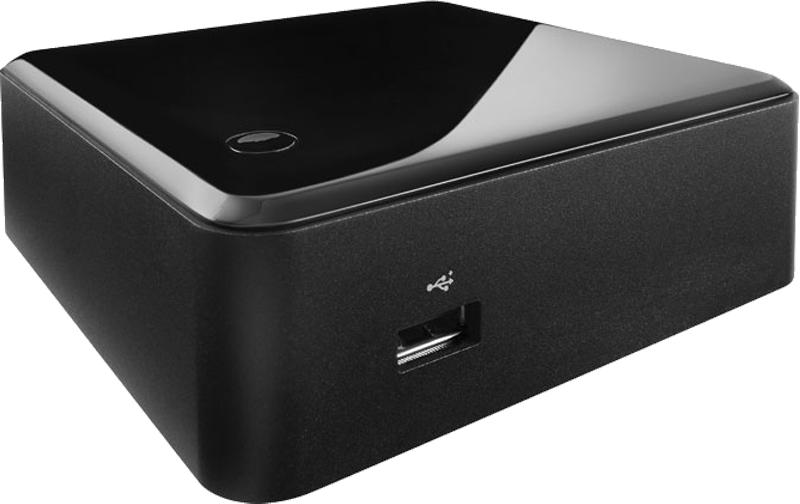
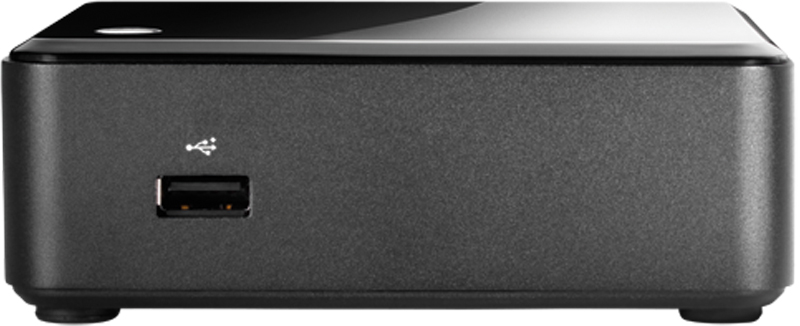
Dentro de los players basados en arquitectura x86 el gran triunfador de este año es, definitely, Intel NUC (Next Unit of Computing). Las principales ventajas de este tipo de arquitectura son su versatilidad, seguridad y potencia de proceso. Versatilidad porque son capaces de utilizar cualquier tipo de dispositivo externo, cualquier sistema operativo y cualquier cosa que está por venir y no conocemos. Seguridad debido a tecnologías como Intel VPRO, que securiza las comunicaciones. Y, por otro lado, la potencia de proceso para medir audiencias, trabajar con grandes resoluciones (4K), augmented reality, ejecutar procesos complejos en tiempo real, etc.
Dentro de los players embebidos con arquitectura ARM se encuentran fabricantes como Brightsign, Spinetix o Cayin, entre otros muchos. Se ha impulsado la venta de este tipo de players desde los mayoristas tradicionales de AV y el motivo es claro, es un producto que cumple con un cometido básico que es reproducir contenido. Besides, al ser un pack que incluye hardware y software es fácilmente vendible y no es necesario tener muchos conocimientos para ponerlos a funcionar.
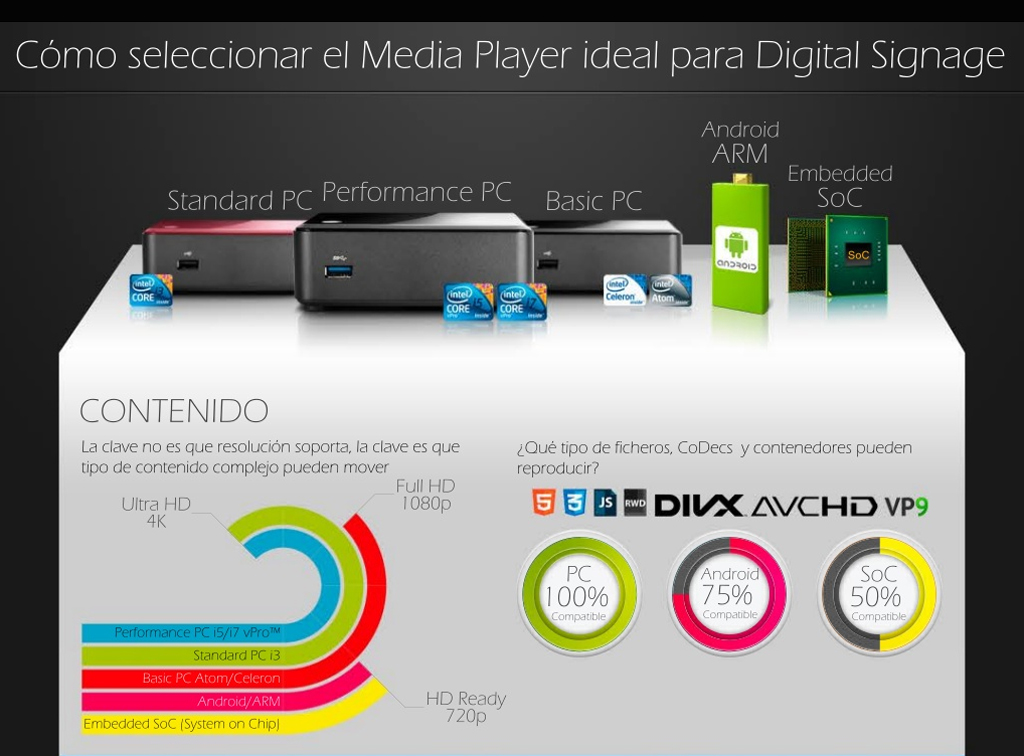
Las limitaciones son muchas. En la mayoría de los casos no son capaces de gestionar la medición de audiencia, sensors, interacción, augmented reality, etc. El corto plazo hará que este tipo de soluciones desaparezcan, ya que los SoC integrados en los monitores son capaces de hacer lo mismo a un coste 10 veces inferior.
En el grupo de los players Android ARM se engloban dos tipos de producto, los sticks Android, que se encuadran dentro del mercado de consumo, y los players profesionales, como el UPP de Philips.
A finales de 2012, mucha gente en el sector comentaba que estos sticks de 50 euros iban a ser los players más vendidos durante 2013 y, un año después, se ha visto que no hay proyectos funcionando con esta arquitectura.
El mayor test que he visto con este tipo de producto fue con un cliente que estaba valorando un gran despliegue y las conclusiones fueron claras. Probaron 50 dispositivos de distintos fabricantes y de los 50 solo 1 pasó las primeras pruebas de estabilidad. El segundo test fue de rendimiento y, of course, no dio la talla, así que tuvieron que descartar el producto para un despliegue masivo.
On the other hand, en septiembre de 2012 se presentó el UPP de Philips y una vez más, ha sido un fracaso en el mercado, no hay circuitos funcionando con este player y los motivos son claros: es un producto caro, está por encima del precio de un PC y presenta importantes limitaciones.
 Pagar más por menos prestaciones
Los SoC integrados en monitores son, definitely, un producto que ha empezado a introducirse este año con fuerza. Samsung ha sido el primero en apostar por este tipo de soluciones con un ecosistema que cumple perfectamente con las necesidades de un porcentaje elevado de usuarios.
Las principales ventajas son: integración completa en el monitor ya que no requiere de elementos externos y bajo coste. Besides, ofrece una plataforma de software gratuita para funciones básicas, incluye contenido (plantillas) y SDK para que plataformas de software profesionales se integren. Sus limitaciones son las comentadas anteriormente en otros players ARM y sus limitaciones afectan a la interactividad y la medición de audiencias.
Previsiones de futuro
Los SoC ARM tendrán una gran aceptación en 2014, con una cuota de mercado cercana al 30% o 40% y serán los responsables de acabar con los sticks ARM y los players embebidos.
Los players PC seguirán siendo protagonistas, con cuotas por encima del 60%. Los precios han bajado y lo seguirán haciendo, y la calidad del producto ha aumentado considerablemente. En el segundo trimestre de 2014 veremos players PC por unos 100€ y esto eliminará toda duda frente a los sticks ARM. Hace años, con el nacimiento de las consolas de videojuegos, auguraron el fin del PC para jugar y, nowadays, se puede ver como los jugadores profesionales viven de las plataformas PC y ningún hard gamer utiliza la consola de forma profesional.
Versatilidad, interactividad y seguridad son y serán claves en este negocio.
Iván Rodríguez
Business Developer Manager de TDMaverick, División de TechData.
Did you like this article?
Subscribe to our NEWSLETTER and you won't miss anything.
Related articles
 Why digital signage is the future of retail
 Digital signage Now & Next: visión sobre el panorama actual y futuro del mercado
 Deneva marks the future of digital signage with its solutions for Smart Retail
 Samsung abarca el 33,9% del mercado mundial de digital signage en 2T18, según IDC
 BrightSign despliega su tecnología de digital signage en todos los verticales del mercado
 Un viaje al futuro: así será el digital signage en 2020
 Samsung conquers the global digital signage market for the seventh consecutive year
 Tecco presenta en ISE 2016 sus nuevos players de gestión de contenidos aracast Digital Signage
 Vodafone Hutchison Australia instala una red de digital signage para aumentar su cuota de mercado
 El mercado de digital signage y su visión de futuro, a debate por los fabricantes de display
 Charmex y Samsung analizan el ecosistema de digital signage y su visión de futuro
 BrightSign adelanta en ISE 2014 el futuro del digital signage con su primer reproductor 4K
 Future trends in digital outdoor advertising, on stage at Digital Signage World
 The media market continues its reconversion towards an increasingly digital future