


La tecnología programática proporciona anuncios personalizados que predisponen a la audiencia a la acción
Agencias, anunciantes y propietarios de medios obtienen beneficios con la tecnología programática. De acuerdo a un estudio de Videology el tiempo en el que se puede colocar una impresión personalizada, según la información específica sobre el usuario en una campaña de vídeo online, is from 0,36 seconds.

La tecnología programática automatiza el proceso de compra de la publicidad digital a través de una combinación de transacciones informáticas, mathematics, datos y algoritmos que mejoran los resultados y eficiencia de las campañas a gran escala.
Según un análisis realizado por Videology el tiempo en el que se puede colocar una impresión personalizada según la información específica sobre el usuario en una campaña de vídeo online es de 0,36 seconds, que es el tiempo que separa el clic de un usuario en una URL concreta y la visualización del anuncio concreto basado en la información disponible sobre el mismo.
La tecnología programática puede utilizarse tanto en un entorno de subasta en tiempo real, dentro de un modelo de precios no garantizados, como en uno de venta directa a precio fijado. La forma más común de emplear la tecnología programática es la subasta de publicidad en tiempo real, o RTB. RTB emplea subastas automatizadas para vender las impresiones a la puja más alta y lo hace impresión a impresión.
Esto permite a los propietarios de los medios maximizar su inventario de contenidos y a los anunciantes comprar impresiones individuales para sus campañas, a un precio que refleja el valor de cada impresión para la campaña global.
La tecnología programática hace posible la subasta de espacios publicitarios en tiempo real. En cuestión de milisegundos, el sistema pone a disposición de los anunciantes un contenido concreto, que va a ser visualizado por un usuario determinado, y se analizan todos los parámetros de las campañas disponibles, adjudicándose el espacio publicitario al elegido.
Agencias, anunciantes y propietarios de medios se benefician por igual de la compra real de inventario publicitario. Para las agencias es clave el aumento de control sobre las campañas, la eficiencia del gasto y la generación de mejores resultados para los clientes. Los anunciantes se benefician de contar con mejores herramientas para identificar a los usuarios adecuados para sus campañas, de un alcance y frecuencia de muestra de sus campañas más rentable y de la reducción del gasto que generan las campañas a precios fijados. Y los propietarios de medios obtienen mayores ingresos por su inventario de contenidos, al abrirlo a un mercado diseñado para maximizar el valor de cada impresión individual.
Campaña publicitaria digital en 0,36 sg.
- 0.08 segundos cuando el usuario pincha en un enlace, el propietario del medio pregunta a su ad server si hay algún anuncio de venta directa que mostrar. If not, el servidor hace entonces una llamada al ad exchange
- 0.02 segundos después, el ad exchange lanza su petición a las plataformas de demanda de impresiones (DSP)
- 0.12 segundos después de que un usuario acceda a la URL, cada DSP conectada al exchange recibe un informe que incluye el perfil anónimo del usuario en cuestión, la categoría de la web e información sobre la página y su seguridad
- 0.005 segundos después los DSP cruzan las reglas de target y presupuesto, y aplican datos de terceros
- 0.005 segundos después cada DSP ya ha calculado el precio óptimo por el cual adquiriría la impresión para llegar a ese usuario anónimo concreto
- 0.14 segundos después del primer clic del usuario, y sólo 0.02 segundos después de recibir la información de perfil, el DSP responde al ad exchange
- 0.05 segundos de tiempo tiene el ad exchange a partir de aquí para llevar a cabo su subasta y selecciona al ganador
- 0.19 segundos han pasado y el exchange envía el precio y el anuncio ganador al ad server del propietario del medio
- 0.23 segundos desde el inicio, y el ad server del medio informa al navegador el anuncio que tiene que mostrar
- 0.36 segundos después de empezar se reproduce el anuncio en el navegador del usuario, que lo ha recibido del ad server a los 0.31 seconds
Did you like this article?
Subscribe to our NEWSLETTER and you won't miss anything.
Related articles
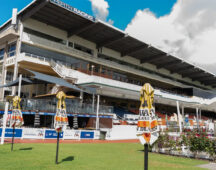 Biamp guarantees calls and announcements at Ascot Racecourse in Perth
 Extron Provides AV Technology to Utah Tech University
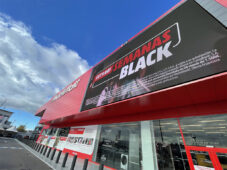 Led Dream provides AV technology to MediaMarkt's Tech Village in Madrid
 ST Engineering Antycip provides its VR technology to Renault Group
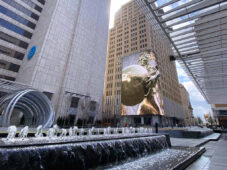 SNA Displays provides Led technology to the AT&T Discovery District
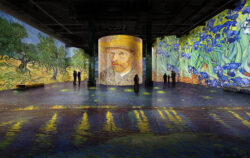 Barco provides projection technology to Infinity des Lumières art center
 Digital Projection provides LED technology to historic Fort Smith establishment
 Christie puts its high-performance visual technology into action during NAB 2017
 Sono provides AV technology for the scenography of Antena's new talent show 3
 Led Dream technology stars in Skoda's action at Barcelona Airport
 Robin Kingerlee joins Videology to accelerate programmatic rollout in Europe
 Telefónica will offer personalized and on-demand videos to its business clients with SundaySky technology
The Vitelsa Group provides audiovisual technology to the Gadir archaeological site
Sono provides audiovisual technology at the delivery of Audi vehicles to FCB players
Telefónica will offer personalized and on-demand videos to its business clients with SundaySky technology
The Vitelsa Group provides audiovisual technology to the Gadir archaeological site
Sono provides audiovisual technology at the delivery of Audi vehicles to FCB players