


The IPN develops a virtual cane and facial recognition glasses for the blind
Un bastón virtual y un cinturón vibratorio son los proyectos que han desarrollado investigadores del IPN, en colaboración con un especialista del Centro de Visión por Computadora en Barcelona, para facilitar el movimiento de las personas con discapacidad por la ciudad. In addition, también disponen de unas gafas capaces de reconocer los gestos y movimientos del interlocutor para fomentar la interacción social.
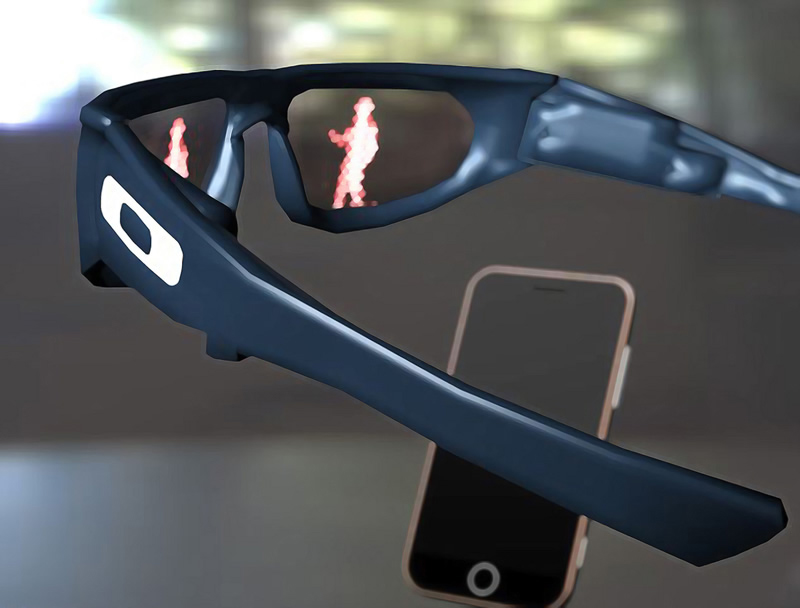
Investigadores del Instituto Politécnico Nacional (IPN) in Mexico, en colaboración con un especialista del Centro de Visión por Computadora en Barcelona (CVC), han desarrollado un bastón virtual, un cinturón vibratorio y unas gafas para invidentes.
El bastón virtual y el cinturón vibratorio permitirán que los discapacitados visuales determinen la distancia a la que se encuentran los objetos. El tercero, aún en desarrollo, son unas gafas que de detectar información no verbal usada en la interacción social.
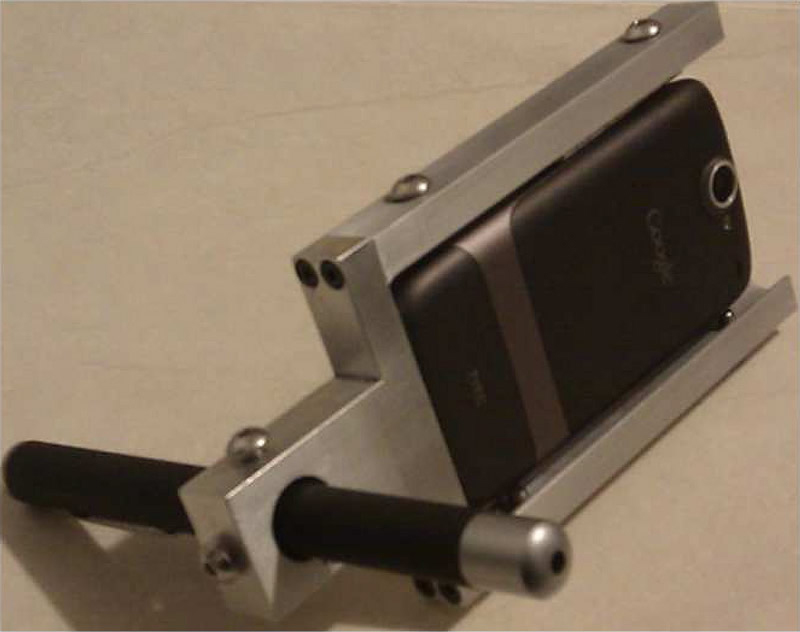 El bastón virtual funciona a través de un smartphone al que se le acopla un apuntador láser. La cámara del teléfono encuentra el punto láser y calcula la distancia entre la persona y el objeto. Esta información es enviada al usuario por medio de vibraciones, que incrementan de intensidad al disminuir la distancia al objeto, persona u obstáculo.
El cinturón está pensado para facilitar que los invidentes puedan caminar por la ciudad sorteando los objetos que se encuentran por encima de su cabeza, como pueden las ramas de los árboles o los sistemas de aire acondicionado. El cinturón dispone de un sistema que les alerta mediante vibraciones de los obstáculos que se puedan encontrar.
Este cinturón integra un sensor, que se encarga de detectar los objetos y verificar la distancia existente, que se encuentra conectador a una pequeña computadora. También dispone tres motores vibradores que son los que proporcionan la información al usuario mediante vibraciones. Cuanto más cerca están los objetos, el cinturón vibra de manera intensa.
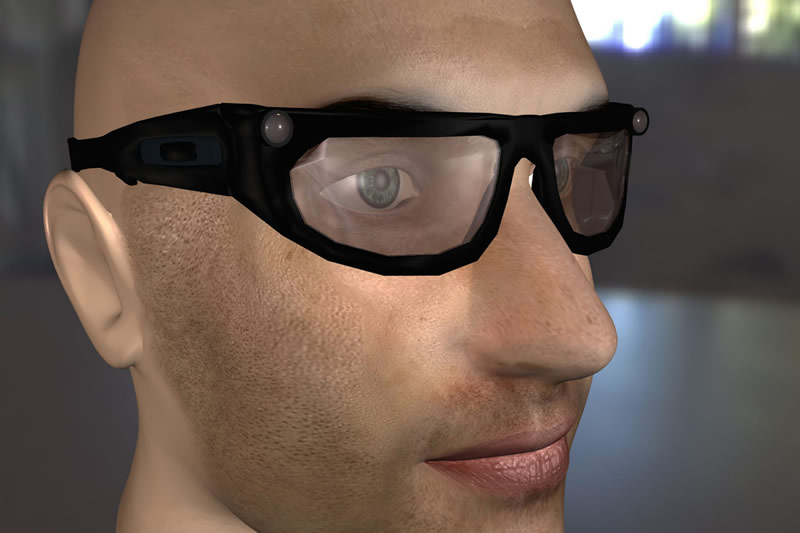 Gafas de reconocimiento facial
Respecto a las gafas, los investigadores buscan mejorarlas para reducir el problema de interacción social que tienen las personas con discapacidad visual, ya que de acuerdo a sus testimonios, sufren angustia y estrés porque al interactuar con otros humanos no saben si les prestan atención. También podrán informar de la expresión facial o de los gestos con la cabeza de su interlocutor, y de este modo podrá imitarlas. Este proceso de reproducir los gestos no verbales del interlocutor esta conocido como ‘mirroring’ y el objetivo es incrementar el grado de cohesión y participación en la interacción social entre el invidente y su interlocutor.
El objetivo de estas gafas es determinar el grado de atención del interlocutor o la persona que tienen en frente al utilizar información de tipo no verbal como gestos o movimientos de cabeza, dirección de mirada y reconocimiento de expresiones faciales.
El hardware está compuesto por unas gafas que integran una cámara de alta definición conectada a una microcomputadora. Los investigadores trabajan en los algoritmos de visión artificial usando la cámara que detecta a las personas que hay en su entorno a fin de detectar sus movimientos faciales, hacia dónde se mueve y determinar el grado de atención del interlocutor.
Para Bogdan Raducanu, investigador del Centro de Visión por Computadora en Barcelona, estas gafas, que en un principio están pensadas para personas con discapacidad visual, también tendrían aplicativos en otras áreas.“Los autistas también podrían beneficiarse de este proyecto, así como las personas con síndrome de asperger que tienen dificultad para entender el lenguaje verbal coloquial.
Con estos proyectos lo que se pretende es desarrollar dispositivos que superen las funcionalidades que proporcionan los tradicionales bastones blancos.
Estos dispositivos ya han sido probados con personas adultas. Ahora el siguiente paso es ajustarlos para hacerlo con niños y, en un futuro, comercializarlo.
Did you like this article?
Subscribe to our NEWSLETTER and you won't miss anything.
Related articles
 SysconFace: facial recognition and temperature detection display for facilities
 Una tienda de comida rápida utiliza el reconocimiento facial para identificar las preferencias de sus clientes
 Omron Human Vision Component: facial and gesture recognition for digital advertising
 Materna IPS incorpora reconocimiento facial a su kiosco digital táctil Phoenix para aeropuertos
 OnTheBus, un lazarillo virtual para guiar a invidentes en el transporte público
 Un instituto de Badalona aplica el reconocimiento facial para evitar que los alumnos hagan novillos
 Cognitec incorporates facial recognition for digital signage applications
 NEC desarrolla una nueva tecnología de videovigilancia basada en el reconocimiento facial y la identificación humana
 Facedeals uses facial recognition to personalize offers and discounts
 La UC3M crea unas gafas de realidad virtual que permite a los invidentes reconocer objetos
 Ex-Sight desarrolla unas gafas-cámara con identificación biométrica para detectar delincuentes
 facial recognition, augmented reality and gesture control to promote 'The Hunger Games'
 The most original vending: facial recognition to give away mousse only for adults
 Lumus develops totally transparent augmented reality glasses