


Evolución de la videoconferencia: hacia un modelo de negocio virtual que llegue a todo tipo de empresas
Alessandro Marcello, product manager de Sony Professional Solutions Europe analiza cuáles son las nuevas tendencias en videoconferencia. Una tecnología que gracias a la mejora del acceso a Internet de banda ancha de alta velocidad, las redes WiFi y el 4G se ha convertido en una herramienta al alcance de organizaciones de todo tipo de tamaños y formas.
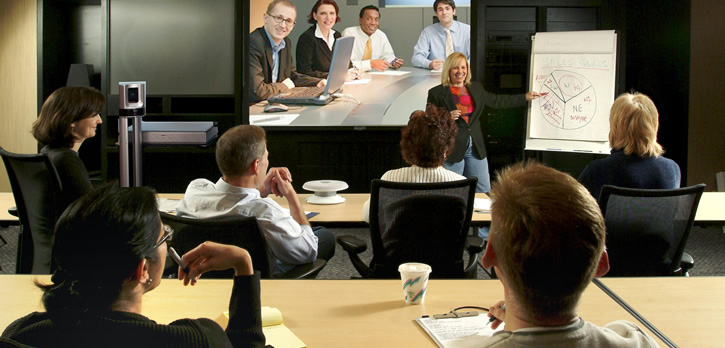
Hasta hace unos años, la videoconferencia tendía a encajar en uno de estos dos ámbitos: empresas de la lista Fortune 500 con grandes presupuestos que tenían grandes salas de conferencias especializadas, que recuerdan a pequeños estudios de difusión; y organizaciones más pequeñas que tenían que buscar soluciones más rentables que afectaban a la calidad de la imagen y el audio. In both cases, las deficiencias en la facilidad de uso y la fiabilidad conllevaban frecuentes llamadas telefónicas al equipo de IT en busca de asistencia.
Uno de los claros culpables durante esta primera generación de soluciones de videoconferencia era la conexión a Internet, ya que aquellos que tuvieran mala conexión tenían que descifrar los diálogos irregulares con la visión borrosa de los que hablaban. Con estas restricciones en mente, se pretendía conseguir llamadas que fueran lo suficientemente buenas; después de todo, el propósito era ahorrar costes al eliminar la necesidad de viajar por reuniones presenciales.
Currently, la videoconferencia de alta calidad no está al alcance de unos pocos, sino de unos muchos. La mejora del acceso a Internet de banda ancha de alta velocidad, las redes Wi-Fi y el 4G han favorecido la creación de servicios de consumo como Skype y Google Hangouts, mientras que las restricciones presupuestarias han intensificado aún más la necesidad de un modelo de negocio ‘virtual’ para organizaciones de todo tipo de tamaños y formas.

Todo esto supone un cambio de visión para una nueva generación de productos y aplicaciones profesionales. El enfoque consiste ahora en adaptar la usabilidad que todos adquirimos de forma instintiva de las aplicaciones de consumo, al tiempo que se mejoran en términos de fiabilidad, seguridad y flexibilidad.
 Specifically, hay cinco tendencias que limitan el diseño de las últimas soluciones de videoconferencia:
El papel del contenido multimedia como un catalizador para obtener reuniones más productivas. Las reuniones actuales no suelen implicar simples diálogos o presentaciones de sentido único. instead, la riqueza de contenidos tiende a actuar como un punto de referencia para estimular conversaciones fructíferas y animadas. El sistema PCS-XC1 de Sony permite dibujar sobre vídeos e imágenes usando una Xperia Tablet y un lápiz inalámbrico y, next, compartirlos con los participantes de forma remota, lo que convierte al vídeo en otro medio de obtener nuevas ideas de equipos distintos con los que se suele colaborar.
Reuniones que van más allá. La recreación de reuniones presenciales entre dos o más personas al mismo tiempo es tan solo una de las prestaciones que puede ofrecer la videoconferencia. Las organizaciones buscan con mayor interés una herramienta multiuso para maximizar la productividad y la eficiencia en el modo de comunicarse sus empleados. For example, las soluciones de hoy día pueden transmitir y grabar simultáneamente, de modo que se puede sacar el máximo partido de, For example, una reunión interna del ayuntamiento o un seminario web del cliente.
Conectividad en todas partes entre personas… y productos. Ya fuesen equipos a gran escala de empresas de gran calibre o las cámaras web de las empresas de menor tamaño, las videoconferencias de hace unos años tendían a tener lugar en una sala de reuniones corporativas fija. Now, however, pueden superar las limitaciones físicas para conectar zonas de construcción, laboratories, salas de teatro, conference rooms, juzgados, aulas e incluso lugares de culto. Las unidades inalámbricas pueden recogerse y llevarse a cualquier lugar, mientras que soluciones como la cámara SRG-300SE son accesibles y se pueden controlar de forma remota desde cualquier parte con una red de empresa.
Superación de la norma en lo que respecta a la calidad de imagen de consumo… Las aplicaciones de consumo no sólo han intensificado las expectativas de la conectividad de vídeo; muchos se toman como un regalo la fluida transmisión de imágenes con calidad HD gracias a YouTube, Netflix y la proliferación de servicios de actualidad bajo demanda. Esto hace que las imágenes granuladas o difusas no sean lo suficientemente buenas. In fact, los productos de videoconferencias de Sony mejoran la calidad de imagen mediante la tecnología llamada Visibility Enhancer, que optimiza el brillo y la reproducción de colores de la imagen pixel a pixel.
Cumplimiento de las expectativas de instalación automática. La tecnología en los hogares casas se ha democratizado hasta el punto de que esperamos productos que estén listos para usarse y que funcionen perfectamente con todos nuestros dispositivos. Lo mismo sucede con los productos de videoconferencias de hoy en día, que pueden usarse desde un teléfono inteligente con sólo ejecutar una aplicación, y sin la necesidad de tener que recurrir al servicio técnico.
La SRG-300SE es una cámara de imágenes visuales HD multiuso, capaz de sincronizar audio y vídeo, al tiempo que transmite las imágenes a través de IP y, simultaneously, las envía a un grabador de vídeo. El PCS-XC1 es capaz de proporcionar llamadas de vídeo de hasta 1080p, en las que se combina la portabilidad y facilidad de uso de las aplicaciones de consumo con la calidad de imagen, seguridad y fiabilidad de un verdadero sistema de videoconferencias H.323.
Estos dos productos son los principales ejemplos de una nueva generación de videoconferencias: una donde las organizaciones de todo tipo pueden contar con una buena experiencia y donde lo suficientemente bueno no resulta suficiente.
Alessandro Marcello
Product manager de Sony Professional Solutions Europe

Did you like this article?
Subscribe to our NEWSLETTER and you won't miss anything.
Related articles
 Claypaky Arolla Aqua LT and Wash HC to illuminate all types of scenarios
 Zoom Events: new virtual events platform for all types of companies
 Vivolink develops four videoconferencing cameras for all types of spaces
 Cisco Webex facilitates the evolution towards hybrid work and intelligent collaboration
 Taiwan shows evolution towards 'smart agriculture' with the help of Zytronic
 Elo Touch I-Series: pantallas interactivas PCAP todo en uno en formato tipo tableta
 Neumann NDH 20: Closed studio headphones for all types of environments
 Klipsch Landscape: customizable outdoor speakers for all types of installation
InFocus INL5350 e INL140: laser projection for all types of facilities
TooQ expands its offer of screen supports for all types of mounting
Klipsch Landscape: customizable outdoor speakers for all types of installation
InFocus INL5350 e INL140: laser projection for all types of facilities
TooQ expands its offer of screen supports for all types of mounting
 La necesaria evolución hacia el intelligent retail store
 Smartycontent presents its business model to promote online video in companies
 LifeSize Icon Series: Intuitive and easy-to-use video conferencing for all types of companies
 The video conference, safe path to the future