


HUMELab uses Zytronic PCT technology in its luxury touch tables for restaurants
Combining designer furniture with innovative multi-touch solutions from Zytronic, HUMElab ofrece mesas multitáctiles de gran formato pensadas para su colocación en hoteles y restaurantes.
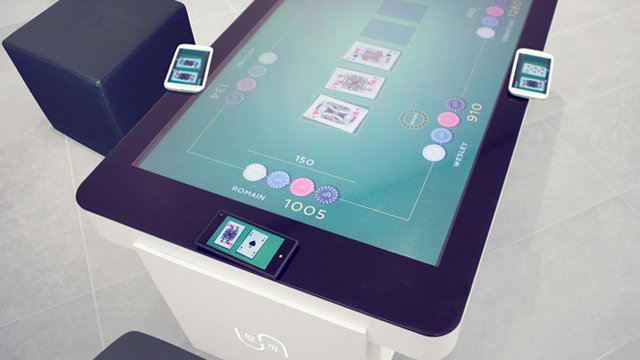
Zytronic ha desarrollado sensores con resistencia p-cap que han sido introducidos en pantalla multitáctiles que van ser encastradas en muebles de diseño pensados para restaurantes y hoteles. Este proyecto lo ha realizado en colaboración con su distribuidor francés Eurocomposant y serán suministrados al fabricante de muebles HUMElab.
Dado el sector al que piensa dirigir la venta de estos muebles, HUMELab precisaba que las pantallas fueran capaces de soportar el uso de zonas por las que pasan una gran número de persona, que precisaran poco mantenimiento y que respondieran con precisión a la presiones táctiles. Besides, los displays tenían que ser fáciles de limpiar y que estéticamente encajarán en entornos de lujo. La tecnología capacitiva (PCT) de Zytronic daba respuesta a todos estos requisitos.
Combinando muebles de diseño con innovadoras soluciones multitáctil de Zytronic, HUMElab dispone de mesas multitátiles de gran formato con aplicación en una gran variedad de soluciones. Están disponibles en formatos de 22, 32 y 43 inches. El cristal de estas pantallas ha sido dotado de un material endurecido y un sistema antirreflejo. With his 6 mm de grosor permiten una nítida visualización en cualquier condición lumínica, además de protegerla de daños ambientales y físicos.
La tecnología PCT de Zytronic se fabrica utilizando una matriz de metal muy fina (10 micras de diámetro) embebida en un sustrato laminado. Esta tecnología permite el reconocimiento de gestos complejos así como la posibilidad de que la pantalla pueda ser utilizada por hasta cuatro personas a la vez. Besides, no precisa una calibración regular y permite ignorar grandes puntos de contacto anómalos. Una característica muy útil cuando estas mesas táctiles son utilizadas en zonas donde los usuarios se inclinan sobre el área activa y registran falsos toques.
“Los sensores táctiles de Zytronic fueron escogidos debido a su fluidez de respuesta al toque y los 40 puntos táctiles simultáneos que pueden proporcionar. Al ser capaces de determinar múltiples puntos de contacto simultáneamente, todos alrededor de la mesa táctil puede participar y disfrutar de la participación compartida. Además ofrecen otras ventajas en términos de mantenimiento como que no precisen ser calibrados que era lo que ocurría con la anterior solución que utilizábamos”, explica Armand Menargues, Director de Ventas Internacionales de HUMElab.
Did you like this article?
Subscribe to our NEWSLETTER and you won't miss anything.
Related articles
 Zytronic achieves PCI 5.x certification for its self-service touch screens
 Zytronic updates interactive tables with its Zybrid multi-touch sensor
 Las mesas táctiles de Ideum permiten profundizar en la diversidad del arte africano
 Autostrada Sport uses digital signage to reinforce its luxury brands
 Kia installs multi-touch tables with Zytronic sensors in its Istanbul dealership
 Zytronic and Cryptera integrate PIN into PCT touch screens to interact securely
 Zytronic will show at ISE 2017 touch force sensors for large format screens
 Interior and exterior sound ambience for restoration with Apart Audio technology
 Zytronic creates a multi-touch sensor with capacitive technology for 22” screens
 Elo Touch presents its new supports TK-142T and TK-170T to create interactive touch tables
 Macroservice offers supports to create interactive touch tables in places with a large influx of public
 Zytronic develops touch sensors for curved surfaces with multi-touch functionality of 10 points
 Zytronic partners with Omnivision to develop tactile digital signage solutions
 Viewsonic previews the future of touch tables