


One Direction confía el sistema de audio de su gira ‘Where we are’ en la Serie J de d&b
El grupo británico-irlandés One Direction, una de las grandes revelaciones musicales de los últimos años, con millones de fans en todo el mundo, ha utilizado en su exitosa gira ‘Where we are’ un sistema de audio basado en clústers de la Serie J de d&b audiotechnik, suministrados por Wigwam Acoustics.
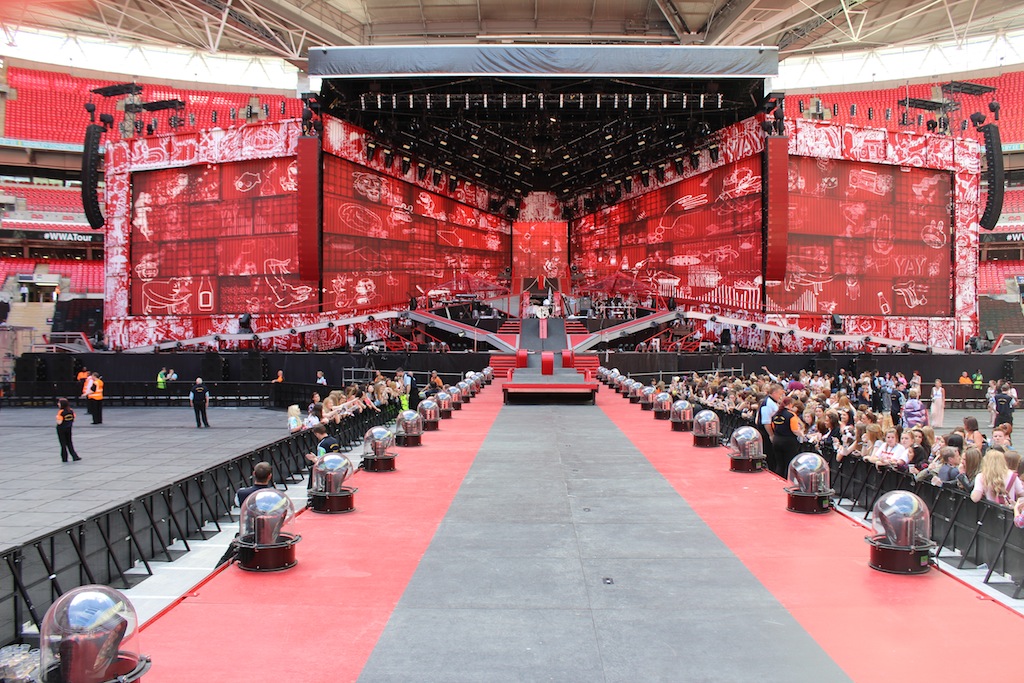
Nadie duda que One Direction (1D) es la ‘boy band, del momento. Formada en 2010 in London, el quinteto compuesto por Harry Styles, Liam Payne, Zayn Malik, Niall Horan y Louis Tomlinson se dio a conocer durante la transmisión del concurso ‘The X Factor’ en Reino Unido.
Since then, su carrera ha sido meteórica y seguida por millones de fans en todo el mundo, llenando estadios en todas sus giras. En la última de ellas, denominada ‘Where we are’ y con la que han recorrido Europa y Sudamérica este verano, el grupo ha contado en su sistema de audio con la tecnología de d&b audiotechnik.
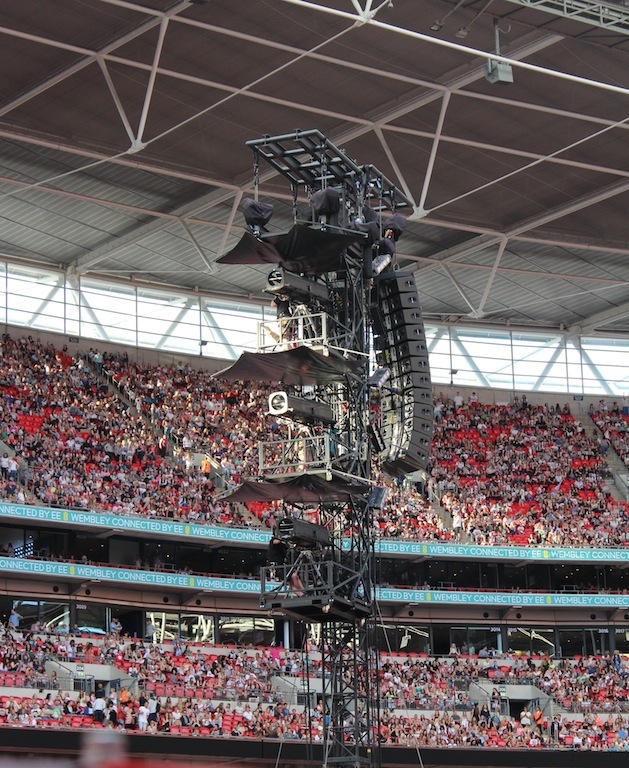
El responsable de Wigwam Acoustics, empresa encargada de suministrar los equipos para la gira de One Direction, Chris Hill, explica que “seleccionamos clústers de la Serie J de d&b audiotechnik por varios motivos y, mainly, porque este tipo de entorno le va perfecto a la Serie J. Sabíamos que los arreglos con J8 ofrecerían un rendimiento superlativo en cualquier reto que presentara el espectáculo. In second place, su peso relativamente ligero hace que sea la elección perfecta, porque las restricciones en este sentido tenían un papel importante en el diseño de audio final”.
Al tratarse de una gira en estadios a gran escala, uno de los problemas que tuvo el personal de Wigwam Acoustics es que no pudieron instalar los equipos exactamente como querían. Nick Mooney, técnico de sistemas esta compañía, recuerda que “debido a la complejidad del escenario y del diseño del espectáculo, no podíamos colgar los J-SUB. Pusimos toda nuestra atención en la colocación de los SUBs para crear una respuesta uniforme y completa en los diferentes estadios pero, al mismo tiempo había que evitar la creación de un enorme punto caliente de subgraves para el público en las filas delanteras. Lo conseguimos gracias al posicionamiento preciso de los J-SUB y a la creación de un arreglo de subgraves mediante el uso del software ArrayCalc de d&b”.
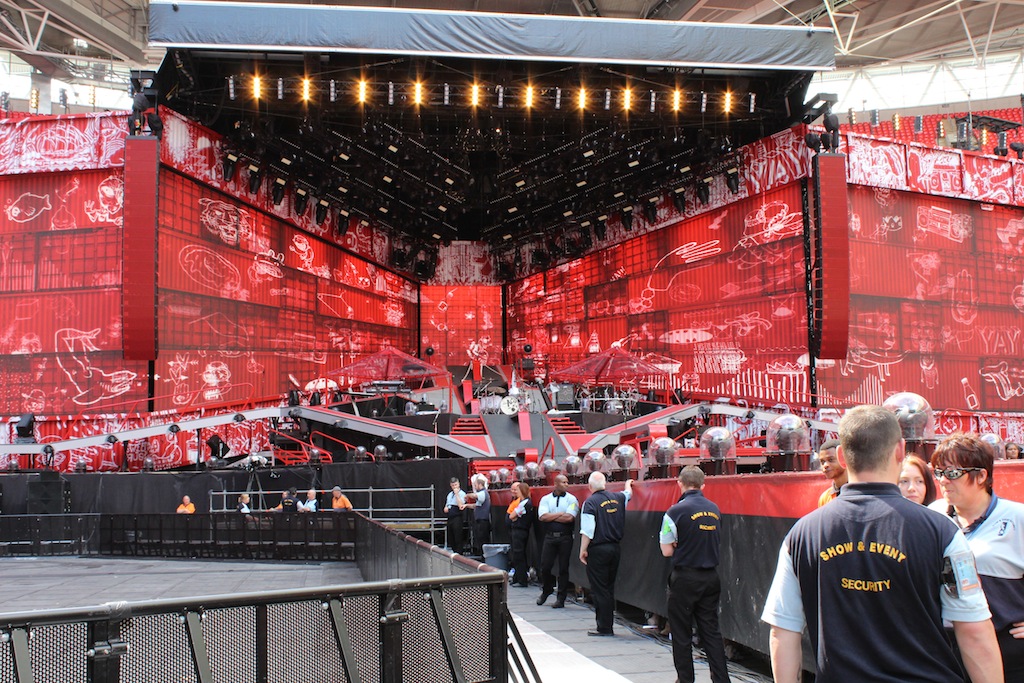
Otro de los retos al que tuvieron que hacer frente fue “restringir a veinte la cantidad de altavoces en cada uno de los riggings principales -continúa Mooney-. Nevertheless, esta decisión no comprometió su función de cubrir uniformemente la superficie total de los estadios. Todo fue como esperábamos y el sistema de la Serie J funcionó excepcionalmente bien en este tipo de entorno. Los conciertos estaban abarrotados y, sometimes, los niveles de ruido desde el público eran bastante impactantes”.
In this sense, Mooney puntualiza que en el centro del campo del estadio se colocó el dispositivo de tracción de escenario hidráulico B-stage a unos treinta metros del escenario principal, “de manera que los chicos pasaban una buena parte del tiempo delante del sistema de PA, que siempre es un desafío tanto para los ingenieros de los monitores como los de FOH”.
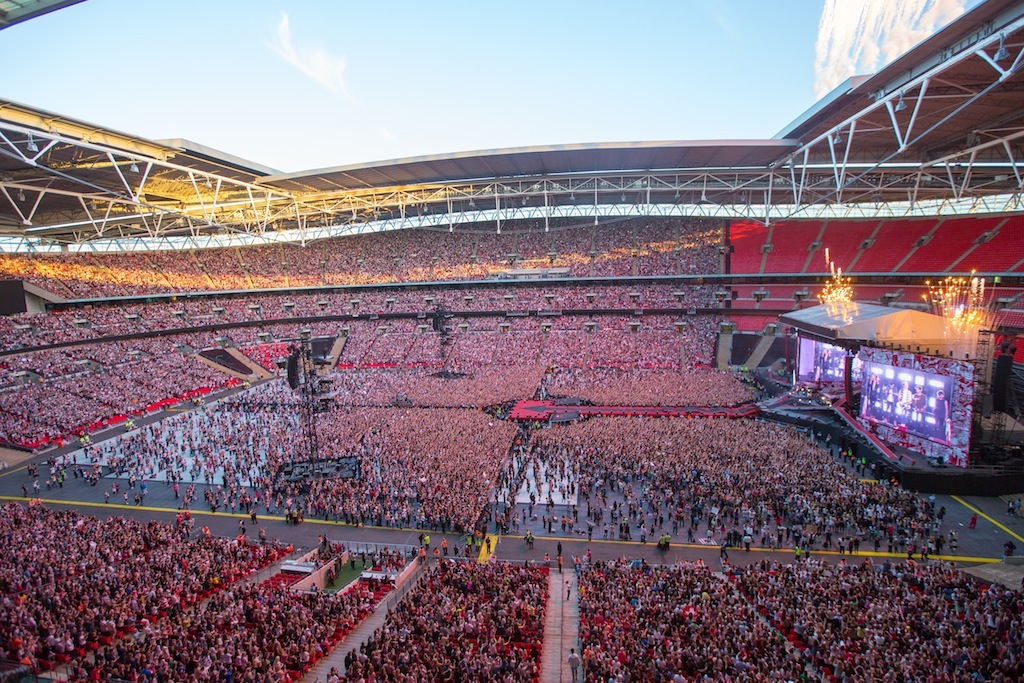
Además de los arreglos principales de la Serie J, los técnicos de Wigwam Acoustics utilizaron outfills que cubrían hasta unos 150° pero, debido a la gran venta de entradas para cada concierto, tuvieron que incrementarlo a 200° o incluso, sometimes, a 220°, para lo que optaron por riggings adicionales de la Serie V para proporcionar la precisión y la propagación necesarias.
A ello se sumaban dos torres de delay, situadas a unos setenta metros del borde frontal del escenario en el campo del estadio, para ofrecer el máximo recorrido de los cañones de seguimiento. “Los delays se utilizaron para mejorar el sistema principal en la parte posterior de la zona del campo y los niveles inferiores de asientos -indica Mooney-, además de proporcionar cobertura a los niveles superiores. Utilizamos una mezcla de J8 y J12 junto con algunos subgraves B2. Todo el sistema se controló a través de tres XTA 448 en FOH y el software de control remoto R1 de d&b audiotechnik”.

Did you like this article?
Subscribe to our NEWSLETTER and you won't miss anything.
Related articles
 Jovanotti trusts in the power of d&b audiotechnik GSL para su gira
 Tate McRae trusts the sound of his tour in the SL series of d&b audiotechnik
 El equipo MT Helmets MSI de MotoGP confía en Audio-Technica para el audio de su zona de recepción en el paddock
 Idles apuesta en su gira europea por el sistema WPL de Martin Audio
 Quevedo trusts the lighting design of his tour in Ayrton Cobra moving heads
 The Maestranza Theater trusts d&b audio for your new permanent PA system
 Meyer Sound LEO is once again the sound system for Jason Derulo's European tour
 Joan Baez entrusts the audio mix of her tour to Allen's dLive console & Heath
 ArrayProcessing simplifica el montaje y desmontaje de audio en la gira de ColdPlay
 Genelec reinforces its series of AV speakers 4000 and presents at ISE 2014 the system 4010
 La singular sala Spazio Gessi de Milán confía en la tecnología de d&b audiotechnick su sistema de sonido
 Singapore's Esplanade arts center entrusts its audio system to d&b audiotechnik
 Bricoking confía en la tecnología IP de Mobotix para su sistema de videovigilancia
 The University of Queensland relies on AKG's DMS700 wireless microphone system