


Swiss Chocolate Adventure offers a sweet immersive projection with Panasonic technology
Como parte del Museo del Transporte de la ciudad suiza de Lucerna y siguiendo la tradición de este país en comercialización de chocolate, sus responsables han creado Swiss Chocolate Adventure, una exposición multimedia para que sus visitantes realicen un recorrido virtual, desde el puerto de Hamburgo hasta África Occidental, al mundo del cacao con ayuda de la tecnología de proyección de Panasonic.
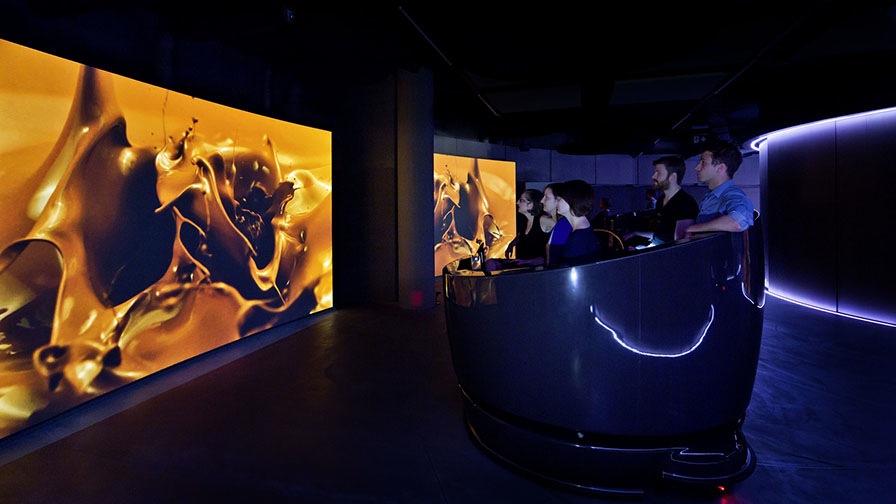
Como si de la conocida película ‘Charlie y la fábrica de chocolate’ se tratara (aunque sin tantas vicisitudes para sus personajes), el Museo del Transporte de Lucerna (Swiss) ha incorporado a su propuesta la exposición Swiss Chocolate Adventure, que propone a los ‘chocoadictos’ un viaje multimedia al mundo del cacao, en un país conocido por su tradición en tratamiento y comercialización de este dulce alimento.
Durante veinticinco minutos, los visitantes realizan un espectacular recorrido con ayuda de las nuevas tecnologías para conocer los orígenes, elaboración y transporte del chocolate, que se inicia a través de un ascensor con forma de contenedor que les transporta en un viaje virtual desde el puerto de Hamburgo hasta África occidental, una de las áreas más grandes de producción de cacao.
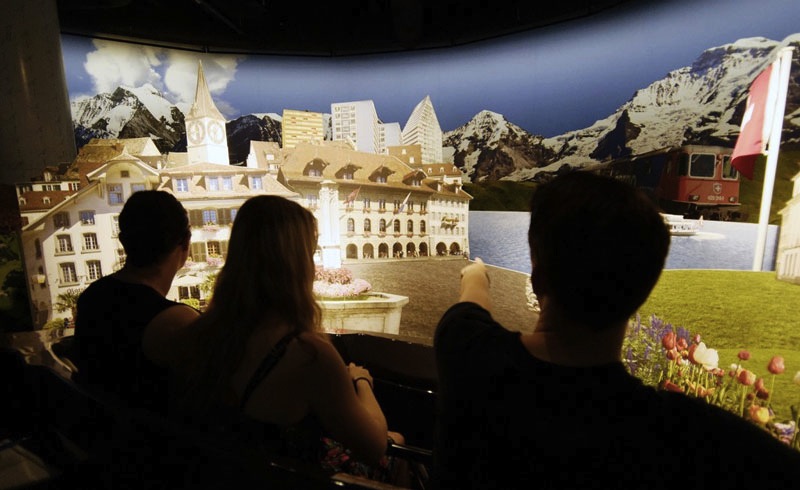
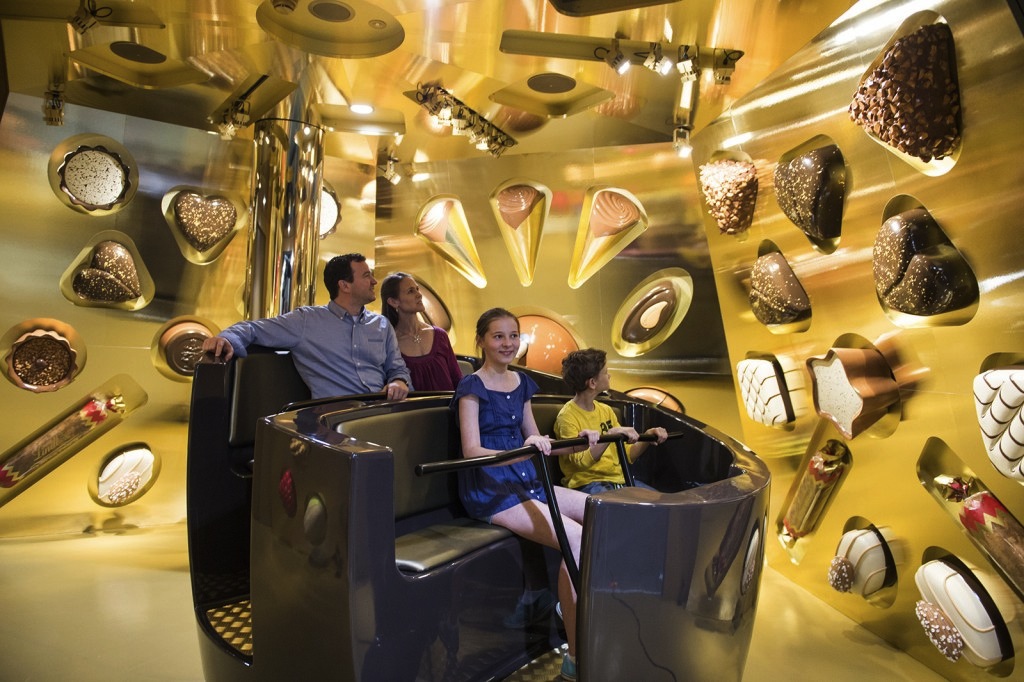
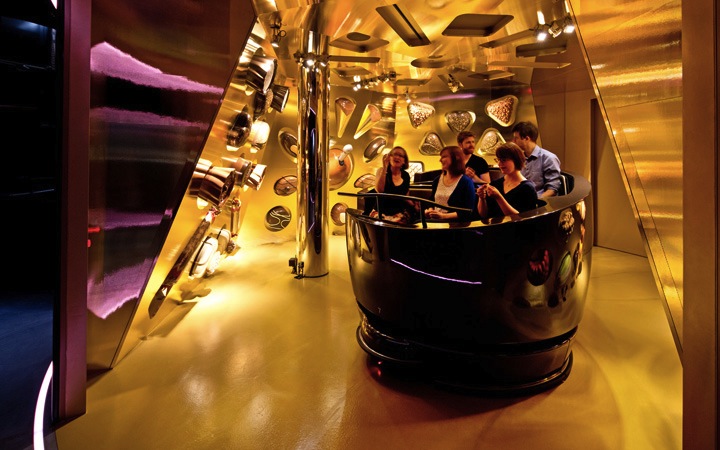
Tras salir del contenedor, los visitantes suben a uno de los diez vagones (similares a los de un parque de atracciones) para recorrer la ruta del chocolate. A lo largo del viaje, los vagones se detienen en varias salas temáticas, así como delante de pantallas de proyección de gran formato en las que expertos en este alimento explican su elaboración con ayuda de imágenes y vídeos en alta resolución.
Un punto destacado de este dulce recorrido es el denominado intermezzo, durante el cual los diez vehículos abandonan sus estaciones para deslizarse a través de la exposición en una coreografía conjunta, que se acompaña de sonidos e impactantes proyecciones para crear una experiencia envolvente a los visitantes en el mundo del cacao.
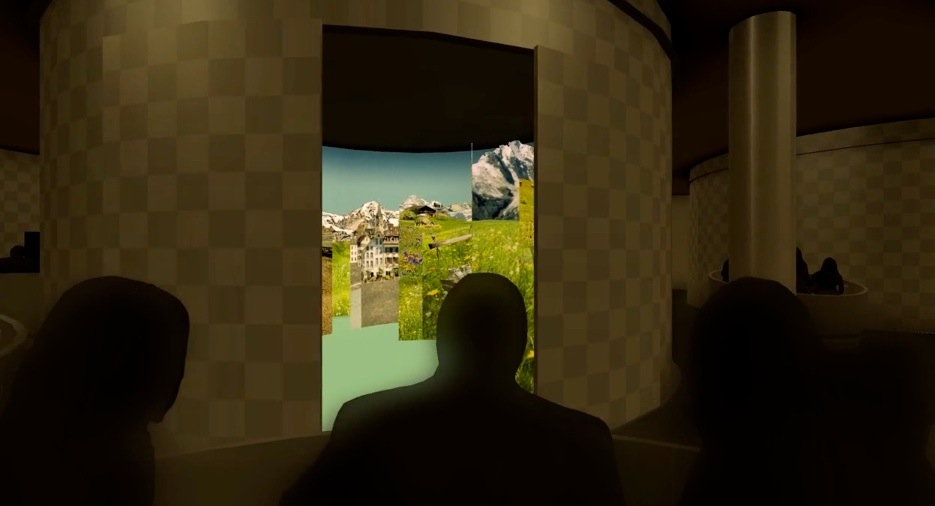
To achieve, en la exposición se utilizan diez proyectores PT-DZ680 de Panasonic, nueve de los cuales incorporan el objetivo de ultracorta distancia ET-DL030 de este fabricante, que permite reducir la distancia de proyección en un 60% respecto a los sistemas de corta distancia convencionales.
Esta característica es uno de los factores principales que llevaron al museo a decantarse por la solución de Panasonic. Las proyecciones, el movimiento de los vagones, los escenarios de fondo móviles, las salas temáticas y el sonido forman una compleja coreografía para crear una experiencia de inmersión en los visitantes.
Así lo explica Valentin Spiess, general director of iart company, la empresa con sede en Suiza responsable del diseño conceptual de la exposición: “buscábamos crear una experiencia envolvente que fuera entretenida e informativa. Utilizamos objetivos de corta distancia por dos motivos; en primer lugar porque nos permitía llevar a cabo proyecciones a gran escala en espacios limitados, que hubieran resultado imposibles de otra forma. Y, in second place, porque podíamos ocultar los proyectores en el techo, fuera de la vista de los visitantes”.
Otro de los requerimientos en la selección de los proyectores era que fueran silenciosos, ya que están ubicados en la zona superior por la que pasan los visitantes en su recorrido, “y los sistemas de Panasonic reunían exactamente estas condiciones -asegura Spiess-. La solución en su conjunto es muy interesante, ya que hay otros proyectores de tipo gran angular en el mercado, pero no tienen tanta calidad, ya sea en términos de resolución, brillo o definición”.
The DLP projector 1 chip PT-DZ680E de Panasonic ofrece 6.000 luminosity lumens, resolución WUXGA y la tecnología especializada RGB Booster del fabricante, que proporciona un elevado nivel de brillo y una reproducción de colores e imágenes realistas. Este sistema equipa doble lámpara y un filtro ecológico que aportan fiabilidad y estabilidad operativa para un uso ininterrumpido 24×7, como requería el museo, que también facilita su ampliación y su integración en múltiples aplicaciones.
Las soluciones visuales de Panasonic también se han instalado en otras áreas del museo suizo del transporte. For example, en la exposición i-factory, que ofrece a los visitantes una experiencia interactiva para explicarles las técnicas básicas en las que se basa la tecnología de la información.
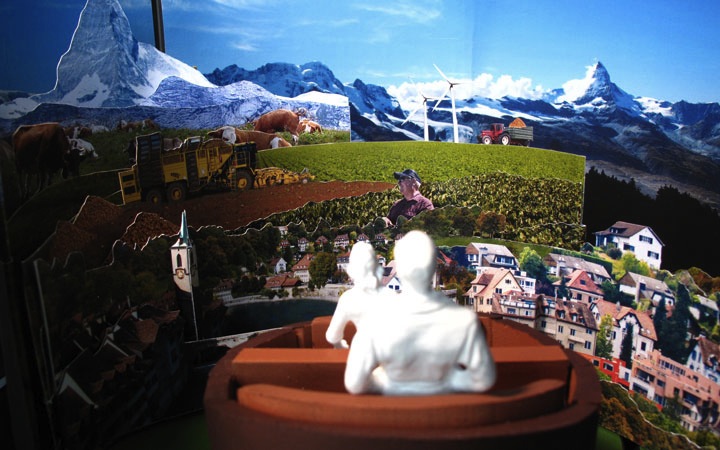
Los elementos centrales de i-factory son cuatro mesas multimedia, multiusuario y multitouch, en las que se muestran las imágenes aportadas por proyectores montados en el techo de este proveedor que utilizan un espejo para conseguirlo.
Como señala Markus Ottinger, director de informática del Museo del Transporte de Lucerna, “necesitábamos un proyector de bajo ruido, alta resolución WUXGA y excelente definición para esta aplicación, porque las mesas funcionan a modo de pantalla táctil, con la cámara realizando el seguimiento desde abajo. Besides, era fundamental que los proyectores fueran fiables y resistentes porque tienen que funcionar los 365 días del año”.
En otra de las exposiciones que pueden verse en este museo, denominada Media Factory, los visitantes pueden crear sus propios espectáculos de televisión, para lo cual se han instalado soluciones visuales y de difusión de Panasonic para que puedan experimentar con los métodos operativos utilizados en los estudios de televisión y radiodifusión.
[vimeo]https://vimeo.com/115626802[/vimeo]
Did you like this article?
Subscribe to our NEWSLETTER and you won't miss anything.
Related articles
 Panasonic Connect helps you choose the best 3D projection technology
 Lang AG invests in Panasonic projection technology
 Panasonic brings its projection technology to the Area15 space in Las Vegas
 Panasonic PT-FRQ50: laser projection 5.200 lumens and Solid Shine technology
 Hemisféric de Valencia offers an immersive projection experience with Panasonic
 Chocolate Nation offers a 'sweet' multi-sensory experience with Panasonic
 Panasonic projection technology establishes itself in the world of culture
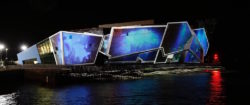 Architectural projection with Panasonic laser technology on the façade of The Deep aquarium
 MiCo Milan chooses Panasonic projection technology for its congresses
 Panasonic offers 3LCD laser projection for collaboration applications with its PT-MZ series
 Panasonic 4K laser projection technology at London Church House events
 Panasonic laser projection technology for corporate meetings and events
 Panasonic projection technology visually reconstructs the 'Forum of Augustus'’ in Rome
 Panasonic brings its display and projection technology to the Cathedral of Our Lady of Munich