


Barco provides a star projection solution to the Valladolid digital planetarium
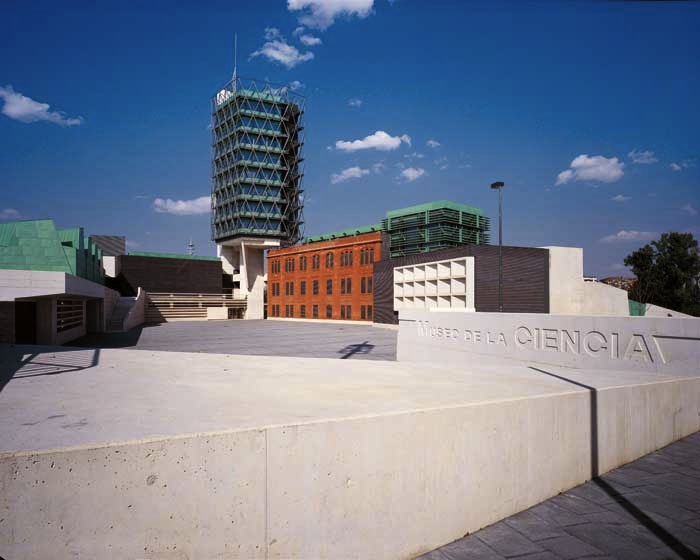
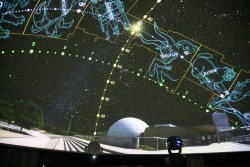
El Planetario digital de Valladolid, uno de los grandes reclamos del Museo de la Ciencia de la capital castellanoleonesa, ha renovado su sistema y equipos de proyección con la tecnología Led DLP de Barco, según el proyecto realizado por el especialista RSA Cosmos.
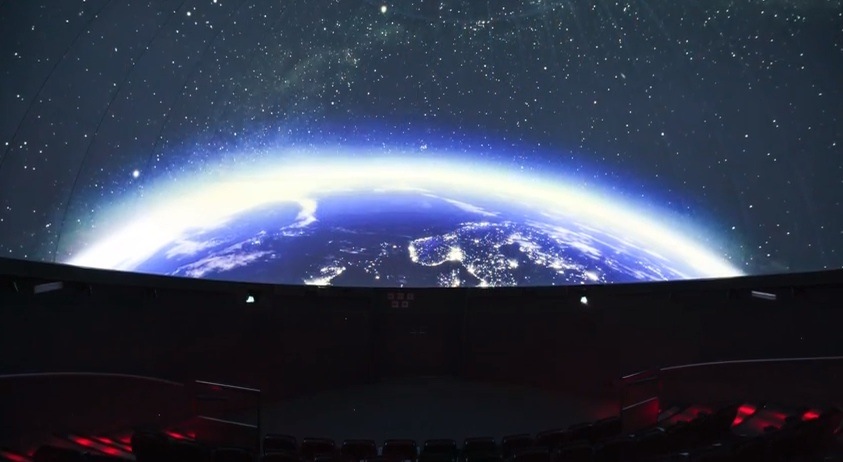
Desde principios de 2015, el Planetario del Museo de la Ciencia de Valladolid cuenta con un nuevo sistema de proyección digital y seis equipos con tecnología Led de la firma belga Barco, en concreto del modelo FL35 WQXGA, que ofrecen 2.560×1.600 píxeles por canal.
Iniciativa del Valladolid City Council, el Planetario abrió sus puertas en el año 2003 y, since then, es uno de los grandes atractivos preferidos por el público que visita el Museo de la Ciencia. Tras doce años de intensa actividad, la instalación requería una renovación tecnológica, que se llevó a cabo en febrero de 2015 según la solución ha sido aportada por la francesa RSA Cosmos, uno de los mayores proveedores mundiales de soluciones integradas ópticas, digital, full domes 3D, híbridas y portátiles, destinadas a planetarios.
La tecnología de proyección Led DLP de Barco ha sido la opción elegida (see attached video), con la instalación de seis proyectores del modelo FL35 WQXGA, que no incorpora lámpara ni consumibles gracias a la iluminación de estado sólido ReaLed de segunda generación de este fabricante, para ofrecer hasta 100.000 hours of useful life.
Este proyector ofrece una resolución nativa de 2.560×1.600 pixels (WQXGA), con 1.200 lumens, aspect ratio 16:10 y contraste de hasta 8.000:1 para un funcionamiento 24×7 con una óptima calidad de imagen.
Al no utilizar lámpara, el proyector FL35 puede instalarse en cualquier ángulo de orientación. Para el proyecto del Planetario de Valladolid se ha optado por una configuración de cinco sistemas ubicados en torno al perímetro de la cúpula y un sexto cenital que cubre toda la parte superior.
Como señala Inés Rodríguez Hidalgo, directora del museo, una de las premisas de esta renovación era la tecnología Led “por las ventajas que ofrece, como su gran estabilidad, durabilidad y un ahorro energético importante, higher than 30% respecto a los proyectores de lámpara convencionales”.
The project, realizado por el especialista RSA Cosmos, responde “a que anteriormente también existía una instalación Barco en el Planetario, compuesta por seis proyectores CRT, y la idea era volver a utilizar las mismas ubicaciones de instalación para evitar la reestructuración de este espacio”, explica Estelle Pacalon, sales & marketing de esta compañía.
La colaboración entre RSA y Barco viene de lejos, “y en este proyecto en particular tuvimos una muy buena relación con el cliente gracias al equipo de Barco -asegura Pacalon-, quienes se desplazaron a Valladolid e hicieron unas demostraciones de sus proyectores, lo que es muy importante en el momento de seleccionar una tecnología y poder ver cómo quedaba en la cúpula. Se eligieron varios sistemas y, in this way, los responsables del Planetario pudieron hacer su propia elección viendo cuál era realmente el resultado”.
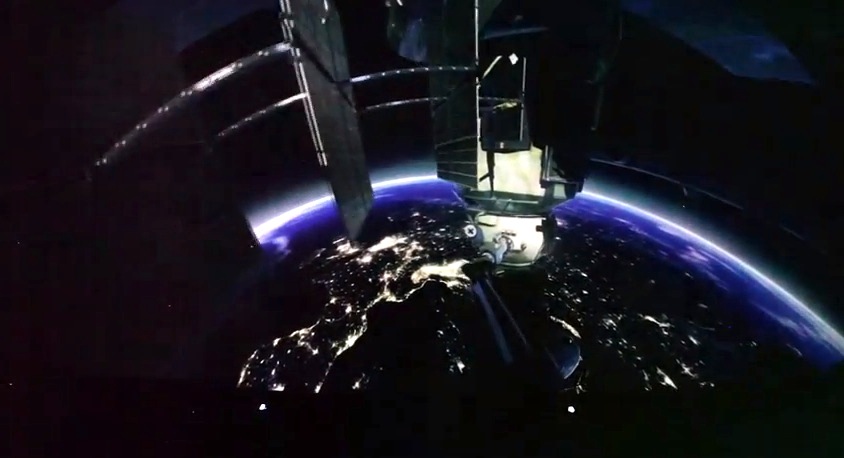
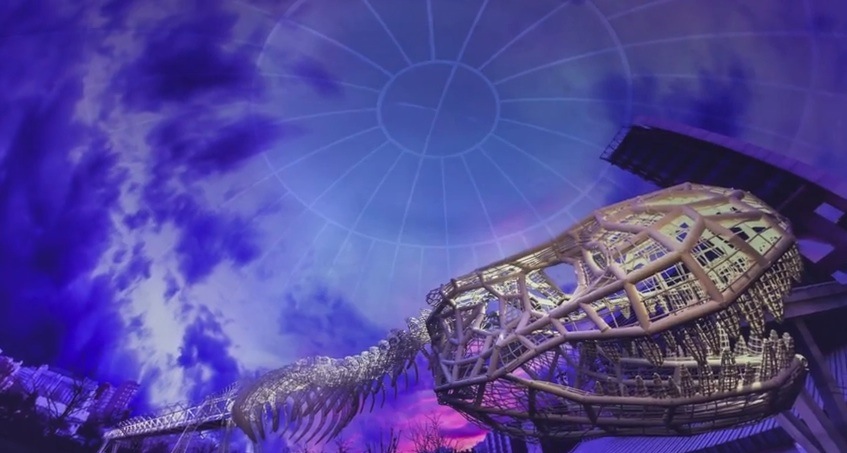
Para Rodríguez Hidalgo, “el resultado es magnífico, tanto con programas en directo de visualización del cielo nocturno, como para la proyección de películas. In this regard, hemos estrenado una obra muy espectacular y premiada llamada ‘El sueño de volar’ (‘Dream to fly’), del Centro de Ciencias Copérnico de Varsovia (Copernicus Science Centre), que está siendo muy bien recibida por el público”.
Programas audiovisuales de gran impacto
En directo y guiados por especialistas en Astronomía, los visitantes del Planetario de Valladolid pueden disfrutar de espectaculares programas audiovisuales sobre el Universo en diferentes idiomas.
El Planetario se divide en tres grandes apartados: la cúpula, el sistema de proyección y la sala. La primera de ellas tiene un diámetro de 11 metros, con una inclinación entre 10 y 15º, y su estructura es autoportante con chapa de aluminio perforado, constituida por tubos de sección cuadrada y de chapa de acero cimbrados, rigidizados, calibrados y montados. La superficie de la pantalla es de 1,2 mm. thick, with dimensions of 1×2 m.
El sistema de proyección adoptado es In Space System, que permite no tener más que un cable conectado por proyector y no utilizar más que una sola fuente de entrada, evitando tener una transición entre dos fuentes de vídeo o informáticas que sean diferentes. “Con ello se puede sortear un problema inherente a la tecnología de proyección de los sistemas tritubo, que no permiten un cambio de fuentes limpio, sin flash en la pantalla, y rápido. Besides, todos los datos del simulador astronómico y vídeo pasan por un solo canal, permitiendo un cambio de fuentes sin salto de imágenes”, apuntan desde RSA Cosmos.
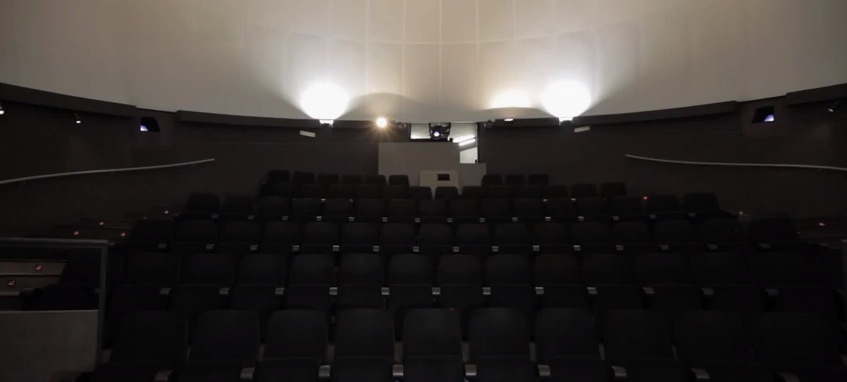
La sala del Planetario es de posición unidireccional, con proyección a cúpula completa y frontal. Dispone de ochenta asientos regulables en su inclinación y está preparada con espacios para personas con discapacidad. Este espacio también cuenta zonas reservadas para la programación y producción de programas propios del Planetario.
[youtube]https://youtu.be/_5mBhfvSZbc[/youtube]
Did you like this article?
Subscribe to our NEWSLETTER and you won't miss anything.
Related articles
 Petros eni: experiencia digital de la Basílica de San Pedro con proyección de Barco
 Digital Projection helps you achieve the best solution for projection applications
 Digital Projection renews the projection of the Gärtnerplatztheater with its MLS solution
 Barco presents its most intelligent projection solution, the G50 series
 The Reel Store chooses Barco as immersive digital art projection partner
 The Bogotá Planetarium renews its projection system with Christie
 Barco and RSA Cosmos create a stellar immersive experience at the Brussels Planetarium
 With the QET series, Samsung provides an efficient digital solution for business environments
 The oldest planetarium in the world that is still in operation is updated with the projection of Barco
 The Madrid Planetarium is renewed and migrates to 4K optical-digital projection technology
 South Africa Nu Metro Cinemas migrates to digital projection technology and Barco's immersive sound
 The Czech Planetarium in Brno combines digital simulation with optical projection thanks to technology from PNY and JVC
 The Bogotá Planetarium reopens its doors with PowerDome digital projection
 Digital Projection presents a projection solution at ISE 40.000 lumens