


UHD television surpasses Full HD in sensations and immersion
La investigación neuropsicológica publicada por Samsung, en colaboración con MindLab Internacional, revela que ver contenidos en un televisor UHD resulta un 38% más envolvente que en Full HD.
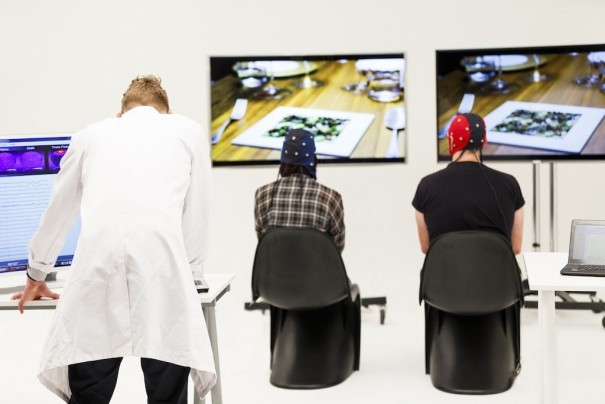
El estudio neuropsicológico ‘Screen Sensation: The Ultra HD Effect’, realizado por Samsung con sus televisores SUHD en colaboración con MindLab Internacional, examina los efectos fisiológicos de ver la televisión en UHD frente a Full HD (también conocida como 1.080p). Si esta última tiene más de cinco veces información de la imagen que la definición estándar, la Ultra Alta Definición (UHD) es capaz de mostrar imágenes con cuatro veces más de detalle que la tecnología Full HD.
Para llevar a cabo la investigación, veinticuatro personas con edades comprendidas entre 18 y 65 años participaron en la misma, controlados mediantes electrodos y monitorizados mediante electroencefalografía (EEG), actividad electrodermal (EDA) y frecuencia cardíaca. Los sujetos observaron imágenes de los principales servicios de streaming de contenido de Netflix, así como un partido de fútbol europeo, todo en UHD y HD. Para garantizar la imparcialidad, la marca del televisor se ocultó durante el estudio.
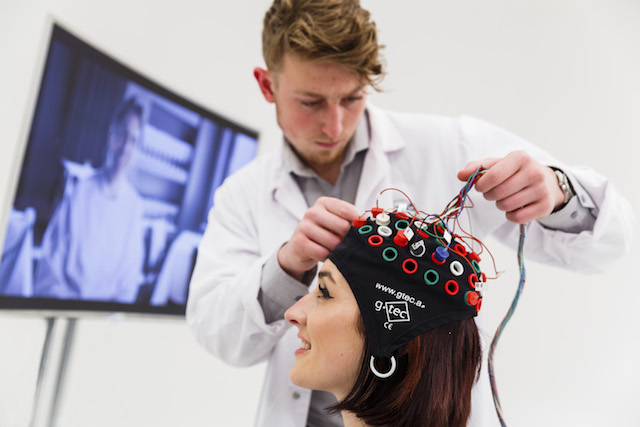 Los resultados demostraron de forma abrumadora que el televisor UHD era más ‘envolvente’ que el Full HD debido a una combinación de aumento de la motivación (medida asociada a sentirse atraído hacia algo), el procesamiento visual y poder beta (medida asociada con el pensamiento activo o concentración).
La inmersión aumenta considerablemente durante experiencias como estar en una montaña rusa, comprar un nuevo producto o salir en una fecha señalada, así como a aquellos que les gusta ver y comentar el fútbol en su hogar. El hecho de que ver contenidos en UHD aumente la inmersión, sugiere que esta tecnología ofrece un enganche en el espectador más positivo y rico que viendo contenido en una pantalla Full HD.
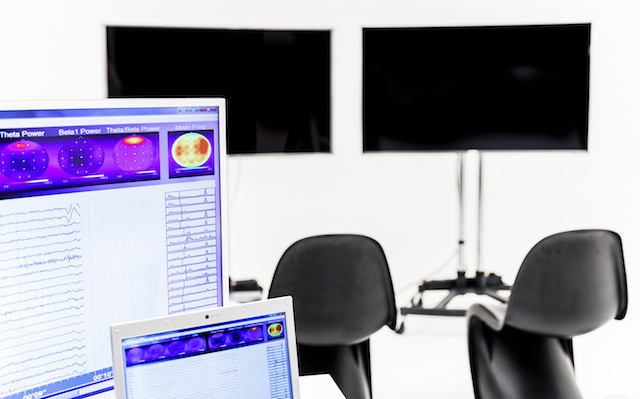 Los participantes experimentaron un 62% de niveles más altos de procesamiento visual que en UHD, lo que significa que el cerebro está usando más de su capacidad para procesar la información visual. Durante el estudio, los sujetos se sentían un 25% más “en el momento” cuando veían algo por primera vez en los televisores Samsung SUHD, que incorporan tecnología UHD, así como más preparados para reaccionar a lo que aparecía en la pantalla, más centrados, atentos y concentrados.
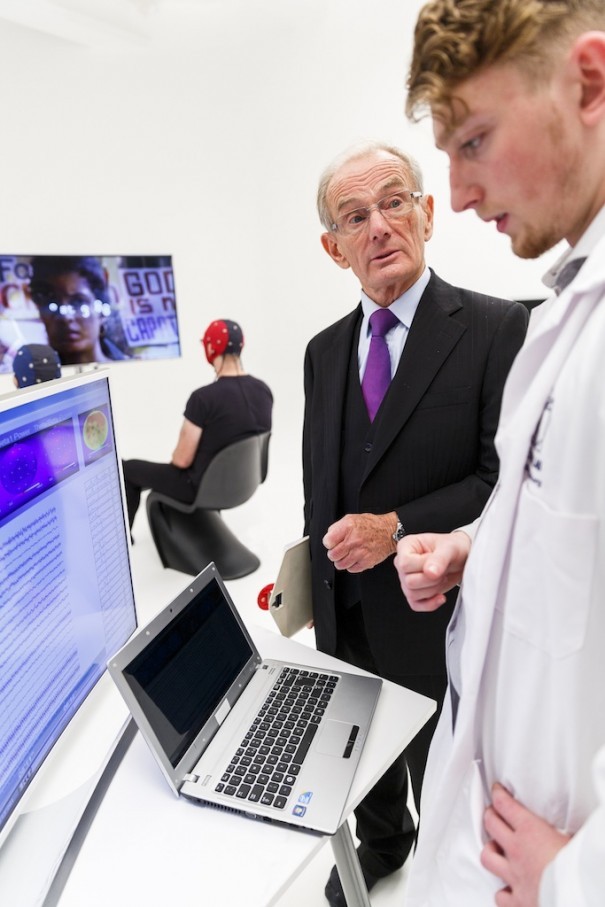
El neuropsicólogo David Lewis, presidente de MindLab Internacional, ha señalado que “los televisores de Ultra Alta Definición suponen un salto cualitativo en términos de experiencia de visualización, lo que hemos demostrado in esta investigación realizada para Samsung. Es increíble cómo los avances en la tecnología pueden crear estas respuestas fisiológicas importantes y está cambiando la manera en que experimentamos el contenido y el entretenimiento”.
 Otra de las conclusiones de esta investigación es que los participantes se sintieron significativamente más atraídos hacia el contenido en pantallas UHD en comparación con las pantallas Full HD (20% de diferencia), creando una reacción emocional positiva. Besides, al ver los clips por segunda o tercera vez, las personas que lo hicieron en las pantallas UHD se sintieron más atraídos respecto a los que los visualizaron en sistemas de alta definición (29% de diferencia).
Como indica Michael Zoeller, vicepresidente y director europeo de Visual Display de Samsung, “desde los eventos deportivos mundiales, until thes series de televisión más esperadas o las películas de gran éxito, los espectadores quiere experimentar la gran variedad de contenidos de televisión Premium disponibles in screens further grandes, brillantes y con mayor claridad. Samsung está a la vanguardia de technology envolvente de la televisión, offering la experiencia de visualización más impresionante posible en la comodidad de los hogares como ocurre desde un Samsung SUHD TV”.
For your part, Neil Hunt, vicepresidente de productos de Netflix, asegura que “la Ultra Alta Definición está ayudando a cumplir las expectativas de los espectadores sobre la calidad de la televisión y nuestra programación está reflejando los saltos hacia adelante en calidad de imagen, depth, detalle y color. La realidad de la televisión es cada vez más fiel, haciendo los momentos de entretenimiento más envolvente y agradables”.
Did you like this article?
Subscribe to our NEWSLETTER and you won't miss anything.
Related articles
 InfoComm 2025 exceeds the attendance figures of its last edition
 Green Hippo pushes the limits of AV creativity with Hippotizer MX
 The Spant Theater! supera los desafíos de audio con L-Acoustics
 Vogel's exceeds expectations in its participation in ISE 2023
 WHEREAS 2023 exceeds expectations with the support of 58.107 attendees and a thousand exhibitors
 Digital AV super one 2018 los 352.000 users who accessed more than half a million pieces of information
 The third edition of the 4K Summit exceeds the organizers' expectations
 Dnp LaserPanels supera a las pantallas planas LCD de licitación gubernamental en Abu Dabi
IBC 2015 exceeds the previous year's figures with an attendance of 55.000 professionals
Dnp LaserPanels supera a las pantallas planas LCD de licitación gubernamental en Abu Dabi
IBC 2015 exceeds the previous year's figures with an attendance of 55.000 professionals
 Paco Roncero will offer Sublimotion diners new sensations with the Samsung Gear VR
 Hiperdino's digital signage and TV channel exceeds one hundred screens installed by Dj3 Canarias
 TeslaTouch, touch technology based on electrovibration to create unimaginable sensations on any surface
 Interactive Cook and Experience, una original lámpara interactiva que abre la cocina a nuevas sensaciones
 Digital AV supera los cien mil usuarios únicos en el primer semestre de 2012