


The Mexican University of Guadalajara optimizes its videoconferencing service with Avaya
Avaya solutions have allowed the University of Guadalajara in Mexico to have an infrastructure that connects all teaching centers, allowing the transmission of content in high definition.
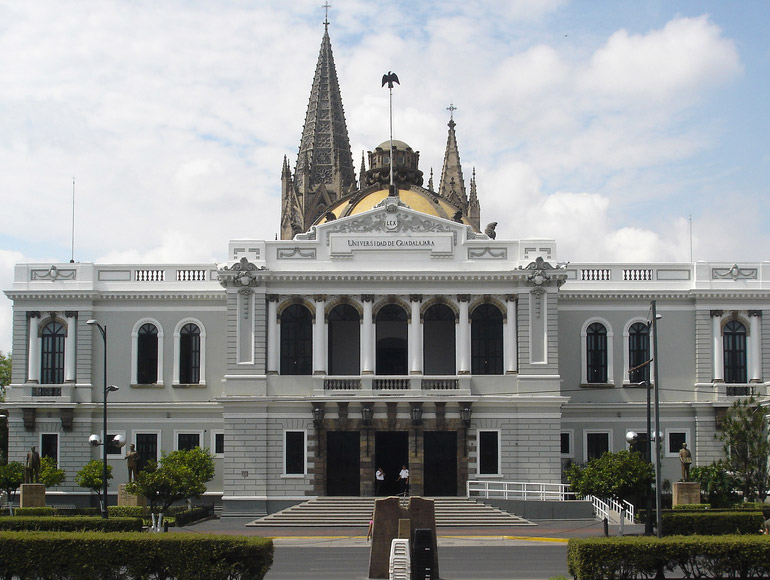
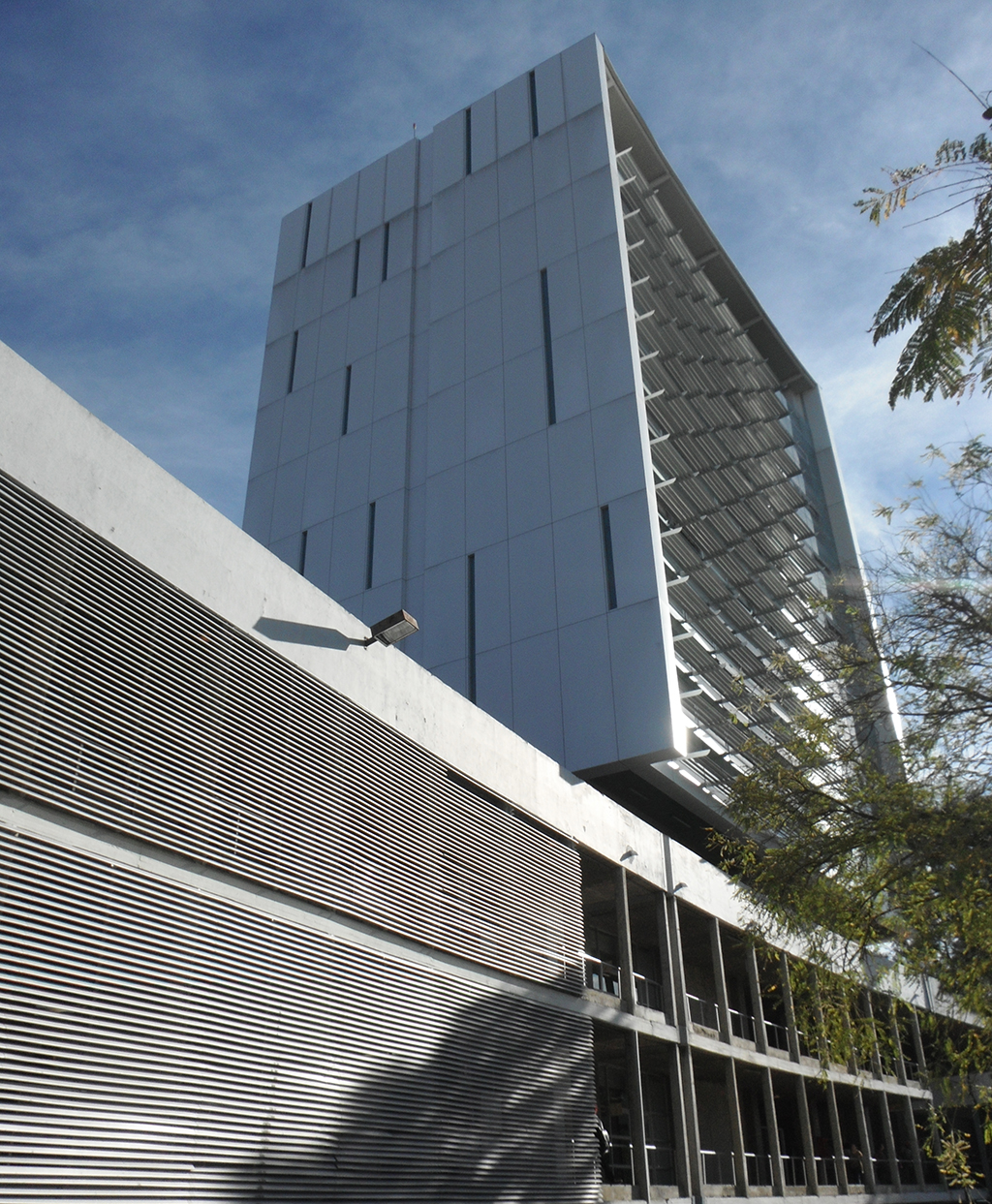
The University of Guadalajara It is a community heir to an educational tradition forged over two centuries of history and is one of the most important in Mexico. Serves more than 235.000 students (103.000 thousand of higher level and 132.000 upper secondary level), distributed in six metropolitan university centers, nine regional university centers, 55 preparatory schools, 71 modules, 30 extensions and a virtual university system.
 This educational center wanted to renew and update its videoconferencing infrastructure in order to provide all centers, as well as the rest of the university community, a technological platform that facilitates collaboration with other institutions, in addition to solving the academic needs of this educational institution.
To respond to these requirements, they resorted, in the first instance, to the Radvision company. After carrying out an analysis of the different solutions, a public tender was launched and awarded to Avaya.
 “Through the tender we found a solution that responded to our needs at a price accessible to us and allows our users to prioritize their objectives in the content of their links and not in access problems or in the use of the medium”, explains Alejandro Martínez Valera, CGTI Design Coordinator.
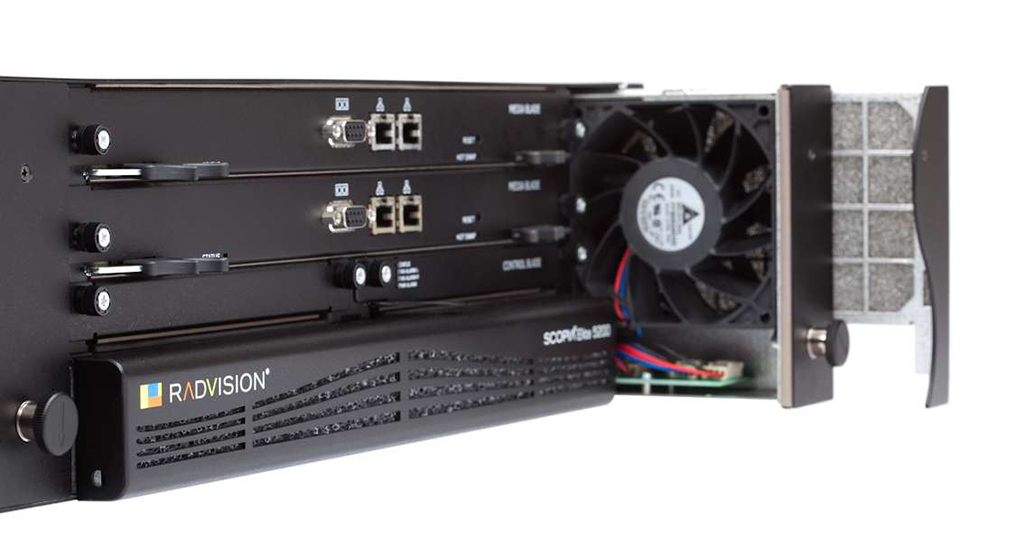
The Avaya videoconferencing solution implemented at the University of Guadalajara is integrated by a classic MCU and an ISDN GW (which they had had for four years), as well as Scopia Elite solutions 5230, Scopia desktop, Scopia Mobile and a recording system.
 With Scopia's mobile tools they have made users more independent in their links, making the content more dynamic, thanks to the ease of integrating them into videoconferences.
This solution has allowed the use of the videoconferencing service to increase by 250%. “The integration of this infrastructure has allowed all university centers to be connected to each other and to share content in high definition. For your part, “Students can directly access this solution from their personal devices.”, comments Ehud Velasco Tepezano, responsible for videoconferencing service.
Did you like this article?
Subscribe to our NEWSLETTER and you won't miss anything.
Related articles
 Pexip is now compatible with Avaya video conferencing systems
 Mercedes-Benz Avilon Legenda in Russia optimizes customer service with a video wall from AG Neovo
 Avaya Equinox Meetings Online: Full HD video conferencing and cloud collaboration service
Hyundai Taiwan reinforces its brand image and optimizes customer service thanks to digital signage
Hong Kong Metro Optimizes Processes with Avaya Collaboration Solutions
Avaya Equinox Meetings Online: Full HD video conferencing and cloud collaboration service
Hyundai Taiwan reinforces its brand image and optimizes customer service thanks to digital signage
Hong Kong Metro Optimizes Processes with Avaya Collaboration Solutions
 Lithuania optimizes its postal service with the implementation of a digital signage network
 Avaya: six benefits of cloud-based video conferencing
 NEC, Parity Aviation and Heathrow Airport create a mobile screen that optimizes passenger service
Wildix optimizes its Zéro Distance video conferencing system
Wavetec technology optimizes customer service in Samsung after-sales stores
NEC, Parity Aviation and Heathrow Airport create a mobile screen that optimizes passenger service
Wildix optimizes its Zéro Distance video conferencing system
Wavetec technology optimizes customer service in Samsung after-sales stores
 With&Home and Avaya connect and integrate surgical intervention rooms via videoconference
 Orange and Verizon create inter-provider video conferencing service
 Ceelab develops cloud-based HD video conferencing service
 Avaya wants to enter the video conferencing market by acquiring Radvision