


La exposición Deep Space sumerge al visitante en una experiencia tridimensional en 8K
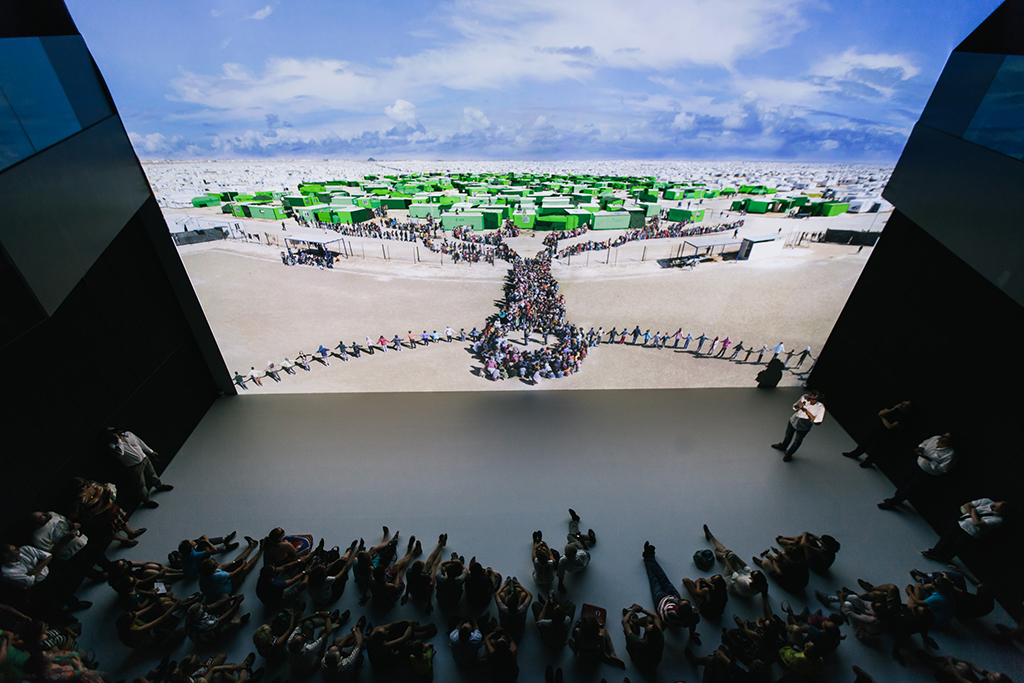
Los equipos Christie Mirage 304K 3DLP son los responsables de proporcionar esta espectacular proyección inmersiva de 16×9 metros con resolución 8K de pared y suelo, velocidad de imagen de 120 Hz y tecnología 3D estéreo. Una simulación que puede verse en la exposición Deep Space del museo austriaco Ars Electronica Centre.
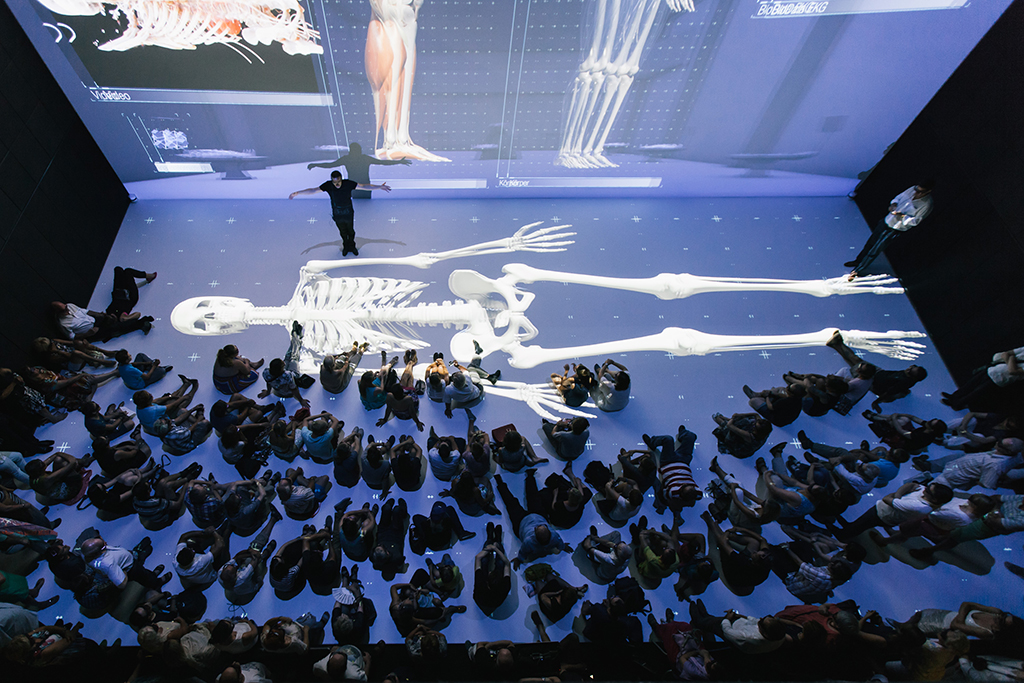
La misión del Ars Electronica Centre (AEC) quedó establecida en el momento mismo de su inauguración en 1996. El llamado ‘Museo del Futuro’ daba prioridad a la interacción y participación del visitante, aspirando a salvar la distancia que separa arte y ciencia, y a convertirse en taller y laboratorio de la creación experimental.
Tras un primer proceso de modernización y ampliación, con ocasión del nombramiento de Linz (Austria) como Capital Europea de la Cultura en 2009, Deep Space, principal exposición del museo, ha sido objeto de una completa remodelación.
Con la renovación se buscaba transformar las proyecciones preexistentes, of 16×9 metros en pared y suelo, e incorporar en estas visualizaciones 3D resolución 8K (8.192 x 4.320 pixels), velocidad de imagen de 120 Hz y tecnología 3D estéreo.
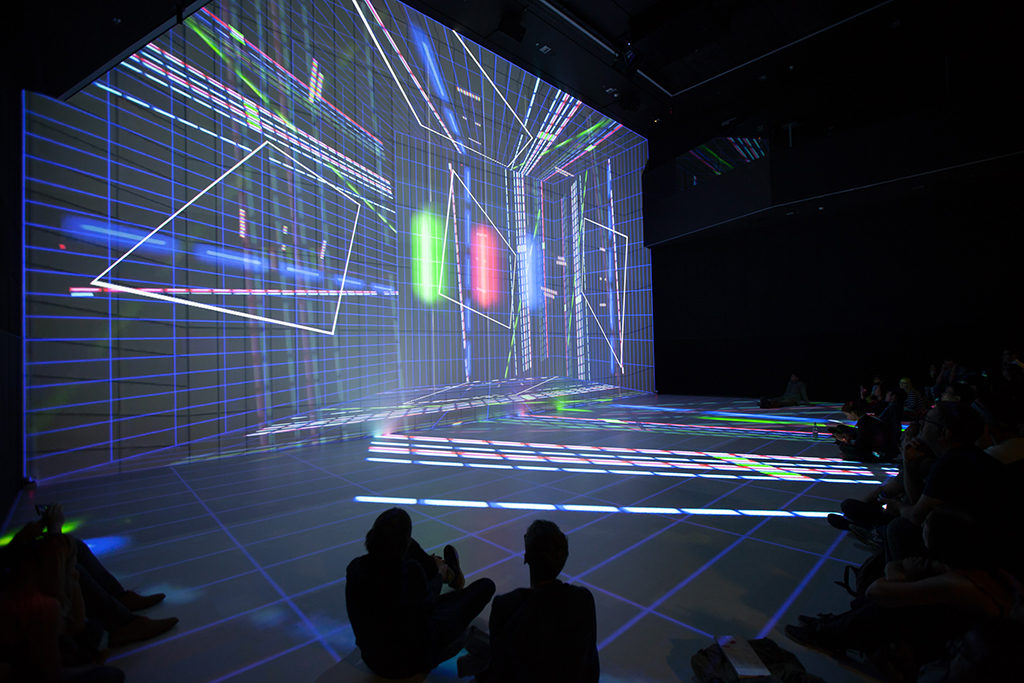
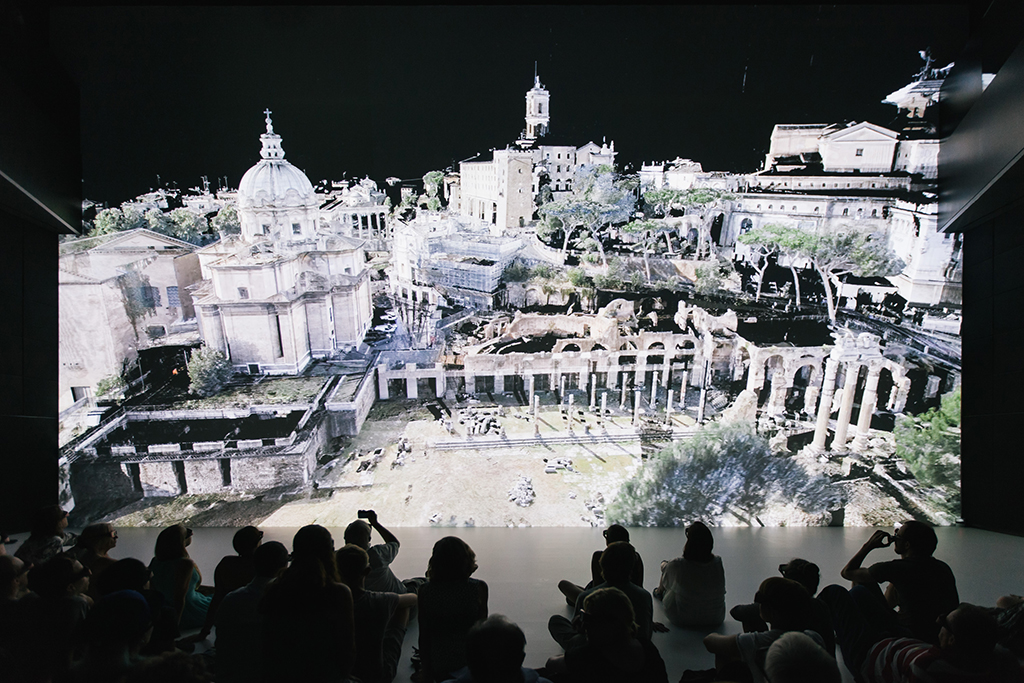
Tras la remodelación, la muestra consigue que el visitante se vea inmerso en unas espectaculares simulaciones 3D que le transportan a la antigua ciudad maya de Tikal, en Guatemala, a la Ciudad Invisible de Roma y a otros lugares. to get it, Ars Electronica ha trabajado con diversos organismos, incluyendo la BBC o CyArk, una empresa que documenta espacios culturales con moderna tecnología de escaneado láser 3D.
Con la actualización a resolución 8K, las imágenes 3D se muestran con mayor precisión y detalle. Besides, en Linz pueden verse también, en estreno mundial, tres escaneos de Scottish Ten, un proyecto financiado por el gobierno escocés cuyo objetivo es escanear y documentar los lugares declarados Patrimonio de la Humanidad por la Unesco.
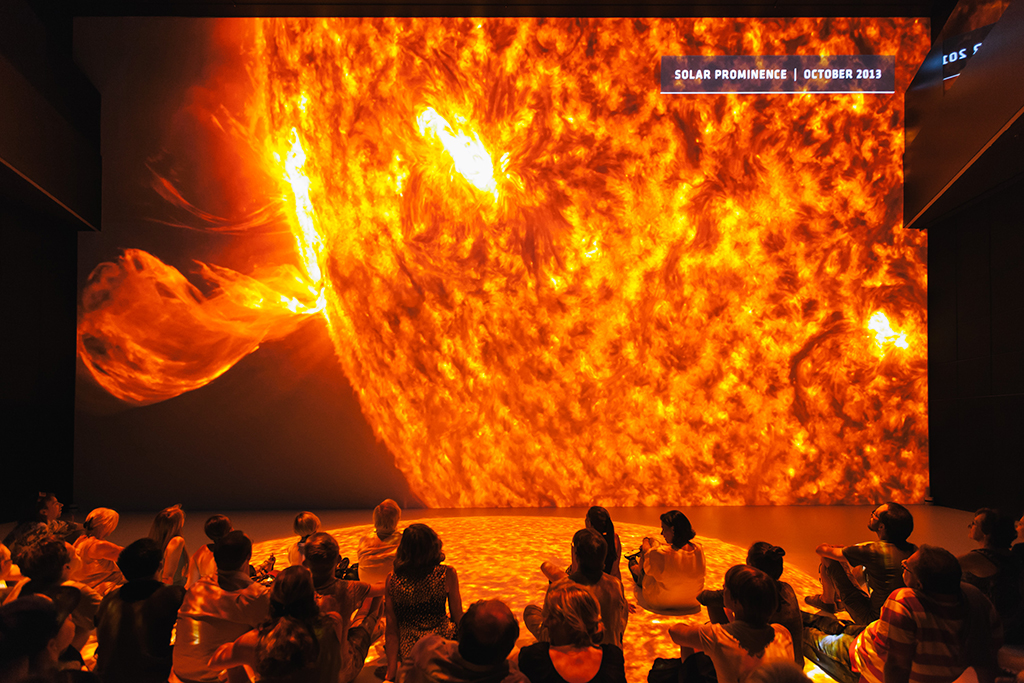
Como explica Andreas Bauer, director del Ars Electronica Centre, “los visitantes del centro se mueven por las exposiciones siguiendo sus propios impulsos. Al contrario de lo que sucede en la proyección de cine habitual, aquí la distancia de visión es muy reducida y eso hace que los espacios entre píxeles resulten mucho más visibles”. Por ello no sólo era aconsejable sustituir los proyectores, sino también actualizar la tecnología existente a resolución 8K de última generación.
Ton+Bild Medientechnik, partner de Christie ubicado en Traunkirchen (Austria), se encargó de la planificación, suministro e instalación. “Conocíamos ya el Ars Electronica Centre de anteriores colaboraciones en montajes temporales, por lo que estábamos familiarizados tanto con las limitaciones arquitectónicas como con el carácter singular de Deep Space. Esto nos permitió planificar el proyecto y tomar decisiones sobre los productos a utilizar en un plazo relativamente breve”, explica Robert Cicek, director ejecutivo de Ton+Bild.
Capacidad, reliability and security
La empresa decidió instalar ocho proyectores Christie Mirage 304K 3DLP. “En una instalación tan particular como esta, los proyectores tenían que contar con capacidad 3D, iluminación de altas prestaciones y resolución 4K. But also, la continua afluencia de visitantes y las frecuentes exposiciones temporales obligaban a ciertas exigencias de seguridad en la instalación. Los proyectores de Christie garantizan todo esto”, explica Cicek.
Para la proyección estéreo 3D era especialmente importante que los equipos tuvieran capacidad para reproducir frecuencias de 120 Hz usando la plataforma Christie TruLife Electronics.
“En los proyectores 3D estéreo, las imágenes se dirigen a cada ojo a alta velocidad con el fin de asegurar una calidad de imagen homogénea, rica en colores y de gran nitidez. In this case, la escasa distancia que media entre el espectador y las superficies de proyección incrementaba la importancia de ese factor”, aclara el director ejecutivo de Ton+Bild. Los sistemas fueron equipados con objetivos de tiro corto (0.9:1) y una distancia focal fija.
Otro factor determinante para que se eligiera el modelo Christie Mirage 304K fue la fiabilidad, gracias a su sistema de seis lámparas. El fallo de una lámpara no afecta a la continuidad de la proyección.
“En un día normal nuestros proyectores se utilizan durante horas. Por eso necesitamos productos concebidos para un funcionamiento ininterrumpido, eficientes desde el punto de vista energético y sin demasiado mantenimiento. También nos gustaba que fueran relativamente compactos y silenciosos, pues no queríamos que el equipo técnico eclipsara el contenido proyectado, sino que quedara más bien en un segundo plano”, señala Bauer.
Software a medida
Para el nuevo montaje en 8K de Deep Space la empresa no quiso limitarse a actualizar el hardware, planteándose un rediseño total de su contenido y del software mucho antes de la fecha de reinauguración. Horst Hörtner, director sénior de Ars Electronica Future Lab, señala cómo se tuvo que realizar una herramienta a medida. “La escasez de aplicaciones y vídeos concebidos para resolución 8K nos llevó a crear en Future Lab un contenido propio adaptable a vídeo de alta resolución”.
Para visualizar las nuevas nubes de puntos para 8K el Future Lab desarrolló un nuevo renderizador de nube de puntos que consiguiera que el contenido quedara aún más realista a ojos de los visitantes.
La combinación del hardware de altas prestaciones con el software recién desarrollado permitió alcanzar una densidad de punto que hace que el visitante sea incapaz de distinguir los puntos individuales.
A esto hay que añadir la implementación de distintos algoritmos y tecnologías que permitieron a la empresa presentar contenido en tiempo real a 120 Hz y a resoluciones incluso mayores. Se recurrió también a nueva tecnología para simplificar aspectos adicionales, como los recorridos con cámara virtual o la navegación dentro de objetos visualizados.
[vimeo]https://vimeo.com/154045449[/vimeo]
Did you like this article?
Subscribe to our NEWSLETTER and you won't miss anything.
Related articles
 SpinetiX manages Space Magic's visual galactic experience
 ‘Luz Cuenca’ Immerse visitors in a sensory experience with KV2 audio
 Peerless-AV improves visitor experience at Delft worship centers
 Genelec sumerge al visitante en la cultura Sami en el Museo Siida
 Cupra redefine la experiencia de su sala de exposición con PPDS
 Digital Projection energizes the 'Deep Fakes' exhibition with its 3D technology
 The Nordic Museum immerses the visitor in the world of the Arctic with a complex projection system
 Universcience reorganizes its digital signage network around the visitor experience
 KidZania's interactive city optimizes visitor experience with Panasonic
 TeamLab immerses the visitor in the flow of the waves in its latest Fundación Telefónica exhibition
 The Posnania shopping center offers visitors a spectacular audiovisual experience
 The Planeta Bellver exhibition takes the visitor on a virtual journey through the world of Fernando Bellver
Una proyección, que cubre paredes y suelo, sumerge a los visitante en los orígenes de la cerveza Stiegl
The Planeta Bellver exhibition takes the visitor on a virtual journey through the world of Fernando Bellver
Una proyección, que cubre paredes y suelo, sumerge a los visitante en los orígenes de la cerveza Stiegl
 Projectiondesign immerses visitors in the shuttle Atlantis of the legendary Kennedy Space Center in Cape Canaveral