


Cada sala de control precisa un determinado videowall: ¿cómo elegir el más adecuado?
Tres son las categorías principales de tecnología de estado sólido empleadas en videowalls de sala de control: paneles LCD, cubos de proyección DLP de iluminación Led y muros de display Led. In this article, Marcos Fernandez, director de Christie para España y Portugal, explica las funcionalidades de cada una de ellas y cuál se adapta mejor a cada aplicación o usuario concreto, atendiendo a las características de cada entorno.
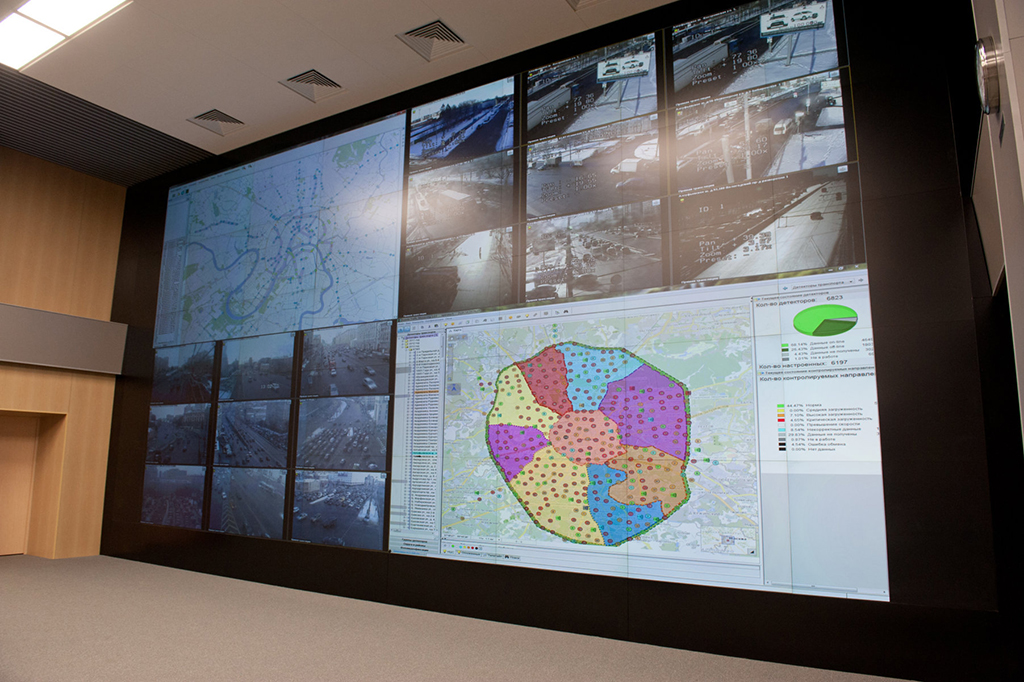
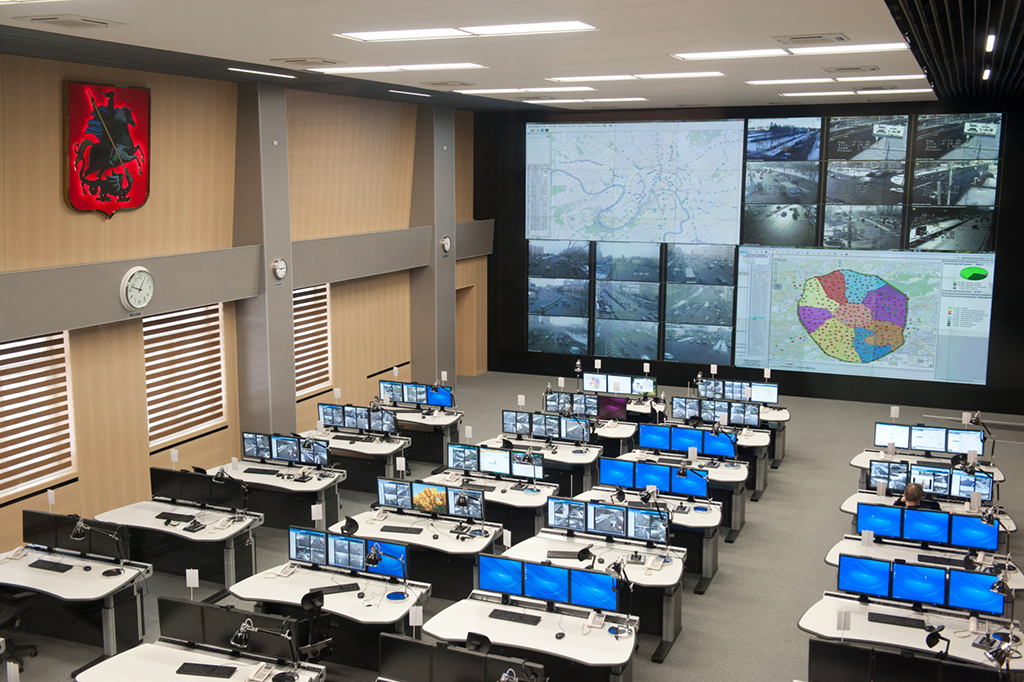
Recibir información, hacer análisis, colaborar para mantener la normalidad o responder a situaciones de emergencia: ese es el día a día de los entornos de sala de control. Para llevar a cabo esas tareas el reto es cómo visualizar en tiempo real y con eficiencia las labores de seguimiento, comprobación y comunicación que estas tareas exigen. Para establecer con qué tecnología respaldar a las personas que gestionan y monitorizan la continuidad de los trabajos y responden a rupturas reales o potenciales del protocolo, es fundamental determinar dónde y cómo se mostrará la información.
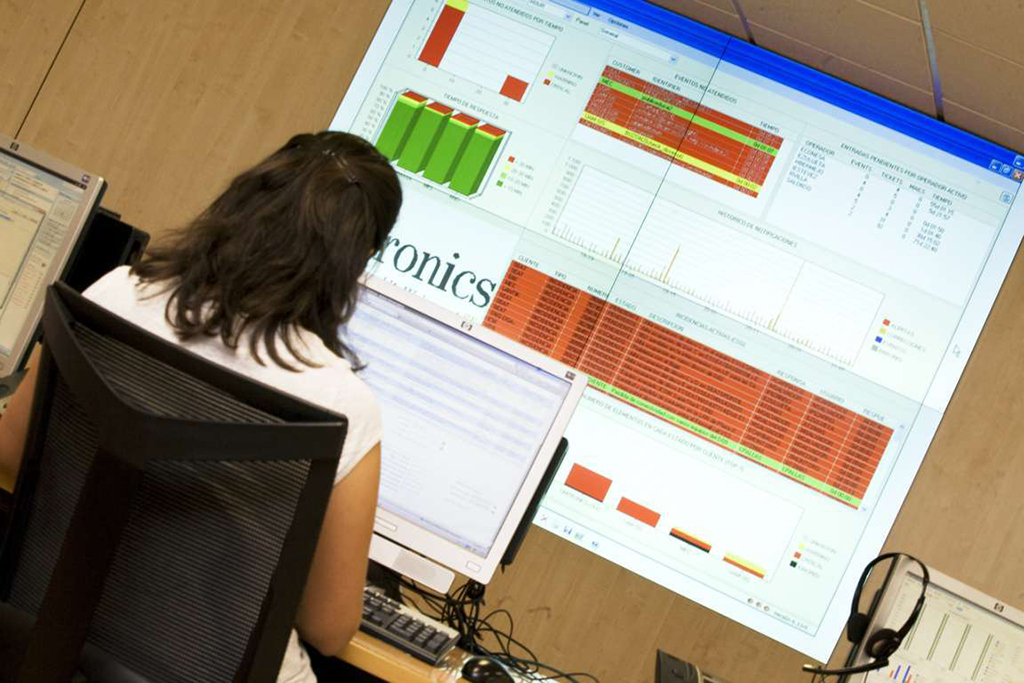
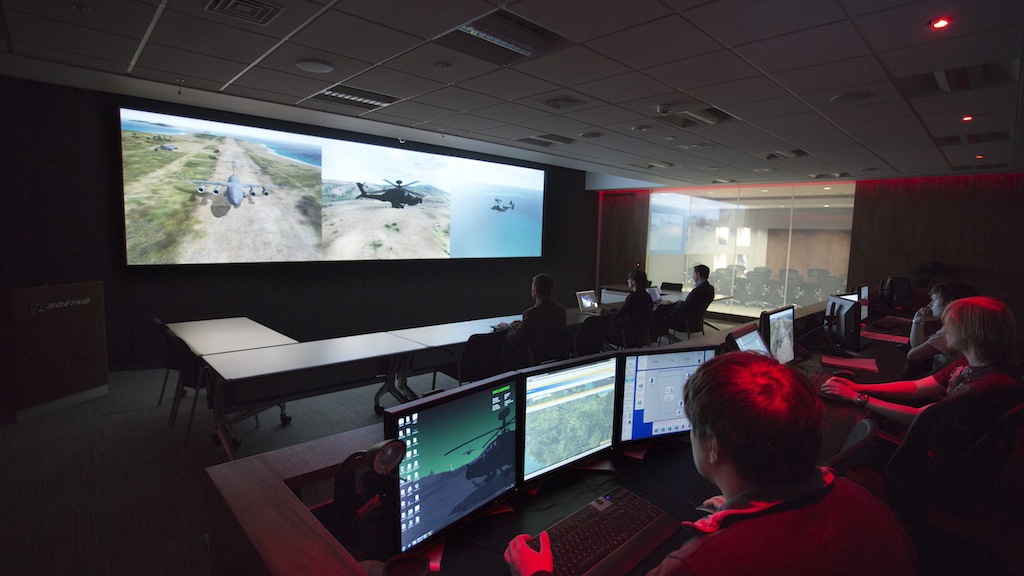
Si lo que se precisa es crear un punto focal de información para un equipo de sala de control, sobre todo en grandes formatos, que permita a los operadores visionar clara y simultáneamente múltiples alimentaciones de contenido, los videowalls constituyen la solución generalizada.
Tres son las categorías principales de tecnología de estado sólido empleadas en videowalls de sala de control: paneles LCD, cubos de proyección DLP de iluminación Led (cubos Christie MicroTiles) y muros de display Led (cubos Led).
Cualquiera de las tres tecnologías puede resultar una opción excelente para su uso en displays de videowalls, pero para decidir qué categoría resultará más adecuada a una aplicación o usuario concretos, habremos de fijarnos en qué características de cada solución satisfacen las prioridades principales de la aplicación. Entre las prioridades habituales de los displays de salas de control se encuentran: el ángulo de visión, glow, uniformidad de brillo, contrast, autobrillo y balance de color, ausencia de divisiones, retención de imagen, espacio ocupado, coste inicial, coste total de propiedad, facilidad de montaje, power, vida útil y cumplimiento de los estándares AD.
En esta columna vamos a comentar qué categorías de tecnología ofrecen una compatibilidad superior a la media en cuanto a sus características para ayudar a elegir la opción más adecuada para cada aplicación.
Viewing angle
La mayoría de las soluciones de videowall han sido diseñadas para maximizar el visionado de información cuando el usuario no está situado justo delante de la pantalla. However, al distanciarnos del ángulo de visión del display comprobamos que el brillo y el color pueden verse afectados a diversos niveles. Es importante consultar con antelación las especificaciones de funcionamiento del producto para entender el impacto de los ángulos de visión en la interacción entre una persona y el contenido.
Con cubos, lo habitual es utilizar pantallas ópticas, y cada una tiene sus propias características. En el caso de los paneles LCD, la visibilidad podría variar según quién sea el fabricante. En el caso de los videowalls Led no hay reglas claras; dicho esto, hay distancias de visionado recomendadas como óptimas atendiendo al pixel pitch (distancia de píxel). Todas las soluciones ofrecen características de visualización excelentes, pero al seleccionar el producto es importante asegurarse de que las características reales del producto seleccionado cumplen los requisitos de diseño planteados para la aplicación.
Glow
Las necesidades de brillo de un videowall variarán dependiendo de cuál vaya a ser la aplicación real. Un entorno con exceso de iluminación ambiental —por ejemplo, un espacio con paredes acristaladas— requerirá seguramente un brillo elevado que mejore el contraste global. Nevertheless, en muchas aplicaciones de sala de control un exceso de brillo podría resultar perjudicial para alguien que pasa una jornada laboral completa frente al display.
Si el videowall es muy brillante, el operador podría, con el paso del tiempo, sufrir dolores de cabeza o problemas en la vista. On the other hand, si tiene poco brillo el contraste podría ser deficiente, dificultando la rapidez y precisión necesarias para procesar la información. En aplicaciones típicas de sala de control, lo indicado y razonable es un brillo nominal de 250 cd/m². Sobrepasar los 500 cd/m² podría desembocar en un exceso de brillo que nos veremos obligados a reducir y gestionar.
Si lo que queremos es un brillo y uniformidad estables a lo largo y ancho de una matriz en mosaico, los cubos Led son los que ofrecen el mejor rendimiento. Muros de display Led ubicados en exteriores alcanzan picos de brillo de hasta 12.000 nits (1 nt = 1 cd/m²), si bien en modelos para interior los niveles no suelen sobrepasar 2.000 nits.
Otra ventaja de los videowalls Led en mosaico es su capacidad para mostrar con nitidez el contenido, incluso en condiciones de elevada luz ambiente. Y eso se logra no sólo por el alto brillo característico de los cubos Led, sino también por las elevadas relaciones de contraste. El resultado es una percepción extraordinaria del nivel del negro que provoca un contraste de imagen alto, incluso en interiores con elevados niveles de iluminación ambiental.
Uniformidad de brillo
Cuando el brillo de cada una de las pantallas individuales no es uniforme la visión global del videowall podría mostrar una apariencia no deseada de ‘tablero de ajedrez’. La mayoría de los cubos ofrecen una tasa de uniformidad del 95% o más, que es lo deseable. Instead, en el panel LCD la uniformidad no suele ser tan alta.
Besides, dado que en los paneles LCD la uniformidad no se mide justo al nivel del bisel, se recomienda hacer una prueba y visionar con antelación la solución con contenido igual o similar al que vamos a mostrar, asegurándonos así de que el producto cumple las expectativas en cuanto a uniformidad. La uniformidad de brillo media en displays Led es de >97% the superior, dependiendo de la especificación de chip Led del fabricante.
Autobrillo y balance de color
Cuando en una matriz de displays en mosaico o en un videowall se combinan múltiples displays, es fundamental que el brillo y el color entre ellos estén bien acoplados y se mantengan estables.
En un conjunto formado por varios displays, nuestros ojos son extremadamente sensibles a las diferencias de color, por mínimas que sean. Es por eso que los productos para displays de videowall incorporan capacidades dirigidas a ajustar el color con precisión. However, con el paso del tiempo tanto el color como el brillo podrían desajustarse o cambiar y necesitar reajustes.
Una gran ventaja de los cubos es que la tecnología de proyección permite incorporar de serie al diseño los sensores y el monitoreo de color. With it, se puede hacer un seguimiento constante del color y el brillo, que se reajustan automáticamente sin intervención humana, algo que tiene lugar de manera continua y sin que el usuario lo perciba.
Los videowalls Led ofrecen también la posibilidad de lograr un amplio espectro de color, entendiendo por tal el rango y pureza cromáticas que un display es capaz de reproducir. En un display Led, los rojos, verdes y azules emiten un rango de longitudes de onda mucho más reducido que el de una fuente de luz blanca y de amplio espectro, como una lámpara, lo que da como resultado la reproducción de unos colores mucho más profundamente saturados así como de un rango de colores reproducibles cada vez más amplio.
Contrast
Un contraste alto facilita un reconocimiento más fácil y rápido de la información mostrada y reduce los efectos perjudiciales para la vista. Un aspecto esencial en el diseño de una sala de control es la relación de contraste del sistema global, que deberá tomar en consideración la luz ambiental del interior de la estancia así como el tipo de imágenes que se habrán de mostrar en el videowall. La relación de contraste que suele necesitarse en un sistema es de >100:1.
Los productos de display tienen su propia relación de contraste, que sirve para determinar la relación de contraste general del sistema. Afortunadamente, las relaciones de contraste suelen ser de 1500:1 en paneles LCD, of 5000:1 en videowalls Led y de 2100:1 en cubos, en todos los casos adecuadas para la mayor parte de las aplicaciones de sala control.
Ausencia de divisiones
En un display de videowall lo ideal es que esté totalmente libre de divisiones para lograr que en una matriz en mosaico el espectador no note las transiciones entre las distintas unidades de pantalla. La cierto es que con los productos y tecnologías emisivos actualmente a la venta en el mercado no es un requisito que pueda cumplirse al 100%.
En los cubos es posible minimizar esas transiciones con distancias entre pantallas de tan sólo 1 mm. This space of 1 mm es el que suelen precisar los materiales que componen las pantallas para expandirse y contraerse por las fluctuaciones de temperatura y humedad. En grandes muros de display, frente a los que los operadores y los usuarios se sitúan por lo general a unos 3 meters away, ese espacio de 1 mm se considera insignificante.
Con cubos Led sí resulta factible conseguir esa ausencia de divisiones, pues su diseño permite el contacto físico entre ellos sin que eso redunde en un incremento de la distancia de píxeles entre un cubo y el siguiente. Besides, las características del entorno de los cubos Led de una matriz típica no permiten apreciar con precisión, desde una distancia de visionado normal, el punto de unión entre cubos.
Retención de imagen
Lo más probable es que un sistema de videowall nuevo nos parezca brillante, but, ¿será capaz de mantener ese mismo nivel de brillo con el paso del tiempo? Si factores de rendimiento como la uniformidad del color y del brillo, y la calidad de imagen no se encuentran entre las prioridades principales de la aplicación, el recurso a paneles LCD puede resultar una solución aceptable y la mejor en términos de relación calidad-precio, especialmente si la aplicación no requiere funcionamiento 24/7.
However, si lo que importa es la calidad de la imagen y el mantenimiento de esa calidad durante cinco o más años, los displays DLP basados en Led son la solución más indicada. For example, en muchos centros de operaciones no sólo es esencial mantener el funcionamiento a un alto nivel para que los operadores y usuarios habituales trabajen a gusto y con seguridad, también es importante que el display de videowall sea atractivo e impactante para los visitantes y para los clientes que se acerquen por las instalaciones.
Espacio ocupado y facilidad de montaje
Cuando existen limitaciones espaciales en el emplazamiento del videowall, el grosor de la solución podría ser un factor decisivo. Por lo general la mayoría de paneles LCD requieren para su instalación de un espacio de entre 10 y 20 cm. deep. Si el espacio es escaso y se desean además las ventajas de la proyección DLP/Led, los cubos DLP o los displays a base de cubos de Led serán la mejor opción.
La solución Christie MicroTiles ofrece las ventajas de los cubos de proyección DLP/Led con una profundidad de 10 inches or 250 mm., pues tiene un tamaño de pantalla de 20 inches diagonal. Lo habitual es que los cubos Led sean bastante delgados, muchas veces con grosores inferiores a 4 inches or 100 mm.
Also, por su perfil de profundidad mínima y diseño inteligente, los paneles LCD, los cubos DLP y los cubos Led son también fáciles de montar. Un aspecto interesante en ambos es la posibilidad de instalarlos en curva o de crear un display con cualquier tipo de tamaño o forma.
Coste inicial y coste total de propiedad
Una gran ventaja de los paneles LCD es su bajo coste inicial. En una superficie de display el coste de los paneles LCD puede ser inferior al 60% del coste inicial de un sistema equivalente basado en cubos. Cuando hay limitaciones presupuestarias, los paneles LCD pueden ser la solución más apropiada aunque su vida útil operativa sea más reducida y haya que hacer algún que otro sacrificio de funcionamiento.
Costes fijos, como los derivados del consumo energético, la refrigeración o el mantenimiento, son también importantes a la hora de decidir la solución más indicada para la aplicación. En una sala de control 24/7 o 20/7 cabe esperar en los cubos y mosaicos Led una vida útil de seis o más años. Esas soluciones están diseñadas para ofrecer gran fiabilidad, bajo mantenimiento y un mínimo deterioro de rendimiento con el paso del tiempo.
Todos los displays consumen energía y precisan de refrigeración, unas necesidades que no todas las tecnologías resuelven del mismo modo. El consumo energético de los videowalls de cubos Led es más eficiente que el de casi todas las demás tecnologías de display, con mejoras de eficiencia que pueden exceder de 400% dependiendo con qué equipo hagamos la comparación.
Otro punto fuerte de los videowalls de cubos Led es la prolongada vida de los propios píxeles Led. Muchas veces la vida útil de un modelo de fuente de luz viene dada por el número de horas que tarda en descender a la mitad de su brillo inicial. Teniendo en cuenta ese parámetro, los Led duran mucho más que las lámparas, bien se usen como fuente de luz o directamente como píxeles en un videowall.
Cumplimiento con las directrices de ausencia de barreras
Si desea asegurarse de que su display cumple las directrices de espacios seguros, accesibles y sin barreras de su país y los principios de Diseño Universal, lo mejor será que se decante por un display de bajo impacto y grosor fino.
En Canadá y Estados Unidos los displays no pueden montarse a más de 4 inches or 100 mm de la pared si aspiran a ser certificados como libres de barreras por la CSA (Canadian Standards Association) y la ADA (Americans with Disabilities Act), respectively. Los paneles LCD y los cubos Led son soluciones que encajan bien en espacios en los que haya que cumplir con las exigencias establecidas por CSA, ADA o con normativas similares.
Informándose sobre el funcionamiento de cada solución en relación con las prioridades más comunes en salas de control podrá hacerse una idea más clara de qué solución funcionará mejor en su propia sala. Una vez haya reducido al mínimo la lista de candidatos, le recomendamos hacer una investigación a fondo de las marcas principales para dar con la solución tecnológica que mejor se adecue sus necesidades.
Marcos Fernandez
Director de Christie for Spain and Portugal

Did you like this article?
Subscribe to our NEWSLETTER and you won't miss anything.
Related articles
 Biamp explica cómo elegir los altavoces adecuados para uso exterior
 The experiment room at the NHM in Vienna attracts visitors with a large Leyard Led video wall
 La nueva sala de control de Telcat gira en torno a un videowall de AG Neovo
 The European Council renews the video wall of the press room with Leyard
 GLP offers the technical dynamism required for a large audience event
 Ewent aporta los elementos para elegir el soporte de monitor más adecuado
 How to choose a Led screen? Selection criteria
 MMD explica las claves para elegir el monitor profesional más adecuado a cada necesidad
 How to select the ideal sound solution for a meeting room (I)
 Videowall Led combinado con audio como nueva experiencia en eventos
 A video wall built with MicroTiles is used by Stanford University as an educational tool
 First video wall installed in a radiation room that offers a new level of care to cancer patients
 DsBitnet installs a transflective video wall as an innovative showcase in a pharmacy
 AMX will raise at ISE 2013 What is the 'perfect meeting room' like?’