


Panasonic helps merge sound and visual environment for 'The Great Animal Orchestra'
Para poner de relieve la obra del músico e ingeniero de sonido americano Bernie Krause, así como la del fotógrafo japonés Manabu Miyazaki y la colección de vídeo del Cornell Lab of Ornithology, que se muestra en la Fundación Cartier, have been installed 5 pantallas TH-49LF80, tres 4K TH-84LQ70 y siete proyectores PT-DZ780.
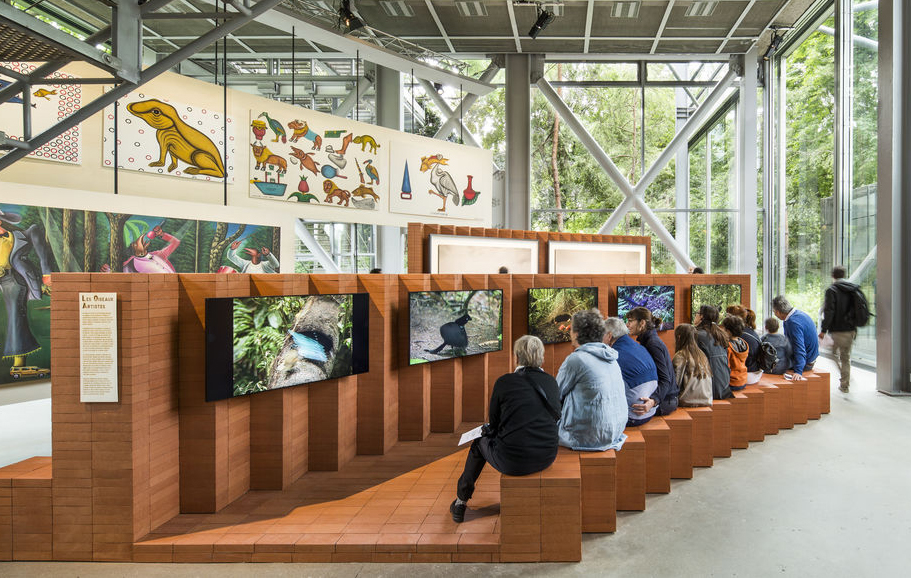
Ubicada en un espacioso y moderno edificio de cristal en el distrito 14 from Paris, the Fundación Cartier es un centro de arte contemporáneo con un espacio de exposición de 1.115 metros cuadrados donde se acoge la obra tanto de artistas noveles como consolidados y se celebran unas tres exposiciones al año.
‘La gran orquesta animal’ es la última exposición que se está exhibiendo en el Pour L’Art Contemporain del museo . Se inspira en el trabajo de Bernie Krause, músico e ingeniero de sonido americano, que ha desarrollado una pasión por los sonidos del mundo salvaje y las características sonoras de la naturaleza.
Krause ha viajado por todo el mundo grabando y estudiando el paisaje sonoro de los entornos naturales, no solo por su increíble belleza y diversidad, sino también para observar la evolución de la biodiversidad y de los territorios salvajes en una era de rápidos cambios.
Aunque se basa en el trabajo sonoro de Krause, la exposición también realiza un amplio uso del formato visual, con obras de artistas de todos los rincones del mundo para crear una ‘orquesta doble integrada’ y para que los visitantes puedan experimentar la fusión del entorno sonoro y el visual.
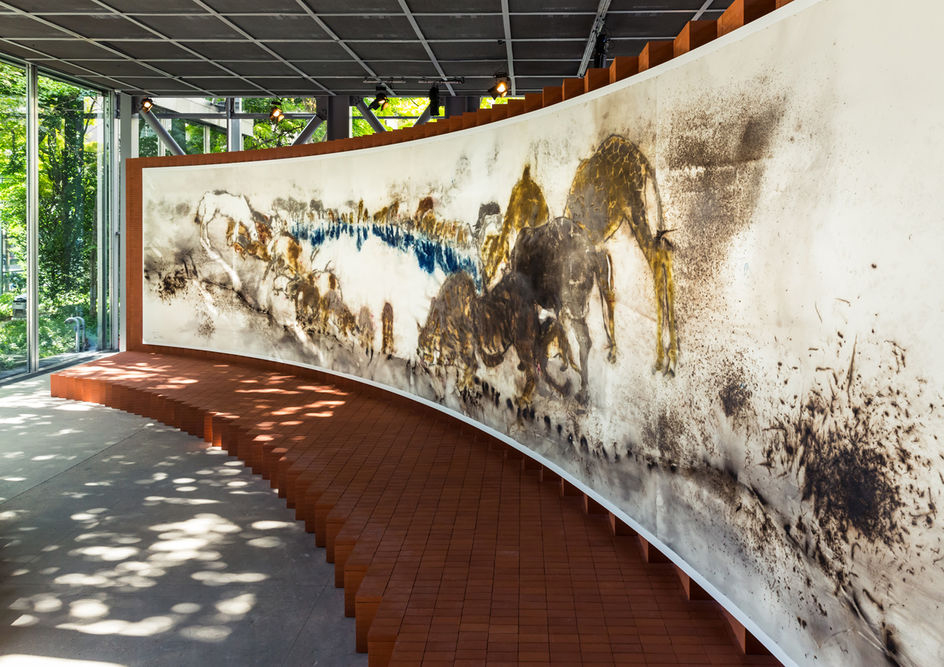
Uno de los elementos destacados es ‘White Tone’, una obra de 18 metros del artista chino Cai Guo-Qiang creada con pólvora sobre papel, a la que prendió fuego en un gran espectáculo. Las quemaduras resultantes representan un intrincado conjunto de diferentes especies animales salvajes reunidas en torno a un abrevadero, en un estilo que evoca las pinturas de las cuevas prehistóricas.
En esta muestra se ha utilizado la tecnología audiovisual de Panasonic para crear diaporamas y proyecciones cautivadoras junto a fotografías y pinturas más tradicionales sobre lienzos.
En la sala central de la exposición, se han instalado cinco pantallas profesionales de alto brillo Full HD TH-49LF80 y tres pantallas 4K TH-84LQ70 de Panasonic para presentar las obras del fotógrafo japonés Manabu Miyazaki y la colección de vídeo del Cornell Lab of Ornithology.
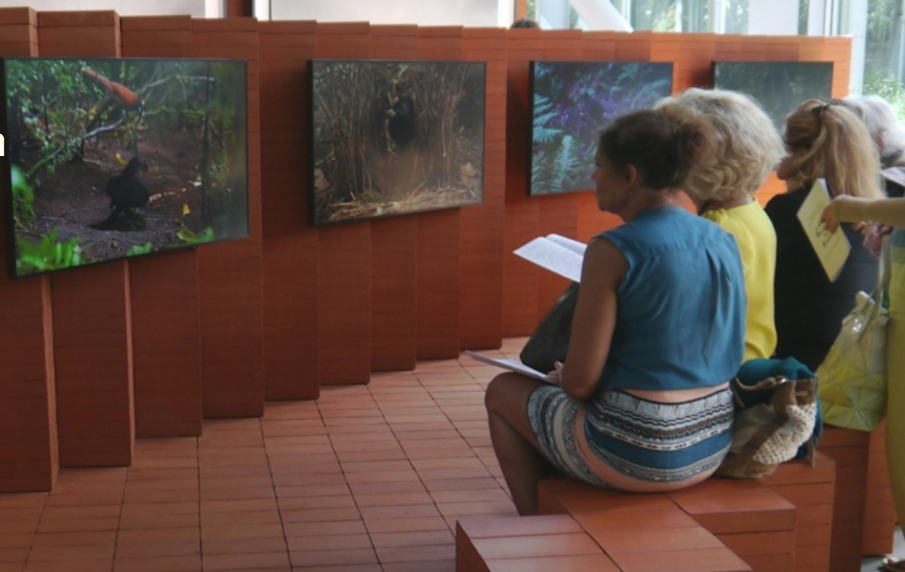
Miyazaki utiliza una cámara trampa para capturar escenas que resultan cercanas a la naturaleza. Expuestas por primera vez fuera de Japón, los visitantes puede ver a humanos y animales salvajes compartiendo el mismo entorno en las resoluciones UHD que ofrecen las pantallas 4K de 84 inches from Panasonic.
“El uso de 4K fue muy importante, porque las fotografías de Miyazaki tienen una increíble definición y hay muchos detalles que solo se pueden apreciar con alta resolución”, señala el comisario Thomas Delamarre.
Al analizar la forma de representar la colección de pájaros en vídeo del Cornell Lab de Nueva Guinea y Australia, el museo quería que los visitantes sintieran que contemplaban fotografías o pinturas en lugar de un programa de televisión. El estrecho borde de las pantallas permite centrar la atención en la obra. Besides, el acabado mate de la TH-49LF80 elimina el efecto de deslumbramiento por luz del sol para ofrecer una experiencia visual óptima.
“El problema con el entorno de cristal de la fundación es que resulta complicado mostrar vídeos e imágenes en movimiento, dada la cantidad de luz que inunda el espacio, aunque este efecto también infunde gran vida a las obras que presentamos. Nevertheless, necesitábamos encontrar las pantallas adecuadas que representaran con precisión lo que queríamos mostrar”, añade Delamarre.
Proyección con fusión de bordes
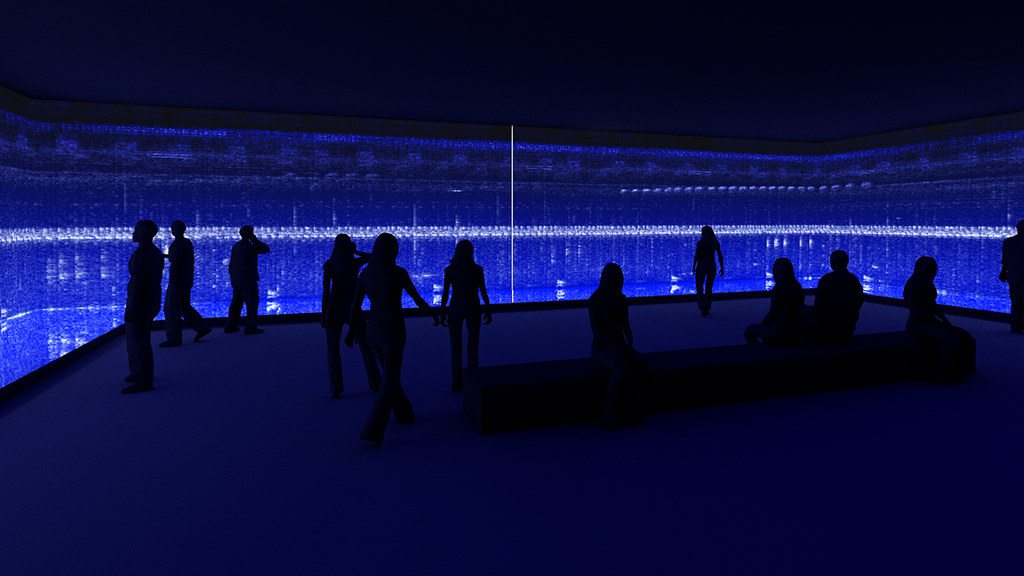
También se utilizan proyectores de Panasonic en una instalación del colectivo de artistas ingleses United Visual Artists, conocidos por su trabajo con la banda Massive Attack. El grupo creó imágenes de siete de los paisajes sonoros de Bernie Krause grabados en Canadá, USA, Brazil, la República Centroafricana y Zimbabue, así como entornos submarinos. También se ofrece un vídeo de Raymond Depardon y Claudine Nougaret en el que Krause describe su trabajo.
Para esta zona de la exposición se están utilizando siete proyectores Panasonic PT-DZ780, con los que es posible representar una imagen absorbente de 40 metros proyectada sobre tres paredes con funcionalidad de fusión de bordes.
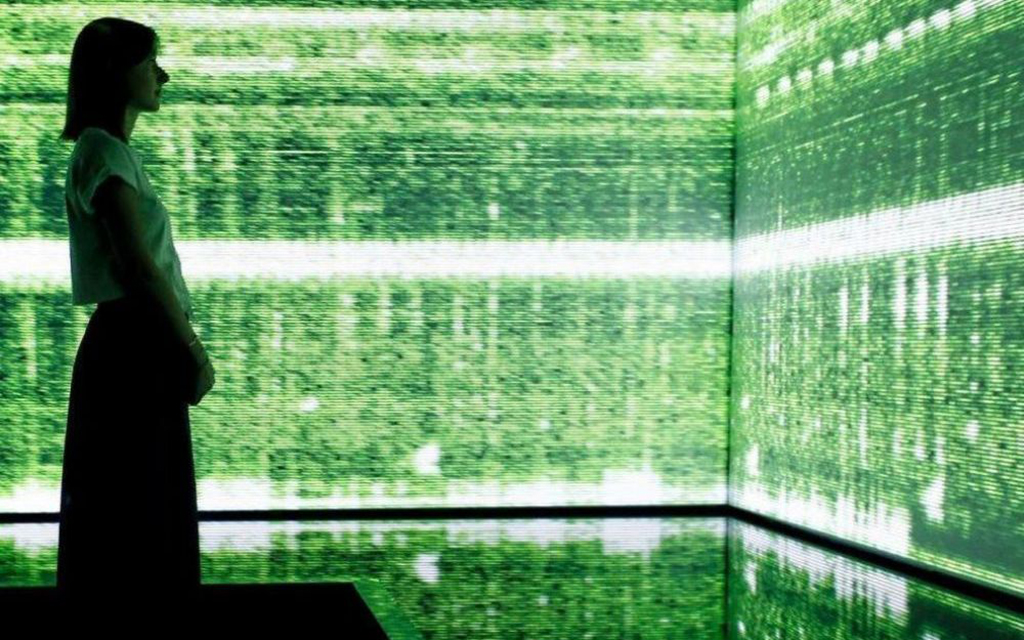
Con ayuda de un servidor de medios 3D, las imágenes se generan y se proyectan en tiempo real a medida que se despliegan los paisajes sonoros, lo que crea una experiencia envolvente gracias a la función de representación cromática y el alto brillo que ofrece esta gama de proyectores.
“Necesitábamos una proyección continua que fuera fluida y silenciosa, para que no afectara a los paisajes sonoros. Besides, teníamos limitaciones en cuanto al peso que podíamos colgar de los techos, por lo que los proyectores no podían ser muy pesados. Queríamos probar los nuevos proyectores láser, pero decidimos utilizar modelos convencionales porque creemos que se adaptan mejor a la instalación del museo”, explica Camille Chenet, directora de producción de la exposición.
Did you like this article?
Subscribe to our NEWSLETTER and you won't miss anything.
Related articles
 DAS Audio helps merge gastronomy and technology in Katsin
 Sennheiser Group will offer an experiential sound environment at NAB 2024
 Crestron helps merge education and esports at universities
 My grandson 100 helps create soundscape for Dublin Fringe Festival
 Philips PDS brings its PeopleCount visual capacity control solution to the corporate environment
 LG OLED Transparente: a unique visual universe to transform any environment
 Large format visual technology as a therapeutic aid for patients in hospitals
 Wacom Cintiq Pro 24: visual environment for creative professionals
 Panasonic's large Led screen stars in the visual experience at Air Canada Center
 Clevertouch Plus Lux: large format touch monitors for the educational environment
Panasonic shows the future of visual technology in the museum environment
Panasonic LX/LW, portable DLP projectors ideal for the educational environment
Clevertouch Plus Lux: large format touch monitors for the educational environment
Panasonic shows the future of visual technology in the museum environment
Panasonic LX/LW, portable DLP projectors ideal for the educational environment
 Panasonic's first video wall display, big star of the new Visual Experience Roadshow
 Panasonic solutions for any professional environment